Terrace Tiles: Stylish Solutions, Yet Built to Last and Weather Resistant
A terrace can become an integral part of your home where you can create a relaxing seating area, a garden, or an entertaining area. Designing your dream terrace requires balance and consideration for both functionality and aesthetic appeal. The floor of your terrace should be prepared to handle exposure to sun, rain, temperature, dust and other elements and should be aesthetically appealing. The line of terrace tiles that we offer at Future Stiles have been designed to keep the balances of aesthetics, safety, and durability.
Outdoor spaces can be completely transformed with the right selection of terrace tiles. Be it a new project or a renovation, the right selection of tiles can enhance and increase the usage of your outdoor space. There are various options to choose from ranging from textured surfaces that resemble natural stone to more modern designs.
Essential Aspects of Durable Outdoor Flooring
Outdoors areas will see constant exposure to varying weather conditions and therefore your tiles must offer the following: durability, ability to provide high level of traction, low maintenance, and be resistant to weather-related wear.
Porcelain, vitrified, ceramic, and stone-look tiles are commonly used on terraces. Terrace tiles, much like the other elements of a terrace, should be selected based on the local climate, type of drainage, expected wear, and desired appearance. In
While terrace tiles themselves are a good choice if designed correctly, the base and the slope of the terrace, the type of adhesive used, and also the finished joints can affect the performance of the tiles. Even the best tiles can fail in the absence of a quality base, slope, and finished joints.
Modern Designs for Terrace Tiles
Terrace spaces are becoming integrated with living spaces. Because of this, the design and construction of terrace floors are becoming an integral part of outdoor architecture. With modern terrace tiles, various options for colors, patterns, sizes, and finishes allow you to design a minimalist terrace or an extravagant outdoor retreat.
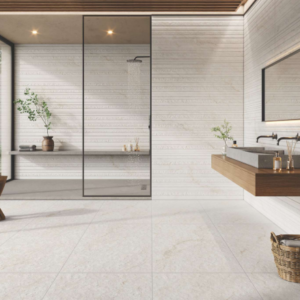
Tiles that look like wood or tiles that look like stone are two options that can help create a terrace floor. Large tiles, as well as a smaller pattern, can be used to achieve an open and spacious terrace, or a closed terrace with detail and character.
For an open terrace that is inspired by modern design, grey, beige and cream, or toned down earthy colors can be used. Patterned tiles can be used to help create focus areas or borders.
The Flooring of Every Outdoor Space is Important
The correctly selected terrace tiles flooring can enhance both the utility and beauty of an outdoor space. Whether your terrace is the place where you have your morning tea, or where you entertain a big gathering, or simply a place to relax, the flooring has to be nice and easy to maintain.
For a residential terrace, floor tiles that are neutral can be used for most of the terrace, with a contrasting accent tile used in a decorative pattern in a seated area. For large terraces, the space can be separated into zones for dining, walking paths, gardens and relaxing by using tiles in different patterns.
For commercial terraces, rooftop cafes, hotels or offices that have high foot traffic, flooring that is durable and rated for outdoor use can meet all your needs.
Terrace Tiles: Texture and Finish
Texture influences the design and utility of surfaces. Smooth surfaces look nice indoors, but outdoors, textured or matte surfaces are important for traction. Finishes with texture are safe for outdoor surfaces that experience rain and direct sunlight.
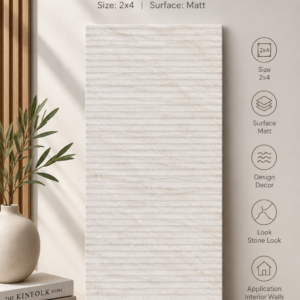
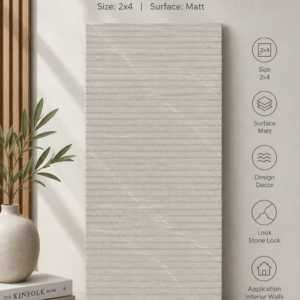
Outdoor surfaces designed to look like stone are nice and natural. Concrete-look surfaces are good for modern designs. Surfaces with wood grains are nice and warm. These surfaces are usually tile. Texture gives depth to a large flat surface and may be an interesting improvement.
Choosing surfaces for your outdoor terraces may require a balance of aesthetics and utility. You may consider the balance of looks and how slip resistant the surface is. A premium surface should be easy to maintain.
How to Select the Right Terrace Tiles
Here’s what you should consider when shopping for terrace tiles.
- Exterior applications may require special tiles that meet certain resistance standard (e.g. slip resistance).
- Tile selection for high traffic areas should account for anticipated foot traffic.
- You may select tiles based on the exterior design of your home and account for the anticipated weather conditions.
- Pay special attention to the finish and the texture of the tiles you select.
- An easy to maintain surface should be of importance during selection.
- Think about slope, adhesive, and joint treatment during the installation process for your new terrace.
Your new terrace can become one of the best features of your home. Choose a combination of elegant terrace tiles flooring, terrace tiles texture, and terrace tiles design to create a beautiful, safe, and practical space outside your home.
Frequently Asked Questions
What tiles are suitable for terrace flooring?
Porcelain, vitrified, and certain ceramic tiles can be used for terrace flooring, as well as stone-look tiles that meet outdoor requirements. The choice will depend mainly on exposure to the elements, drainage, expected floor traffic, and the required surface finish. Anti-slip tiles are the best choice for wet areas.
What are some of the latest terrace tiles designs?
The latest trends in terrace tiles designs include stone-look, wood-look, and concrete-look designs. Terrace tiles designs also include large-format tiles and earthy, neutral tones. A focus is on seamlessly connecting the indoor and outdoor living areas of a home.
Can terrace tiles be used in rainy weather?
Yes. Terrace tiles can be used in rainy conditions provided they are chosen appropriately. Apart from selecting the right tiles, adequate slope, waterproofing, and drainage must be done.
What is a good finish for outdoor tiles?
Tiled floors can be slippery when they get wet. So, matte or textured surfaces are best for outdoor terrace flooring. However, finishes should be chosen depend on the type of terrace and how it will be used.
How do I clean my terrace tiles?
To clean tiles, regular sweeping and frequent cleaning using appropriate tile cleaning products is necessary. Standing water should be cleaned. Checking the joints is necessary as well. Cleaning and maintenance should be done in accordance with the recommendations of the tile manufacturer.1. Which tiles are best for terrace flooring?
Outdoor-rated porcelain, vitrified, ceramic, and suitable stone-look tiles can be considered for terrace flooring. The best choice depends on weather exposure, drainage, traffic, and the required surface finish. For wet areas, tiles with suitable anti-skid or textured surfaces are generally preferable.
What are the latest terrace tiles design trends?
Popular terrace tiles designs include stone-look, wood-look, concrete-look, geometric patterns, large-format tiles, and neutral earthy shades. Modern designs often focus on creating a seamless connection between the home's interior and outdoor terrace.
Are terrace tiles suitable for rainy weather?
Yes, appropriately selected outdoor terrace tiles can be used in rainy conditions. However, tile selection alone is not enough. Proper slope, waterproofing, drainage, installation, and joint treatment are important for managing rainwater and preventing water-related problems.
What terrace tiles texture is best for outdoor areas?
Textured and matte finishes are commonly preferred for outdoor terraces because they can provide better grip than highly polished surfaces, particularly when the floor becomes wet. The appropriate texture should be selected according to the specific terrace conditions and intended use.
How can I maintain terrace tiles?
Regular sweeping and cleaning with suitable tile-cleaning products can help keep terrace flooring looking attractive. Remove accumulated dirt and standing water where possible, and inspect grout joints periodically. Following the tile manufacturer's cleaning and maintenance recommendations can help preserve the flooring.
Terrace Tiles: Stylish Solutions, Yet Built to Last and Weather Resistant
A terrace can become an integral part of your home where you can create a relaxing seating area, a garden, or an entertaining area. Designing your dream terrace requires balance and consideration for both functionality and aesthetic appeal. The floor of your terrace should be prepared to handle exposure to sun, rain, temperature, dust and other elements and should be aesthetically appealing. The line of terrace tiles that we offer at Future Stiles have been designed to keep the balances of aesthetics, safety, and durability.
Outdoor spaces can be completely transformed with the right selection of terrace tiles. Be it a new project or a renovation, the right selection of tiles can enhance and increase the usage of your outdoor space. There are various options to choose from ranging from textured surfaces that resemble natural stone to more modern designs.
Essential Aspects of Durable Outdoor Flooring
Outdoors areas will see constant exposure to varying weather conditions and therefore your tiles must offer the following: durability, ability to provide high level of traction, low maintenance, and be resistant to weather-related wear.
Porcelain, vitrified, ceramic, and stone-look tiles are commonly used on terraces. Terrace tiles, much like the other elements of a terrace, should be selected based on the local climate, type of drainage, expected wear, and desired appearance. In
While terrace tiles themselves are a good choice if designed correctly, the base and the slope of the terrace, the type of adhesive used, and also the finished joints can affect the performance of the tiles. Even the best tiles can fail in the absence of a quality base, slope, and finished joints.
Modern Designs for Terrace Tiles
Terrace spaces are becoming integrated with living spaces. Because of this, the design and construction of terrace floors are becoming an integral part of outdoor architecture. With modern terrace tiles, various options for colors, patterns, sizes, and finishes allow you to design a minimalist terrace or an extravagant outdoor retreat.
Tiles that look like wood or tiles that look like stone are two options that can help create a terrace floor. Large tiles, as well as a smaller pattern, can be used to achieve an open and spacious terrace, or a closed terrace with detail and character.
For an open terrace that is inspired by modern design, grey, beige and cream, or toned down earthy colors can be used. Patterned tiles can be used to help create focus areas or borders.
The Flooring of Every Outdoor Space is Important
The correctly selected terrace tiles flooring can enhance both the utility and beauty of an outdoor space. Whether your terrace is the place where you have your morning tea, or where you entertain a big gathering, or simply a place to relax, the flooring has to be nice and easy to maintain.
For a residential terrace, floor tiles that are neutral can be used for most of the terrace, with a contrasting accent tile used in a decorative pattern in a seated area. For large terraces, the space can be separated into zones for dining, walking paths, gardens and relaxing by using tiles in different patterns.
For commercial terraces, rooftop cafes, hotels or offices that have high foot traffic, flooring that is durable and rated for outdoor use can meet all your needs.
Terrace Tiles: Texture and Finish
Texture influences the design and utility of surfaces. Smooth surfaces look nice indoors, but outdoors, textured or matte surfaces are important for traction. Finishes with texture are safe for outdoor surfaces that experience rain and direct sunlight.
Outdoor surfaces designed to look like stone are nice and natural. Concrete-look surfaces are good for modern designs. Surfaces with wood grains are nice and warm. These surfaces are usually tile. Texture gives depth to a large flat surface and may be an interesting improvement.
Choosing surfaces for your outdoor terraces may require a balance of aesthetics and utility. You may consider the balance of looks and how slip resistant the surface is. A premium surface should be easy to maintain.
How to Select the Right Terrace Tiles
Here’s what you should consider when shopping for terrace tiles.
- Exterior applications may require special tiles that meet certain resistance standard (e.g. slip resistance).
- Tile selection for high traffic areas should account for anticipated foot traffic.
- You may select tiles based on the exterior design of your home and account for the anticipated weather conditions.
- Pay special attention to the finish and the texture of the tiles you select.
- An easy to maintain surface should be of importance during selection.
- Think about slope, adhesive, and joint treatment during the installation process for your new terrace.
Your new terrace can become one of the best features of your home. Choose a combination of elegant terrace tiles flooring, terrace tiles texture, and terrace tiles design to create a beautiful, safe, and practical space outside your home.
Frequently Asked Questions
What tiles are suitable for terrace flooring?
Porcelain, vitrified, and certain ceramic tiles can be used for terrace flooring, as well as stone-look tiles that meet outdoor requirements. The choice will depend mainly on exposure to the elements, drainage, expected floor traffic, and the required surface finish. Anti-slip tiles are the best choice for wet areas.
What are some of the latest terrace tiles designs?
The latest trends in terrace tiles designs include stone-look, wood-look, and concrete-look designs. Terrace tiles designs also include large-format tiles and earthy, neutral tones. A focus is on seamlessly connecting the indoor and outdoor living areas of a home.
Can terrace tiles be used in rainy weather?
Yes. Terrace tiles can be used in rainy conditions provided they are chosen appropriately. Apart from selecting the right tiles, adequate slope, waterproofing, and drainage must be done.
What is a good finish for outdoor tiles?
Tiled floors can be slippery when they get wet. So, matte or textured surfaces are best for outdoor terrace flooring. However, finishes should be chosen depend on the type of terrace and how it will be used.
How do I clean my terrace tiles?
To clean tiles, regular sweeping and frequent cleaning using appropriate tile cleaning products is necessary. Standing water should be cleaned. Checking the joints is necessary as well. Cleaning and maintenance should be done in accordance with the recommendations of the tile manufacturer.1. Which tiles are best for terrace flooring?
Outdoor-rated porcelain, vitrified, ceramic, and suitable stone-look tiles can be considered for terrace flooring. The best choice depends on weather exposure, drainage, traffic, and the required surface finish. For wet areas, tiles with suitable anti-skid or textured surfaces are generally preferable.
What are the latest terrace tiles design trends?
Popular terrace tiles designs include stone-look, wood-look, concrete-look, geometric patterns, large-format tiles, and neutral earthy shades. Modern designs often focus on creating a seamless connection between the home's interior and outdoor terrace.
Are terrace tiles suitable for rainy weather?
Yes, appropriately selected outdoor terrace tiles can be used in rainy conditions. However, tile selection alone is not enough. Proper slope, waterproofing, drainage, installation, and joint treatment are important for managing rainwater and preventing water-related problems.
What terrace tiles texture is best for outdoor areas?
Textured and matte finishes are commonly preferred for outdoor terraces because they can provide better grip than highly polished surfaces, particularly when the floor becomes wet. The appropriate texture should be selected according to the specific terrace conditions and intended use.
How can I maintain terrace tiles?
Regular sweeping and cleaning with suitable tile-cleaning products can help keep terrace flooring looking attractive. Remove accumulated dirt and standing water where possible, and inspect grout joints periodically. Following the tile manufacturer's cleaning and maintenance recommendations can help preserve the flooring.