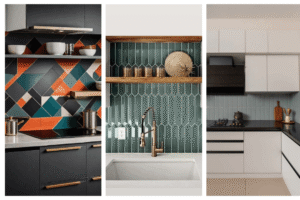
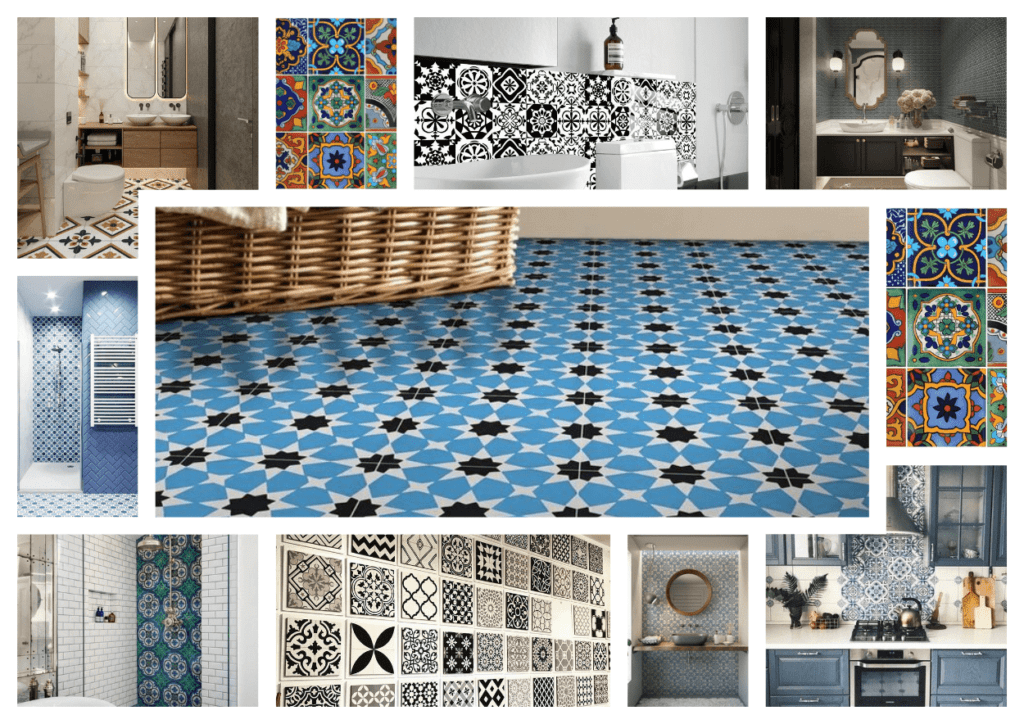
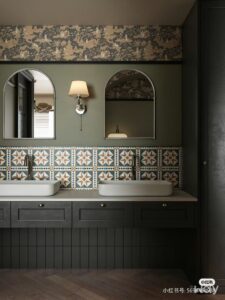
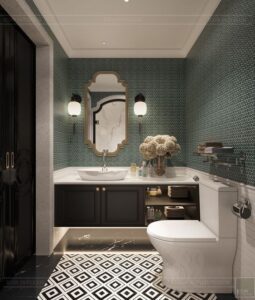
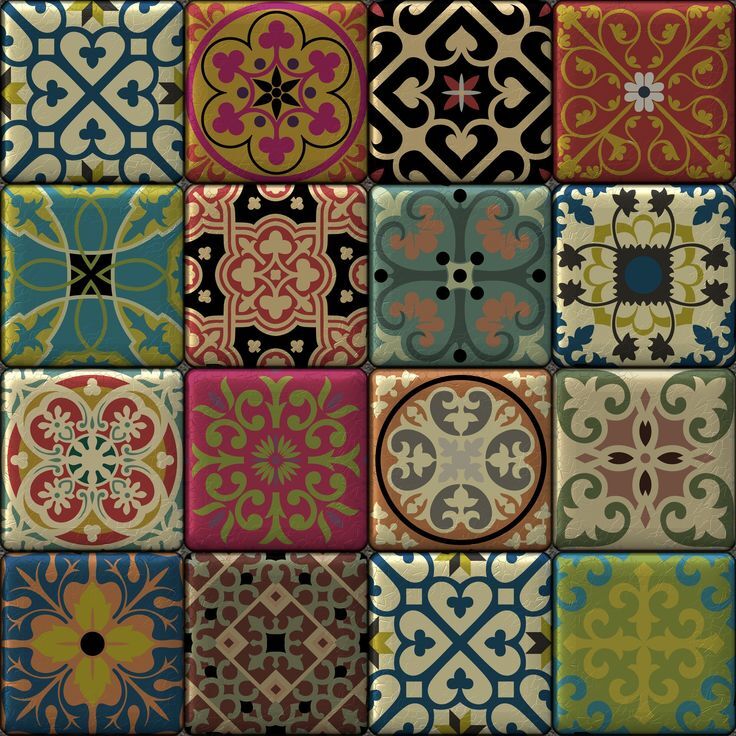
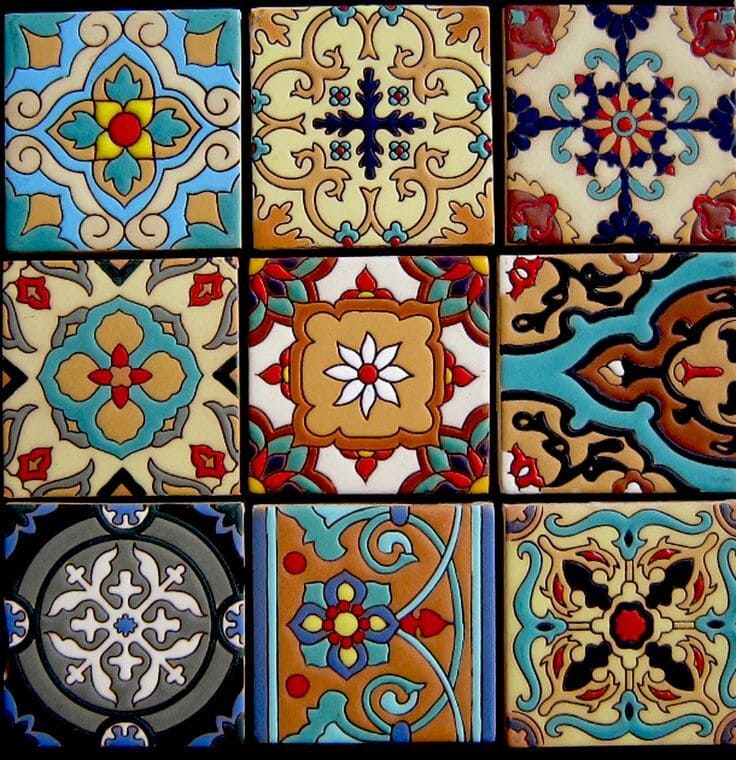
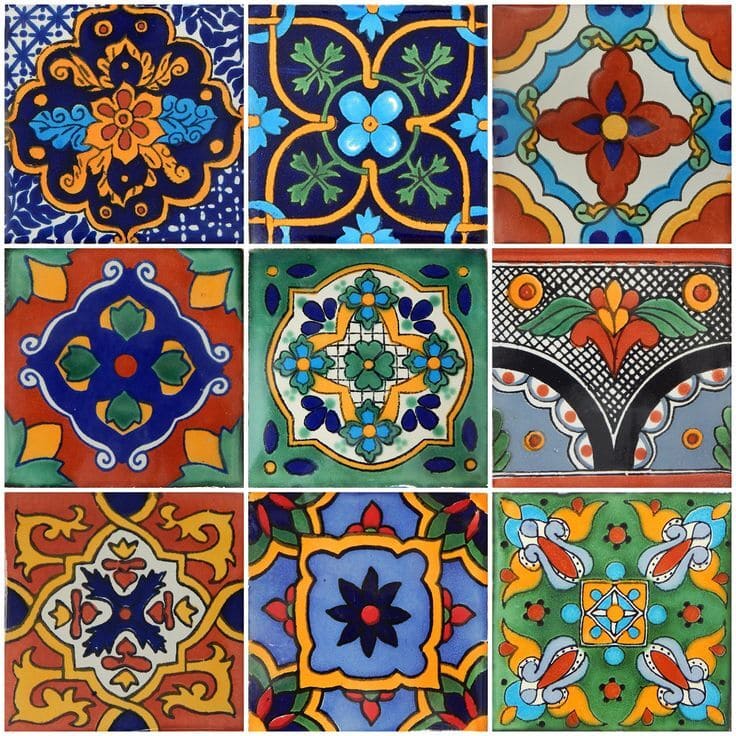
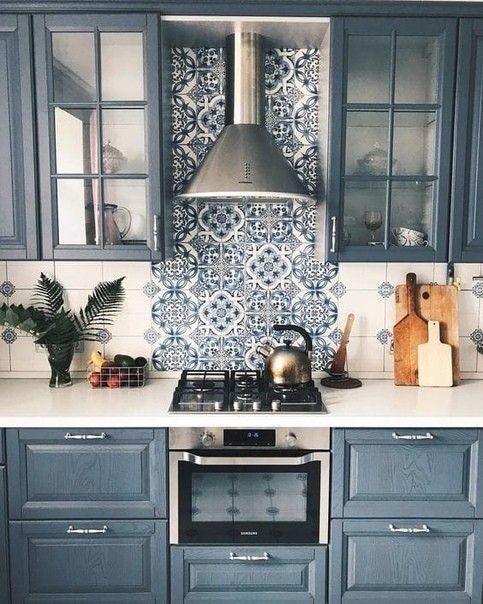
20 Moroccan Tiles Designs for Wall and Floor ​

moroccan tiles
fluted tiles- designer tiles

20 Moroccan Tiles Design for Wall and Floor

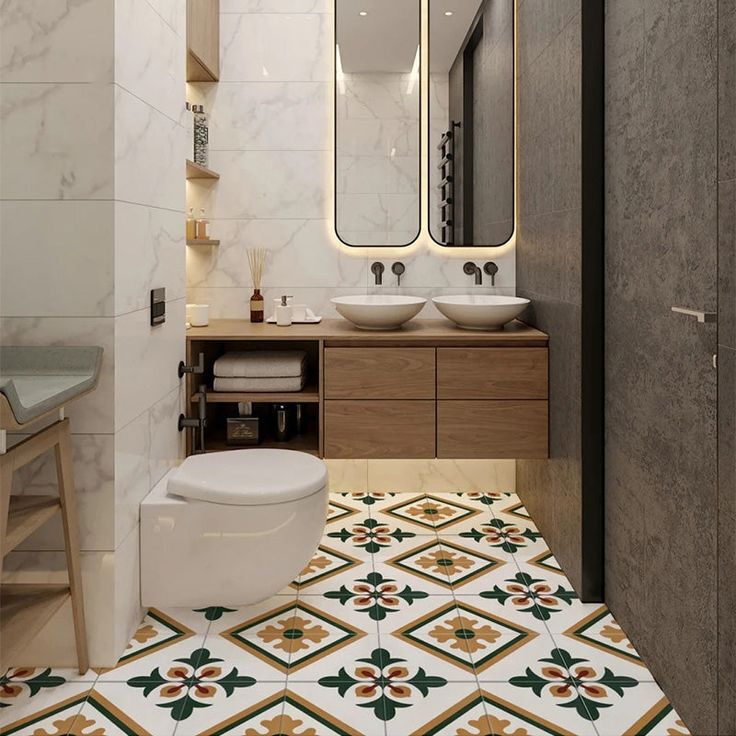
Moroccan tiles are a captivating choice for interior design, combining intricate patterns, vibrant colors, and a rich cultural heritage. These tiles, with their distinctive designs, have the power to transform any space into a visual masterpiece. In this article, we will look at Moroccan tiles in terms of beauty and versatility by exploring their applications in different spaces, including bathrooms. We will also see more about blue Moroccan tiles, black and white Moroccan tile elegance, and the endless possibilities they offer.

Quick Form

Don’t Wait to Impress – Connect with Us for Stylish Moroccan Tiles

Have Questions? We Have Answers. Let’s Connect

Click Here

The Timeless Appeal of Moroccan Tiles

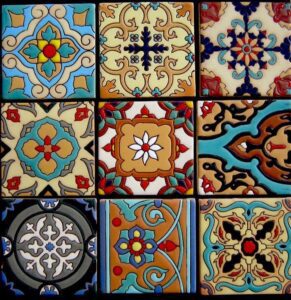
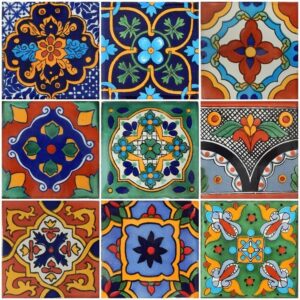
They are also known as zellige tiles, which are popular because they have unique shapes made by hand cutting and beautifully crafted patterns. They originate from Morocco, reflecting the country’s ancient history with its Arab, Berber, and Mediterranean amalgamation. For example, intricate geometric designs featuring flowers or arabesques can be seen in Moroccan tiles thus making them the time-honored choice to decorate interiors.

History and Craftsmanship

The Moroccan tile-making art goes back many centuries, with skilled artisans using traditional methods that have been passed down through generations. Every tile is handmade and therefore unique in its own right, showcasing the craftsmanship and genius of the manufacturer. This process entails the molding of clay by hand, the application of shiny colors on it and then kiln firing. The elaborate nature of this process ensures that each individual tile is a piece of art which has minor differences from others making it more authentically appealing.

Versatility in Design

Moreover, Moroccan tiles can be used for various purposes such as floorings, walls installations, backsplashes and decorative details. These versatile pieces fit both classic and contemporary homes thus being adaptable in their application. Bohemian; eclectic or modern style whatever you choose it would fit just well with your design scheme if you include some Moroccan tile motives in it.

Moroccan Tiles in the Bathroom

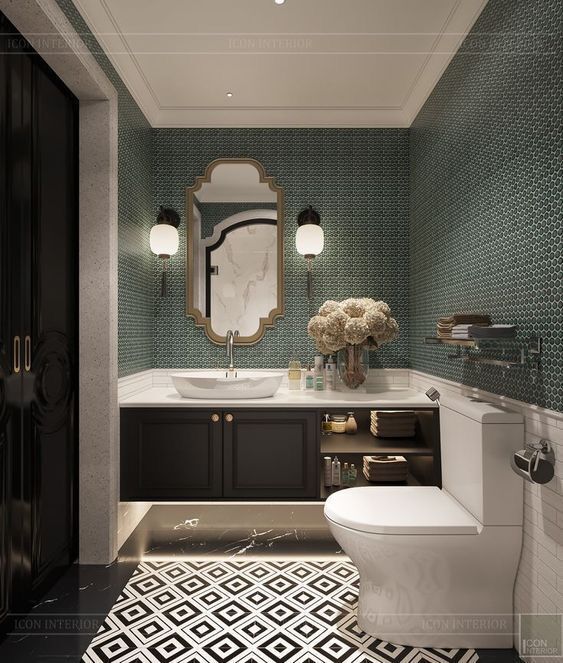
One of the most popular places to include Moroccan tiles is in bathrooms. They are ideal for wet areas because they are resistant to water, and last longer. Furthermore, one can turn an ordinary bathroom into a luxurious spa-like retreat due to their vibrant patterns and colors.

Creating a Focal Point

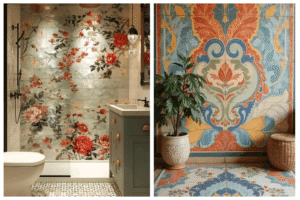
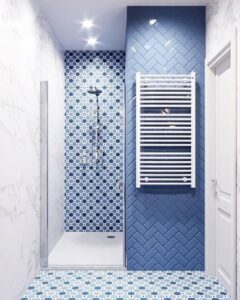
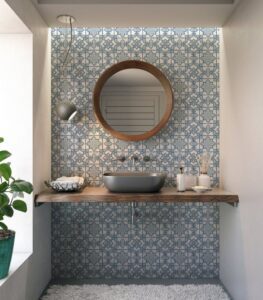
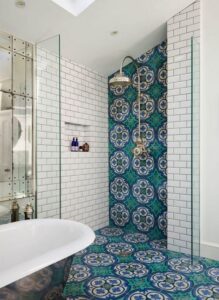
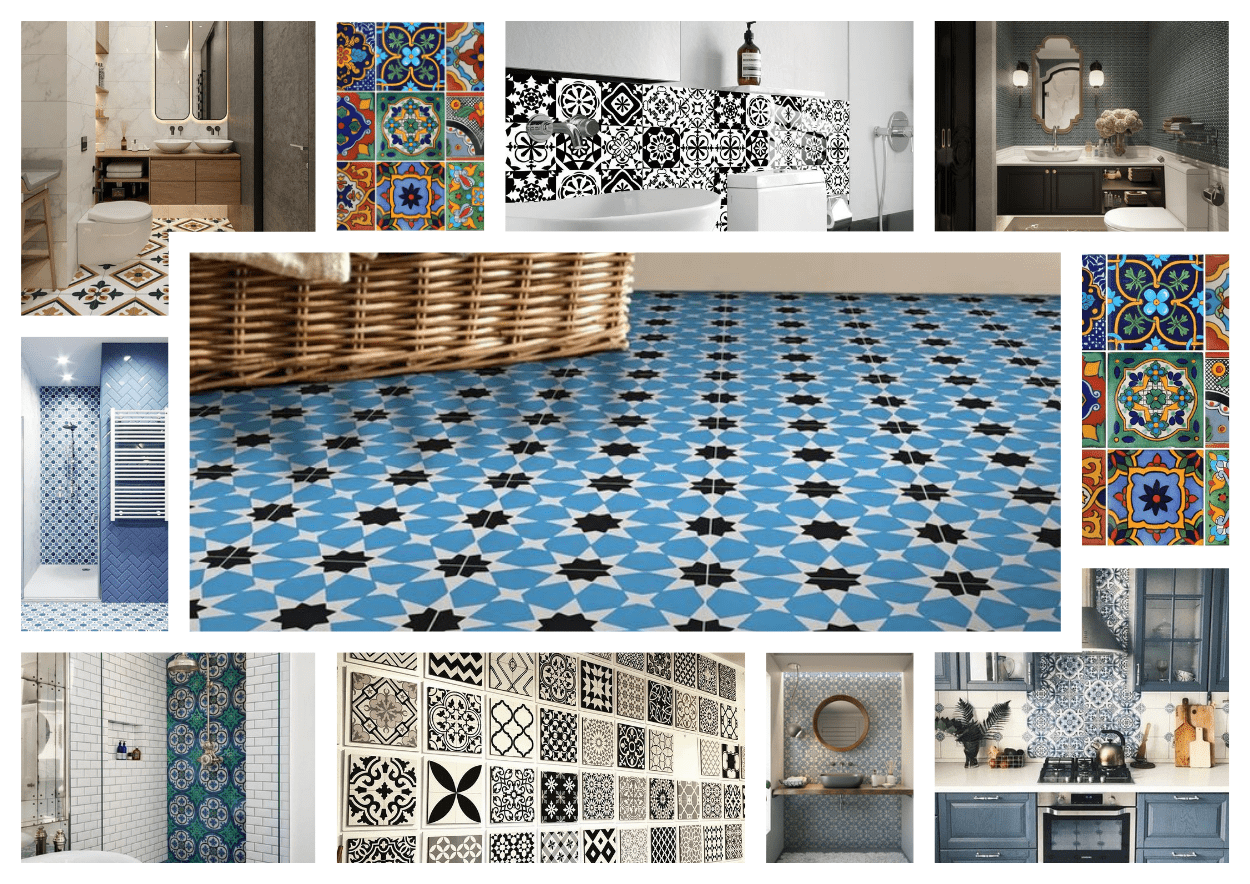
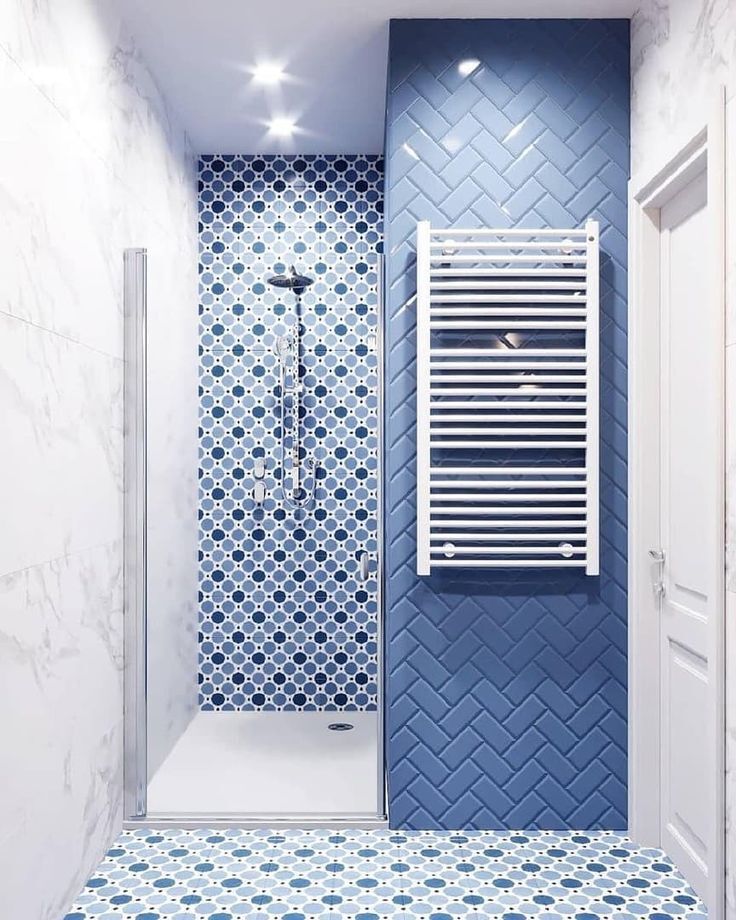
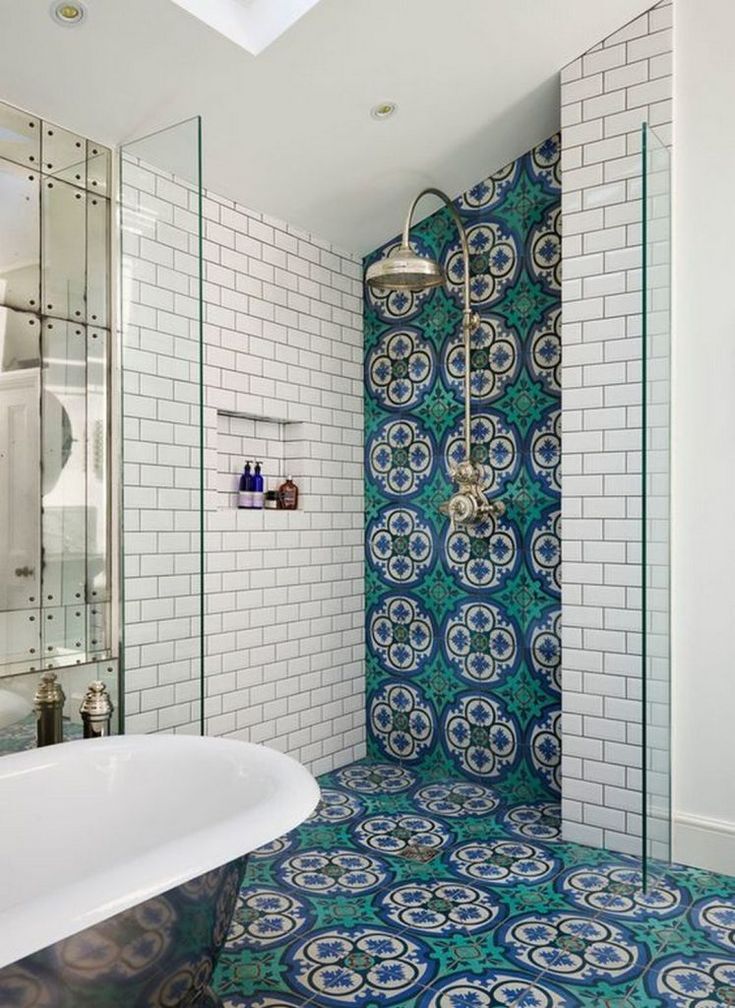
You can create stunning focal points when you use Moroccan tiles in your bathroom. You may choose to make a wall feature or a backsplash above your sink or bathtub filled with intricate Moroccan tile designs. It catches eyes instantly thus adding some elegance there in front of you as well as creating focal point(s). For instance, this kind of wall done in blue Moroccan tiles creates an atmosphere so calming that reminds everyone there about a Mediterranean seaside resort.

Floors and Shower Areas

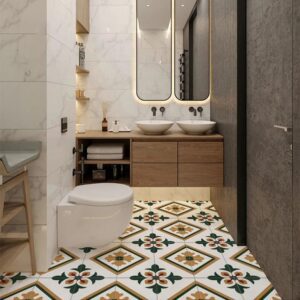
The Moroccan tiles have a good grip making them the best for bathroom floors and shower areas. For slippery surfaces, these tiles feature an uneven surface that provides a fashionable and safe solution. Make a statement with bold patterns or go for subtle designs to create a more modest look. When clad in black and white Moroccan tiles, your shower space will radiate sophistication and timeless charm.

Accent Borders and Niches

If you want something less obvious, you can incorporate Moroccan tiles as accent borders or inlaid niches. These minor details will add a taste of Morocco without being overwhelming. For example, painting a border of blue Moroccan tiles along the top of white tiled wall can provide an element of attraction and color.

Exploring Color: Blue Moroccan Tiles

Blue Moroccan tiles are sought after for their calming effects and peacefullness. The colour blue is often associated with the sea and sky, creating tranquility and restfulness. To make your private sanctuary, use blue Moroccan tiles in your design.

Shades of Blue

There are different shades available for blue Moroccan tiles ranging from deep navy to light aqua colours. Each hue creates specific ambiance or mood for the room. Darker blue ones bring out depth and drama while lighter ones create freshness and airiness effect on rooms. Combining them together can result into this stunning visual contrast that makes them even more attractive than ever before

Pairing with Other Colors

Different colors can be mixed with blue Moroccan tiles to achieve various effects. Combine blue tiles with cream or white for a timeless and traditional look. This combination creates a clean and crisp aesthetic, perfect for bathrooms and kitchens. On the other hand, for a more daring touch pair blue tiles with strong color contrast such as yellow or orange that will give the room vibrancy.

The Elegance of Black and White Moroccan Tiles

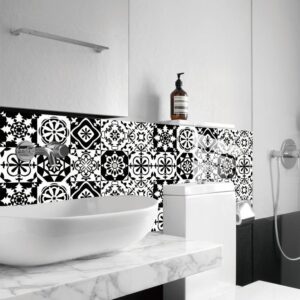
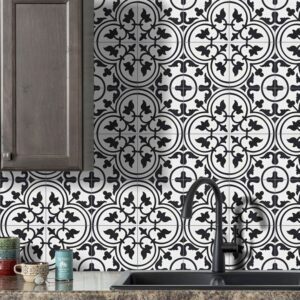
When it comes to tiling options, black and white Moroccan tiles are always a sophisticated choice that adds timeless elegance to any space. By using monochromatic palette, these complex patterns become more prominent thus creating an eye catching visual.

Classic and Timeless

In choosing bathroom tiles there is no better option than black and white Moroccan designs since they bring in timeless beauty into the house. The use of a monochrome color scheme directs focus towards intricate patterns thereby making them even more striking visually.

Creating Contrast

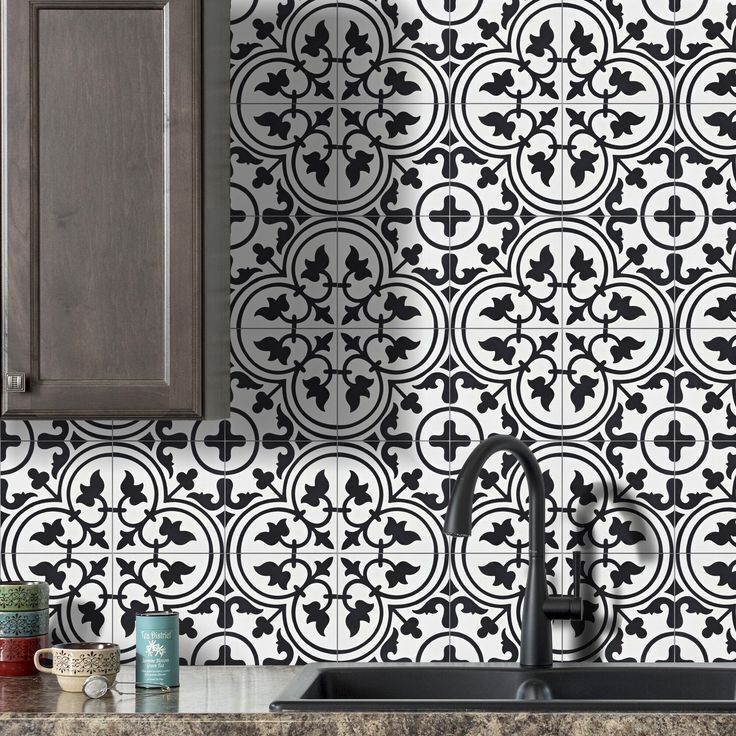
Moroccan Tiles are used with contrasting colors to create variation within spaces Black and white tile backsplash in a kitchen with white cabinetry is one example of how black and white Moroccan tiles can be effectively used to create focal points within spaces. Moreover, another case in point could be; bath room filled with black-and-white Moroccan tile which has emanated enduringly chicness.

Versatility in Design

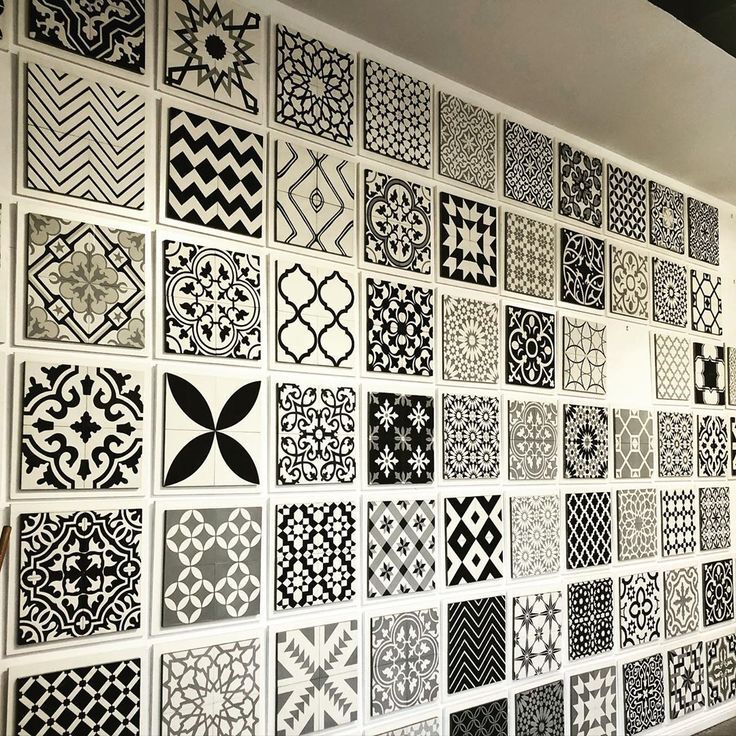
Black and white Moroccan tiles, while they have a monochromatic range of colors, can be used in many different ways. You can transform your space into a minimalist or an opulent one with these tiles; from floral motives to geometric patterns. This makes them perfect for any interior design style.

Moroccan Tiles Design: Endless Possibilities

With limitless possibilities for design, Moroccan tiles are incredible. They can be used to create unique bespoke spaces since they are versatile and come in various patterns and colors. These tiles will help you achieve your design goals whether you want it bold or subtle.

Mixing and Matching

One exciting thing about Moroccan tiles is that you can mix and match different patterns and colors. In this way, it is possible to get the look that totally reflects your personality. For example, you may combine various tile designs to make a patchwork effect or use diverse color combination for adding brightness to the interior.

Custom Designs

Custom designed Moroccan tiles also provide the chance for something truly original. There are plenty of artists who offer made-to-order options so that you can get exactly what you’re looking for in terms of patterned ceramics. Customized ceramic murals, decorative edges or individualized motifs may all be achieved through custom made pieces like these ones above.

Incorporating into Various Spaces

Although Moroccan bathroom tiles are commonly used, these versatile ones can be adopted in several other spaces also. In the kitchen backsplash, entryway floor and as a decorative accent even on living areas you should think of introducing Moroccan tiles. This flexibility allows for the addition of a touch of Morocco to any part of your house.

Practical Considerations

Practical considerations must be taken into account when using these Moroccan tiles in design.

Durability and Maintenance

Moroccan tiles have earned reputation for being durable and water and stain resistant. Nevertheless, they should be sealed properly against moistures and dirt. Regular cleaning with mild soap and water will help maintain their beauty and longevity.

Professional Installation

Due to their intricate patterns and unique shapes, it is advisable that professional installation is done on Moroccan tiles. Skilled installers will ensure that the right alignment is done on the tiles whereas the patterns are matched correctly hence leading to a polished and professional finish.

Budget Considerations

The cost of Moroccan tiles can sometimes exceed that of ordinary ones but their attractiveness plus hardiness make them an investment worth considering. Whenever there’s a budget concern consider using them in small areas or as accent pieces only because at least this way you benefit from the charm that comes with Moroccan tile without going bankrupt.

Conclusion

Moroccan tiles offer an uncommon combination of art, culture, and usefulness. The rich colors, intricate designs and flexible patterns make them eternal in choice for enhancing any space. Moroccan tiles can give your home character, charm and sophistication regardless of whether you are remodelling with blue Moroccan tiles in the bathroom or want to try endless design options such as black and white Moroccan tiles to achieve a sophisticated look.

You can incorporate Moroccan designer tiles into your design projects by understanding their history and craftsmanship, exploring their different uses, and considering factors like durability and maintenance. Make spaces that are beautiful to look at but also very unique by embracing the beauty and versatility of Moroccan tiles.

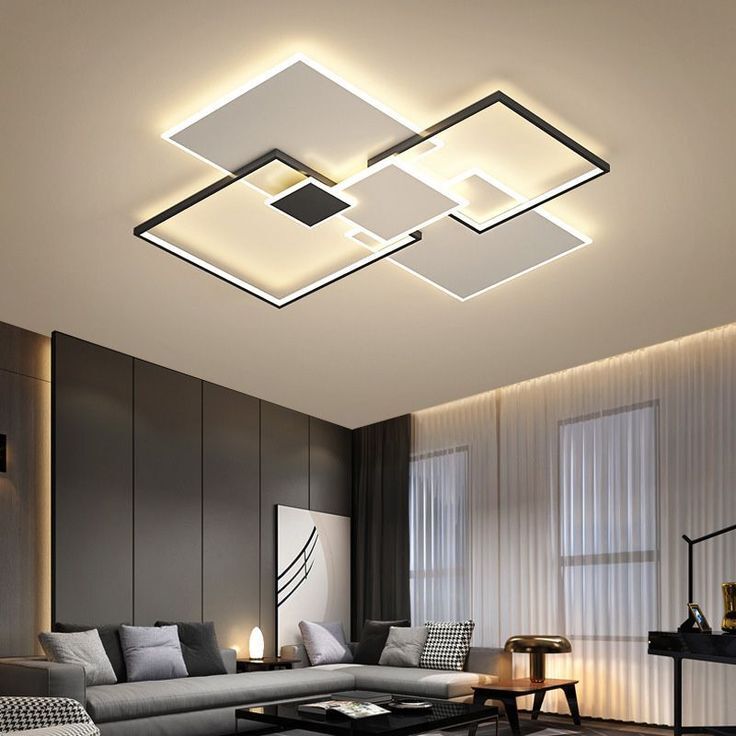
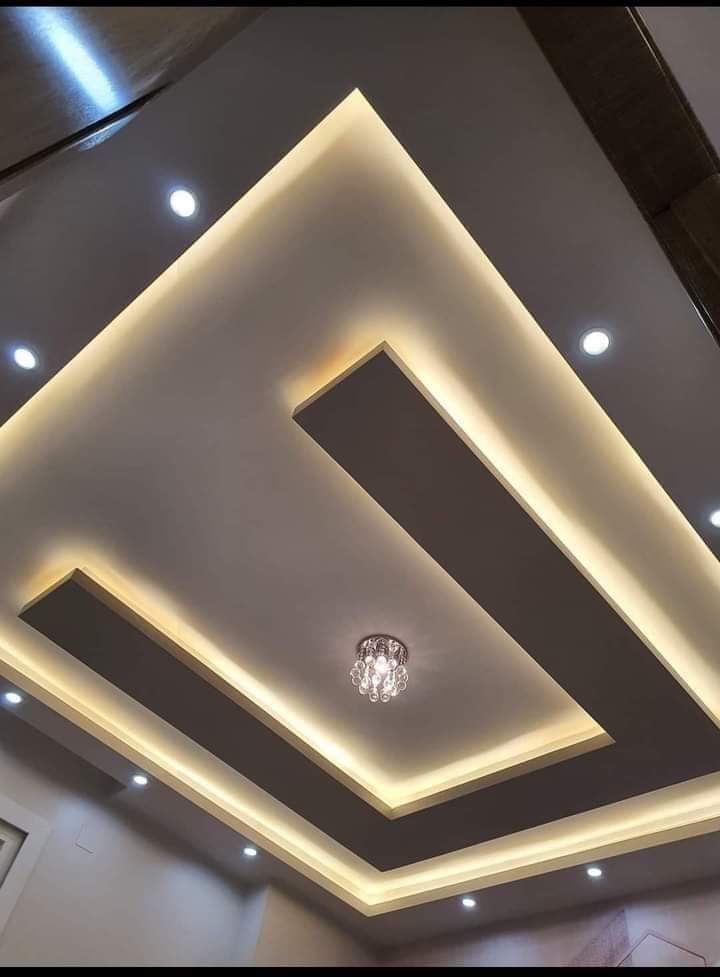
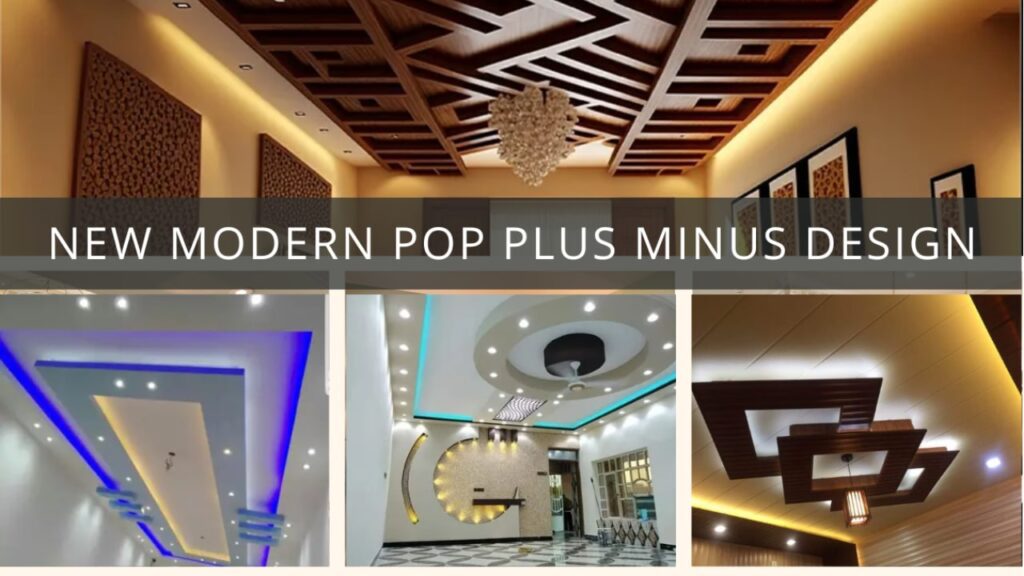
Attractive New Modern POP Plus Minus Design in 2025

new modern pop plus minus design 2024
new modern POP plus minus design

Attractive New Modern POP Plus Minus Design in 2025

Introduction

Many trends come and go, but some have a lasting impact in the highly dynamic world of interior design. A major trend that has been gaining ground is the new modern POP plus minus design. This innovative ceiling approach merges contemporary aesthetic with functionality to produce visually appealing as well as durable ceilings which can transform any space. This article discusses the genesis, advantages, and uses of the new modern POP plus minus design to understand why it is a must-have for today’s fans of contemporary interiors.

Don’t Wait to Impress – Connect with Us for Stylish Designer Tiles

Have Questions? We Have Answers. Let’s Connect

Click Here

Understanding POP Plus Minus Design

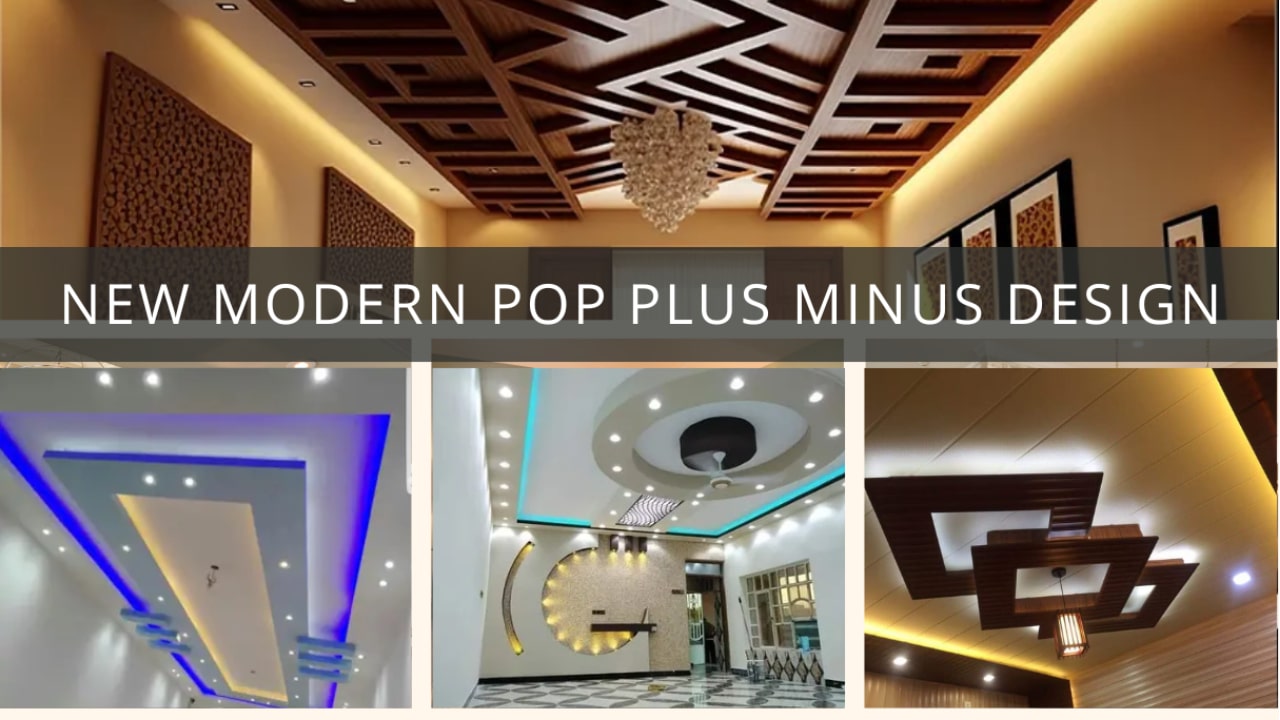
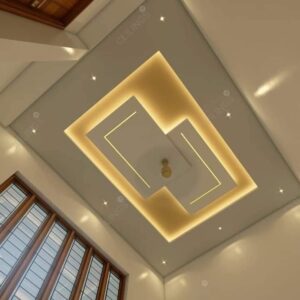
POP (Plaster of Paris) has always been a preferred material in the building and interior decoration industries primarily because of its flexibility, ease of application, and excellent finishing. The principle behind this concept called plus minus design is all about making recessed (minus) or protruding (plus) elements on a ceiling providing an active multi-layered ceiling look.

Historical Context

POP (Plaster of Paris) has always been a preferred material in the building and interior decoration industries primarily because of its flexibility, ease of application, and excellent finishing. The principle behind this concept called new modern POP plus minus design is all about making recessed (minus) or protruding (plus) elements on a ceiling providing an active multi-layered ceiling look.

Evolution into Modern Design

The shift of POP plus minus design to a modern context underpins the use of clean lines, geometric patterns, and minimalist aesthetics. Here are some key characteristics for the new modern POP plus minus design 2024;

  1. Geometric Patterns: These accentuate ceilings with contemporary feel by bringing in sharp lines and sleek forms.
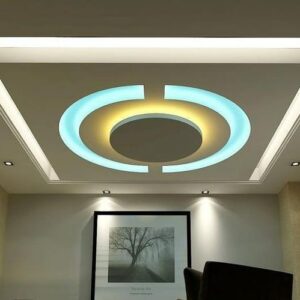
  2. Layered Lighting: By using both recessed and protruding elements that blend various lighting options thereby enhancing any given room’s atmosphere.
  3. Color Play: Different hues and textures when mixed together have a visually appealing impact.
  4. Sustainable Materials: In accordance with present day sustainable practices, it emphasizes on environmentally friendly materials and techniques.

Benefits of New Modern POP Plus Minus Design

Aesthetic Appeal

The primary advantage of the new modern POP plus minus design is its aesthetic appeal. Ceilings become focal points once they are transformed into layers by adding pluses or minuses to them that give them depth and dimensionality which cannot be compared to any other aspect in a room. This kind of outlook can globally uplift spaces such as a residential living room or corporate office.

Customizability

One of the most significant benefits of this design approach is its customizability. The designer or the owner has opportunity to change patterns, shapes, and lighting depending on his/her taste preference. This newly designed model makes it usable for almost every purpose

Improved Lighting

Another important advantage is that the ceiling design involves the integration of lighting. The soft glow that is created by concealed lights in recessed areas can be diffused, while accent lights can be set on the prominent parts to highlight particular locations. This layering of light enhances the mood of a room and it can be adapted to serve different functions and moods.

Enhanced Acoustics

The new modern POP plus minus design has acoustic qualities aside from aesthetics and lighting considerations. Reflections of sound waves are broken up into differentiated depths and surfaces which reduces echo and improves overall acoustics within this space. This feature is especially useful for home theaters, conference rooms, and open plan living areas.

Applications of New Modern POP Plus Minus Design in 2024

Residential Spaces

  1. Living Rooms: In residential spaces, living room plays an important role as it becomes a focus when designing interiors. When it comes to this new modern POP plus minus design, ceiling immediately stands out as a central feature because it creates dramatic effect in the room. The combination of recessed along with accent lighting provides for a cozy feeling thus improving its ambiance.
  2. Bedrooms: For bedrooms this design helps create tranquility and calmness around them. Soft recessed lights provide easy going atmosphere while intricate patterns add some touch of classiness when used. What’s more, better acoustics in such places guarantee peaceful sleep at nightfall.
  3. Kitchens and Dining Areas: In kitchens and dining areas, the new modern POP plus minus design can be used to delineate different zones, such as cooking and dining spaces. The integration of task lighting in the recessed areas can provide practical illumination for cooking, while ambient lighting can create a warm and inviting dining area.

Commercial Spaces

  1. Offices: The use of modern POP plus minus design may help create professional and contemporary appearance especially in commercial settings. Open plan offices have improved acoustics which lowers noise levels hence more productive working environment.
  2. Retail Stores: An attractive ceiling design is beneficial for retail stores as it enhances overall shopping experience. Layered lighting draws customers’ attention to specific products or areas thereby creating an enjoyable shopping environment.
  3. Restaurants and Cafés: Ambience is everything in the hospitality industry. The restaurants’ atmosphere built with new modern pop plus minus style encourages clients to stay longer for their meals in restaurants or cafes.

Public Spaces

  1. Hotels: Lobbies, corridors, guest rooms could be designed using this style to come up with a luxurious feel that is also consistent throughout the hotel. The patterns are customizable and can reflect the brand as well as aesthetic of a hotel through color choices too.
  2. Airports and Train Stations: In public areas like airports or train stations, the new modern POP plus minus design can provide a better overall look, making it more attractive to tourists. Also, improved acoustics may minimize noise pollution creating more comfortable atmosphere.

Key Trends in New Modern POP Plus Minus Design 2024

Integration of Smart Technology

In 2024, smart technology integration is among the major trends with which the new modern POP plus minus design is associated. More individuals are currently warming up to smart lighting systems that can be controlled through mobile phone applications or voice assistants. This will help them to customize their brightness levels as well as colors thus improving on its functionality.

Sustainable Practices

Sustainability has been a key driver for contemporary designs in architecture. The new modern POP plus minus design uses environmentally friendly materials and practices such as recycled or sustainable materials and energy efficient lighting solutions. This approach does not only reduce environmental impact but also appeals to environment-conscious consumers.

Bold Colors and Textures

Conversely, while conventional forms of POP designs often use non-fussy colours, come 2024, startling colours and surfaces form part of the new modern POP plus minus design style. Deep blues, greens and metallic elements are some of the vivid hues used for this purpose.

Biophilic Design Elements

Biophilic design is an additional trend of the new modern POP plus minus design that brings outdoor elements into interior designs. This can include nature-inspired patterns like leaf or wave motifs, as well as the choice of natural materials like wood and stone. These components help create a peaceful and balanced environment that promotes health.

Implementation and Maintenance

Professional Installation

To achieve the desired outcome in terms of aesthetics, professional implementation is vital for the new modern POP plus minus design. Therefore, precise execution of patterns, ceiling lighting integration, structural integrity are all critical aspects requiring skilled craftsmen and designers. By consulting experienced professionals, one gets to avoid typical blunders associated with these products hence maintaining high standards.

Maintenance Tips

Regular cleaning and maintenance are needed to retain the beauty and functionality of new modern POP plus minus design ceilings. Here are some tips for taking care of them:

  1. Regular Cleaning: Utilize a soft cloth or feather duster to remove dust and refuse from the topmost part of the built-up area. So doing helps in maintaining clean and smooth look of POP surface.
  2. Use Mild Solutions for Cleaning: Carry out deep cleaning with slight cleaning solutions using soft sponges. It is recommended that you do not use harsh cleansers, abrasives or strong chemicals because they can spoil the finish of tiles.
  3. Inspect the lighting: Perform regular checks on ceiling recessed lights and other fixtures to ensure that all bulbs are functioning properly; replace any burnt-out bulbs; make sure electrical connections are secure and functional.
  4. Watch Out For Cracks: As time goes by, there may be slight cracks seen in POP material due to natural settling of building materials. Examine ceiling surfaces regularly and address any cracks as soon as they appear in order to avoid further damage. Small cracks can be filled up using suitable filler material and then painted over with color matching existing design.
  5. Avoid Moisture: Keep away excessive moisture from reaching ceiling because this might weaken POP material leading to destructions. Mark areas prone to wetness like kitchens or bathrooms may need water proof paints or coats over the ceiling area so as maintain it in its good condition.

Case Studies: Successful Implementations

Residential Case Study: Modern Minimalist Home

New modern POP plus minus design was used to give a sleek sophisticated look to this minimalist home. The designers chose monochromatic colors in different shades of white and gray to create an illusionary depth on the ceiling. Recessed lighting was put strategically so as to emphasize architectural features within the room,

Commercial Case Study: Office Space

To create a dynamic and engaging work environment, one of the leading tech companies implemented the new modern POP plus minus design in their office space. This design had bold geometric patterns that are vibrantly colored hence reflecting the innovative spirit of the company. The integrated lighting system enabled customization allowing employees to adjust lighting according to their preference or type of task they were performing. A quieter and more focused work atmosphere due to improved acoustics by layered ceiling design was made possible. Through this project, it was showcased that functional aspects and beauty can both be enhanced in a commercial area using new modern POP plus minus designs.

Public Space Case Study: Hotel Lobby

They wanted to create a memorable first impression for guests thus; a luxurious hotel incorporated the new modern POP plus minus design at its lobby. The design involved intricate patterns influenced by local culture with details being highlighted through recessed and accent lighting combinations. By using natural materials such as wood and stone among others, warmth and sense of place were added on this space. There were better acoustics as well which ensured an inviting and tranquil atmosphere enhancing overall guest experience. In this manner, this project showed how the new modern POP plus minus design could take on site specific characteristics within public spaces while still identifying them as such in themselves.

Conclusion

Interior design is revolutionized by the new modern POP plus minus design that has a perfect mix of aesthetic appeal, functionality and customizability in 2024. Pop plus minus is able to fit in residential, commercial and public spaces hence its versatility and transformative potential can be said to apply across all these contexts. The latest trends in interior design are being set by this futuristic style through integration of smart technology, embracing sustainability and experimenting with bold colors and textures.

The new modern POP plus minus design offers limitless opportunities whether you want to make a statement with your living room or improve your office’s productivity or even simply give an air of sophistication to some public area. If well installed and maintained, any space can be given an absolute makeover with this pioneering ceiling design turning it into a centre piece reflecting contemporary designing principles while enhancing overall user experience.

In the year 2024 advances continue to be made on the new modern POP plus minus design as it pushes the boundaries of creativity and innovation in interior design. Its timeless appeal combined with its adaptability means that it will still remain relevant for many years making it a useful tool for architects/designers as well as home owners creating beautiful, functional, sustainable rooms.

Latest Tiles Designs

Latest Tile Designs: Trends and Inspirations for Modern Spaces

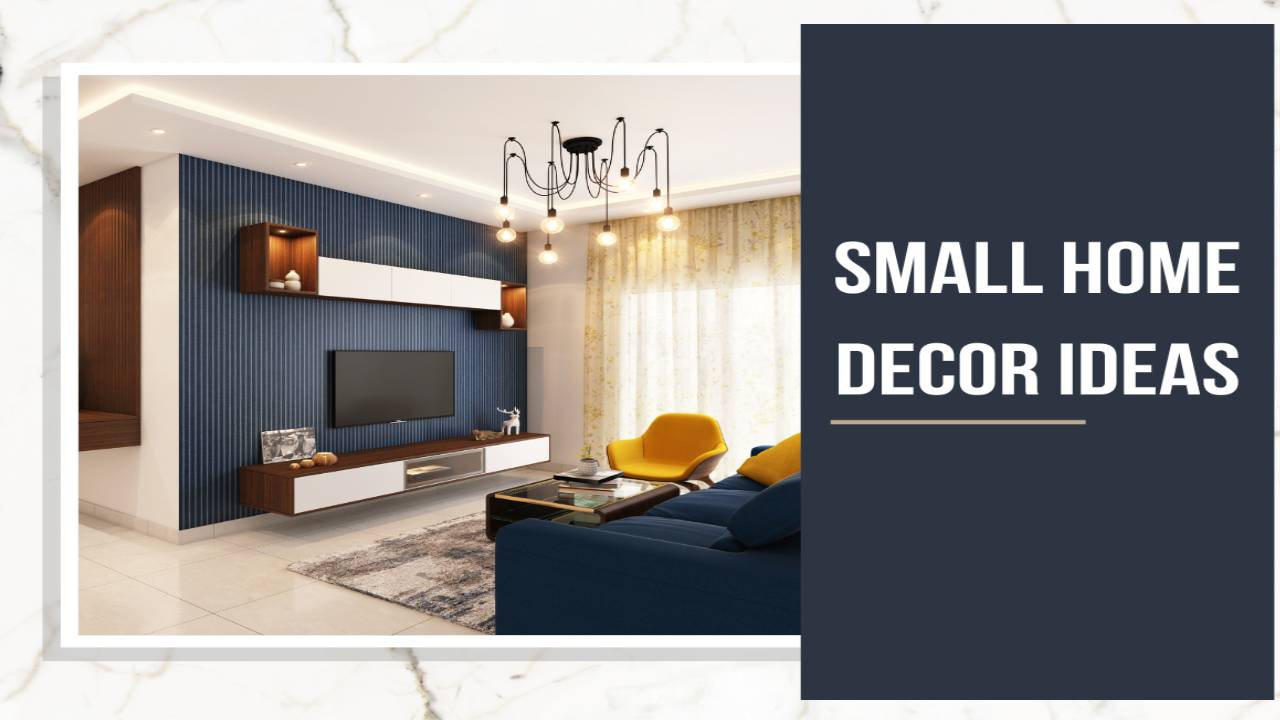
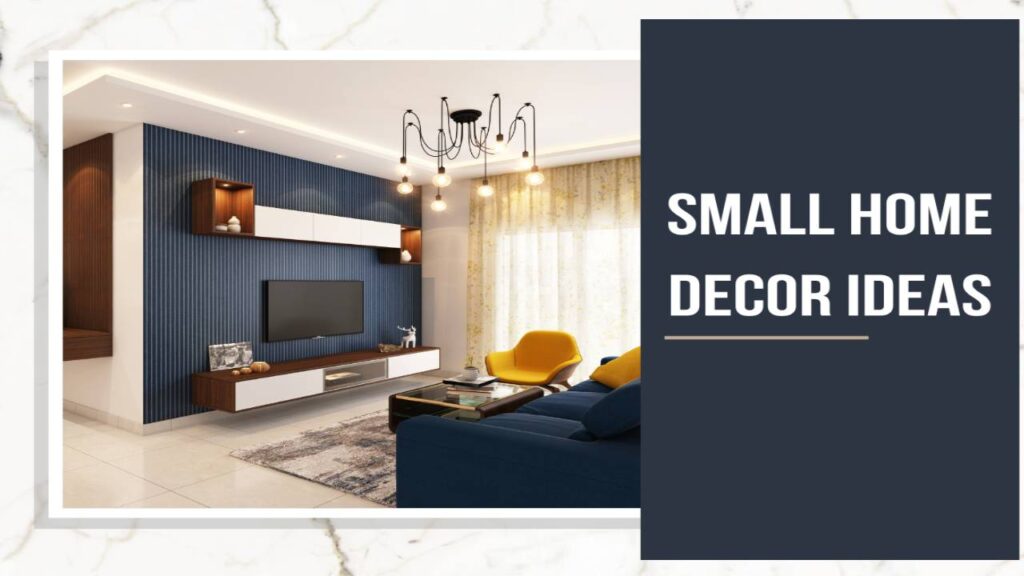
10 Best Small Home Home Decor Ideas: Transform Your Space

Small Home Home Decor Ideas

Small Home Home Decor Ideas: Transform Your Space

A small abode does not automatically mean compromising on style or comfort. This can be done by following a well-planned design approach that will enable you to maximize the limited space in your home while creating a beautiful functional environment for you and your family. Regardless of whether you want to give a facelift to, say, your boudoir, sitting area, cooking room or balcony; there are many ways you can find inspiration for small home decor ideas to help stretch the usable space and show off your taste. This brief looks at various decor ideas that apply to different parts of your tiny house like bedrooms.

Living Room Small Home Home Decor Ideas

Multi-Functional Furniture

Multifunctional furniture is essential in a small living room. Examples include sleeper sofas, storage ottomans and coffee tables which can also be used as workstations. These pieces will save on space whilst still providing the utility required.

Vertical Storage Solutions

When it comes to limited floor space think verticality. Outfit shelves or cabinets that go all the way up towards the ceiling to maximize on storage. The upper shelves should store items rarely used while the lower ones should keep everyday essentials within easy reach. Also wall mounted shelves can be employed for display of ornamental materials without using any floor area below them.

Light Colors and Mirrors

A small room can look bigger and more spacious through the use of light colors. Use a neutral color palette with white, beige or light grey shades on walls as well as larger furniture items. Additionally, adding mirrors to your interior design will make your room appear brighter by reflecting light and creating an illusion of more space.

Declutter and Organize

It is important to keep your living room tidy in case you live in a small house. Regularly remove unnecessary things from it and find the right place for what must be there. Storage boxes that are trendy, baskets as well as bins will help you stay organized and keep the space clean.

Accent Pieces

Add personality even in a small living room with accent pieces. Add an artistic piece like colorful throw pillows and statement rug which compliments your tastes. Just be cautious not to overdo this since too many decorative items tend to congest the space.

fluted tiles- designer tiles

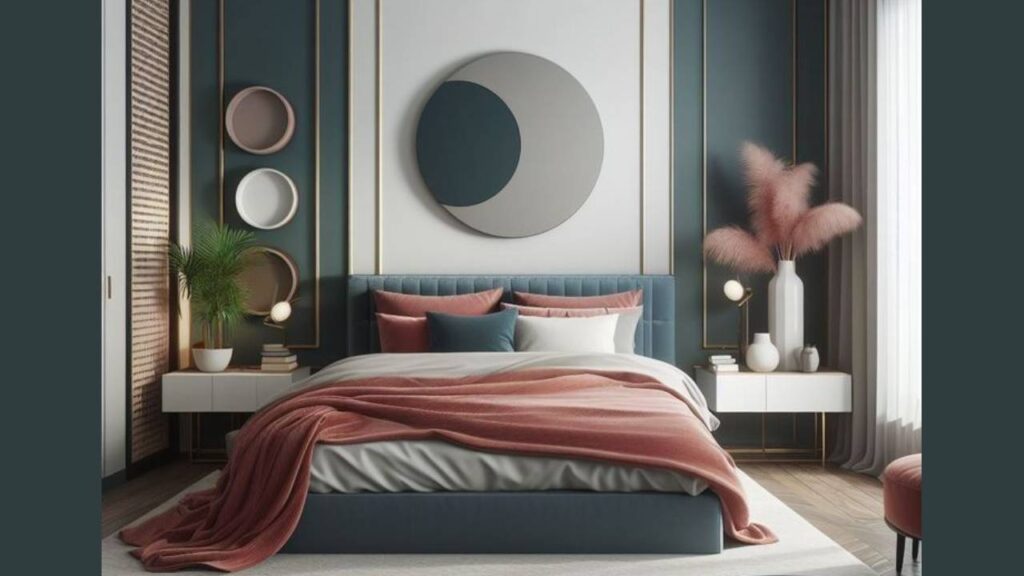
Bedroom Small Home Home Decor Ideas

Maximize Under-Bed Storage

In any small bedroom, the area beneath a bed is prime real estate. Buy beds with built-in drawers or use storage bins for seasonal clothing, extra linens, or other items that should not be seen but easily accessed.

Wall-Mounted Lighting

Underneath every single little bedroom, the bed space is a premium one. Integrate your purchases for beds that have drawers or use seasonal storage bins that store easily accessible and out of sight.

Foldable and Convertible Furniture

Foldable and convertible furniture can change everything about a small room. A foldable desk or pull down wall bed is what you will need to create an extra room when required in such situations. Typically, this kind of furniture is helpful in multipurpose rooms or studio apartments.

Built-In Storage Solutions

You could make a small bedroom into something much more functional by having custom built-in storage. Make sure to install wardrobe cupboards that are integrated with shelves as well as bedside tables where necessary for maximum usage of the space available at hand. Such built-ins can be customized to suit your specific requirements and help you maintain orderliness without any clutter in your bedroom.

Mirrors and Light Colors

In the same way as living rooms, mirrors and light colors can help make small bedrooms appear larger. The large mirror on one wall or mirrored wardrobe doors reflect light creating an illusion of spaciousness. Light walls and bedding also add to the sense of openness and airiness in the room.

Kitchen Small Home Decor Ideas

Kitchen Small Home Decor Ideas

Open Shelving

Open shelving is a practical yet chic solution for tiny kitchens. It makes things readily available that are frequently used while at once giving it an open feel at times.

Compact Appliances

Tiny kitchens can be made practical and fashionable by open shelving. It keeps the items that are often used close to hand while giving it an open look sometimes too.

Multi-Functional Furniture

Like in any other room, multi-purpose furniture is very useful in a kitchen. For example, think of a kitchen island that can also serve as a dining table or a cart with extra counter space that can be moved around when not in use.

Vertical Storage

Wall-mounted storage solutions for your kitchen should take advantage of its vertical space. You may opt to use magnetic strips for knives, pegboards for utensils and wall mounted racks for pots and pans so that you can have more free space on the counter and everything within reach.

Bright and Light Colors

Wall-mounted storage solutions for your kitchen should take advantage of its vertical space. You may opt to use magnetic strips for knives, pegboards for utensils and wall mounted racks for pots and pans so that you can have more free space on the counter and everything within reach.

Bathroom Small Home Decor Ideas

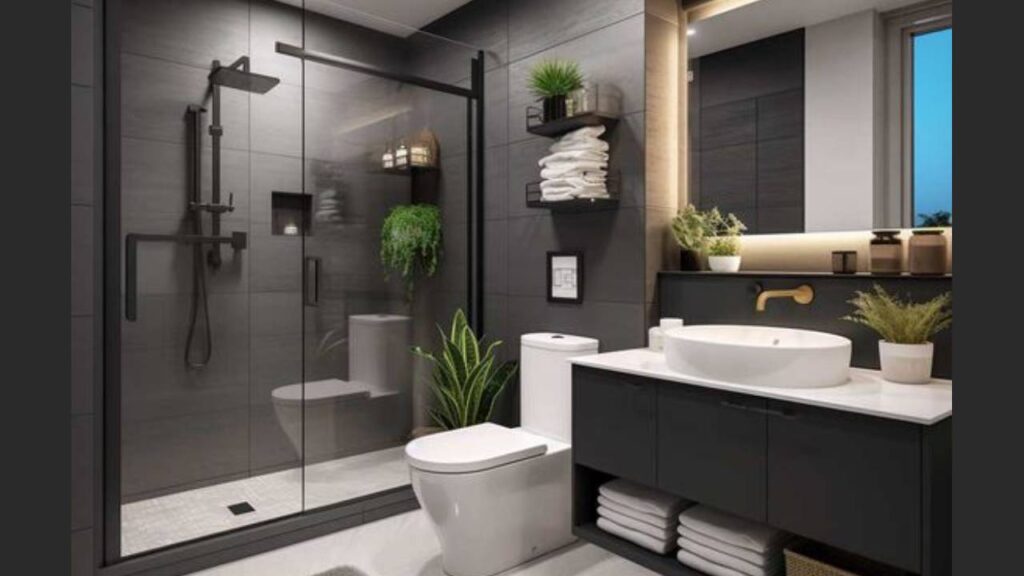
Bathroom Small Home Home Decor Ideas

Space-Saving Fixtures

To give an impression of larger and more inviting space, brightening colors are such as orange or yellow which add light to small kitchens. Use lightly colored cabinets, countertops and back splashes to create a feeling of openness and airiness. Accessories including dish towels, rugs or small appliances will infuse life into the room without overpowering it with color.

Floating Shelves

Sounding as if orange or yellow colors, which brightening small kitchens, makes them appear larger and more appealing. To make it look expansive and airy use light colored cabinets, worktops and back splashes. Dish towels, rugs or small appliances are examples of accessories that can breathe life into a room without overwhelming it with color.

Mirrored Cabinets

A mirrored cabinet above the sink has two functions: storing things and making the place look bigger. Also, this reflective surface can help to illuminate the room by bouncing light around.

Light Colors and Large Tiles

Larger bathroom illusions can be created by light colors and big tiles. When choosing tiles for walls and floor in a bathroom, go for light-colored ones to make it look spacious. Large tiles also mean fewer grout lines that create an appearance of less cluttered space.

Sliding Doors

Consider replacing traditional doors in your bathroom with sliding or pocket doors. By doing this you can have extra room which gives your lavatory accessibility.

Balcony Small Home Decor Ideas

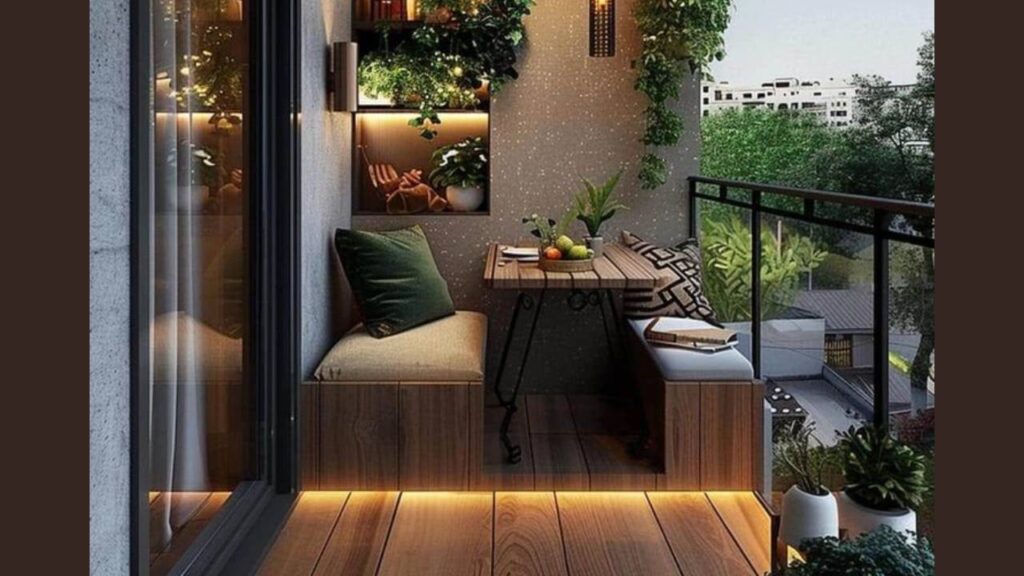
Balcony Small Home Home Decor Ideas

Compact Furniture

Compact furniture is essential in a small balcony. Look for foldable chairs and tables that can be easily stored when not in use. Bistro sets and stacking chairs are also good options for maximizing space.

Vertical Gardening

Sounding as if orange or yellow colors, which brightening small kitchens, makes them appear larger and more appealing. To make it look expansive and airy use light colored cabinets, worktops and back splashes. Dish towels, rugs or small appliances are examples of accessories that can breathe life into a room without overwhelming it with color.

Multi-Functional Furniture

A mirrored cabinet above the sink has two functions: storing things and making the place look bigger. Also, this reflective surface can help to illuminate the room by bouncing light around.

Lighting

Larger bathroom illusions can be created by light colors and big tiles. When choosing tiles for walls and floor in a bathroom, go for light-colored ones to make it look spacious. Large tiles also mean fewer grout lines that create an appearance of less cluttered space.

Outdoor Rugs and Cushions

Consider replacing traditional doors in your bathroom with sliding or pocket doors. By doing this you can have extra room which gives your lavatory accessibility.

General Small Home Decor Tips

Declutter Regularly

Compact furniture is essential in a small balcony. Look for foldable chairs and tables that can be easily stored when not in use. Bistro sets and stacking chairs are also good options for maximizing space.

Opt for Light Colors

Light colors are capable of making a confined home seem much more open. For instance, go for a neutral color scheme on your walls and bigger pieces of furniture, then use vibrant complements like accessories and other decors to enliven the room.

Maximize Natural Light

Getting more natural light can make a small home seem larger and inviting. Dress your windows with light materials and ensure your house contains mirrors to reflect light in order to create visual perception that it has expanded.

Use Multi-Functional Furniture

When living in a small house, multifunctional furniture is important. These should be items that can serve different purposes like an ottoman with storage, sofa bed or coffee table that is also used as a sitting table

Personalize Your Space

Even if you have a small home, add personal touches that reveal yourself through style. Exhibit favourite art works; hang family photos around the place as well as anything else decorative so as to personalize your space.

Conclusion

Just because you live in a small apartment doesn’t mean you can’t have both style and functionality. By including these small house home decor ideas you will be able to achieve an attractive comfortable and efficient living area their focus being on bedroom, living room ,kitchen bathroom or balcony all depending on how well one might maximize the available space while expressing their own manner. With careful forethought and imaginative design

density of aggregate in kg m3: Key Information and Standards

Density of Aggregate in kg/m3
Future Stiles

About Future Stiles

Future Stiles is a relatively new player in the tile industry, but it has quickly gained recognition for its innovative and modern designs. The brand focuses on merging cutting-edge technology with artistic craftsmanship to create unique and visually appealing tiles.

Latest Post

Density of Aggregate in kg/m3

Density of Aggregate in kg/m3: Key Information and Standards

Construction and civil engineering are directly affected by the density of aggregate. If the concrete is to possess enough strength, durability and stability, proper density is essential. In this comprehensive article, we will delve into the density of aggregate in kg/m³, explore its significance, and discuss the standards set by the Indian Standard (IS) code. Moreover, we will look at bulk density concept in relation to aggregate in kg/m³ and different uses of it.

What is the Density of Aggregate?

The mass per unit volume is called as density of aggregate. It’s an important characteristic that influences the overall performance of concrete and other construction materials. The standard unit of measurement for determining the density of aggregate is kilograms per cubic meter (kg/m³).

Importance of Density in Construction

Structural Integrity: The compressive strength and stability of concrete structures depend on its texture due to their volumetric properties as well as other factors which lean towards higher values described as strong; thus increasing reliability.

Workability: Density controls how easily or difficult it is for aggregates mixed with cement powder to be moved around while still maintaining a good balance for ease in compaction process.

Durability: This ensures that your mixture lasts long under various harsh conditions such as rolling abrasion or intense weathering since they enhance its service life.

Economy: Understanding what counts about aggregate’s heaviness can helps the

Density of Aggregate in kg/m³

The density of aggregate varies with its type and composition. Commonly used aggregates in construction include coarse aggregates (gravel or crushed stone) and fine aggregates (sand).

Coarse Aggregates

Coarse aggregates are said to have a higher density compared to fine aggregates. Density of coarse aggregates varies generally from 1500 to 1700 kg/m³. This range may be different depending on the rock type, degree of compaction, or if there are voids present within the aggregate.

Fine Aggregates

Fine aggregates like natural sand or manufactured sand have slightly lower densities than coarse ones. The density of fine aggregates is usually in the range of 1400-1600 kg/m³.

Factors Affecting Aggregate Density

Several factors influence the density of aggregate, including:

1. Type of Rock: Different types of rocks vary in their density and so;
For example, granite as well as basalt has high denseness unlike limestone or sandstone.

2. Moisture Content: water content influences the apparent density of aggregate since
Wet aggregates will have more apparent density than dry ones.

3. Grading and Compaction: Proper grading and compaction help increase the voids in it, while also raising its density values. They give rise to well-graded denser materials because such which contain minimal voids contents.

Density of Aggregate in kg/m³ as per IS Code

The Indian Standard (IS) code provides guidelines for the density of aggregate to ensure consistency and quality in construction practices. The relevant IS code for aggregate density is IS 2386 (Part III) – 1963, “Methods of Test for Aggregates for Concrete – Part III: Specific Gravity, Density, Voids, Absorption, and Bulking.”

Specific Guidelines

According to IS 2386 (Part III) – 1963, the density of aggregate should be determined using specific methods to ensure accuracy. The following are key points from the IS code regarding aggregate density:

1. Apparent Density: The apparent density of coarse and fine aggregates is determined by measuring the volume of the aggregate using a water displacement method or pycnometer. The aggregate is dried to a constant weight, and its volume is measured using a graduated container filled with water.

2. Bulk Density: The bulk density of aggregate is determined by measuring the mass of the aggregate per unit volume, including the voids between particles. This is done by filling a container of known volume with aggregate and weighing it. The bulk density is calculated using the formula:

Bulk Density=Mass of Aggregate/Volume of Container

3. Compacted and Loose Bulk Density: The IS code specifies procedures for determining both compacted and loose bulk density. Compacted bulk density is measured by compacting the aggregate in a container using standard methods, while loose bulk density is measured without compaction.
fluted tiles- designer tiles

Bulk Density of Aggregate in kg/m³

The bulk density measures the quantity of aggregate per unit volume, inclusive of the interstitial spaces between particles. It is a crucial factor that affects concrete mix design and its performance.

Importance of Bulk Density

  1. Mix Design: Bulk density is a key determinant in finding out the proportions of aggregate, cement and water for a concrete mix. This determines the workability, strength and durability of concrete.
  2. Void Content: Bulk density helps to estimate void content in aggregates. Smaller void content indicates proper compaction and higher density.
  3. Packing Density: The overall performance of the concrete depends on bulk density which is related to packing density of the aggregate.

Determination of Bulk Density

To determine bulk density of aggregate follow these steps::

  1. Drying the Aggregate: The sample aggregate is dried in an oven until it attains its constant weight
  2. Filling the Container: One fills up a container with known volume using dried aggregates three layers, each layer being compacted by use of tamping rod or other suitable means.
  3. Weighing the Container: Weighting filled container gives mass of aggregate.
  4. Calculating Bulk Density; The formula below can be used to find out bulk density:

Bulk Density=Mass of Aggregate/Volume of Container

Typical Values of Bulk Density

The bulk density of aggregate varies based on its type and composition. Here are typical values for different types of aggregates:

  • Coarse Aggregates: The bulk density of coarse aggregates ranges from 1200 to 1600 kg/m³.
  • Fine Aggregates: The bulk density of fine aggregates ranges from 1400 to 1700 kg/m³.

Factors Affecting Bulk Density

  1. Aggregate Shape: The shape of aggregate particles affects the packing density and, consequently, the bulk density. Rounded particles tend to have higher bulk density compared to angular particles.
  2. Grading: Well-graded aggregates with a mix of different particle sizes have higher bulk density due to better packing.
  3. Moisture Content: Moisture in the aggregate can increase its apparent bulk density. Dry aggregates have lower bulk density compared to wet aggregates.
  4. Compaction: The level of compaction affects the bulk density. Properly compacted aggregates have higher bulk density compared to loosely filled aggregates.
Subway Tiles

Practical Applications of Aggregate Density

Knowing the density of aggregate in kg/m³ and bulk density of aggregate in kg/m³ is necessary for many practical purposes in construction and civil engineering.

Concrete Mix Design

The density and bulk density of aggregates are important factors when designing concrete mixes. These densities determine the proportions of aggregate, cement, and water used to achieve the desired strength, workability, and durability. The accurate knowledge of the aggregate densities helps to optimize mix design, reduce costs and obtain high quality concrete.

Quality Control

Quality control is essential in construction to ensure that the materials used meet the required standards. Testing the density of aggregate and bulk density helps in assessing the quality of aggregates used in construction. It ensures that the aggregates have the necessary properties to provide strength and durability to the concrete structures.
Pavement Design

In construction quality control is essential to ensure that used materials meet the required standards. Testing for Aggregate Density and Bulk Density help to assess the quality of aggregates used in construction. It ensures that these aggregates have necessary properties which will help provide Strength and Durability to Concrete Structures.

Structural Engineering

Density of aggregate is a critical parameter in pavement design. Aggregates used in road constructions must have a good density capable of withstanding loads and stresses from traffic. Adequate selection and testing for Aggregate Density assist Engineering Durable Long Lasting Pavements.

Environmental Considerations

The employment of aggregates having a suitable density can help in promoting sustainability in construction. When the mix design is optimized and waste generation is reduced, environmental impact of construction works will be minimized. Moreover, local sourcing of aggregates with the right density would reduce transport costs as well as emission.
Conclusion

Aggregate’s mass per unit volume (density) in kg/m³ and bulk density in kg/m³ are the key parameters in building construction and civil engineering. These attributes influence concrete and other building materials’ strength, durability and general performance. Knowing the specific gravity of aggregate as specified by Indian standard (IS) code maintains uniformity as well as quality in construction practices.

Engineers and builders can produce cost effective concrete mixes, ensure quality control and enhance sustainability by accurately determining aggregate density and bulk density for use in their designs. One must have knowledge about the specific gravity or density of aggregate to minimize environmental impacts during construction processes towards achieving sustainable projects that last long.

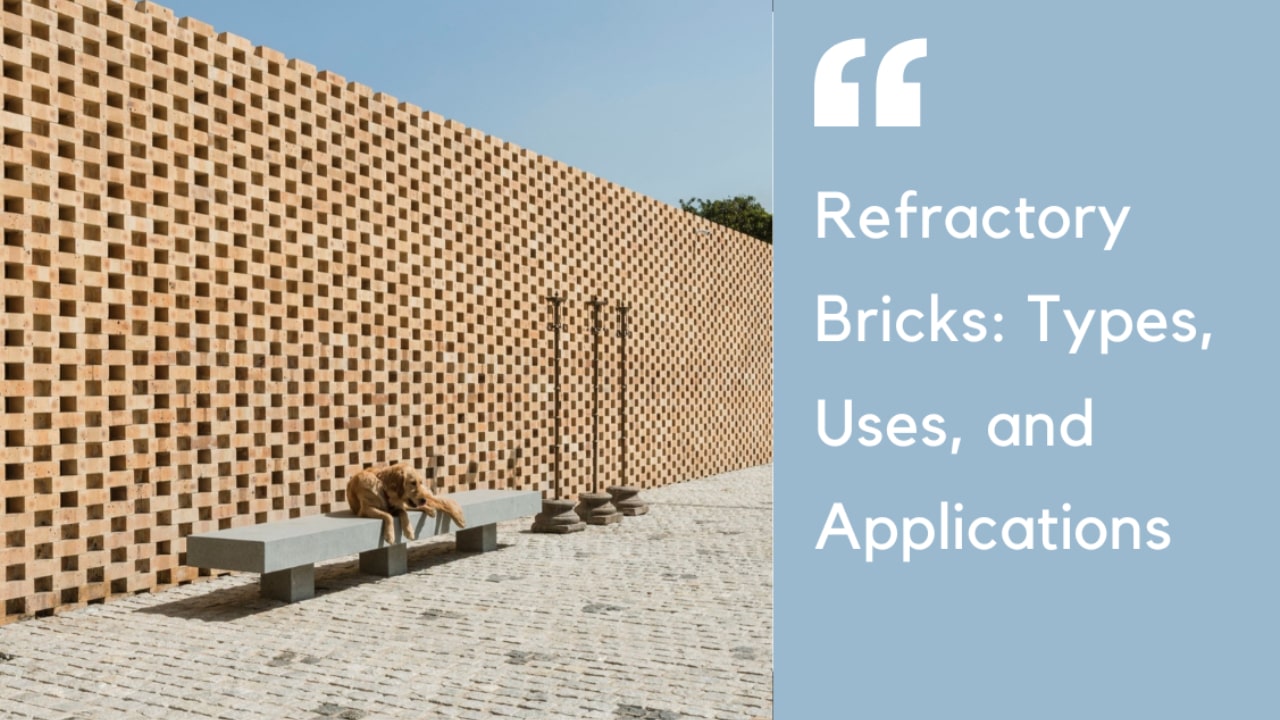
Refractory Bricks: Types, Uses, and Applications

Refractory Bricks
Refractory Bricks

Refractory Bricks: Types, Uses, and Applications

There are different applications in which refractory bricks serve as main components, known for their ability to withstand very high temperatures. From steel making to ceramics, they are used by a wide range of industries due to their thermally resistant and structurally strong nature that allows them to be able hold up under intense heat during production.

What is Refractory Bricks?

Refractory bricks or firebricks, as they are also referred to, are purpose-built ceramic products created specifically to operate at elevated temperatures and counteract harsh surroundings. These materials possess the highest thermal stability, chemical resistance and mechanical strength among other ordinary bricks hence absolutely needed in high temperature industrial installations.
Key Characteristics of Refractory Bricks

  1. The refractory bricks have a very high melting point and are often made to withstand temperatures in excess of 1000°C (1832°F). This allows them to be used in applications where exposure to heat is long lasting.
  2. Even under severe thermal stress, they do not easily crack or deform, hence keeping their shapes intact. Such behavior guarantees that the structures formed using them will last for long.
  3. They do not react with chemicals especially acids and bases hence being resistant to them. Therefore, it is possible for one to use them in places where there are corrosive substances.
  4. These materials have high compressive strength, which enables them to bear heavy loads and resist wear and tear common in industries.
  5. By having low thermal conductivity, energy can be saved through reducing heat loss by refractory bricks.

Types of Refractory Bricks

The composition is one major way of classifying different types of refractory bricks. Some common types include;

  1. Fireclay Bricks

Among the most commonly used refractory bricks include Fireclay Bricks. They are made from a naturally occurring material that is rich in alumina and silica called fireclay. Thermal shock resistance is excellent while tolerance of high temperatures is another characteristic of fire clay brick. They can be found in furnaces, kilns and even chimneys.

  1. High Alumina Bricks

High alumina bricks contain more alumina (Al2O3) than fireclay bricks, so they are known as such because of this fact. As the result they have better resistance against high temperatures and slag corrosion. They are chosen when working in blast furnaces, steel ladles or cement kilns since these constructions endure very hot atmosphere along with corrosive surrounding conditions

  1. Silica Bricks

Silica bricks constitute mainly silica (SiO2). These have the unique property of retaining their shape at temperatures up to 1650°C (3002°F). Silica bricks are widely employed in glass melting furnaces and coke ovens because of their very good thermal stability and resistance to acid slags.

  1. Magnesia Bricks

Magnesia bricks consist of magnetite (MgCO3), with a high proportion of magnesium oxide (MgO). They are best known for being tolerant to alkaline slags and capable of withstanding high temperatures. They are commonly used in steelmaking furnaces, especially in converters and electric arc furnaces.

  1. Chromite Bricks

Magnesia bricks consist of magnetite (MgCO3), which has a high concentration of magnesium oxide content (MgO) . These bricks have excellent resistance against basic slags and the ability to withstand high temperatures. In addition, they are often applied as linings in converters and electric arc furnaces that are used by steel makers.

  1. Zirconia Bricks

Zirconia brick is made from zirconium dioxide /ZrO2/. It is characterized by its high melting point, exceptional resistance to thermal shock, as well as chemical attack. In extreme temperature conditions like nuclear reactors or glass melting tank, Zirconia brick is usually preferred.

  1. Insulating Bricks

Zirconia brick is made of zirconium dioxide. It has a high melting point, excellent resistance to thermal shock and chemical attack. In extreme temperature conditions like nuclear reactors or glass melting tank, Zirconia brick is usually preferred.

Refractory Bricks Are Used For

Refractory Bricks Are Used For

There are many uses of refractory bricks in various industries due to their distinctive properties. Some of the key uses include:

  1. Steel and Iron Industry

Refractory bricks are indispensable in the steel and iron industry since they are used in the fabrication of blast furnaces, converters as well as ladles. These structures work at very high temperatures and therefore come into contact with corrosive slags and molten metal. They have adequate thermal resistance and structural stability.

  1. Cement Industry

The cement industry heavily depends on refractory bricks for lining its rotary kilns and coolers. The kilns operate at a very high temperature converting raw materials into clinker. Thus, refractory bricks protect them from thermal damage, chemical impact; thus ensuring long life and efficiency of these kilns.

  1. Glass Industry

Refractory bricks are important in the glass industry where they are employed in making glass melting furnaces. High temperatures need materials that can withstand thermal shock and chemical corrosion that occurs due to the need to melt glasses.

  1. Ceramics and Pottery

Kilns used to fire ceramics and pottery in the ceramics and pottery industry utilize refractory bricks. In order for these kilns to produce high-quality ceramics, they must be at a high constant temperature. Because of their thermal stability and resistance to thermal shock, fireclay bricks and high alumina bricks are often used in these applications.

  1. Non-Ferrous Metal Industry

In non-ferrous metal industry furnaces smelting metals such as aluminum, copper, lead, etc., refractory bricks become useful. These furnaces work at high temperatures with corrosive slags. Due to the basic slags resistant nature mantle brick magnesia brick and chromite brick are commonly employed here which can withstand heat effects.

  1. Power Generation

Particularly boilers and incinerators in power generation plants use refractory bricks. Such structures work under high temperatures conditions hence they require materials that can resist both chemical attack and thermal stress. That’s why in these cases either fireclay or high alumina bricks are usually preferred.

  1. Petrochemical Industry

The petrochemical industry utilizes refractory bricks in reactors, reformers, and other units that have a high-temperature process path. For this reason, there is a need for materials capable of resisting thermal cycling and chemical corrosion within these surroundings. Refractory is what saves them from frequent replacements hence ensuring safe operations on efficiency grounds.

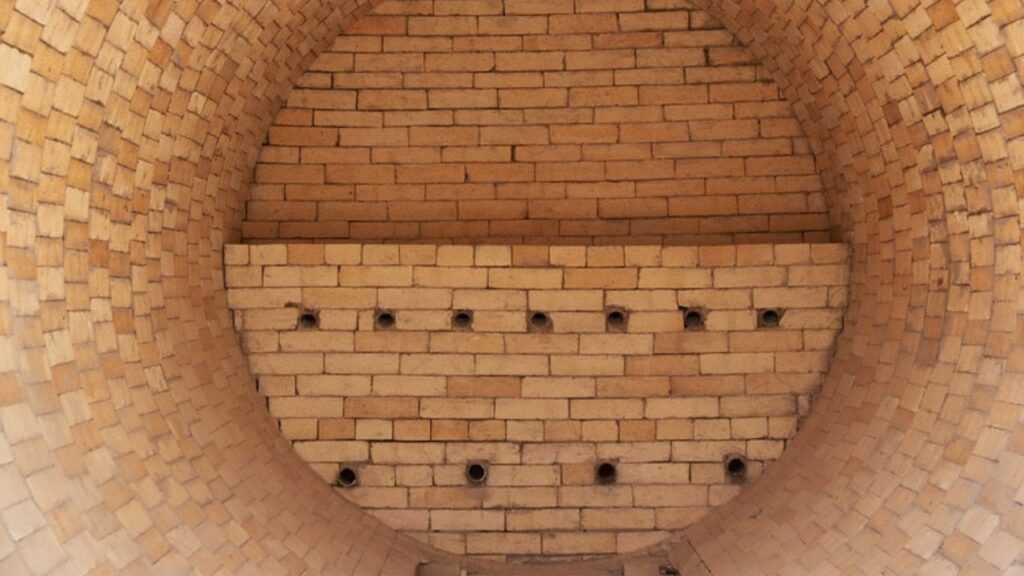
Kiln Refractory Bricks

Kilns are a basic part of many industrial processes, especially in the fields of ceramics, cement and glass. The performance and efficiency of kilns greatly depend on the quality of refractory bricks used in their building.

Importance of Kiln Refractory Bricks

  1. Thermal Efficiency: Kiln refractory bricks maximize thermal efficiency by minimizing heat loss. To reduce energy consumption and retain heat, insulating bricks are frequently used outside kilns.
  2. Durability: Kilns work at high temperatures for a long period of time. Refractory bricks make it durable to withstand such conditions without degrading or losing structural integrity.
  3. Chemical Resistance: Kiln refractory bricks have to deal with various chemical reactions during operation. For example, they use high alumina brick, silica brick and magnesia brick because they resist acidic as well as basic slags
  4. Thermal Shock Resistance: Frequent heating and cooling cycles occur in kilns thereby subjecting the refractory bricks to thermal shock. So as to prevent cracking and failure, fireclay brick and zirconia brick have high thermal shock resistance which is essential.

Types of Kiln Refractory Bricks

  1. Fireclay Bricks: Ceramists like using fireclay bricks mostly for their super shock resistance to heat and high temperature-bearing capacity, and are the most suitable material for the construction of ceramic kilns.
  2. High Alumina Bricks: High alumina bricks are most ideal for use in cement kilns as they offer resistance to thermal shock, chemical attack, and abrasion at all times.
  3. Silica Bricks: Silica bricks can be found in abundance in glass melting furnaces because of its ability to take very high temperatures and still maintain its physical forms.
  4. Magnesia Bricks: In the cement industry rotary kiln linings include magnesia bricks which display excellent resistance to basic slags and high temperatures.
  5. Insulating Bricks: These lightweight insulating bricks have low thermal conductivity and are placed on the outside of a kiln to minimize heat loss thereby improving thermal efficiency as well.

Applications of Kiln Refractory Bricks

  1. The Construction of Ceramic Kilns: Kiln refractory bricks are used in the making of ceramic kilns in order to provide them with the required heat resistance and ability to withstand high temperature fluctuations when firing ceramics and pottery.
  2. Rotary kiln linings in Cement Industry: Refractory bricks are employed as rotary kiln linings in cement industry so as to shield the kilns from thermal and chemical damages because they ensure efficient clinker production.
  3. In Glass Industry: The glass industry makes use of kiln refractory bricks when constructing their glass melting furnaces that can withstand thermal shock and any chemical corrosion, which is essential for producing glass.
  4. In Metallurgical Industry: Kiln refractory bricks are used in metallurgical industry for fabricating high-temperature furnaces that are used during smelting and refining of metals. These bricks ensure durability and resist attack by chemicals.

Conclusion

Refractory bricks are an integral part of several high temperature applications due to their necessary thermal resistance

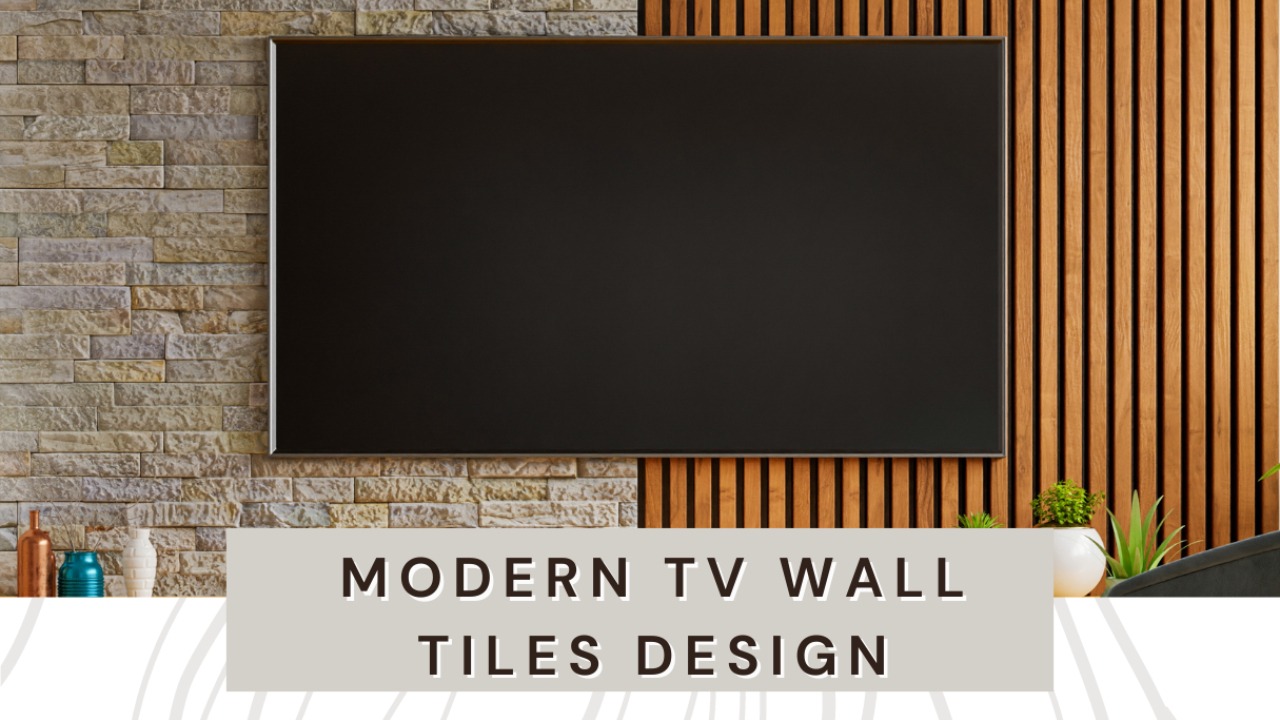
The Ultimate Guide to Modern TV Wall Tiles Design

modern tv wall tiles design
Modern TV Wall Tiles Design

The Ultimate Guide to Modern TV Wall Tiles Design

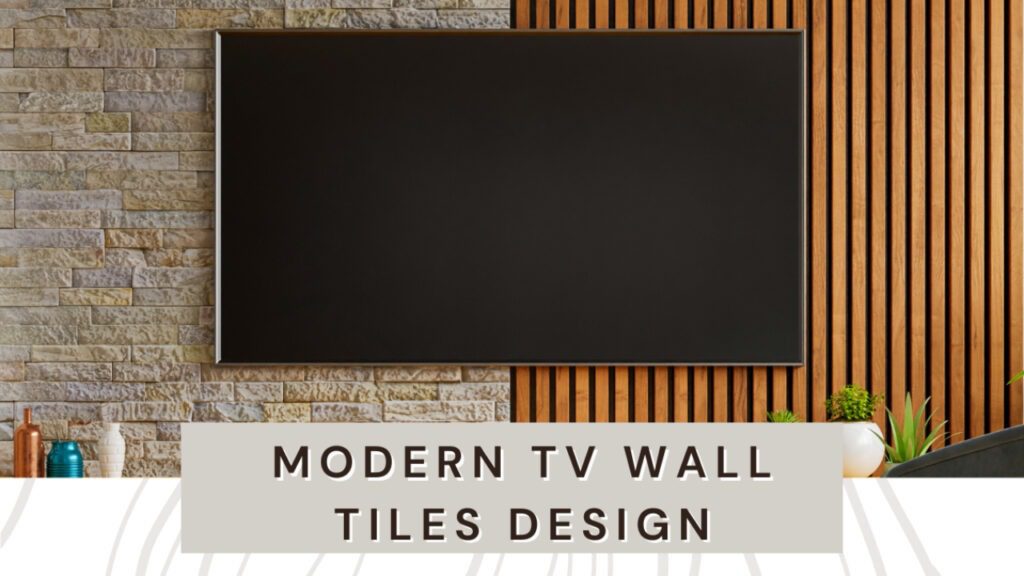
Today, beauty plays a central part in the decoration of home and thus, modern TV wall tiles design is becoming more and more popular. A beautiful and practical TV wall can totally transform your living room. This complete tour will enable you to get great ideas on designing contemporary TV walls using tiles hence enabling you have that perfect living area with a television back drop.

Quick Form

Don’t Wait to Impress – Connect with Us for Stylish Modern TV Wall Tiles

Have Questions? We Have Answers. Let’s Connect

Click Here

Understanding Modern TV Wall Tiles Design

Modern TV Wall Tiles Design is about combining function with aestheticism. The tiles are used to make a great background for your television therefore making it look even better for other people that may enter into the living room. Depending on one’s fashion tastes as well as existing décor at home, this could be minimalist or bold artistic designs.

Benefits of Modern TV Wall Tiles Design

  1. They are attractive: A good designed TV wall can act as an eye-catching part of your lounge providing visual fascination and personality.
  2. Tiles being very strong, they are long lasting making it highly advisable to use them in areas with high traffic.
  3. Easily Maintained- Since tiles do not require much effort when cleaning, they look clean always without much work done on them.
  4. Versatility- With the numerous types of material, colors and patterns available for these products; there are no limitations concerning design possibilities depicting any decor type at all.

Popular Materials for TV Wall Tiles

  1. Ceramic Tiles: Television walls are famous for their strongness and their suitability to different finishes, textures, and designs.
  2. Porcelain Tiles: For example, porcelain tiles have high resistance to water and are best suited for living rooms.
  3. Glass Tiles: They can improve the style of your TV wall by adding elegance to it.
  4. Natural Stone Tiles: Luxuriousness is achieved by using natural stone tiles such as marble, granite, or travertine which gives a classic touch.
  5. Metal Tiles: This type of tilling is ideal for modern living spaces because it creates an urban look.

Designing Your TV Wall with Tiles

When designing your TV wall there are several things that you need to think about in order to achieve an attractive cohesive outcome. Consider the following key elements:

Choosing the Right Tiles

The first step towards setting up a beautiful TV wall is choosing the right tiles for it here are some guidelines:

  • Color Scheme: Include colors that fit well with the overall color scheme of your living room; soft shades are always better than bold ones.
  • Pattern and Texture: Select tile patterns and textures like geometries mosaics and textured tiles that add depth and interest visually into space.
  • Material: Consider the material of the tiles based on your design preference and the level of maintenance require

Layout and Installation

The final appearance of the TV wall will therefore depend a lot on how they are laid and installed. Here is some advice.

  • Tile Patterns: Different tile patterns may be experimented with as well horizontals, vertical or diagonal to achieve the desired result.
  • Grout Colour: Choose a grout colour that goes well with the tiles. While contrasting grout will draw attention to patterns, matching grout creates a single continuous look.
  • Hire Professionals: For an impeccable finish, let experts install your tiles. Proper installation guarantees even spacing and secure adhesion to walls.

Incorporating Additional Elements

In addition to that, you can also include other elements in order to enhance the general design of your TV wall such as;

  • Shelving Units: Introduce floating shelves around your TV where you can display decorative pieces like vases or terrariums accompanying books.
  • Lighting: You can put up lightings like LED strips or wall sconces giving enough light for highlighting tiles and creating warmth within the room.
  • Pictures and Artwork: Blend both art and photographs into it making it more personal thus raising its status.

Trending Modern TV Wall Tiles Designs

It is important that one stays abreast with modern trends regarding designing of their own TV Wall Tiles at home. Some trending designs are as shown below:

Geometric Patterns

Modern TV wall tiles design often utilize geometric patterns, which can be made with ceramic, porcelain or glass tiles to give them a modern appearance. Hexagons, chevrons and intricate mosaics are some of the geometrical designs that will make your TV wall pop..

Minimalist and Sleek

Minimalist designs are suitable for those who want a clean and uncluttered look. Opt for large size tiles in neutral colors like white, grey or beige that have a smooth finish. This creates an elegant and sophisticated background that allows the TV to take center stage.

Textured Tiles

Textured tiles add depth and dimension to your television wall. Why not consider using 3D tiles, stone tiles or even those shaped differently from ordinary ones – these types can create such surface as well as giving it an appealing feeling both physically and visually? At the same time, textured tile blends perfectly well in modern as well as traditional settings.

Bold and Colorful

For example, if one wants to make a statement on their walls, they may choose brightly colored ones with noticeable patterns. In addition to them we have Moroccan tiles, encaustic or mosaic ones made up of bright colors which will end up giving you a vibrant looking television wall that will be talked about by many people.

Natural Stone Look

Marble travertine slate is also common among natural stones used for making luxury TV walls. It is possible to achieve such styles like upscale and contemporary whereby it can fit any modern home also.

DIY Tips for Installing TV Wall Tiles

This can be a satisfying endeavour for do it yourselves if they want to install TV tiles. Read on to know how to go about it.

  1. Design Your Plan: Prior to commencing, determine what you want and outline the pattern for the floor. You need to measure the wall area in order not to under-estimate or over estimate.
  2. Wall Preparation: Make sure that your wall is neat dry and smooth. Remove any wallpaper or paint, patch up cracks, and holes.
  3. Stick Tiles in Place: With regards to the type of tile being used, apply a proper adhesive. Apply adhesive evenly using a dented trowel.
  4. Lay the Tiles: Start from centre bottom, spreading tiles outwards as you go up the wall. The tile spacers will help you keep them at an even distance apart from each other.
  5. Cut Tiles as Necessary: Use either a wet saw or tile cutter so that when they are fitted on edges and corners;
  6. Tile Grouting: After drying of adhesive, take grout float and put some grout between tiles joints then remove any excess with damp sponge.
  7. Tiles Sealing: Some types of tiles may necessitate application of a sealing substance on both tiles surfaces and grouts so as ensure against moisture and staining them

Maintenance Tips for TV Wall Tiles

Maintaining your TV wall tiles is essential to keep them looking their best. Here are some tips:

  1. Regular Cleaning: Wipe down the tiles regularly with a damp cloth to remove dust and dirt. Use a mild detergent for deeper cleaning.
  2. Avoid Harsh Cleaners: Avoid using harsh chemicals or abrasive cleaners that can damage the tiles or grout.
  3. Inspect for Damage: Periodically inspect the tiles for any signs of damage or loose tiles. Repair or replace damaged tiles promptly.
  4. Seal Grout Lines: If your tiles have grout lines, consider sealing them to prevent staining and moisture absorption.
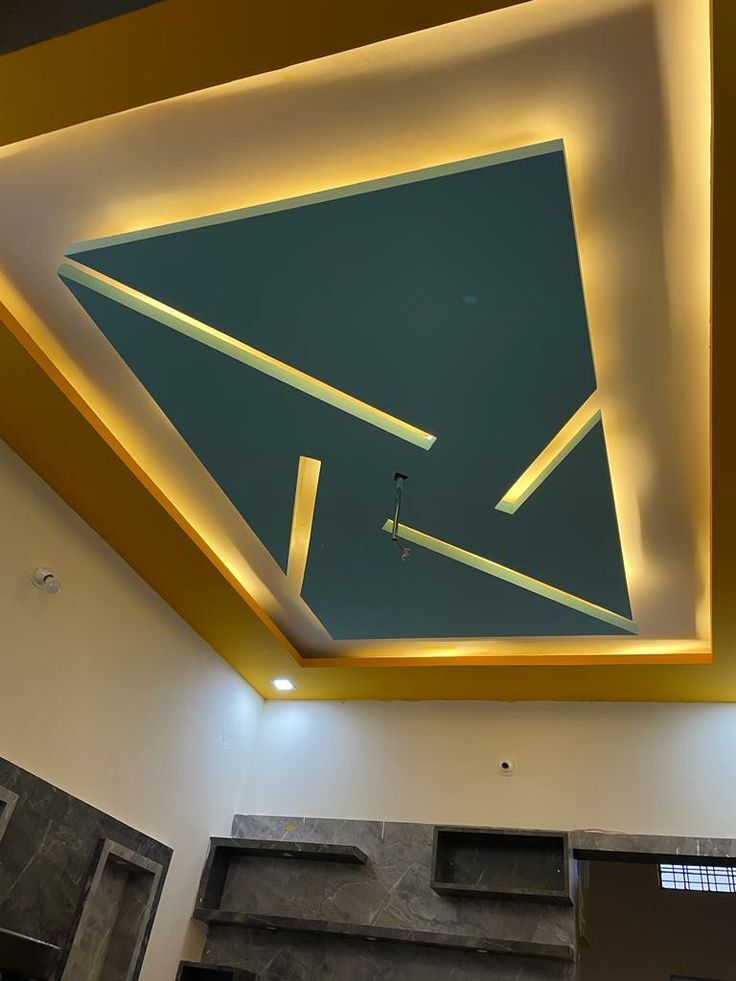
Conclusion

In a modern sense, the design of TV wall tiles introduces a new and stylish way to improve the look of your living area. You can have either simple design, colourful or rough textured finish; therefore, your TV room will represent your style and match your home decoration. To change a TV wall into an attractive focal point, choose the right types of tiles, plan their arrangement and install other necessary components. If you want best designs for modern TV wall tiles, then visit Future Stiles for high quality tile products. Choose elegance and functionally using tiles on your walls in order to make them modern.
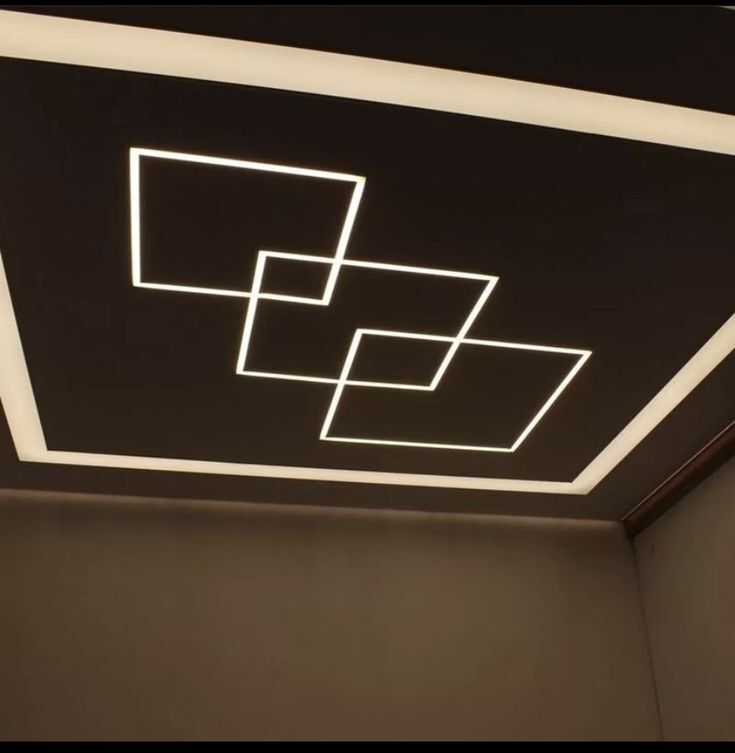
However, one should understand that attractive appearance should be combined with practicality when choosing modern TV wall tiles design. If properly chosen and maintained, such a screen will not only be beautiful but also serve as long-lasting element at home that is perfect for both functional purpose and comfort. Be creative while searching for inspiration from ideas related to contemporary designs of television walls made out of ceramic materials in this world.

Buen Delhi Restaurant Tiles Work by Future stiles

Buen Delhi Restaurant

Buen Delhi Restaurant Tiles Work by Future stiles

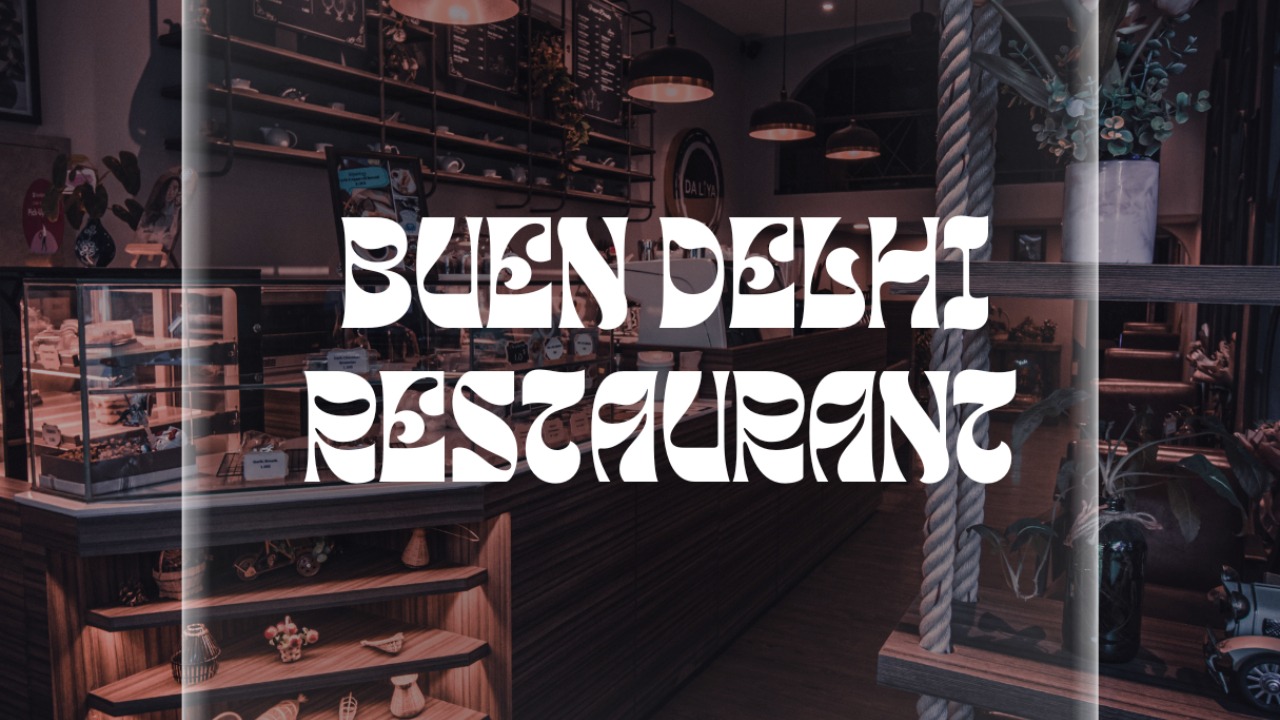
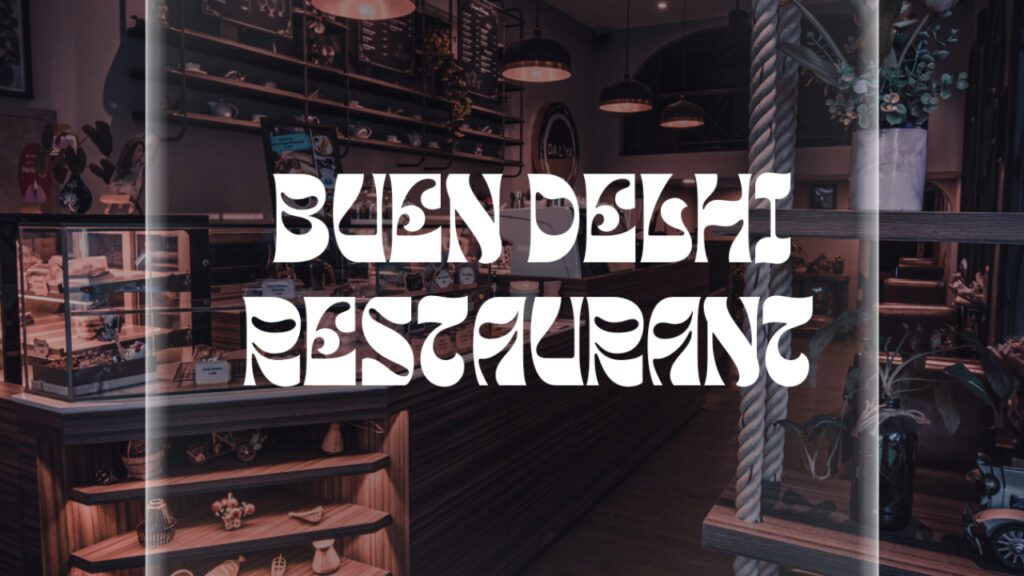
The selection of materials and design elements has a significant impact on establishing a distinctive and welcoming ambiance in a restaurant. Buen Delhi Restaurant situated in central New Delhi, made a pivotal decision to team up with Future Stiles for their tiling needs. This case study examines how Future Stiles turned Buen Delhi into a lively eating spot mixing old and new design components through creative tile use.

Introduction to Buen Delhi Restaurant

Buen Delhi is a mixed-cuisine eatery that blends the deep flavors of Indian food with the energetic feel of modern dining. The eatery aimed to build a space that mirrored its food philosophy—classic yet up-to-date, classy yet easy-going. To pull this off, they needed a design partner who could grasp and carry out their idea .

Future Stiles: A Leader in Tile Design and Manufacturing

Future Stiles has made a name for itself as a top-notch tile maker well-known for its excellent products and groundbreaking designs. Future Stiles offers a broad selection of tiles that meet different style preferences and practical needs making it the ideal pick for Buen Delhi’s bold design project.

Design Goals and Challenges

Aesthetic Vision

Eateries deal with special issues, like lots of people walking through, food and drink spills, and the need to clean up . The tiles had to be tough, not slippery, and simple to wipe down while staying pretty over the years. 

Functional Requirements

Requirements deal with special issues, like lots of people walking through, food and drink spills, and the need to clean up . The tiles had to be tough, not slippery, and simple to wipe down while staying pretty over the years.

Space Utilization

Buen Delhi wanted to use every bit of their space well making sure each corner added to the overall mood. This needed clever tile layouts and different types of tiles for various spots such as the eating area, drink counter cooking space, and bathrooms.

The Tile Selection Process

Consultation and Design Planning

Future Stiles kicked off the project by sitting down with Buen Delhi to get a clear picture of their goals and needs. The designers at Future Stiles teamed up with the restaurant’s interior design crew to come up with a unified plan. This plan blended traditional Indian designs with modern style elements.

Material Selection

After extensive discussions and site visits, the team selected a combination of ceramic, porcelain, and mosaic tiles. Each type of tile was chosen for its specific properties and suitability for different areas of the restaurant:

  • Ceramic Tiles: Used primarily for the dining area walls, ceramic tiles provided a wide range of design options and ease of maintenance.
  • Porcelain Tiles: Selected for the flooring due to their durability and resistance to wear and tear.
  • Mosaic Tiles: Used for decorative elements and accent walls to add a touch of artistry and color.

Implementation and Installation

Dining Area

Focal point of Buen Delhi was the dining room. Future Stiles used large-format ceramic tiles with intricate Indian patterns to create a feature wall that immediately catches the eye. Porcelain tiles were laid on the floor in a neutral shade, creating an elegant background against which the furniture and décor could be highlighted.

Bar Area

The bar area on the other hand was supposed to look more lively and energetic. Future Stiles used combination of mosaic tiles in bold colors to create a dynamic and inviting space. The backsplash at the back of the bar had its own designed mosaic reflecting fusion theme in this restaurant.

Kitchen and Restrooms

Functionality was considered for both kitchen and bathrooms. Future Stiles used slip-resistant porcelain tiles on the floors and easy-to-clean ceramic tiles on the walls. This choice of tile material was based on their longevity as well as being capable of maintaining their integrity even when they are frequently exposed to water or chemically cleaned.

Unique Design Elements

Custom Mosaics

One of the prominent characteristics of this project were custom mosaic tiles made by Future Stiles. These mosaics had traditional Indian designs and colors which added character to the restaurant décor in a unique way. The use of mosaics was minimal and concentrated on focal points as well as accent walls so that they would not overshadow other aspects.

Patterned Tiles

Future Stiles also supplied several different patterned tiles within the eatery for uniformity. However, these designs borrowed from traditional Indian textiles and architecture but with some modernity in them. This ended up being a balance between old and new that represented Buen Delhi’s fusion theme effectively.

Textured Tiles

Textured tiles were chosen by Future Stiles to add depth and interest to certain parts of the project. Thus, these tiles introduced touch into space making it more interactive and visually stimulating. Moreover, they gave the main outlines for different sections in the restaurant thus creating a sense of movement from one area to another.

Results and Impact

Enhanced Aesthetics

The tile work done by Future Stiles transformed Buen Delhi into an awe-inspiring place where one is attracted to dine out for a lifetime experience. Customers at Buen Delhi were excited about how well both old school and contemporary design elements blended together hence its popularity among many clients

Functional Excellence

On top of the appearance, all the features of a restaurant were met through Future Stiles’ tiles. This was guaranteed by long term durable, non-slippery and easy to clean tiles that would also make a restaurant look good.

Increased Footfall

The unique and inviting interior design made Buen Delhi different from other restaurants in the same market. The result is an increase in customers into their premises, as well as more positive comments about their decorative works.

Long-term Durability

With high-end tiles, it meant that the interior of this restaurant will continue to be both attractive and functional for many years. For instance, after collaborating with future Stiles Company they ensured that they got value for their money since these are good quality flooring materials with longer durability.

Conclusion

The collaboration between Bun Delhi Restaurant and Future Stiles speaks volumes about how superior tile design can change an entire space. It achieved this by employing meticulous planning, innovative use of materials and professional workmanship such that Buen Delhi’s dream became a reality courtesy of Future Stiles. Consequently they have created one which is beautiful but effective and unforgettable dining areas which keep on amazing its clients whichever time you step in there. Whether for commercial spaces or residential ones, Future Stiles’ expertise in tile designing and making has no limits when it comes to uplifting any kind of space into something else entirely new.

Elevation Terracotta Jali: Combining Tradition with Modern Aesthetics

Elevation Terracotta Jali

Elevation Terracotta Jali: Combining Tradition with Modern Aesthetics

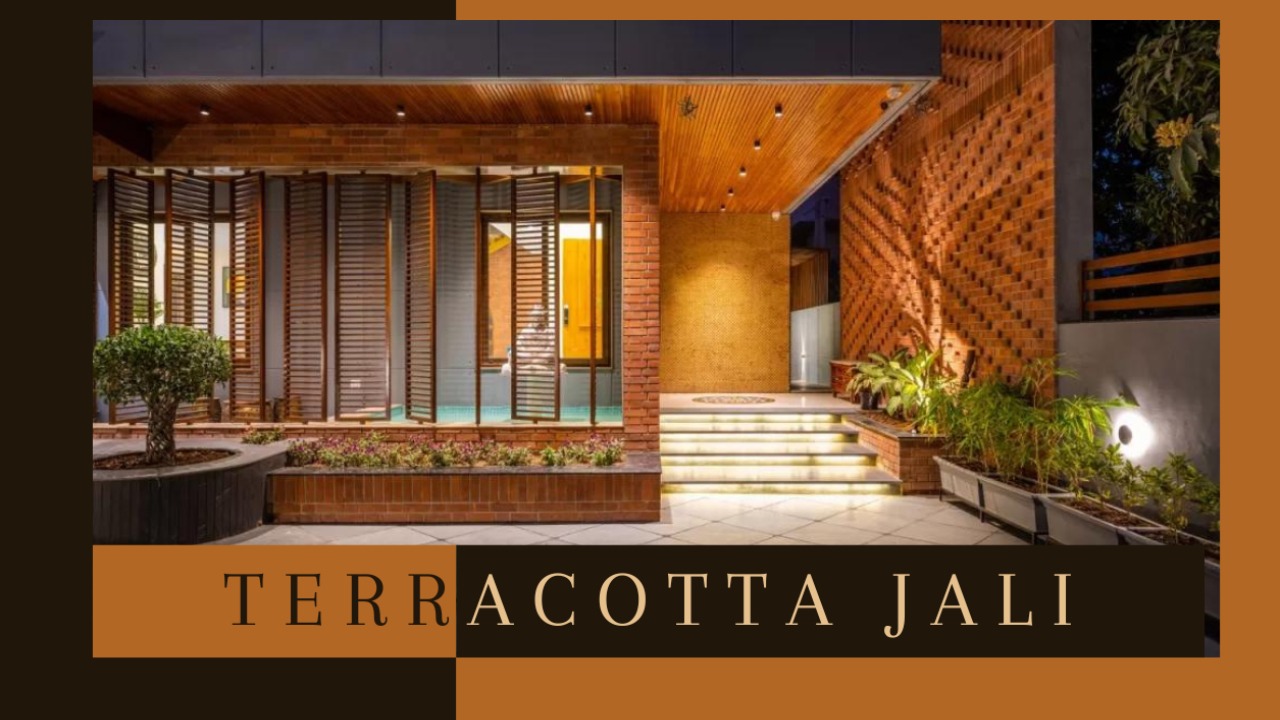
Terracotta jali has become a timeless element in the world of architecture and design that deftly combines traditional aesthetics with contemporary functionality. Derived from the Hindi term “jali” which means net or lattice, terracotta jali is used to refer to perforated screens made of baked clay. These panels have been used for centuries in different architectural styles throughout the Indian subcontinent, serving both decorative and functional purposes. Nowadays, elevation terracotta jali is becoming popular in contemporary designs that provide unique solutions for ventilation, lightening and privacy yet enhancing aesthetic beauty of buildings.

Don’t Wait to Impress – Connect with Us for Stylish Terracotta Jali Designs

Have Questions? We Have Answers. Let’s Connect

Click Here

The Historical Significance of Terracotta Jali

Terracotta jali has a deep history rooted in Indian, Persian and Middle Eastern architectural traditions. The beautiful lattice screens were widely used in palaces, temples and homes as they combined both ventilation and privacy with natural light filtering through them. The Mughal architecture in India showcases superb examples of jalis found at the Red Fort as well as Fatehpur Sikri thus underlining its historic importance.

Traditional Craftsmanship

Creating terracotta jalis entails skilled workmanship whereby artisans meticulously engrave delicate ornaments on clay before it is put into a kiln.

This time-tested process not only guarantees the jali’s strength but also gives each one its own character. Some have geometrical patterns while others have floral designs showing the cultural impact and artistic expression in that area.

Modern Uses of Elevation Terracotta Jali

In modern architecture, elevation terracotta jali is employed not merely for its aesthetics but as well for its functional benefits. It can be crafted into many design elements including façades, partitions or even furniture thus providing a versatile solution for contemporary buildings.

Aesthetic Appeal

The other reason behind the renewed interest of terracotta jali in modern architecture is their ability to add visual appeal to buildings. The intense patterns along with earthly hues of terracotta give elegance and warmth to every structure. In building facades, terracotta jali forms a dance of light and darkness that defines space and texture.

Ventilation and Lighting

Terracotta Jali is ideal for natural ventilation and lighting. Its perforated design allows air to pass through freely making it unnecessary to use mechanical systems in order to maintain good indoor air quality. Moreover, sunlight diffuses through the screen jotting+

creating a soft and ambient glow that reduces glare and enhances the interior atmosphere.

The light emitted by the terracotta jali is soft and ambient, reducing glare and enhancing the interior atmosphere.

Privacy and Security

In urban cities that are densely populated, privacy and security are major concerns in architectural design. Terracotta jali comes in handy as an effective answer since it makes the view from outside unclear while allowing tenants to enjoy free air flow and natural lighting. This means it’s best for windows, balconies and courtyard walls.

Sustainable Design

For modern architecture, sustainable development is a key priority; this is where terracotta jalis fit in perfectly. Being made of natural clay, terracotta can be recycled back into nature which makes it an eco-friendly material. Additionally, use of these jalis can increase energy saving measures as they minimize dependence on artificial lighting or ventilation systems.

Incorporating Elevation Terracotta Jali in Modern Architecture

Facades

One of the most stunning applications of elevation terracotta jali is facades on buildings. Architects can create visually appealing structures by putting jali screens on their exteriors. The patterns and designs used on the jalis could also be tailored to reflect the cultural context as well as architectural style of the building itself.

Partitions and Screens

Terracotta lattices can also be employed as interior partitions and screens, which act as a decorative and useful feature in open plan areas. Irrespective of whether they are used in commercial or residential environments, these panels clearly differentiate sections without necessarily closing them off completely, thus creating a feeling of openness that is sustained through to connectivity.

Windows and Balconies

A practical approach to both privacy and ventilation when inserting terracotta lattices into balconies and windows would be the terrace should assist in ventilating and keeping away prying eyes. They have the ability to be designed to fit different window styles or sizes, making them an alternative choice for conventional window treatments. On balconies, terracotta jali serves as an ornamentation while offering shade and privacy.

Courtyards and Gardens

There are courtyards or gardens where serenity can be created by using Terracotta Lattice. A perforated screen could function as a garden wall where plants grow behind them with light filtering through it. This combination gives naturalness on one side while the other enhances outdoor life using artificial structures.

Benefits of Using Elevation Terracotta Jali

Durability

Terracotta is made from tough materials that withstand harsh climatic conditions. With proper care, a terracotta jali can last for many decades thereby proving it is cheaper compared to other architectural materials commonly used today.

Synonyms for versatility

Terracotta jali is very versatile and can be used in different situations such as traditional to contemporary designs. It can also be made according to the requirements of the project making it very creative and innovative.

Thermal Insulation

Terracotta jali is good at insulation, hence helps in moderating indoor temperatures keeping energy consumption low. Terracotta has natural characteristics that make it absorb heat slowly and release it slowly hence creating a comfortable internal environment.

Acoustic Properties

The holes on the terracotta jali designs can also be responsible for noise abatement which makes them applicable even in urban areas. They serve as absorbing screens for sound thereby reducing ambient noise levels indoors.

Case Studies: Elevation Terracotta Jali in Modern Architecture

The Jali House

Studio Mumbai’s Bijoy Jain, an architect of global repute, designed The Jali House whose integration of terracotta jali within modern residential architecture is simply breathtaking. Situated in Alibag, India, the structure boasts expansive terracotta lattices that ensure privacy, ventilation and daylighting. These patterns cast stunning light-and-shadow games all over the house enhancing its beauty as well.

The Pearl Academy of Fashion

In order to address the hot climate of the region, Morphogenesis designed the Pearl Academy of Fashion in Jaipur, India, with terracotta jali integrated into its façade. These jalis allow for natural ventilation and shading which results in less artificial cooling systems. With this design, the energy efficiency of the building is increased while cultural heritage’s reflection is achieved.

The Lodha World One

One among Mumbai’s tallest residential towers is “Lodha World One” designed by Pei Cobb Freed & Partners. Terracotta jali panels on the building façade provide both aesthetic and functional value through their beauty and function such as natural air circulation and shading. This high rise structure shows how adaptable and versatile terracotta jali is in contemporary architecture.

Conclusion

Terracotta Jali Elevation is a perfect balance between old age classical artistry and modern functionality that has both economic and socio-ecological implications for modern architecture. It also adds to their visual aesthetics; provides natural light; ensures privacy as well as safety; has sustainability principles incorporated into it thus making it a pertinent element in today’s architectural profession. Those who happen to be architects or designers should therefore incorporate terracotta jali into their designs if they want to create beautiful spaces where individuals can enjoy themselves
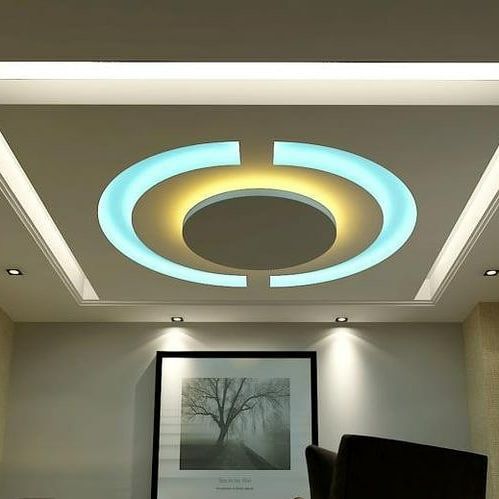
Main Entrance Modern Door Design: A Comprehensive Guide

main entrance modern door design

Main Entrance Modern Door Design: A Comprehensive Guide

Your main door, the main entryway of your house is not just a gateway into your living space but a focal point that says a lot about your style and personality. The way you design your front entrance door creates an important first impression. Modern door designs have evolved to be functional as well as offer aesthetic appeal due to advances in architectural design and materials. This all-inclusive guide will discuss new trends and characteristics of main entrance modern door design, giving you inspiration and ideas on how to select the best one for your home.

Understanding Main Entrance Modern Door Design

Main Entrance Modern Door Design is characterized by clean lines, minimalistic aesthetics, and innovative materials. Unlike traditional doors, they focus on simplicity, functionality, and are often integrated with other elements of architectural structure in the building. Most contemporary doors are designed to maximize access to natural light sources; improve security; create better thermal efficiency.

Key Features of Modern Door Designs

  1. Sleek Minimalist Aesthetic: They tend to have smooth finishes mostly straight lines only having few or no decorative features at all. They stress simplicity while also maintaining elegance.
  2. Innovative Materials: Wooden ones as well as those made from glass, metal or composite materials are also found among modern doors today. Each material offers unique benefits and can be customized to suit specific design preferences.
  3. Enhanced Security: Modern doors are equipped with advanced security features such as multi-point locking systems, reinforced frames, and impact-resistant glass.
  4. Energy Efficiency: Modern doors are designed to improve energy efficiency by incorporating insulated cores, weatherstripping, and low-emissivity (Low-E) glass.
  5. Customization Options: Homeowners can choose from a wide range of finishes, colors, and hardware options to create a door that complements their home’s architectural style.

Popular Main Entrance Modern Door Design

  1. Pivot Doors

Pivot doors are an attractive option for modern entry doors. They rotate on a central hinge, creating a seamless and dramatic entrance. These doors can be made from various materials, including wood, glass, and metal. Their unique design allows for larger and heavier doors, making them ideal for grand entrances.

  1. Sliding Doors

Sliding doors are perfect for contemporary homes with open floor plans. They slide along a track, saving space and improving aesthetics. Sliding doors are often made of glass, allowing natural light to flood the interior while maintaining a connection with the outdoors.

  1. Glass Doors

Glass doors are a popular choice for modern homes due to their transparency and ability to create a sense of openness. They can either be completely see-through or seamed together tightly for extra seclusion. This is because glass doors might be framed with metal or wood, which will bring in a sense of style at the entrance.

  1. Double Doors

Double doors make a statement and are suitable for wider entryways. They could be symmetrical or unsymmetrical such that one door is smaller than the other. Double doors create an impression of grand entrance and can be made of different materials and finishes.

  1. Flush Doors

Flush doors have a smooth finish surface that look like a wall surrounding them. These are perfect for simple and modern homes, giving you that clean look.

  1. Dutch Doors

The Dutch doors are divided vertically, keeping the top open while the bottom half remains closed. In rustic styled homes this design serves two purposes being useful as well as cute.

Choice of Material for Your Main Entrance Modern Door Design

The material used in constructing the main entrance door determines its longevity, maintenance needs and overall aesthetic appearance. Some popular materials in modern door designs are discussed below:

1 Wood

Wood is a classic and flexible material that can be used to make various types of doors. It gives a natural beauty as well as warmth making it an attractive choice for both traditional and contemporary homes. Common wood varieties include oak, mahogany and walnut.

2 Glass

These doors have a sleek, contemporary look that allows natural light into your home. They can be framed with different materials such as wood, metal or compounds. Laminated or double glazed glass may be employed to enhance security and energy savIng.

3 Metal

Metal doors which comprise of steel or aluminum are strong and durable. These materials provide a modern and industrial look which can be customized using various finishes or colors. Moreover, these are low-maintenance means resistant to weather conditions including pests.

4 Composite Materials

Composite doors usually combine several materials like wood, fiberglass & PVC among others. Such doors have all the advantages associated with any other material such as being durable, leak proofed & requiring low maintenance costs. Besides they can resemble either wood or metal from outside

Enhancing Curb Appeal with Modern Door Designs

Curb appeal of your home is greatly enhanced by the front doors design. The following are some of the ways to maximize on your modern door design:

  1. Color and Finish

The color and finish you choose should be a match to your house’s exterior. While bold colors like red, blue or black make an eye catching statement, neutral tones including white, gray or beige are more restrained and sophisticated.

  1. Hardware

Choose proper hardware such as handles, locks and hinges for your door that are made in a similar style. Contemporary door hardware often has smooth edges as well as high-quality finishes like brushed nickel, chrome or matte black.

  1. Lighting

Install outdoor lighting which spotlights your front entry door well. Wall mounted sconces, hanging pendants or recessed fixtures can not only improve the architectural aspect of the unit but also provide additional safety.

  1. Landscaping

Thoughtful landscaping along with a modern dooring will look stunning together; use this effect and find those attributes that fit thematically: plants in pots, path lights for walking at night and a beautiful view from every side.

  1. House Numbers and Nameplates

To add personality into your entryway consider adding stylish house numbers or a nameplate that would align with the aesthetic of the door while still being visible from far away.

Security and Integration of Technology

Increased safety and convenience are the key aspects that influence contemporary door designs which entails installing modern security features. Here are a few alternatives to consider.

  1. Smart Locks

Smart locks allow you access without keys and can be controlled remotely via smartphone apps. They offer enhanced security as well as added convenience such as allowing you to monitor who accesses your home.

  1. Video Doorbells

These enable one to talk or watch visitors from his/her place of stay, thereby improving security for the house. Additionally, they can be combined with smart homes systems for better protection.

  1. Multi-Point Locking Systems

Multi-point locking systems secure doors at several points along their frames enhancing their safety. This makes it hard for trespassers to open them forcefully.

  1. Security Cameras

You may surround your main entrance with surveillance cameras to monitor activities and discourage potential intruders. For example, contemporary cameras can be subtly included in the design of the door or adjacent building components.

Energy Efficiency and Sustainability

Incorporating energy-efficient and sustainable features into your main entrance modern door design can reduce energy consumption and contribute to a greener environment. Here are some tips:

  1. Insulated Doors

Go for doors with insulated cores to better thermal efficiency. Insulated doors help maintaining an indoor temperature that is comfortable reducing energy costs.

  1. Low-E Glass

Low-emissivity (Low-E) glass is used to prevent heat transfer in your home and make it cooler during summer but warmer in winter. It also obstructs harmful UV rays from damaging the interior furnishings.

  1. Sustainable Materials

Choose doors made from earth-friendly materials like wood sourced responsibly or recycled metal, while also being eco-friendly, and composite doors are an interesting option as they have a combination of different materials that come with various benefits while at the same time causing minimal damage on the surroundings.

  1. Weather-stripping

Make sure your door has proper weather-stripping in order to keep out drafts and improve its energy efficiency. This is because weather-stripping prevents moisture, dust, insects among others from destroying your door thus performance enhancement is guaranteed for successful results achieved all through this process.

Conclusion

The decision to pick the perfect design for the Main Entrance Modern Door Design is a combination of considering aesthetics, functionality, security and energy conservation. This can be achieved by looking at various designs, materials and features presented in order to make your decision on how best fit your home’s curb appeal as well as meet all practical needs. Modern designs can be found in various tastes and styles such as pivot doors that have dramatic impacts, sliding doors that are sleekly functional or even glass doors with timeless elegance. Acquire a durable well-thought entrance door that will redefine your style and personality while adding value to the whole house that surrounds it.

Fireplace Tile Ideas to Transform Your Home

Fireplace Tile Ideas

Fireplace Tile Ideas to Transform Your Home

Fireplaces have always been a staple in homes, providing warmth, ambiance and a cosy place for family and friends to gather. However, it’s not just how a fireplace works; It is also an important part of your home design. Whether you’re renovating an existing fireplace or planning a new one, adding incredible fireplace ideas and new fireplace tile ideas can transform your space into a spectacular space if you will focus on it.

Why Update Your Fireplace?

Before diving into the specific ideas, it’s important to understand why updating your fireplace can be a game-changer for your home’s interior design:

  1. Aesthetics: An updated fireplace can add a touch of charm to a room, making it more attractive and stylish.
  2. Increased home value: A modern and attractive fireplace can add significant value to your property.
  3. Energy efficiency: Optimizing your fireplace can improve energy efficiency and reduce heating costs and environmental impact.
  4. Personalization: A customized fireplace reflects your personal style and can match the décor of your home. Top fireplace ideas to consider when it comes to designing or installing a new fireplace, there are several design options to consider. Here are the top fireplace ideas to inspire your next project:
  5. Modern minimalist’s Modern minimalist fireplaces focus on clean and simple lines. Think smooth metal or concrete surroundings, neutral colors and uncluttered elegance. This design works well in contemporary homes where the goal is to look and feel beautiful.
  6. Rustic charm: A stone fireplace covered with rough-cut wood can create a warm and inviting atmosphere, perfect for country-style homes or cottages.

Double-Sided Fireplaces

Double-sided fireplaces are a high-priced addition to any domestic, offering warmth and environment to two adjacent rooms. This design is particularly effective in open-plan spaces, developing a visual connection among regions even as serving as a functional warmth supply.

Outdoor Fireplaces

Extend your living space with an out of doors hearth. Whether it’s a swish, present day design or a rustic stone construction, an out of doors hearth can transform your patio or outside into a comfy retreat, best for entertaining or enjoyable below the celebs.

Corner Fireplaces

Maximize your space with a corner fireplace. This layout is ideal for smaller rooms where a conventional important hearth is probably impractical. Corner fireplaces can be just as elegant and impactful, offering a completely unique focal factor in your room.

Innovative Fireplace Tile Ideas

Tiles can dramatically trade the appearance of your fireside. From ambitious patterns to diffused textures, there are infinite fireplace tile ideas to discover. Here are a few popular alternatives:

  1. Mosaic Tiles

Mosaic tiles offer endless layout opportunities. Create complicated patterns or stunning images with small, colorful tiles. This technique can flip your hearth into a piece of art, including visual interest and personality in your area.

  1. Subway Tiles

For a conventional and undying look, don’t forget the usage of subway tiles. Available in numerous colorations and finishes, subway tiles are flexible and may be organized in one of a kind patterns which include herringbone or vertical stack to feature a present day twist to a traditional cloth.

  1. Geometric Patterns

Geometric tiles are ideal for developing a cutting-edge and appealing fireplace surround. Bold, angular designs can upload a dynamic detail in your room, making your fireside a standout feature.

  1. Textured Tiles

Add depth and dimension for your fireside with textured tiles. Options like 3-d tiles or tiles with a raised pattern can create a tactile and visually exciting surface, improving the general design of your hearth.

  1. Natural Stone Tiles

Natural stone tiles, along with marble, granite, or slate, provide a costly and fashionable look. Each stone has its own specific veining and shade versions, ensuring that your fireside is one-of-a-type.

Tips for Choosing the Right Fireplace Tiles

1.Style and Color: Choose tiles that match the fashion of your room and your personal aesthetic. Neutral tones can create a complicated look, whilst formidable colorations can make a dramatic assertion.

2.Material: Consider the durability and preservation of the tile material. Natural stones are durable but might also require sealing, while ceramic and porcelain tiles are clean to clean and hold.

3.Size and Shape: The length and shape of the tiles can have an effect on the general appearance of your hearth. Larger tiles can create a sleek, contemporary appearance, whilst smaller tiles can add complicated element.

4.Heat Resistance: Ensure that the tiles you pick out are appropriate for excessive-warmth areas. Not all tiles are designed to resist the warmth generated via a fire.

5.Budget: Determine your finances and pick tiles that offer the first-class fee within your charge variety. There are many alternatives to be had, from lower priced ceramic tiles to top class natural stones.

Fireplace Tile Installation Tips

Proper set up is crucial to attaining a professional and polished appearance. Here are several hints to help you get the pinnacle outcomes:

1.Prepare the Surface: Ensure that the floor of your fireside is easy, dry, and clean earlier than beginning tile set up. Any dust, dirt, or unevenness can have an effect on the adhesion of the tiles.

2.Use the Right Adhesive: Choose an adhesive that is appropriate for the kind of tiles and the heat publicity they’ll bear

3.Plan the Layout: Before making use of any adhesive, lay out the tiles to make certain you are glad with the sample and site. This step allows you avoid any surprises and makes adjustments less difficult..

4.Grout and Seal: After the tiles are in region, observe grout to fill in the gaps among tiles. Select a grout coloration that accompaniments your tiles. Once the grout is dry, seal it to defend against stains and moisture.

Conclusion

Updating your hearth with creative ideas and revolutionary tile designs can rework it right into a stunning focal point in your house. Whether you opt for a present day minimalist appearance, a comfortable rustic appeal, or a formidable and modern-day layout, there are countless possibilities to discover. By selecting the proper tiles and ensuring right set up, you may create a lovely and functional hearth that complements the atmosphere and value of your private home.

Remember to recollect factors which includes style, cloth, length, warmness resistance, and finances whilst deciding on tiles. With careful planning and interest to element, your hearth can emerge as a masterpiece that reflects your personal fashion and provides warm temperature and beauty for your dwelling area.

So, embark for your fireplace makeover adventure with those fireplace ideas and fireplace tiles ideas, and watch as your home transforms into a place of consolation and elegance.

Home
Catalogue
Contact Us
Showroom
Gallery