
Best 20 Modern Bathroom Tiles Designs in 2025
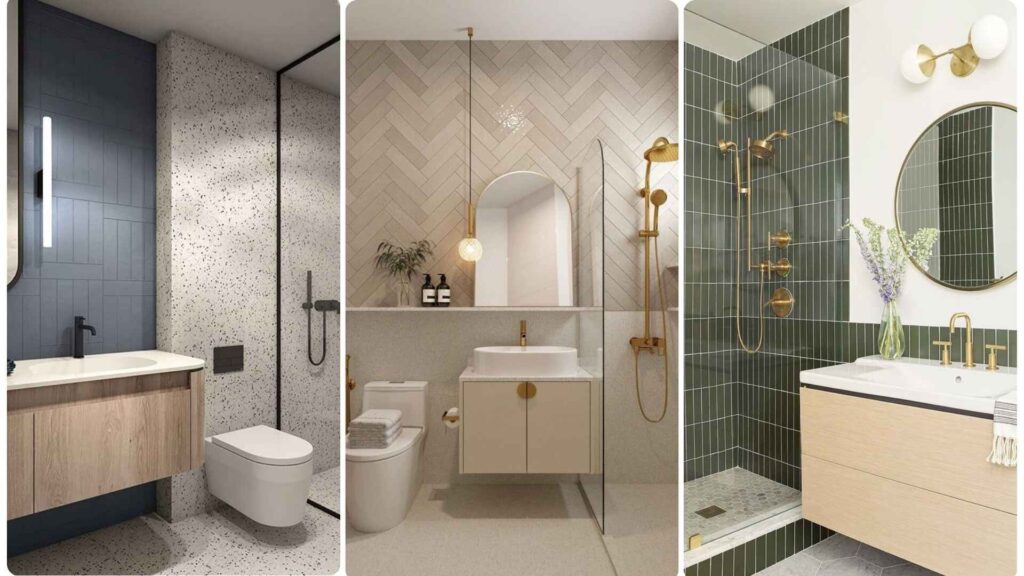
About Future Stiles Future Stiles is a relatively new player in the tile industry, but it has quickly gained recognition for its innovative and modern designs. The brand focuses on merging cutting-edge technology with artistic craftsmanship to create unique and visually appealing tiles. Facebook Twitter Instagram Linkedin Latest Post Best 20 Modern Bathroom Tiles Designs in 2025 Tiles make a huge difference in defining the overall look of a bathroom and its level of comfort especially when it comes to modern bathrooms because they have evolved to another level – the level of comfort and luxury. Here are some outstanding tile designs for modern bathroom tiles that will help to guide your renovation process. Big Tiles Tiles of a large format are one of the best choices to have for both walls and floors, a minimalistic grout solution is great to go for. They allow bathrooms to appear more spacious while also granting a modern touch, these types of tiles go best with more contemporary bathrooms. Material: Ceramic/Porcelain Hexagon Shaped Tiles If you are looking to revamp using geometry Hexagonal tiles would be best for you as they come in multiple sizes and shapes and can be combined for patterns and subtle yet elegant designs. These can work best on wall features or even your floors if you are looking to add a modern touch to your bathroom. Materials: Porcelain, Ceramic, Marble Subway Tiles with a Twist Subway Tiles have always been popular but having some modern twists through vertical stacking, bevelled edges or even colourful tiled walls can give the bathroom a completely new look and feel. Use for: Shower walls or backsplashes Made of: Ceramic or glass Download Catalogue Marble Effect Tiles Assigning porcelain or ceramic tiles to the bathroom gives off the idea of a beautiful marbled finish while also providing an easy-to-maintain option. They look amazing and are quite cheap as well. Use for: Modern high-end bathrooms Made of: Porcelain Terrazzo Tiles In recent years Terrazzo tiles have made a powerful move to be one of the more used tiles in modern homes as they provide a stylish retro look with their speckled patterns and rustic yet classy vibe. Use for: Floors or accent walls Made of: Porcelain or Natural Terrazzo Concrete-Look Tiles Tiles that lean towards an industrial aesthetic have a much more bold feel and when matched with metallic fixtures, urban chic walls can be made. Such tiles are great for adding a modern touch to any space. Use for: Urban or Industrial Themed Bathrooms Made of: Porcelain or Ceramic Mosaic Tiles: Tiles that are a mix of intricate patterns and vibrant colours provide endless designs to choose from, however, the key lies in not getting carried away and using them with care. Use for: Backsplashes or shower niches Made of: Glass, ceramic and natural stone 3D Tiles: 3D tiles have become another popular choice, especially in modern bathrooms, due to their ability to add depth and texture and to act as a feature wall to highlight certain areas. Best for: Feature walls Material: Ceramic or porcelain Glass tiles A shower tile made of glass tiles can be an elegant touch glass tiles can add. Glass tiles are cost effective and tend to work as excellent accent pieces because of their reflection and brightness. And when placed over the sinks in bright colors, they made the place look splendid and more attractive. Best used on: Backsplashes or shower walls Material used: Glass Wood-look tiles A natural and organic vibe can be brought to the bathroom with the use of wood look tiles. These tiles are water resistant and can be easily maintained as they mimic real wood but prevent getting real wood. Best used on: Floors or any feature walls Material used: Porcelain or ceramic Patterned Tiles Modern bathrooms are enhanced by the addition of patterned and bold tiles that contribute to the own signature style of the place as well as add in character to a space. These bathroom tiles can surely range from vintage designs to bahkan menyebabkan kesampingan grafis masa kini-nya. Best used on: Floors and accent walls Material: Porcelain or ceramic Metallic finish tiles To add that touch of glam to your place, using metallic tiles in gold, copper, silver and many more assists in bringing an opulent feeling, Especially when using accent walls . Do keep in mind not to use them in excess as they can overpower the room. Perfect for: Accent walls or backsplashes Material: Glass or ceramic Natural stone tiles Natural stone tiles like slate, granite, or travertine give a sophisticated appeal but once have a rustic feel to them. They definitely add a touch of the outdoors to your bathroom. Best for: Floors or walls Material: Stone Colour Blocking Tiles Colour Blocked Tiles are ideal for displaying a combination of these colours: such as black and white, navy and blush or grey and mustard. They stand out beautifully and they give a bold modern appearance! Best for: Walls or floors Material: Ceramic or Porcelain Herringbone Pattern The effects of a herringbone pattern with rectangular tiles placed horizontally is excellent for updating your floors or even walls. Their herringbone patterns look great there are definitely some that are a perfect match! Best for: Shower walls or floors Material: Ceramic or porcelain Gradient Tiles If you’re looking for something unique, Gradient Tiles are the perfect fit for you. Plan bathrooms can get boring with single-shaded tiles, but gradient tiles transition from light to dark set a powerful visual factor and give a deep effect to your bathrooms! Best for: Feature walls Material: Glass or ceramic Matte Finish Tiles Matte tiles are just straight-up the best. They give off a subtle low finishing look and go well with bathrooms, and the matte finishing technique that’s used makes them easier to maintain and provides slip resistance which is ideal for bathroom tiles! Best for: Floors or walls Material: Porcelain or ceramic Chevron Pattern Shower bathrooms should not be
Top 30 Zellige Tile: Natural Design for Modern Settings
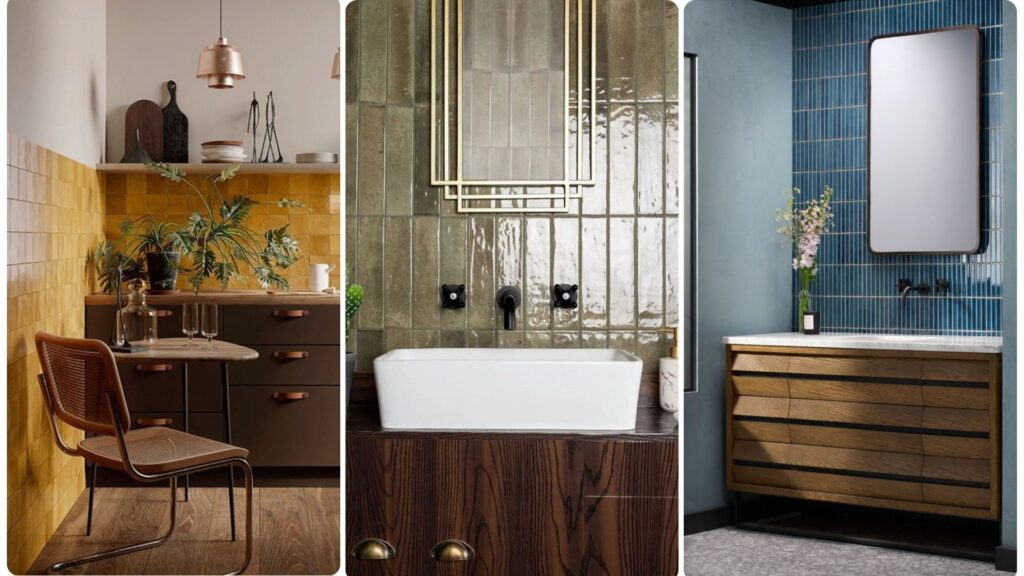
About Future Stiles Future Stiles is a relatively new player in the tile industry, but it has quickly gained recognition for its innovative and modern designs. The brand focuses on merging cutting-edge technology with artistic craftsmanship to create unique and visually appealing tiles. Facebook Twitter Instagram Linkedin Latest Post Top 30 Zellige Tile: Natural Design for Modern Settings Zellige tiles have become very popular in the United States in recent years due to their interesting beauty, color, and craftsmanship. These tiles have roots in Moroccan culture and are perfect for complementing any contemporary design. If you are planning to upgrade a kitchen, bathroom, or living room and want to add sophistication, Zellige tiles are the best choice as they are obtained hand-made. What Are Zellige Tiles? Zellige tiles are also known as Zilij, and these are crafted by hand using terracotta that is glazed, and derived from Morocco. They are made out of natural clay that is still hand-shaped then fired in kilns and afterward glazed. The outcome is a surface that feels artisanal and has a textured aesthetic that is both raw and organic. Texture, shade, and finish are slightly different for each tile which explains why Zellige tiles are praised by both designers and homeowners who prefer one-of-a-kind items. Download Catalogue Explore Our Latest Zellige Tiles Designs, Colors and Patterns The Development Of Zellige Faience For more than a millennium, Zellige making has been part and parcel of the developing architectural style within the Islamic world, it began in Fez, Morocco where these tiles were first developed for adorning mosques, palaces, and other prominent structures. The geometric patterns featured prominently in the Zellige design are typical of Islamic art which relies quite heavily on symmetry and intricacy. Eventually, the practice of making Zellige tiles spread beyond the borders of Morocco, where it further developed to include more modern approaches, while still using traditional methods. Features Of Zellige Tiles Handcrafted appeal: Each Zellige tile comes with stunning imperfections, therefore, no two tiles are exactly the same. Uneven surface: Due to the uneven surface of Zellige tiles, they have added value to depth, which creates more depth perception in them. More color range: Zellige tiles are manufactured in equal proportions of rich, bright, glossy colors such as deep blue, green, white, and pastel colors. Multi purpose use: These tiles can easily be employed for several purposes such as walls, backsplashes, fire places, and can also be used in low-traffic areas on the floor. Nature Friendly: Incorporating a more sustainable alternative, Zellige tiles tend to use natural clay along with harmless glazes that are not harmful to the environment. Uses of Zellige Tiles Zellige Tile Backsplash Zalige tiles glisten effortlessly, which explains their use for kitchen backsplashes. Their rough surface is an ideal addition as it echoes lighting impressively and gives your culinary haven that added warmth, character or feature. Some of the commonly used colors are white, cobalt blue, sage green and many more. Bathroom Walls and Zellige Tile Bathroom Zellige tiles could also be used for bathroom walls and shower enclosures because of the growing demand for water resistance and aesthetic appeal. As the tiles combine with wood or stone furniture, it gives off a spa-like feeling. Accent Walls Zellige tiles can be employed as a statement wall in the living room, bedroom, or even in the entrance which enhances the texture and uniqueness of the room making it feel more luxurious, this is all due to Zellige’s artisanal appearance. Fireplaces If there is a Zellige tiled fireplace in your room, it could be the most noticeable part of the entire room – the tiles have a glossy surface that makes lights look warmer and more vibrant making the room look more comfortable. Outdoor Spaces Apart from those mentioned above, Zellige tiles can also be used as outdoor decorative material on patio walls, around fountains, or any other outdoor feature if you want to capture a Moroccan look. Benefits of Zellige Tiles Diverse Color Palette: It does not matter whether your styles are rustic, modern, or boho, Zellige tiles complement all. Longevity: Provided these tiles are installed appropriately, they withstand the tests of time, surviving for decades. Sustainable: The tiles are composed of natural materials that are manufactured through environmentally friendly methodologies. Intricate Designs: Patterns and formats of the Zellige tiles can be altered and cut to create various designs. Simple to Maintain: Due to being glazed, the tiles do not get stained and can be cleaned with just a wet cloth. Disadvantages of Zellige Tiles Although there are advantages to Zellige tiles, some points should be taken into account, including the following: More Expensive Than Alternatives: Due to Zellige tiles being handmade, the cost is greater than that of a mass-produced one. Hiring a Professional is Vital: Zellige tiles come in a variety of shapes and sizes, which makes them difficult to install without proper experience. Not Recommended for Busy Floors: These tiles are better suited for walls and less foot traffic because the terracotta base is easily damaged. Caring for Zellige Tiles Essentially, Zellige tiles can last for years if maintained properly: For Cleaning Use: Try blasting the tiles with a non-chemical cleaner and hot soapy water while avoiding any harsh chemicals. Sealing: A sealing agent applied to the grout would function in tandem with a glaze coating to help prevent water penetration and potential staining. Regular Inspection: Make sure to avert further damages by fixing the cracks and chips as soon as they are spotted. Zellige Tiles Comparison with Other Tiles Comparison of Zellige to Ceramic Tiles Handmade vs. Machine-made: In contrast to their ceramic counterparts, Zellige tiles are handmade. Texture: For Zellige tiles, the texture is also not consistent as opposed to a smooth uniform one for ceramic tiles. Cost: The Zellige tile’s craftsmanship makes them increase in cost in addition to the price. Differences Between Zellige And Subway Tiles Shape and Glaze: When it comes to tile form, subway tiles have a rectangular
Top 10 Simple Front Wall Tiles Design in Indian Houses
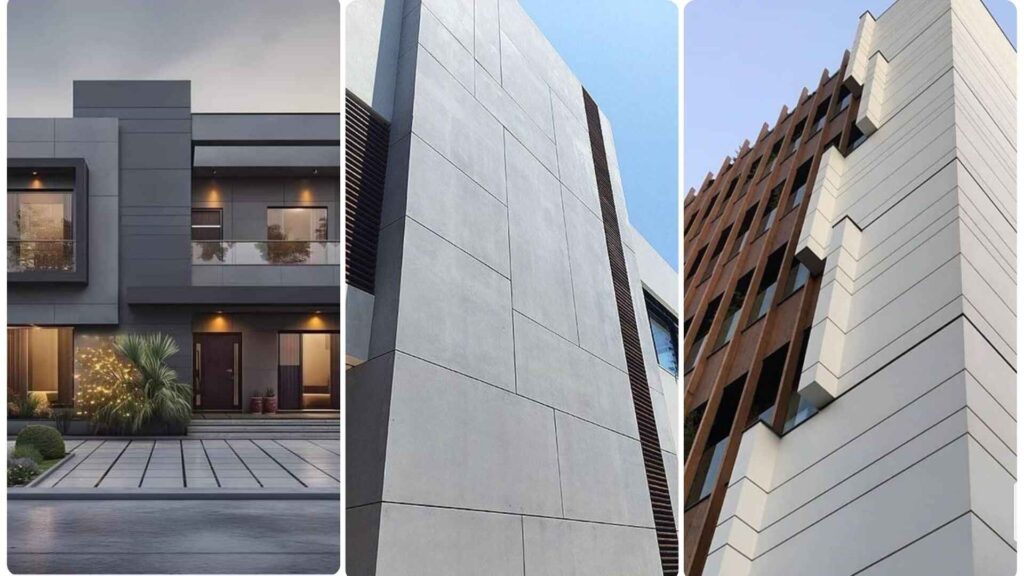
About Future Stiles Future Stiles is a relatively new player in the tile industry, but it has quickly gained recognition for its innovative and modern designs. The brand focuses on merging cutting-edge technology with artistic craftsmanship to create unique and visually appealing tiles. Facebook Twitter Instagram Linkedin Latest Post Top 10 Simple Front Wall Tiles Design in Indian Houses Simple tiles designs for the front wall of Indian homes is a great way to add curb appeal to the front wall of a home without distracting from the overall home design. Most popular front wall tiles designs include stone finish tiles, brik style tiles, wood look tiles, and tiles with a cement finish for a minimal look. Most sought after timeless designs include monochrome white or beige tiles, dual tone tiles, or qranite look tiles to compliment the overall design. These tiles designs are popular for their timeless simplicity and is great to stand the test of weather and time, making them great front wall design choice for confident modern villas and homes around India Why Choose Tiles for Front Wall Design? If looking for front wall designs that incorporate the benefits of style, durability, and low maintenance, tiles are your best design choice. Tiles compliment a home’s curb appeal and are a great choice for exterior walls because they can stand up to harsh weather, moisture, and fading that would damage paints wall exteriors. There are so many design options available in the market to choose from. These are modern, polished, and easy to clean, making them ideal for Indian homes. Tiles are great for front wall design if looking to add visual impact to a home or if looking to complement a traditional design scheme. Tiles are great for protecting the walls while looking visually great. Aesthetic Appeal: There are homeowners who want their exteriors to reflect their style and tiles allow them to do just that with a range of wallpapers in varying patterns, textures, and colors. Durability: Due to the drastic weather conditions ranging from scorching heat to bone-chilling snow, walls must be sturdy, which makes tiles the ideal choice in India. Low Maintenance: Cleaning and washing tiles is easy and hassle-free, unlike walls, which require touch-ups because they are soiled and dusty. Cost-Effective: Tiles that have a simple design are relatively cheap and the value they bring by strengthening the property’s curb appeal is great. Versatility: From modern minimal requirements to traditional clothes tiles can satisfy all the styles that are available in Indian households. Don’t Wait to Impress – Connect with Us for Stylish Front Wall Tile Designs Have Questions? We Have Answers. Let’s Connect Click Here Download Catalogue Shop Tiles Online Popular Tile Materials for Front Wall Designs Being stylish and durable, there are many options you can choose from to design front wall tiles. One example are ceramic tiles which, because of their affordability and their many design options, have become a popular choice. Also popular and good for outdoor walls are porcelain tiles because of their are low water absorption, high durability and long lasting performance. Real looking stone tiles, including; granite, slate and sandstone, are also a good choice because of their weather and naturally premium looks. If you want to achieve a warm toned aesthetic, wood-look tiles are a perfect choice, along with modern textured tiles for a more 3D appearance. Aside from looking good, all of these materials help protect walls from extreme weather and wear and tear. Choosing materials for your front wall tiles ensures their durability and increases the value of designing your home in relative harmony. The various materials include: Ceramic Tiles: Ceramic tiles are inexpensive, flexible, and come in multiple patterns. They are great for enhancing the overall aesthetic by smoothing the finish. Porcelain Tiles: They are tiles that are water-resistant and have hard-wearing properties. Porcelain tiles create an impression of either natural stone or wood finishes, making the exterior either modern or rustic. Stone Tiles: Tiles created from natural stones such as granite, slate, or even sandstone give an outer wall a completely raw earthy essence. In India, these tiles are widely used because of their timelessness. Terracotta Tiles: Terracotta tiles are great if you are going for a rustic and traditional style. Their colors provide a great contrast to Indian architectural styles that are inspired by the country’s rich culture. Mosaic Tiles: At the front walls these tiles can be placed to bring out complicated designs but more so to ensure that the walls are more artistic. The mosaic tiles are ideal to use for people looking to make vivid impressions on the walls. Simple Wall Tiles Design Ideas for Indian Homes In Indian homes, plaster wall tile designs are ideal for achieving seamless and sophisticated styles for timeless interiors. Pastel shades, solid colors, and matte finishes create a clean minimalistic look for the living and bedroom areas. Subway tiles add a classic charm to the kitchen and bathroom while geometrical designs serve as subtle but effective contributors to the overall aesthetic. Tiles featuring a stone texture are gorgeous on accent walls as they provide an earthly, natural appeal. Highlight tiles with intricate patterns on the pooja/entrance walls serve as a nice traditional touch. Effortlessly, these sophisticated styles compliment every décor and enhance the overall home fashion. Minimalism does not have to be boring. Here are a few tile design ideas that are sophisticated yet simple for Indian front walls: Geometric Patterns: For a clean and modern feel use tiles that have geometric patterns. Be it hexagons, diamonds, or chevrons, these can complement the exterior slightly. Earthy Tones: Soft colors including beige, grey, or terracotta provide a pleasing aesthetic and are ideal for the front wall. These colors are suitable for rural or urban settings. Wood-Effect Tiles: Wood-effect tiles offer the efficiency of having wooden panels without the hassle of maintaining them. These tiles simulate wood texture and grain while having high durability to them. Textured Tiles: Add more character to the front
Top 30 Best Washroom Tiles for Floor and Walls
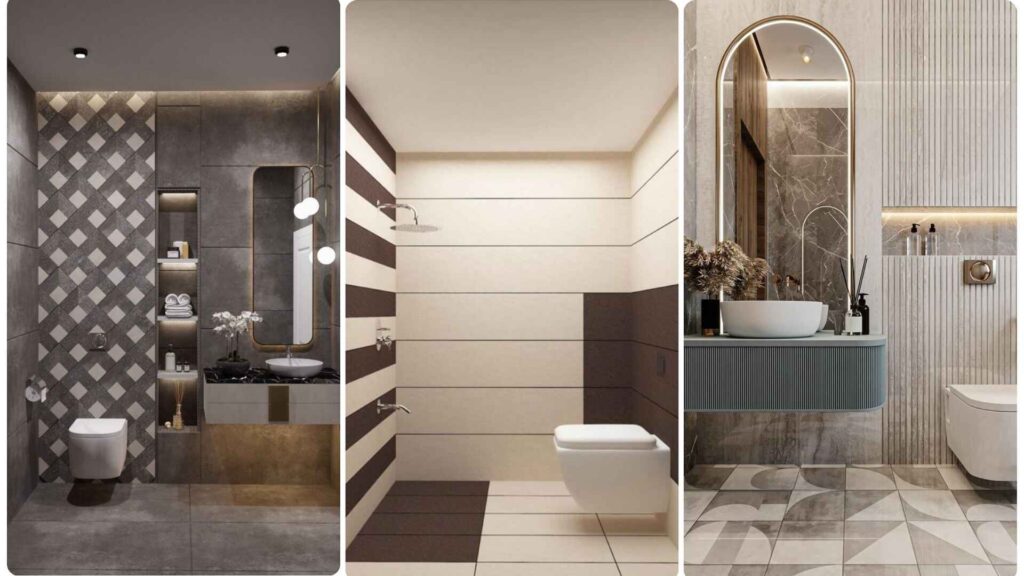
About Future Stiles Future Stiles is a relatively new player in the tile industry, but it has quickly gained recognition for its innovative and modern designs. The brand focuses on merging cutting-edge technology with artistic craftsmanship to create unique and visually appealing tiles. Facebook Twitter Instagram Linkedin Latest Post Top 30 Best Washroom Tiles for Floor and Walls Workable Capitals are a wonderful element of modern decor, able to combine aesthetics with strength and ease of use. Washrooms are working areas needing materials that have a good performance and that are appealing to the eye. With so many options available like ceramic, glass, and mosaics, the tiles in the washroom tiles can be endless. 1. Why Tiles Are Essential for Washrooms 1.1 Water Resistance Considering the location, washrooms do always need water-resistant materials. The lowest transfer of moisture happens when water is glazed on ceramics or porcelain, thus, it is used as a coating on walls and floors. 1.2 Durability Ceramic tiles also offer the advantage of being impervious to stains and scratches, unlike paint or wallpaper, which are easily damaged during regular use. Over the years, tiles have proven their ability to endure daily wear and tear, which is even evident from their easy maintenance. 1.3 Easy Maintenance Any detergent must be used as a polishing agent to clean them, which makes washroom tiles an excellent option for households because they are simple to install and require little upkeep. They are ideal for locations that are prone to spills and stains because regular wiping is enough to keep them looking new. 1.4 Aesthetic Appeal Best of all, the tiles come in a variety of styles, colors, and textures that enable the homeowner to design the washroom the way he wants. There is always a tile for everyone, for those who prefer the sleek modern style or for the ones who prefer rustic tiles. Download Catalogue 2. Popular Types of Washroom Tiles 2.1 Ceramic Tiles Ceramic tiles are widely embraced for their affordability and attractive appeal in washroom constructions. Ceramics can be used for wall and floor tiles and come in a wide range of colors, patterns, and finishes. 2.2 Porcelain Tiles Made of fired clay, porcelain tiles appear to be heavier but tougher compared to ceramic tiles. Their moisture resistance prevents damage making them great for shower walls or flooring. Porcelain also comes in various forms, wood or stone look, and still is an eye-catcher. 2.3 Mosaic Tiles Mosaic glass tiles which are smaller in size but come with great design is good for the washrooms as well. Mosaics are primarily directed to be the highlight of certain areas such as accent walls, backsplashes, or even the shower space. 2.4 Natural Stone Tiles Marble, granite, or slate natural stone tiles are what luxury looks like and can truly enhance a washroom’s worth. However, these stone tiles tend to have complex patterns and textures and require consistent sealing to prevent them from getting wet or damaged further. 2.5 Glass Tiles Washroom aesthetics can never be complete without glass tiles. The shiny face enhances the light and opens up the washrooms, making them look big and bright. They can be used for accent walls or even the other part of the wall. 2.6 Vinyl Tiles Vinyl tiles can resemble designs of wood or stones while also being cost-effective and easier to install. They are a great option to be used on the floor of washrooms as they are durable and even water resistant. 3. Choosing the Right Tiles for Your Washroom 3.1 Consider the Size of Your Washroom For compact washrooms, go for light shades of tiles so that the washroom appears larger than it is. Opting for larger tiles while reducing the number of grouts gives an impression of a wider area. 3.2 Determine the Functionality Use slip-resistant tiles on the floor, especially in places where there are chances of water spillage. As for the walls, glazed tiles are best since they are more convenient for cleaning and maintenance. 3.3 Match the Design Theme Professional or stunning aspects can be achieved by looking for plain tiles in grey, beige, or white colors. Rustic-themed washrooms are complemented beautifully with natural stones or tiles with a wooden look. Marble tiles or tiles made of high-gloss porcelain pair well with luxury settings. 3.4 Budget and Maintenance Keep an eye on the quality of the tiles but also look out for the tiles that suit your budget. Keep in mind the different maintenance of different tiles, especially the high traffic areas. 4. Trendy Washroom Tile Designs 4.1 Subway Tiles The design of the washroom has been altered greatly by the traditional subway tiles that have been back in fashion. Due to their simplistic appearance and clean cut, they work great as a wall or backsplash. 4.2 Geometric Patterns Geometrical tiles give the washrooms a modern look along with an artistic display. The buzz in today’s market are hexagonal, chevron, and Moroccan pattern tiles. 4.3 Textured Tiles 3D or embossed tiles which are textured have depth and add an interesting appeal to the wall of the calmest of areas. They serve well when you are trying to make accent walls. 4.4 Metallic Tiles Gold, silver, and copper finishes can help to create stylish and sophisticated metallic tiles that can be applied in the washrooms. 4.5 Bold Colours It’s no surprise that tiles in bold, bright colors are finding favor with homeowners wishing to express themselves. A room can be made lively and full of character by the introduction of blue, green or even some red. 5. Tips for Installing Washroom Tiles 5.1 Prepare the Surface Check if the walls and floors are clean, dry, and flat before commencing the installation work. 5.2 Use the Right Adhesive Opt for a waterproof ceiling-based adhesive intended for washrooms so that the tiles will not move through time. 5.3 Pay Attention to Grout Aside from holding tiles together the grout also contributes greatly to the aesthetic aspect of
Top 20 Wall Tiles Design for Outside House
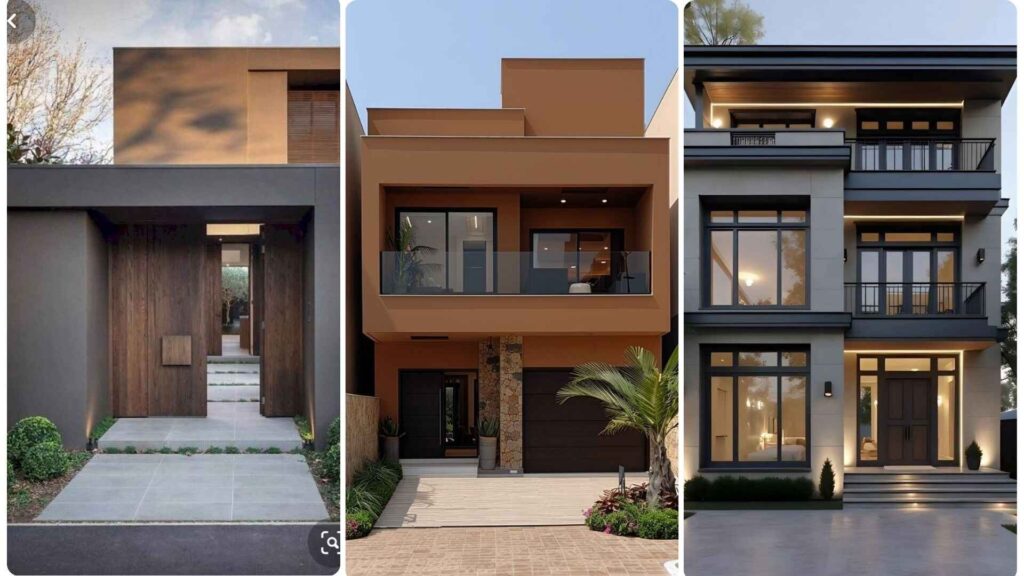
About Future Stiles Future Stiles is a relatively new player in the tile industry, but it has quickly gained recognition for its innovative and modern designs. The brand focuses on merging cutting-edge technology with artistic craftsmanship to create unique and visually appealing tiles. Facebook Twitter Instagram Linkedin Latest Post Top 20 Wall Tiles Design for Outside House People first notice the exterior walls of a house as they enter the premises. Thus, these walls form an integral part of the aesthetic appeal of your home. Outer wall tile adds appeal and is an enduring protection against the weather. The right wall tiles can range from sleek modern to rustic and bus even adding elegance to the overall style quotient of the house. This article examines the outer wall of houses through various available wall tile designs explaining its advantages and features, types, popular styles, and some recommendations that help in selecting the right ones to go well with the architectural design of the home. The most popular tile styles for outside walls for Indian homes are fusion of durability and aesthetics. The most common styles include, stone-finish tiles, brick-cladding, wooden-texture tiles, Moroccan, matte ceramics, granite, slate, exterior tiles with flutes, and glossy glazed tiles. For modern homes, grey, beige and charcoal are trending in textured tiles, while older designs go for traditional homes which include jali pattern, terracotta, and sandstone-look tiles. Highlight exterior tiles, 3D tiles for elevation, and rustic vintage designs make for bold statements and enhance the outside of the home. These designs improve the home’s look while withstanding the elements and give a timeless finish. Don’t Wait to Impress – Connect with Us for Wall Tiles Design for Outside Have Questions? We Have Answers. Let’s Connect Click Here 1. Benefits of Wall Tiles for Exterior Design There are many reasons why wall tiles for exterior design are a smart and long-lasting choice in India. They protect facades from weather like rain, snow, heat and moisture, and wall tile pollution so that the home stays standing over time. They are low maintenance, easy to clean, and stain and crack-resistant. Wall tiles improve the overall look of the home and curb appeal with affordable designs. They improve insulation and keep homes cooler in summer. They are also very cost-efficient, which makes them a better choice for modern homes, and give wall tiles for design a better overall look. The use of wall tiles for your house’s outer structure has its advantages aside from just the look. Here are some key benefits 1.1 Weather Resistance An outer wall that is tiled can withstand tough changing weather conditions, be it rain or sunshine or frost. Tiles that are of great quality do not fade, crack, or absorb water which contributes to the tiles being of great quality. 1.2 Low Maintenance Walls that are painted become dull and require constant repainting but walls made of tiles are hassle-free, they only require cleaning. Cleaning is easy, a wipe or wash restores the wall. 1.3 Thermal Insulation Some of the tiles are insulating and thus aid in maintaining the moderate temperature of the indoors, they do this by limiting the amount of heat that is absorbed by the walls. 1.4 Enhanced Durability Outdoor tiles are tough and long-lasting they easily absorb physical wear and tear as well as impacts. They guard the walls against scratches and stains easily. 1.5 Aesthetic Versatility Wall tiles give homeowners the ability to design their exteriors in a variety of ways by providing elasticity in selecting colors, patterns, and textures that best suit their wishes. Download Catalogue 2. Types of Wall Tiles for Exterior Use Outdoor tiles are made with more durable and aesthetic materials that help improve outdoor spaces. Outdoor tiles, such as ceramic tiles, are cheaper and easier to take care of. Porcelain tiles are more expensive but are stronger, more weather-resistant, and more water-resistant to harsh weather conditions. Natural stone tiles are the premium choice and come in a textured granite and slate look. Terracotta tiles are a more rustic and warm choice. For a small decoration detail in outdoor walls and garden walls, mosaic tiles are the more artesian choice. Each of these outdoor tiles has different weather resistances, textures, and finishes to help the customer and designer decide on the best style and functional outdoor wall tiles for their project. To achieve the desired aesthetic look, it is essential to select the appropriate type of wall tiles. Other common styles include: 2.1 Ceramic Tiles Characteristics: Lightweight, easy to install, and available in various colors and patterns. Best For: Moderate climates where extreme weather conditions are not a concern. 2.2 Porcelain Tiles Characteristics: Dense, non-porous, and highly durable. Best For: Areas prone to extreme weather or heavy rain. 2.3 Natural Stone Tiles Characteristics: Made from materials like marble, granite, slate, or sandstone, offering a rustic and organic look. Best For: Traditional and luxurious exterior designs. 2.4 Terracotta Tiles Characteristics: Earthy tones with a natural, warm appeal. Best For: Homes with a rustic or Mediterranean style. 2.5 Glass Mosaic Tiles Characteristics: Reflective surfaces that add a touch of modern elegance. Best For: Highlighting specific areas like entryways or feature walls. 2.6 Concrete Tiles Characteristics: Industrial and minimalist aesthetics with excellent durability. Best For: Contemporary and modern homes. 3. Popular Wall Tile Designs for Outside Homes Most requested wall tile designs outside of homes integrate elegance, practicality, and weatherproofing. Tiles that have the appearance of stone provide facades with an everlasting and sophisticated appearance. Tiles that look like wood provide a contemporary look without the upkeep of actual wood, as well as adding a more inviting appearance. Tiles that are 3D or have patterns create a more visually captivating design and enhance the appearance of modern architectural styles. However, artistic and geometrical patterns express a more striking visual design. Bright, mosaic, and patterned tiles are used more for walls of gardens and as esthetic stir walls, whereas earthy and neutral shades are more common for a
Top 10 Best Pooja Room Tiles Texture in 2025
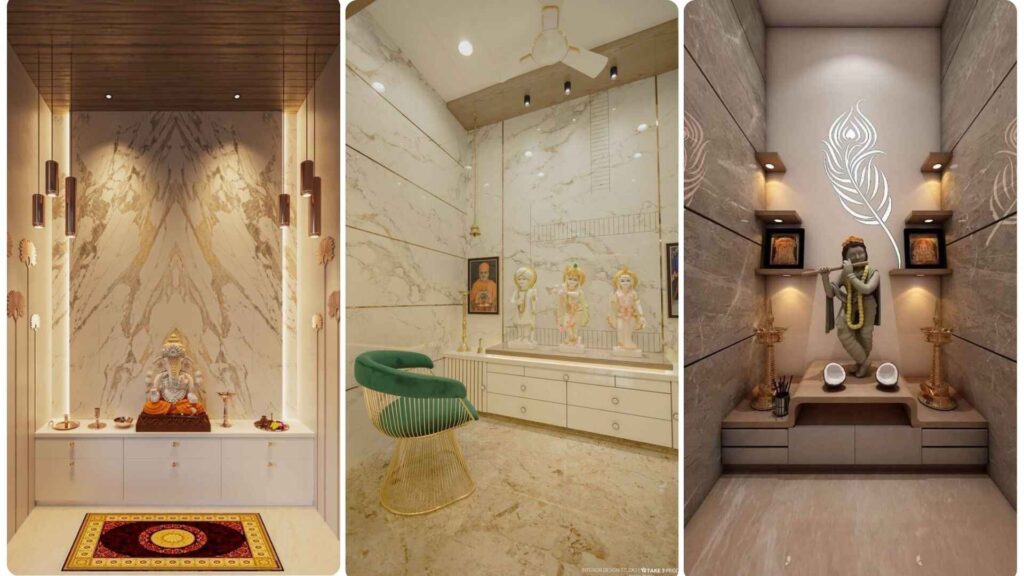
About Future Stiles Future Stiles is a relatively new player in the tile industry, but it has quickly gained recognition for its innovative and modern designs. The brand focuses on merging cutting-edge technology with artistic craftsmanship to create unique and visually appealing tiles. Facebook Twitter Instagram Linkedin Latest Post Top 10 Best Pooja Room Tiles Texture in 2025 Pooja rooms in Indian homes are sacred places set aside for worship and meditation. They are places that exude a certain spiritual calmness and devotion. To accentuate these attributes, a choice of suitable textures in tiles is one of the important factors to consider. Pooja room’s tiles range from plain earthy shades to complex pooja room tiles which combine beautiful art with functionality. In this article, we’ll address the importance of texture in pooja room tiles, the ones that are most popular, and how to choose the tiles that best suit your sacred room. Don’t Wait to Impress – Connect with Us for Stylish Pooja Room Tiles Have Questions? We Have Answers. Let’s Connect Click Here 1. Why Tile Texture Matters in a Pooja Room Decorative tiles used for coating a pooja room greatly assist in setting the proper mood within the particular room. This is the main reason behind their usage within taking out the puja room interiors: 1.1 Aesthetic Appeal Adding textures facilitates increasing the attractiveness of the pooja room as well as drawing attention to the hoja room. It can be a flat matte covering or an embossed textured tile, all adding to the surfaces. 1.2 Spiritual Connection Having textures made from these materials like stone or wood helps in feeling nature which in turn helps in serving the spiritual objectives of the room. 1.3 Practical Benefits Correctly textured tiles are much easier to maintain and clean as the soaps used for cleaning do not easily stick to them and the oil, flowers, and incense fumes which because of the rituals performed and get scattered throughout the room will not easily stain them. Download Catalogue 2. Popular Tile Textures for Pooja Rooms 2.1 Natural Stone Texture Appearance: Smooth but not glossy, this type of clothing is simple, low-key, yet elegant. Benefits: They are easy to care for and anti-slip, hence safe as well as practical. Suggestions: Choose matte-finished tiles in dull hues, so that the place remains peaceful and quiet. 2.2 Matte Finish Tiles Appearance: Imitates the visual appearance of marble, granite, or even sandstone Benefits: Portray an elegant rustic and traditional look ideal for pooja rooms with antique furnishings. Suggestions: Select roughing-out marble tiles for the walls or granite tiles for the floor that have been polished. 2.3 Embossed Patterns Appearance: 3D designs such as flowers, mandalas, and religious imagery can be seen. Benefits: They are beautiful and intricate thus making the pooja room more aesthetically pleasing. Suggestions: Use embossed wall tiles to enhance the look of one wall to make it more attractive and put more focus on it. 2.4 Glossy and Metallic Finishes Appearance: Shiny surfaces that have metals or polished elements can be observed. Benefits: They are helpful because they reflect light and make the space feel large. Suggestions: Rather than traditional pooja rooms, gold and silver shades could go well with modern ones. 2.5 Wooden Texture Appearance: Has a similar feel to the grain of wood. Benefits: Enhances the experience by adding comfort suitable for the pooja room. Suggestions: Cover the floors with tiles of wood design to add a contemporary feel while maintaining a traditional one. 3. Best Tile Materials for Pooja Rooms 3.1 Ceramic Tiles Strong, inexpensive, and comes in a range of styles and designs. Works well on both surfaces: walls and floors. 3.2 Porcelain Tiles Provides protection from dampness and stains making it appropriate for pooja rooms where liquids like water or oil are used. Provides exceptional strength and a classy appearance. 3.3 Natural Stone Tiles Includes marble, granite, or sandstone which are all natural stones and have a rich natural look. Potentially more costly in terms of upkeep but exquisite. 3.4 Glass Mosaic Tiles Brings on board vibrancy and artistry through elaborate features. Can be ideally applied as an ornamental accessory on feature walls or holy shrines 4. Design Ideas for Pooja Room Tile Textures 4.1 Feature Wall with Textured Tiles Use embossed and glazed tiles as perfect backdrops for praying idols or altars. Such tiling designs would help to directly focus the attention of the people on the selected section of the room while enhancing the sanctity of the space. 4.2 Flooring with Matte or Stone-Look Tiles Neutral copper matte to soft matte tiles are great selections to make flooring of the pooja room as they create a soothing effect to enhance a cozy appeal of the space. 4.3 Border Accents Textured tiles are great as border tiles on walls or floors to give a hint of beauty for instance using a border of metallic tile creates a contrast that captivates the eye but does not dominate the rest of the pattern. 4.4 Ceiling Tiles Embellish the ceiling with decorative tiles which are rich in texture or embossed designs. It produces a dome-like effect that is found in temple architecture. 4.5 Mandala or Religious Symbols Consider using customized tiles embedded with embossed mandalas or images signifying the religious sentiments of the room. 5. Tips for Choosing the Right Pooja Room Tiles 5.1 Focus on Color Palette Pick the colors that resonate with the theme of the entire pooja room while offering a soothing environment. For piloting a serene look, the use of earthy tones, white, gold, and pastel colors could work wonders. 5.2 Prioritize Durability Be ready to purchase tiles that can resist the wear and tear of performing rituals which would include water, oil, and incense use. 5.3 Match the Overall Decor The tile texture should also be in line with the theme of your house. For instance, a modern home would require a sleek look with glossy tiles, while a classical one would prefer tones
Top 50 Ceramic Light Blue Floor Tiles Designs
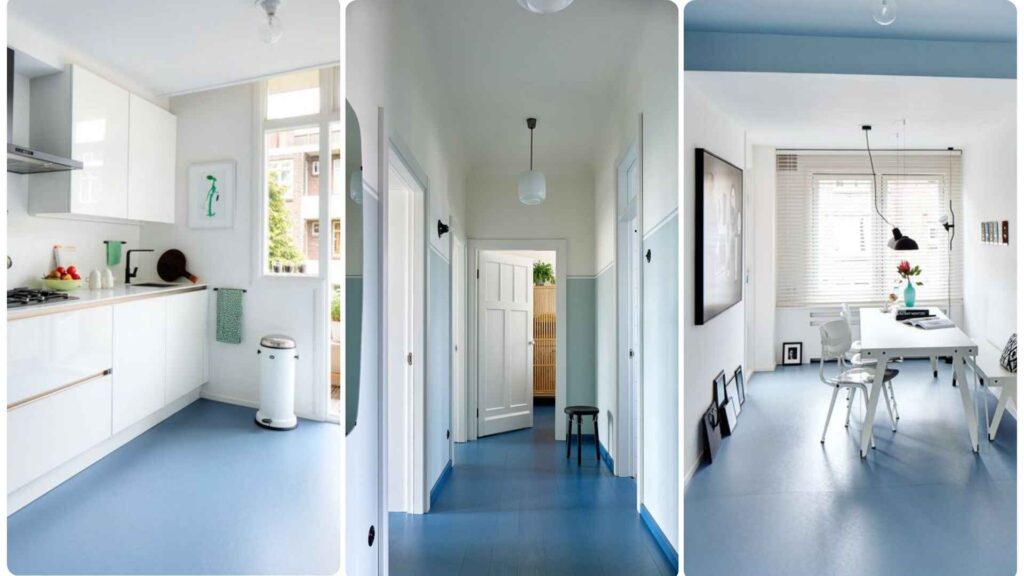
About Future Stiles Future Stiles is a relatively new player in the tile industry, but it has quickly gained recognition for its innovative and modern designs. The brand focuses on merging cutting-edge technology with artistic craftsmanship to create unique and visually appealing tiles. Facebook Twitter Instagram Linkedin Latest Post Top 50 Ceramic Light Blue Floor Tiles Designs In the world of interior design, ceramic light blue floor tiles provide a classy, elegant, and mature finish. They are ideal designs for any home space as they evoke calmness and beauty. In the article below, we elaborate on the qualities of light blue ceramic tiles and explain further on their uses and how to incorporate them within your interior design. Don’t Wait to Impress – Connect with Us for Stylish Light Blue Floor Tiles Have Questions? We Have Answers. Let’s Connect Click Here 1. Why Choose Ceramic Light Blue Floor Tiles? 1.1 Aesthetic Appeal Ceramic light tiles can promote a feeling of tranquillity and calmness due to their soft and muted light blue colours. Such elegance can suit any room whether it be the kitchen, living room or the bathroom because it adds class regardless of the theme. 1.2 Durability Kitchens, bathrooms and hallways are some of the busiest spaces in a home and therefore require materials that do not easily wear and tear. Hence, using ceramic tiles for these busy spaces is wise as they are durable and long-lasting. 1.3 Low Maintenance Cleaning and maintaining light blue ceramic tiles should not be a hassle either due to its texture and smoothness. Because of them being stain resistant, a simple wipe or mop should keep the tiles sparkling and new looking. 1.4 Versatility Light blue tiles also come in different sizes, patterns, and finishes so they can be utilized in different spaces. Download Catalogue 2. Applications of Ceramic Light Blue Floor Tiles 2.1 Living Rooms Incorporating a light blue hue on tiles, trays, or even planters can make your living room feel breezy and calm. Add neutral furniture along with soft lighting and you get an elegant design. 2.2 Kitchens The use of light blue tiles in a kitchen compliments the other fixtures in there and it also has decorative purposes. Light blue tiles also go very nicely with white or grey cabinets. 2.3 Bathrooms Bath ennui is taken care of by the tranquil hue of a light blue. Flooring in damp places is likely to undergo a lot of wear and tear, but ceramic tiles resist water and mold remarkably well. 2.4 Outdoor Spaces Porches and balconies can be adorned with glazed ceramic tiles in light blue and the areas will look more brightened up. Their strength also ensures they hold up pretty well against the elements and keeps its charm. 2.5 Commercial Spaces Light blue colored tiles seem right for retail outlets, cafes, or offices. Light blue tiles are likely to give an open and welcoming feel to the space rather than making it closed and dense. 3. Design Tips for Light Blue Ceramic Tiles 3.1 Pairing with Other Colors Neutral Tones: Light blue pairs beautifully with whites, greys, and beiges for a classic and clean look. Bold Accents: Add drama with darker shades like navy or charcoal for a striking contrast. Warm Colors: Use yellows or oranges to create a cheerful and lively atmosphere. 3.2 Playing with Patterns Add in some patterned tiles or mix in some mosaics with light blue tiles to create a diverse look. A chevron style or herringbone layout can also be appealing to the aesthetic. 3.3 Adding Texture Ceramic tiles do not have any harmful chemicals and are made out of natural resources. Also, they are non-porous which helps in preventing the breeding of bacteria making it very hygienic. 4. Benefits of Ceramic Light Blue Floor Tiles 4.1 Hygienic and Eco-Friendly Ceramic tiles are definitely one of the most cost effective options when looking at flooring alternatives. Their low price coupled with being durable will help your savings considerably in the future. 4.2 Cost-Effective When compared to other types of flooring, it is quite evident that ceramic tiles give the best value for one’s money. Their cheap price and durability provide great savings in the long run. 4.3 Temperature Regulation Furthermore, ceramic tiles reduce the temperatures on the floors for warmer regions, thus creating a comfort in the end user’s house. 5. How to Maintain Ceramic Light Blue Floor Tiles Regular Cleaning: Sweep or vacuum the tiles to remove dust and dirt. Mop Weekly: Use a mild cleaning solution to maintain their shine. Avoid Harsh Chemicals: Stick to non-abrasive cleaners to prevent damage. Grout Maintenance: Clean grout lines periodically to keep them looking fresh. Address Chips Promptly: Repair any chips or cracks to avoid further issues. 6. Choosing the Right Ceramic Light Blue Floor Tiles 6.1 Size and Shape Larger tiles create a seamless look, making rooms feel more spacious. Smaller tiles or mosaics work well in intricate designs or smaller areas. 6.2 Finish Matte Finish: Ideal for a subtle and understated look. Glossy Finish: Enhances light reflection and adds a touch of luxury. 6.3 Slip Resistance For wet areas, opt for slip-resistant tiles to ensure safety. Conclusion Ceramic light blue floor tiles is both functional and aesthetic and can breathe life into any space. Sound proofing a master room, or an artistic air in the kitchen, or an functional office space, tiles such as this one offers a lot more than just good looking. Durable, easy to maintain and time tested ideas like ceramic light blue tiles are a promising way to beautify your space while enhancing its functional benefits as well. Take a look at this classy option and bring your design to reality.
Athangudi Tiles: History, Designs, Modern Styles & Athangudi Tiles Price Guide (2026)
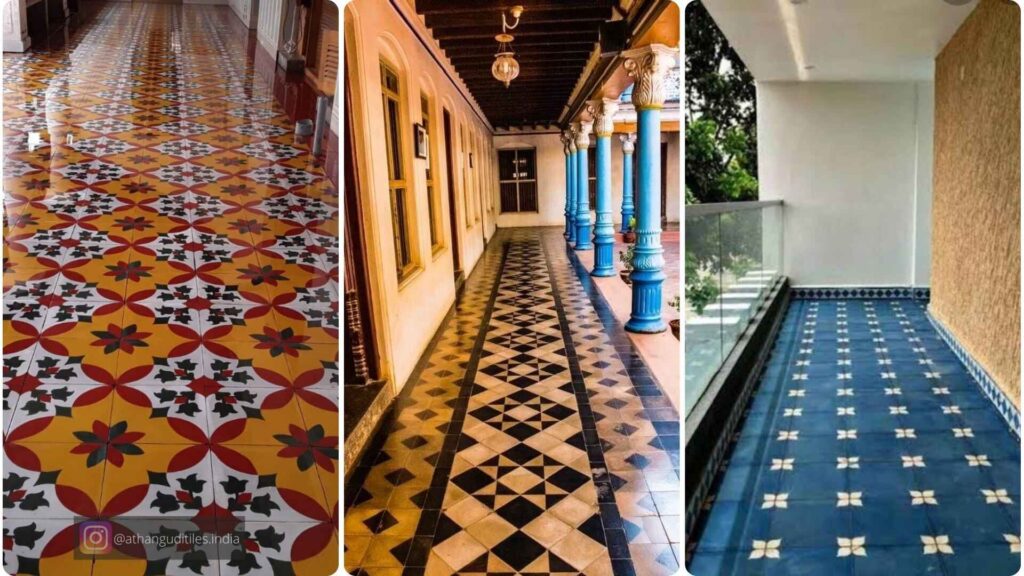
About Future Stiles Future Stiles is a relatively new player in the tile industry, but it has quickly gained recognition for its innovative and modern designs. The brand focuses on merging cutting-edge technology with artistic craftsmanship to create unique and visually appealing tiles. Facebook Twitter Instagram Linkedin Latest Post Athangudi Tiles – History, Price, Designs & Modern Athangudi Tiles India’s most exquisitely crafted hand-made tiles, Athangudi tiles, display exceptional artistry, colour, and intricate design. Over time, many different artistic styles have flourished, but today, we focus on tiles made from the Chettinad district, Athangudi village, located in the southern Indian state, Tamil Nadu. For centuries, palaces, temples, and homes have utilized the artistic skills of craftsmen from the region, allowing their tiles to earn their right to be called masterpieces. Modern Athangudi tiles still retain their original style via their design, while meeting the demands of today by using an ecologically sound manufacturing process; their design incorporates colour and geometric patterns, all the while being extremely durable. This guide will detail contemporary Athangudi tiles, their styles and designs, pricing, and of course, their history. Don’t Wait to Impress – Connect with Us for Stylish Athangudi Tiles Have Questions? We Have Answers. Let’s Connect Click Here What Are Athangudi Tiles? In Sivaganga district of Tamil Nadu’s Chettinad region, lies the small village of Athangudi, known for its production of Athangudi tiles, which are handcrafted decorative tiles. Athangudi tiles consist of sand, cement, and natural colors, and are made by placing molds and glass plates on a mixture to create a smooth and glossy finish. Each Athangudi tile is made using only traditional, age-old techniques. Whereas modern day ceramic tiles are made by machines, these tiles do not see a single machine during the production process. Each tile is made by hand, and is therefore different and even more impressive. Additionally, no kilns are used in the production process. This makes the process of making these tiles sun-dried, which is a great alternative of making tiles in a more environmentally harmful and energy-consuming way. In modern design and decor, Athangudi tiles are a great way to achieve a vintage or retro aesthetic, and are therefore used in: Courtyards and verandas Flooring in traditional homes Heritage buildings Boutique hotels and resorts Contemporary interiors with a vintage or retro touch Their aesthetic and artistic finish and cement use in the production process. Download Catalogue Athangudi Tiles History Over five centuries, the making of the Athangudi tiles has developed along with the ancient architectural legacy of the Chettinad area of Tamil Nadu, South India, making it one of the oldest, if not the oldest, Indian tile making traditions. The Beginning of the Chettinad Tiles The Chettinad region was, and to an extent still is, the home of the Chettiar traders, an ethnoreligious group of people with a documented history of being wealthy and connected traders throughout Southeastern Asia. Because of their settlements there, the Chettinad region is dotted with lavishly constructed mansions. The merchants also needed special tiles to beautify their interiors. At first, Chettinad received many tiles from European and Japanese countries. However, a significant number of the tiles, due to their fragility, arrived broken. This state of affairs stimulated a tile-making market in the Athangudi village, which from then on began the unique production of Athangudi tiles. Popularity and Spread of the Craft The spread of the tile-making industry in the Athangudi village was very rapid. It led to a phenomenon where all, or at least most, of the families in the village recruited the service of their children to pass it on to the next generation. At the present time, most of the tile making factories still practice their artisanal production and still do it in a style that was traditional to the time of their founding. The tiles soon became a defining element of Chettinad architecture and were widely used in: Heritage mansions Temples Public buildings Traditional houses Their popularity gradually spread across India and even internationally. How Athangudi Tiles Are Made Athangudi tiles are produced using a complicated and extensive process involving many steps and skilled labour. Step 1: The Frame An iron mod frame is laid on top of a glass sheet. The glass sheet will give the tile a nice glass finish. Step 2: The Pattern The coloured pigment is poured into the frame to make a geometric or floral design. Step 3: The Concrete A mixture of cement, sand, and water is poured over the pigment. Step 4: The Set The tile will set for a few minutes and the frame must be removed carefully. Step 5: The Sun Tiles are not fired in a kiln; instead, they are put in the sun to dry. Step 6: The Polish Tiles are polished to finish the process. This process is done by hand, and so each tile is unique. Athangudi Tiles Designs A major reason people are drawn to Athangudi tiles is the dizzying number of designs available. These tiles are known for their bright and varied designs, ranging from simple geometric shapes to complex and intricate traditional designs. Some of the most common designs of Athangudi tiles include: Geometric Shapes Of all the possible designs available, geometric shapes are the most used. You may commonly find geometrical designs such as squares, diamonds, and stars, arranged in an intricate and symmetrical fashion. Floral Patterns From nature, and particularly the world of botany, the floral pattern is perhaps the most used in Athangudi tiles. You can find floral designs of decorated borders as well as leaves. Chettinad Traditional Patterns The region of Chettinad is known for bold patterns and symmetrical arrangements. Athangudi tiles feature many such designs, and generally pay homage to the heritage of that particular region. Border Designs Athangudi tiles are often used with decorative borders to frame flooring areas. Personalised Arrangements Artisans can also create arrangements based on how customers would like their tiles to be. Some of the most common color
Top 30 Best Tiles Design for Hall and Bedrooms
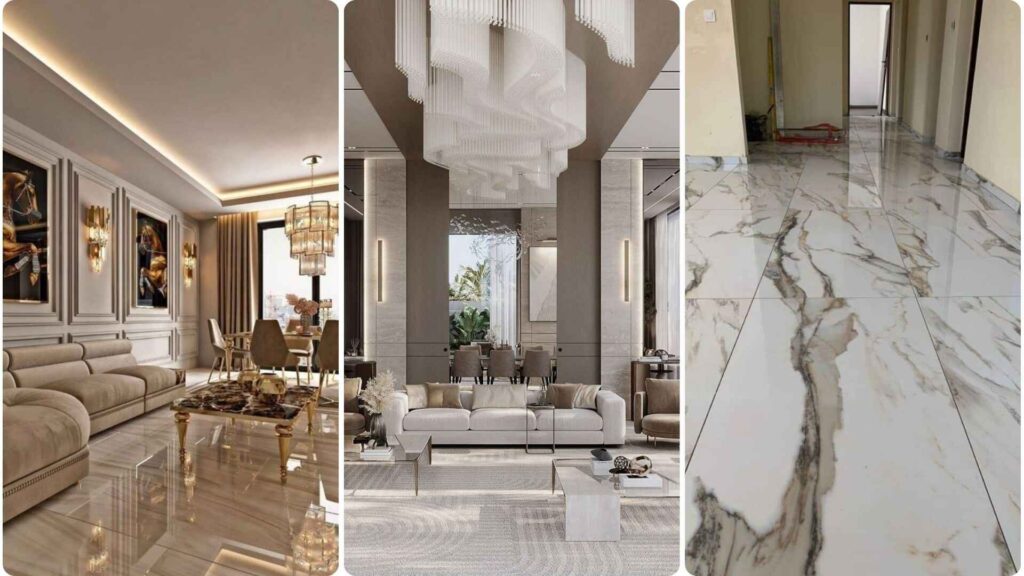
About Future Stiles Future Stiles is a relatively new player in the tile industry, but it has quickly gained recognition for its innovative and modern designs. The brand focuses on merging cutting-edge technology with artistic craftsmanship to create unique and visually appealing tiles. Facebook Twitter Instagram Linkedin Latest Post Top 30 Best Tiles Design for Hall and Bedrooms Popularly known as the core of the house, the hall is the spot for family and guests to convene and for making acquaintances. The flooring material in this space is also vital in creating the look and feel of the whole area. With so many choices available, finding the perfect tiles for your hall will enhance the appearance and function of this space. This article discusses the different kinds of tile designs that you can use in your hall and some advice on how to pick the most appropriate ones. Don’t Wait to Impress – Connect with Us for Stylish Modern Hall Tiles Have Questions? We Have Answers. Let’s Connect Click Here Understanding the Role of Tiles in Hall Design Tiles are not just seen as flooring material but as a way of designing the space. The right tiles can: Complete the overall look of the hall. Have great durability and resist damage. Not require much maintenance especially when used in busy spaces. Have the ability to be applied in various designs about the decor. Download Catalogue 2. Popular Tile Materials for Hall Flooring Selecting the right type of material is very important to ensure aesthetics does not take precedence over practicality. Some of the most used materials for hall tiles include: Ceramic Tiles Features: Cheap, easy to clean, and a wide range of designs. Best For: Houses in low foot traffic or minimalist-designed houses. Porcelain Tiles Features: Heavier, harder, and more resistant to moisture and dirt. Best For: Halls that experience heavy foot traffic as well as households that have children or pets. Marble Tiles Features: Opulent, sophisticated, and classic. Best For: Big halls where a statement is desired. Wooden Finish Tiles Features: Preserve the appearance of genuine timber while having the longevity of tiles. Best For: Great for relaxing, rustic, or even modern-styled hall designs. Vitrified tiles Features: High strength, glossy finish, and low moisture absorption. Best For: Great for modern halls that are sleek and shiny. 3. Tile Design Trends For Hall Tiles have come a long way serving every homeowner a wide variety of style options. Here are some designs that are on the rise recently: Geometric Patterns Why It Works: It is visually dynamic thanks to its sense of modernism and shape composition. Tip: Use combined with a neutral wall so as not to dominate the area. Natural Stone Look Why It Works: Has warmth and also an earth feel. Tip: Provide an all-over view by using comparatively bigger tiles. High-Gloss tiles Why It Works: Accentuate light hence it makes the hall look larger and bright. Tip: Highly recommended for small halls or halls with little exposure to sunlight. Monochrome Tiles Why It Works: They look elegant, add value, and are suitable for many people. Tip: Combine matte with glossy tile to provide design depth. Mosaic Tiles Why It Works: They provide great complexity for the designs and key points of focus. Tip: Only emphasize specific areas like doorways, by using these. 4. Choosing the Right Tile Size for Your Hall The area covered by the tiles can definitely let one have a sense of spaciousness but that also depends on how many grout lines the tiles have. Large Tiles: (24×24 inches or above) Large pieces work best on extensive halls and they tend to eliminate a lot of grout lines as well as cut them down. Medium Tiles: (12×12 or 16×16 inch tiles) These seem to be the most favorable as they suit most of the hall sizes. Small Tiles: (6×6 inches or less) although they allow you to create many beautiful patterns it is best not to use them in large amounts in one space as they might make it look claustrophobic. 5. Colour Combinations for Hall Tiles The color of your tiles determines the ambiance of your hall. Following are a few combinations that are seemingly popular. Neutral Shades Why it Works: Even, gentle colors serve as a basic versatile background. Good Examples: Beige, grey-white, and a few other tones. Bold and Vibrant Colors Why it works: Helps in adding more life and character. Good Examples are deep blue or green and terracotta. Black and White Why it works: Timeless and elegant. Good Examples: Classic or Modern usages are always check board or geometrical patterns. Earthy tones Why it works: Evokes memories of warm natural settings. Good Examples: are sandstone, rust, olive, and many more. Metallic Finishes Why it works: Stems from ornate and modern times. Examples: Gold, silver, bronze even a dull accent. 6. Maintenance Tips for Hall Tiles In order to maintain the cleanliness of your hall tiles, the following could be done; Regular Cleaning: Making sweeping and mopping routine will help to minimize the accumulation of dust particles. Grout Care: the lines in between the tiles should be cleaned using a grout cleaner. Avoid Harsh Chemicals: An alternative to a pH-based cleaner should be selected. Seal porous marble tiles with sealants to enhance their durability and resistance against wear. Cost Considerations Depending on the material, type of design, and size, the price of the tiles for your hall varies. Below is an estimation of the expected costs per square foot: Ceramic Tiles: ₹50-₹150 Porcelain Tiles: ₹120-₹250 Marble Tiles: ₹300 -₹1000 Wooden Finish Tiles: ₹150 – ₹500 Mosaic Tiles: ₹200-₹800 A correct estimation of the installation costs considering the Indian number II range which is 40-100 per square foot will also help. 8. Tips for Selecting the Perfect Hall Tiles Understand the space: Inspect the hall dimensions, the amount of light passing in, and the reason for which the hall will be used. Set a Budget: Referring to the upfront price
Wooden Floor Tiles 2×2 Price: A Comprehensive Guide to Cost and Benefits
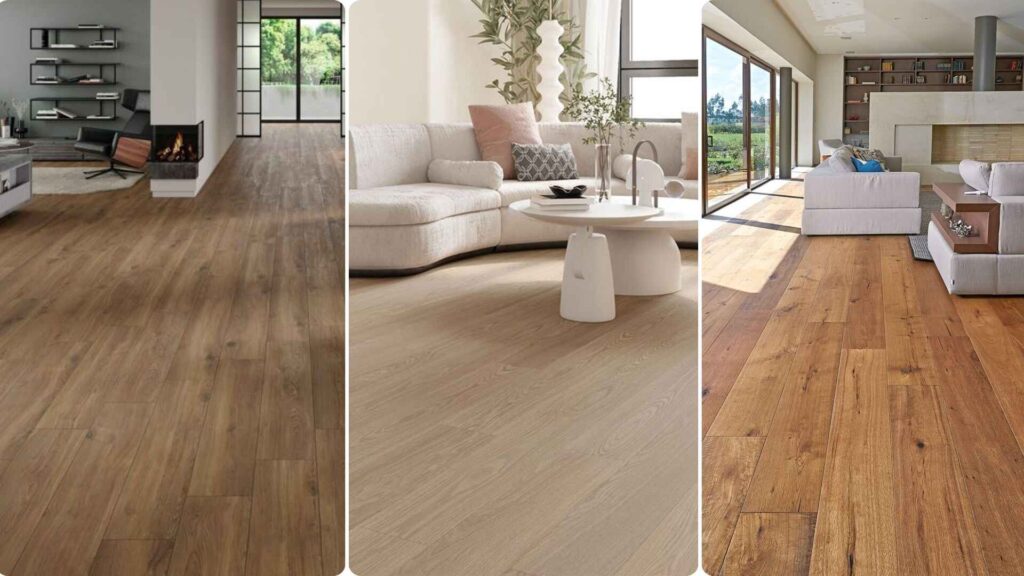
About Future Stiles Future Stiles is a relatively new player in the tile industry, but it has quickly gained recognition for its innovative and modern designs. The brand focuses on merging cutting-edge technology with artistic craftsmanship to create unique and visually appealing tiles. Facebook Twitter Instagram Linkedin Latest Post Wooden Floor Tiles 2×2 Price: A Comprehensive Guide to Cost and Benefits Tiles of wood have been gaining traction as a go-to for homeowners and designers alike owing to how beautiful and durable they are. In case you are going for a wooden tiles floor, particularly considering 2×2 size wooden floor tiles, understanding the cost and the features impacting it will help you in making a conscious decision. This guide will focus further on the cost, benefits, and influencing factors of 2×2-sized wooden tiles to get the best-suited wooden tiles for your home. What Are Wooden Floor Tiles? A wooden floor tile is a tile that looks like a natural wooden floor, but it is made of ceramic, porcelain, or engineered wood which is more durable. It offers the beauty of wood with the robustness and maintenance simplicity of tiles, which makes them an excellent substitute for normal wood flooring. These 2×2 tiles are of dimensions 2 inches by 2 inches (approximately 60cm x 60cm). Due to its better proportions, this size complements several spaces including but not limited to living rooms, bedrooms, and offices, and is therefore widely used in modern interiors. Download Catalogue Price Range of Wooden Floor Tiles (2×2) Purchasing 2×2 wooden floor tiles may vary greatly regarding their material, design, brand, and location. Therefore, the following formulates an average price range: Ceramic Wooden Floor Tiles Price Range: ₹50-150 per square foot. Features: It’s cheap, has different patterns similar to wood, and best applied in low traffic areas. Porcelain Wooden Floor Tiles Price Range: ₹120-300 per square foot. Features: This is tougher than ceramic, more stain resistant and recommends its usage in high traffic buildings such as kitchens and bathrooms. Engineered Wood Tiles Price Range: ₹200-500 per square foot. Features: Incorporates wood veneer and a strong core and enables the user to have the appearance of real wood with better performance. Luxury Vinyl Tiles (Wood Finish) Price Range: ₹100-250 per square foot. Features: They’re inexpensive, waterproof and have pleasing wooden textures ideal for all rooms. Factors Affecting the Price of Wooden Floor Tiles The price of 2×2 wooden floor tiles is influenced by various aspects, as such a comprehensive guide will help pinpoint the most favorable aspects for your budget and requirements: Material Ceramic tiles are most often less expensive but are not as strong as porcelain or engineered wood may be. Porcelain and engineered wood tiles are costlier because they are of a better standard and are made to last longer. Brand An established brand with a premium name will command a higher price because of its branding, assurance of product quality, and distinct designs. Design and Finish Tiles that have intricate wood-grain patterns or high-definition finishes are likely to be more expensive. Matte finish and other textured surfaces may also cost more than simple polished finishes. Location The prices differ from one setting to another, cities in most cases have higher prices due to transport costs and demand. Installation Costs. When installing 2×2 tiles, labor charges range from $40-100 per square foot depending on the design, region, and other variables. Benefits of Wooden Floor Tiles Decorating the interior of your home using wooden floor tiles significantly enhances the general outlook and class of the house. These can be a good addition as they tend to have several advantages. But how many? More than you can think. For instance: Durability Furniture pieces such as chairs tend to wear and tear with time, hence many prefer using wooden furniture as they have the tendency to outlast most materials. That is exactly why wooden flooring tiles are such a great use. They have a unique feature inbuilt into them. They are scratch resistant, moisture as well as impervious to excessive wear. Low Maintenance Easy maintenance is certainly a factor one always looks for when deciding to decorate their houses. In that case, wooden flooring tiles tend to require less maintenance than most complex materials. Skipping out on regular polishing and sealing significantly tends to lower the overall maintenance cost over time. Cost-Effective Hardwood flooring, at times, could be expensive. This is where wooden tiles come in. Due to a number of materials, including Vinyl and Ceramic surfaces, wooden tiles are less expensive than hardwood flooring. Versatility It often becomes an issue for customers to find exactly what they are looking for. This also applies when looking for tiles that fit perfectly for your desired room. However, wooden flooring tiles can be applied in any room, and this can be due to the wide range of colours, designs and shapes they are offered with. Eco-Friendly Options More and more brands are now focusing on developing an eco-friendly environment. The eco-friendly initiatives consist of integrating recycled products in their goods, which makes them an ideal option. Popular Applications of 2×2 Wooden Floor Tiles 2×2 wooden floor tiles are multifunctional and as follows: Living Rooms Wooden floor tiles will fit perfectly in the living room especially if the interior needs to be warm and inviting. Wall and rug designs can be completed with neutral for a look that is modern. Bedrooms Darker wood tones can be applied in the bedroom for a more sophisticated and elegant touch that is still cozy all at once. Kitchens In need of moisture and stain-resistant tiles, porcelain wooden tiles will work wonders throughout the kitchen. Offices Worry no more about how your workspace looks as wooden floor tiles will provide a professional and polished look while the cost remains affordable. Outdoor Areas Spend time outdoors comfortably by choosing weatherproof tiles for your patio or balcony that will match perfectly. Tips for Choosing the Right Wooden Floor Tiles Consider Your Budget Consider how much you’re willing to spend overall