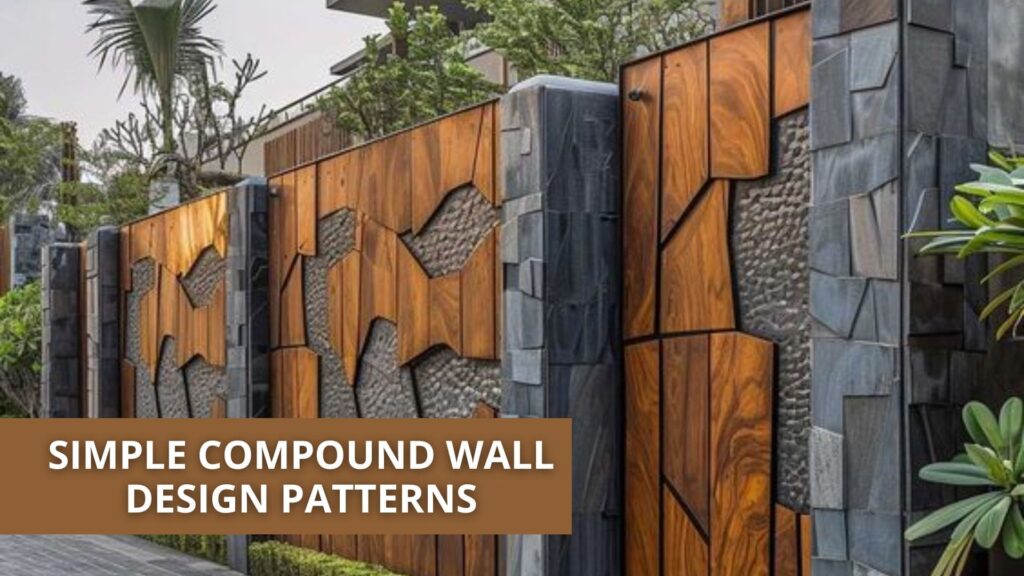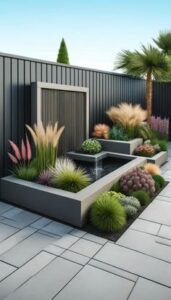
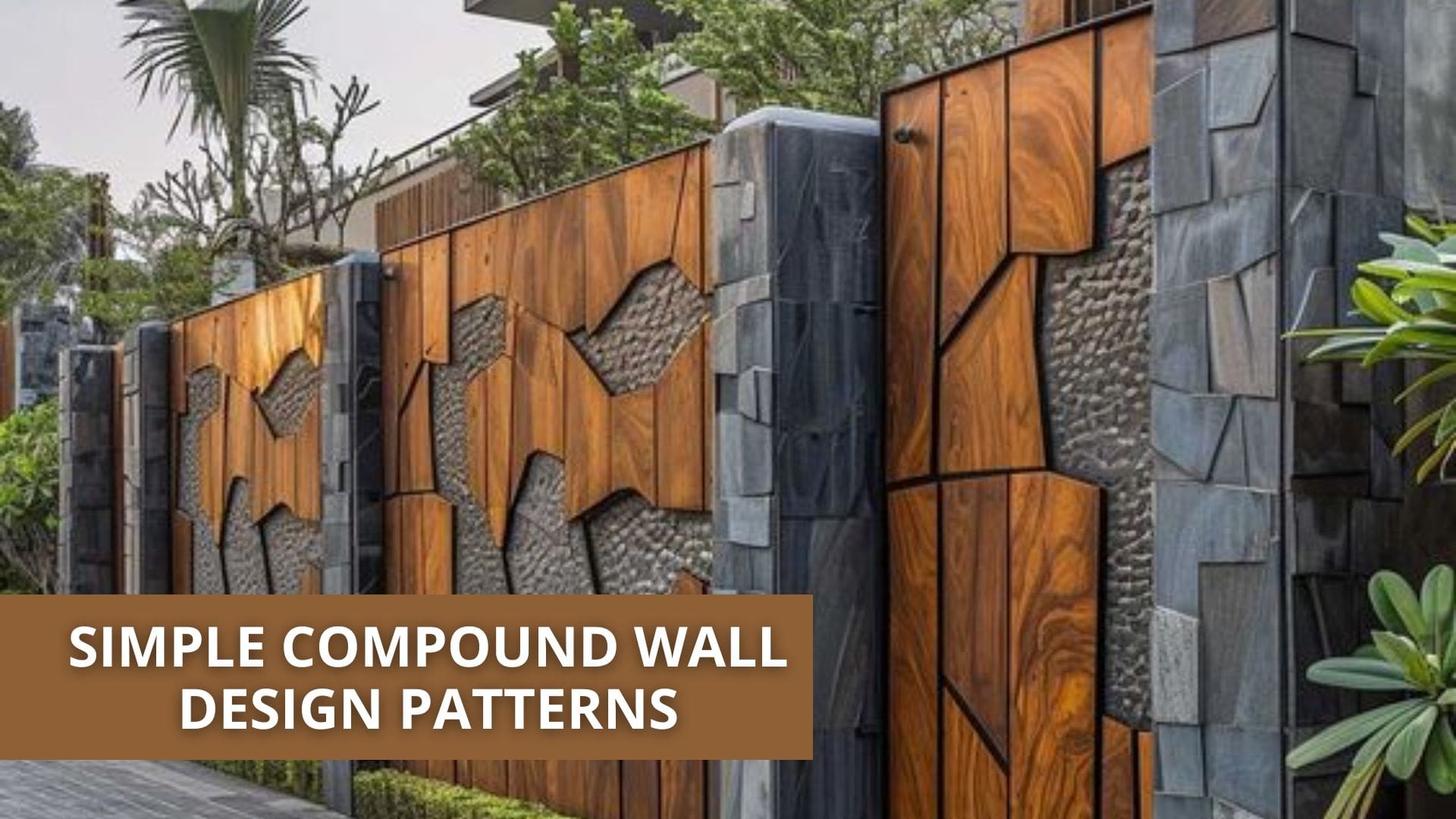

Simple Compound Wall Design Patterns: Combining Elegance and Functionality

Simple Compound Wall Design Pattern

Simple Compound Wall Design Patterns: Combining Elegance and Functionality

Compound walls, which most people ignore, serve as the first impression of a property even though they are often just viewed as fences. They constitute the outer element of the house or a building, which gives the courtyard or grounds an order and security. However, aside from their functional use, compound walls offer a lot of aesthetic value as well. Good or even beautiful design of the compound walls is functional as well as enhances the overall look of the property. Modern minimalistic patterns of compound walls became very popular in the last several years, which due to their simplicity visually suit the buildings of many styles. This article covers the various designing aspects of simple compound wall patterns and conveys easy and helpful ways of constructing a fence that is not only practical but also artistic. 

Don’t Wait to Impress – Connect with Us for Stylish Compound Wall Tile Designs

Have Questions? We Have Answers. Let’s Connect

Click Here

1. The Importance of Simple Compound Wall Design

These simple compound wall designs are appreciated by many users due to their sophisticated nature. As opposed to complex or ornamental designs, simple patterns eliminate excessive details, and structure the designs to basic lines and symmetry which can be related to many buildings, may it be modern and recent versus old traditional or rustic. These aren’t just decorative designs; there are also various functions served by these: 

  • Security: The very primary purpose of having a compound wall is security and protection. There can still be very simple designs that involve the use of tough copies and or materials even when style is not something to worry about..
  • Privacy: Compound walls designed and built with care keep away outsiders but have an open, breezy feeling inside.
  • Curb Appeal: Even after a minimal effort of erecting the wall, the property looks attractive than before increasing its chances of selling at a higher value.
  • Durability: Most of the basic designs do tend to employ the cheap materials whose maintenance is low thus serving the purpose without any strain.

2. Materials for Simple Compound Wall Designs
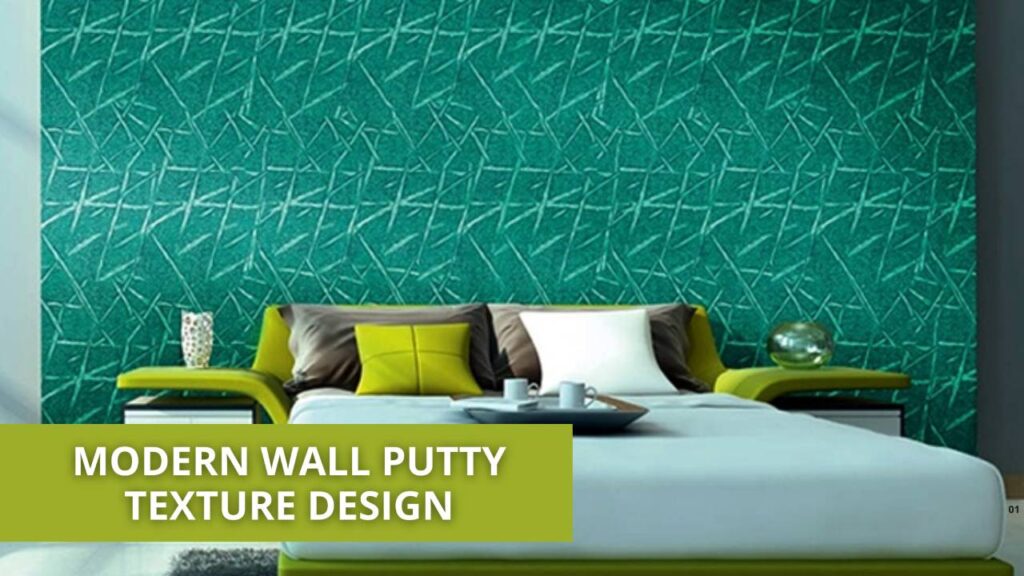
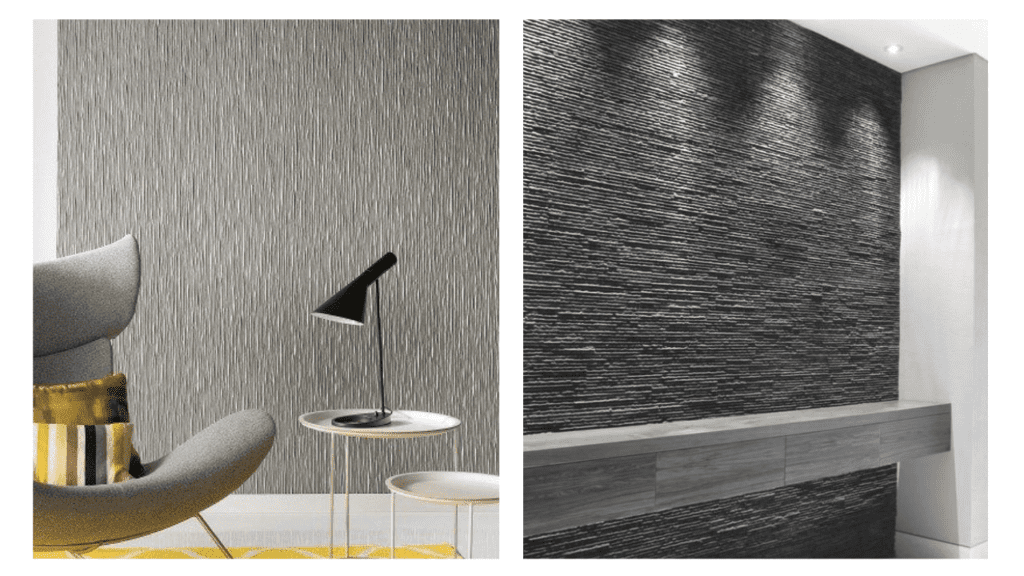
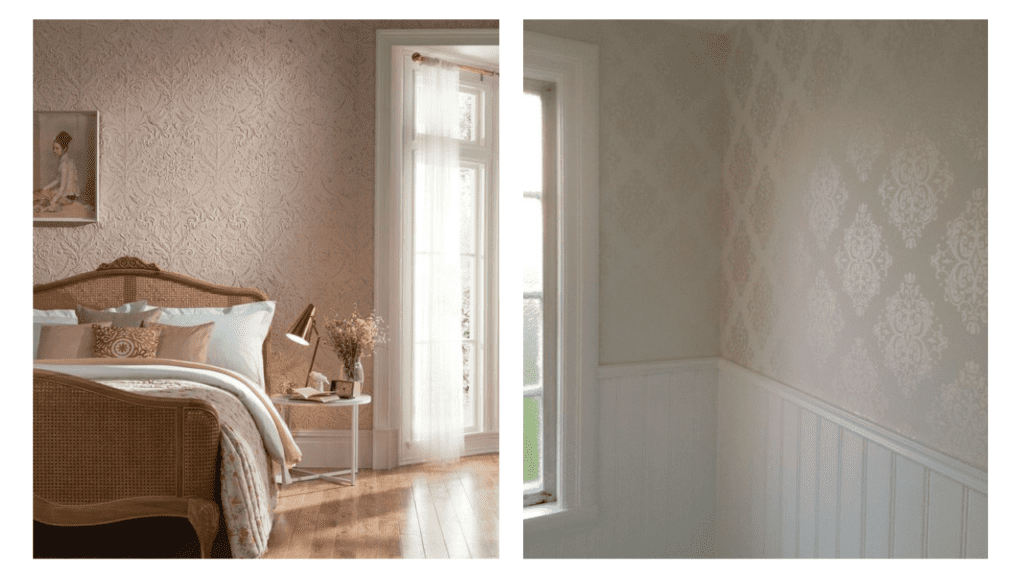
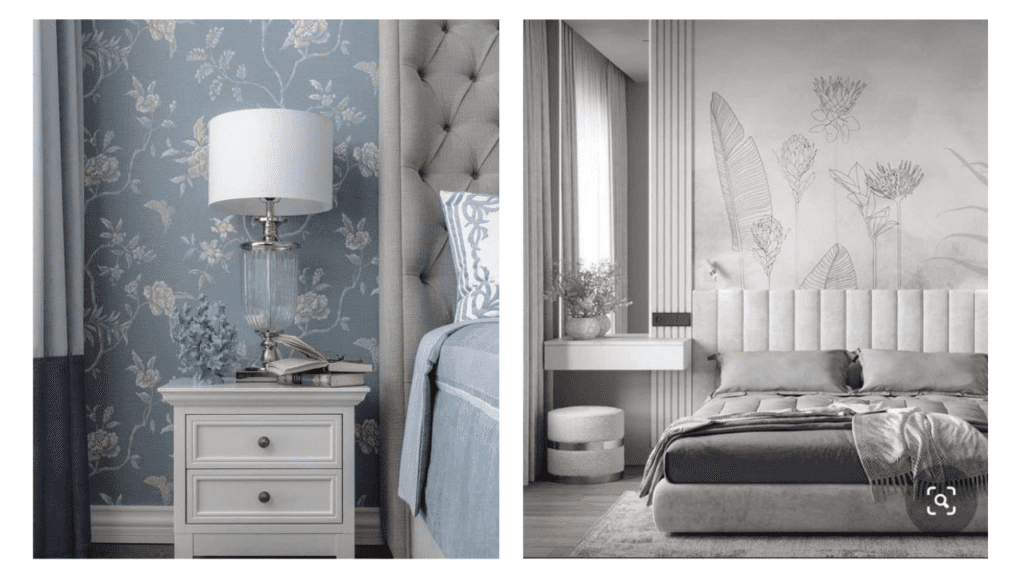
Wall Putty Texture Design

Material selection is one of the factors that determine the effectiveness and the aesthetics of the construction of the compound wall. Here are the common materials utilized in contemporary-style compound walls.

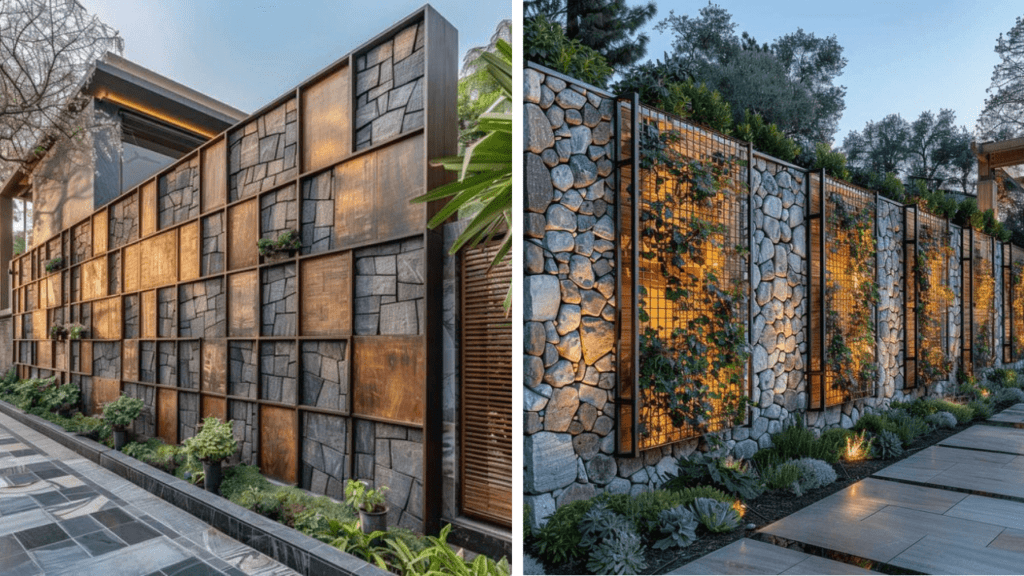
Concrete: Concrete is a common material for wall compounds due to its stability, affordability, and versatility. It can be part of different forms and textures offering lots of variables on designs. Concrete walls could be left as it is or could also be colored basing to the recommendation of the building’s color scheme.

Brick: Walls created from bricks always have a class and can be used in simple patterns that stand out. The bricks surface offers an impression unlike other materials and so when combined with different laying techniques, which could be running bond, stack bond or Flemish bond produces a rather excellent pattern.

Stone: Stone walls naturally give the building a countryside appeal and are best suited for a rural country. Simple geometric patterns can be constructed out of granite, sandstone, or limestone to make an attractive and durable wall.

Wood: The wooden compound walls are also very attractive and are quite green to the environment. They are very appropriate for lots that incorporate elements of nature or have a minimalist concept. Wooden slates can be positioned parallel, perpendicular or at an angle to each other to form a simple yet beautiful motif.

Metal: The other type of compound wall, metal-based, usually used and create a sleek design is steel or iron. Such design of walls mostly has geometric figures/shapes or a lattice pattern which is aesthetically pleasing and secure.

2. Benefits of Modern Wall Putty Texture Designs
Simple Compound Wall Design Pattern
  1. Aesthetic Appeal: With the help of modern wall putty texture designs, a variety of aesthetic ends can be achieved. These range from light textural treatments with an aim of bringing out details of walls to extreme texturing that is attention catching, though the list of textures on offer is practically endless. Whether one leans towards a minimalist appeal of plain and smooth untextured wall surfaces or impressive features flaunting intricate designs, there is always a wall putty style that will meet the standards.
  2. Durability: One of the tiniest wrongs while using wall putty for textured designs is it‘s durability. Wall putty is impervious to moisture, does not crack or peel easily making it the best option on surfaces that tend to be abused. Regular paints or plaster surfaces are liable to wear and tear and as such needs a lot of repairs or retouches but extreme for wall putty texture designs are long within time and need less attention.
  3. Cost-Effective: Textured designs in that wall putty, is great to save a lot of money on walls decoration. The varieties of decent wall scrolls and textured paints, rich and beautiful but very expensive, are mostly avoided as wall putty as an alternative to walling designs achieves the same quality at lesser price. On the other hand, using wall putty means that you will not have to spend a lot of money on repairs and maintenance.
  4. Versatility: Wall putty can and is very much multi-purpose applied creating various textures and patterns. If it is ate it can be brought back whereby for designs wall putty is rough rustic or sleek and modest. Also, any color can cover it which lets you further decor your walls.
  5. Smooth Finish: Apart form making decorative designs with a wall putty, it is also useful in giving a smooth even most hna difference finish on the wall. This is of utmost importance especially where high gloss paints are to be used because all the surface imperfections are going to be magnified. Smoothening the walls not only adds the aesthetics of the wall but also helps the paint sticks on properly and this makes the work more appealing in the end than if it was all painted as is.
  6. Improved Paint Adhesion: Wall putty is also beneficial as it makes the paints to stick rather better than just texturizing the walls. When wall putty is skillfully done, it becomes the boundary of paint whereby the dice of face paint is carefully spread without little to no risk of its peel off. This makes the paint last and appear more also to the eyes.
  7. Environmental Benefits: Most of the wall putties manufactured today can be considered to be green in nature and are thus suited for natural home interiors. The products contain a low amount of volatile organic compounds which means that they have low emission of harmful gases. Choosing such environmental friendly wall putty means that you are able to improve the quality of the indoor environment and Lower your exposure to greenhouse gasses.
3. Design Patterns for Simple Compound Walls
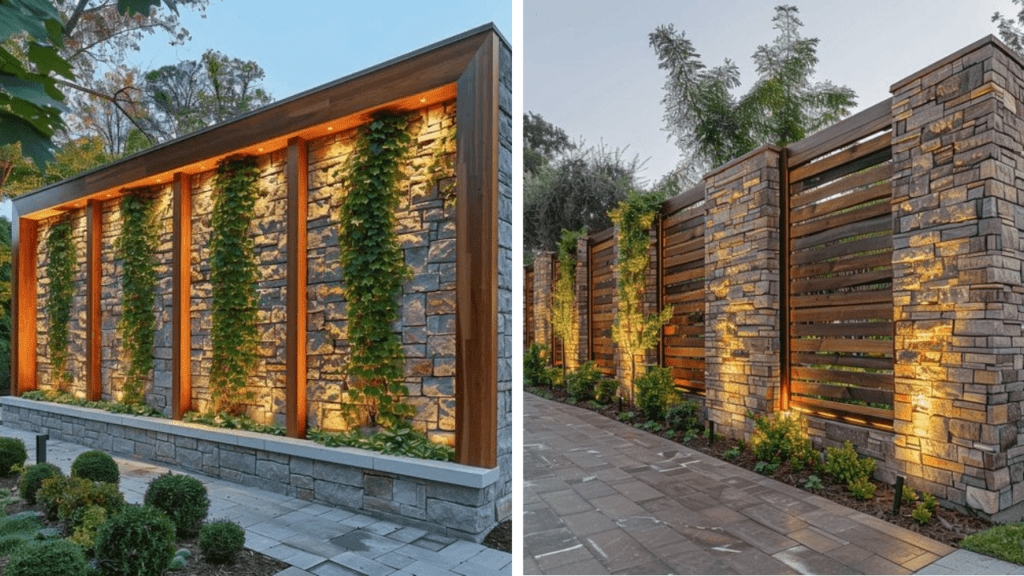
Simple Compound Wall Design Pattern

The design concepts are quite basic to interpret, however, they do not make them any less appealing. Here are a few pictures of the popular patterns for simple compound walls:

  • Horizontal and Vertical Lines: Incorporation of horizontal or vertical lines is among the easiest and most effective techniques that can be applied to achieve simple compound wall designs. Horizontal lines will make the wall look broad and will appear to be swept over horizontally, while vertical lines will increase the height of the wall and will give an elegant feel.
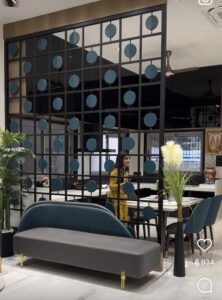
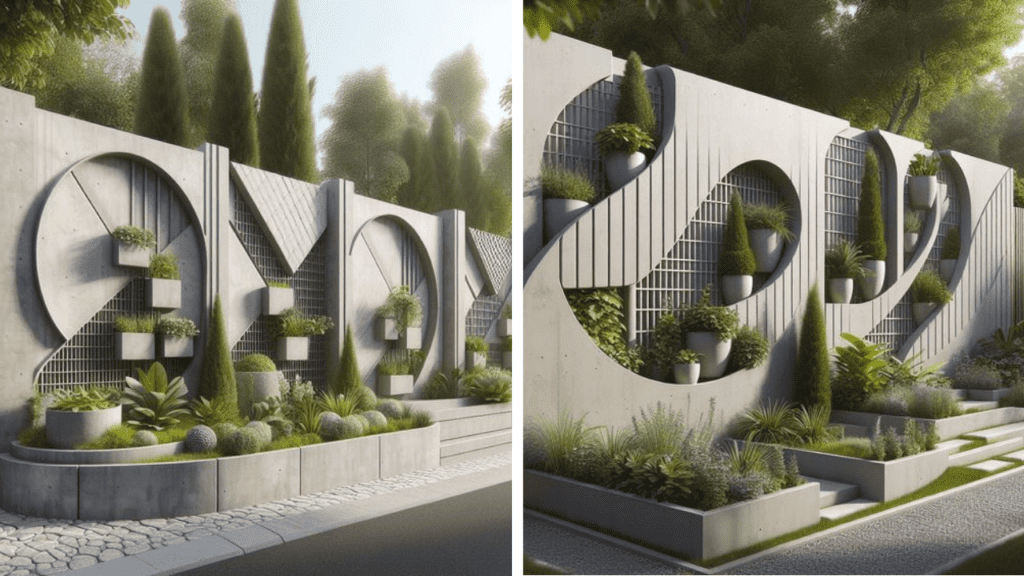
  • Geometric Shapes: Adding geometric shapes such as square rectangles or circles even in a simple compound wall can make it stand out. Such patterns may be inscribed, painted or built up with other materials in order to enhance the dull and featureless wall surface.
  • Textured Finishes: An always plain wall without any designs is always an unpleasant boundary but with a textured finish, it can be stylish. Use of stucco, plaster or even exposed aggregate will enhance and add value to the wall while ensuring the style remains basic.
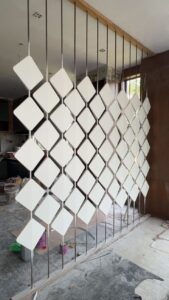
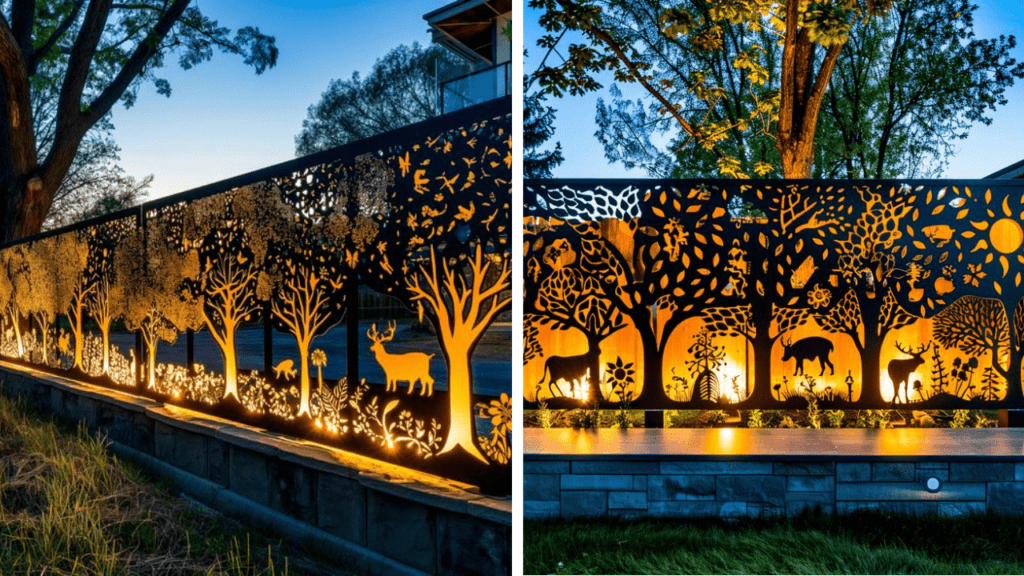
  • Perforated Patterns: Perforated walls also called jaali or lattice walls are walls that combine cumbersome beauty and utility. These walls are provided with smaller openings or cut outs which are arranged in different patterns for the penetration of light and air while retaining privacy. Perforated patterns can be either simple straight lines or grid patterns as they have contemporary looks and delightful atmosphere.
  • Vertical Gardens: Adding green walls has been a recent trend in the design of compound walls since it adds life to the structure rather than making it so rust. In less complicated designs, it entails beautifying portions of the wall with planters or green panels that tend to evoke tranquillity.
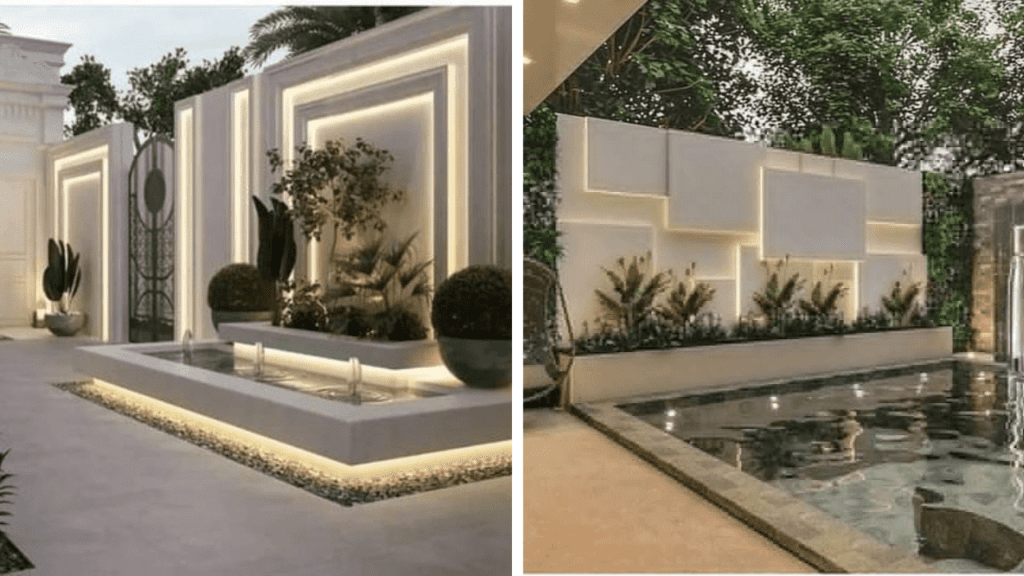
  • Layered Designs: As the name suggests, a layered design is made by even creating different levels or depths on the wall surface etc. These can be done by using different thickness of materials or by providing some ledges and protrusions etc. Layered designs do not complicate the wall too much in terms of fancy addition of other elements which look quite busy.
  • Symmetry and Repetition: Symmetry and repetition is significant design elements in uncomplicated compound wall design. The arrangement of bricks, stones or metals in a repeated pattern is pleasing to the eye due to the harmony and order it creates.

4. Color and Finishes for Simple Compound Wall Designs
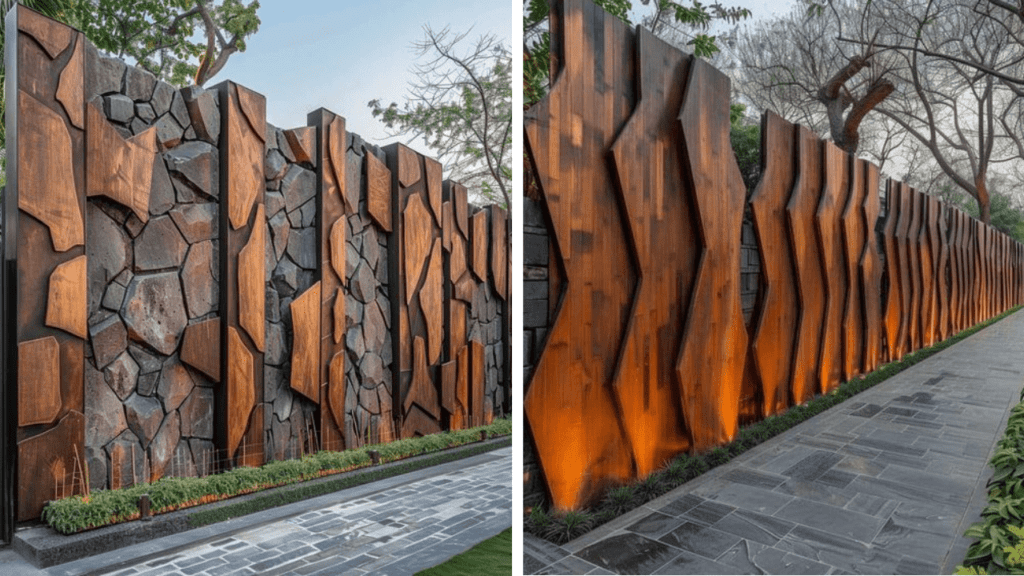
Compound Wall Design Pattern

Color affects the aesthetic value of a compound wall and its usage in construction is worth noticing. In plain designs, color schemes can help the wall either to merge with the environment or, if emphasized, to appear as a purposeful detail. Following are some guidelines for color and finishes:

  • Neutral Tones: For simple compound wall structures, neutral tones such as white, gray, beige and light-toned earth colors are preferred. These colors have elegance and can be easily assimilated with the natural surroundings.
  • Monochromatic Schemes: A monochromatic color scheme is one which includes use of a single color in varying tints and shades. It is one of the best schemes that works especially on simple wall design and adds not only interest but a whole new dimension as well.
  • Combining Colors: The more daring alternative of combining colors can be used to appeal to specific parts of the wall. For instance, a dark lower wall can be seen to have light upper walls as opposed to painting the whole wall where the upper section only has a little bit of paint.
  • Apply Natural Finishes: Simple designs also work well in enhancing love towards the finish of materials such as wood, stone, or concrete Emphasis of where brick walls thanks to the rawness or unclad finishes of concrete fits in this contemporary while retro manner.
5. Integrating Lighting into Compound Wall Designs
Wall Putty Texture Design

One of the components of the design of compound walls that is not usually given enough attention is wall lighting. All these calls for proper wall lighting as well as incorporating it into the whole design as well. Lighting features like outdoor wall sconces can be integrated into the design of a compound wall in simple ways as outlined below:

  • Uplighting And Downlighting: Uplighting is lights placed on the bottom part of the wall and are designed to shine towards the upper part of the wall. Downlights illuminate towards the ground from above the general structure. In all, the texture of the wall inclusive of pattern and architectural details can also be highlighted using these other two techniques.
  • Backlighting: Backlighting is the arrangement of light sources behind parts of the wall which have holes or are made of translucent material in order to provide a glowing effect. This is very effective in jaali or lattice designs as the light gets through the cutouts and makes beautiful shadows and patterns..
  • Recessed Lighting: Recessed lights can also be built in the wall structure for aesthetics as well as convenience. The lights are generally low-key and do not interfere with the design as a whole which makes them appropriate for minimalistic wall patterns.
  • Accent Lighting: Among others, accent lighting assists in drawing attention to walls with stylized elements like vertical gardens, textured surface areas or any major feature such as a gate or door. This kind of lighting is effective in retaining the simplicity of decoration while adding a bit more detail in sight.

6. Practical Considerations for Simple Compound Wall Designs
Wall Putty Texture Design

Even though aesthetics are important, there are also practical aspects that need to be taken into account when coming up with a design for a compound wall. Here are a few important aspects that one should bear in mind:

  • Height and Thickness: The height and thickness of the wall will be governed by the level of security desired. A thinner, shorter wall will make the enclosure less secure but will require less materials and construction time.
  • Gates and Entrances: The form of the gates and entrances shall be in harmony with the design of the wall. To ensure the rest of the wall maintains its cohesive look, the structural designs of the entry points should be very basic and modern with little to no designs on them.
  • Drainage: Effective drainage is necessary to avoid pool of water at the bottom of the wall which will cause structural damage. Make sure that enough care is taken to provide for the runoff of water on a design.
  • Maintenance: Plan for the upkeep of the appropriate choice of materials and finishes. Some finishes or materials make the construction an easy task, but they are sometimes a maintenance headache as they require regular sealing, painting or cleaning.

7. Conclusion

A simple compound wall design patterns are the ideal combinations of usability, safety, and beauty. Mostly these forms would be able to enhance the aggressiveness of a property even as they perform their basic role of offering protection and privacy through clean sharp edges, minimal beauty, and quality materials. Be it a geometric patterned concrete wall, a textured brick wall, or a perforated metal wall, there must be simplicity and sophistication. A simple strategy cover wall can become an integral part of any house provided there is a little effort made in design, material choice as well as precision touch on the wall and the desired aesthetic thereof.
Modern Wall Putty Texture Design: Elevating Interior Spaces with Style and Durability

Modern Wall Putty Texture Design

Modern Wall Putty Texture Design: Elevating Interior Spaces with Style and Durability

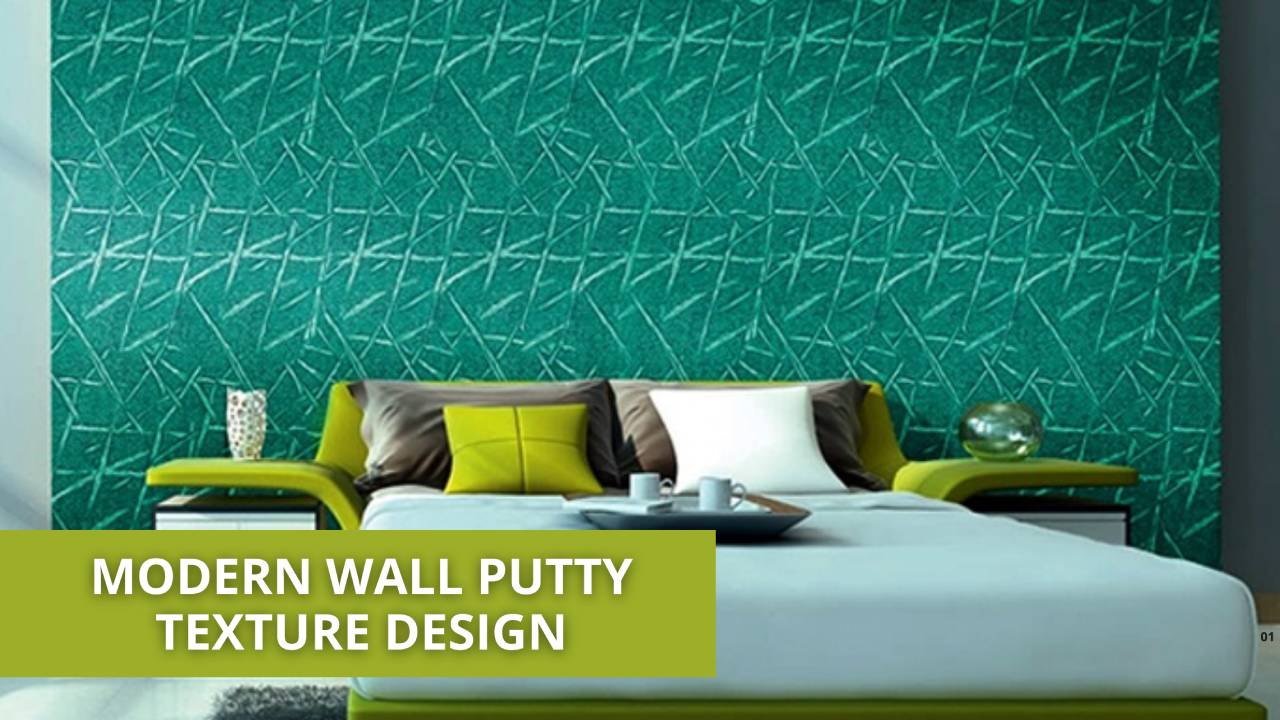
In the interior design sphere, walls cannot only be referred to as utter structural elements; rather, they act as surfaces ready to be worked on by the designer. One of such transformations is the introduction of textures known as wall putty designs. Normal wall putty which used to be employed to prepare surfaces ready for painting has been transitioned into a design element with so many creative possibilities. In today’s world, wall putty texture designs seek a balance between beauty and usefulness, since in addition to giving an attractive appearance, they also help in prolonging the lifespan of the walls.

What is Wall Putty?

Wall putty is a white, powdery substance, which is made from blending water and white cement. Normally these powders help ease the processes of painting on the wall. Aesthetic and technologic movements appropriate the wall putty for more attributes than just wall surface preparation for paint.

1. The Evolution of Wall Putty Texture Designs

As an approach to achieve textures on walls, the use of wall putty has been widely adopted in modern interior design though it is a relatively new idea. Earlier wall textures were developed through use of paint or plaster methods. But there were limitations of these strategies in terms of texture retention and variety of textures. In contrast to these methods, the wall putty comes as a very useful tool as it has the capability of combining any shape and pattern with strength and beauty.

As a result of Westernisation & Urbanisation, there has been a rise in demand for softer alternatives to boring textured paint and wallpaper. And just like the previous quote, all the homeowners and designers want their interiors to be unique and there is a solution wall putty texture designs which. Children or kids are very easy to adapt the use of wall putty sugar to most of the difficulties in texture designs as most textile designers. The aspects of being able to vary textures, while at the same time enabling strength and durability of a wall through the application of wall putty make it increasingly embraced in contemporary homes.

2. Benefits of Modern Wall Putty Texture Designs

Modern Wall Putty Texture Design
  1. Aesthetic Appeal: With the help of modern wall putty texture designs, a variety of aesthetic ends can be achieved. These range from light textural treatments with an aim of bringing out details of walls to extreme texturing that is attention catching, though the list of textures on offer is practically endless. Whether one leans towards a minimalist appeal of plain and smooth untextured wall surfaces or impressive features flaunting intricate designs, there is always a wall putty style that will meet the standards.
  2. Durability: One of the tiniest wrongs while using wall putty for textured designs is it‘s durability. Wall putty is impervious to moisture, does not crack or peel easily making it the best option on surfaces that tend to be abused. Regular paints or plaster surfaces are liable to wear and tear and as such needs a lot of repairs or retouches but extreme for wall putty texture designs are long within time and need less attention.
  3. Cost-Effective: Textured designs in that wall putty, is great to save a lot of money on walls decoration. The varieties of decent wall scrolls and textured paints, rich and beautiful but very expensive, are mostly avoided as wall putty as an alternative to walling designs achieves the same quality at lesser price. On the other hand, using wall putty means that you will not have to spend a lot of money on repairs and maintenance.
  4. Versatility: Wall putty can and is very much multi-purpose applied creating various textures and patterns. If it is ate it can be brought back whereby for designs wall putty is rough rustic or sleek and modest. Also, any color can cover it which lets you further decor your walls.
  5. Smooth Finish: Apart form making decorative designs with a wall putty, it is also useful in giving a smooth even most hna difference finish on the wall. This is of utmost importance especially where high gloss paints are to be used because all the surface imperfections are going to be magnified. Smoothening the walls not only adds the aesthetics of the wall but also helps the paint sticks on properly and this makes the work more appealing in the end than if it was all painted as is.
  6. Improved Paint Adhesion: Wall putty is also beneficial as it makes the paints to stick rather better than just texturizing the walls. When wall putty is skillfully done, it becomes the boundary of paint whereby the dice of face paint is carefully spread without little to no risk of its peel off. This makes the paint last and appear more also to the eyes.
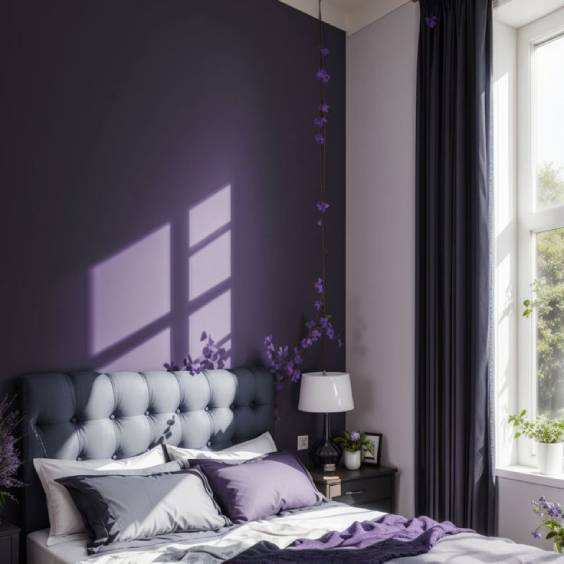
  7. Environmental Benefits: Most of the wall putties manufactured today can be considered to be green in nature and are thus suited for natural home interiors. The products contain a low amount of volatile organic compounds which means that they have low emission of harmful gases. Choosing such environmental friendly wall putty means that you are able to improve the quality of the indoor environment and Lower your exposure to greenhouse gasses.

3. Popular Wall Putty Texture Designs

fluted tiles- designer tiles

Competition among interior decorators is very stiff nowadays, hence the necessity to use only the most attractive, modern finishes. This has brought about the introduction of modern wall putty texture designs. Below are some of the Exquisite wall putty texture designs;

  1. Popcorn Texture: Popcorn texture is a great choice particularly if you are after a rustic appeal to your interiors. The method consists of making a coarse and spiked surface that approximates to kernels of popped grains. This kind of texture is very good for ceilings and walls when you want some texture without being overly dramatic.
  2. Knockdown Texture: The Knockdown Texture consists of Putty being troweled on the surface, and other putty surfaces being shaved with a flat cutting blade. The effect is a light decorative finish that is not overbearing, and provides texture to walls so that they aren’t too flat. And this texture goes well with both vintage and contemporary stylization in the room.
  3. Orange Peel Texture: As the name suggests, the orange peel texture is simply the surface texture of the orange peel. This is done by spraying wall putty onto the wall lightly then after this a roller is used to pull the pasted Putty slightly inflating it. In order to achieve the soft baseline about Orange peel texture flexible texture is perfect untuk sulap for sophistication to any room.
  1. Swirl Texture: The swirl texture involves more elaborate decorative approaches of inflicting circular patterns on the wall. Creating such patterns on walls is fun especially because it adds dynamism to the wall and, hence, it becomes the center of attention in the room. The texture is useful in such environments too since it is extra perfect for rooms with covered decorations since it brings in some perfect effects without conflicting with the extra minimalistic decor.

    In the interior design sphere, walls cannot only be referred to as utter structural elements; rather, they act as surfaces ready to be worked on by the designer. One of such transformations is the introduction of textures known as wall putty designs. Normal wall putty which used to be employed to prepare surface ready for painting has been transitioned into a design element with so many creative possibilities. In today’s world, wall putty texture designs seek a balance between beauty and usefulness, since in addition to giving an attractive appearance, they also help in prolonging the lifespan of the walls.
  1. Comb Texture: As such, the combed texture is a linear texture achieved by pulling wet wall putty across with a comb type of tool. The often-expected result is a coarse array of horizontal lines and curves which in turn give a modern structural style onto the walls. This texture is conducive to modern designs and especially to areas where a sense of motion and flow is to be created.
  1. Skip Trowel Texture: The Skip Trowel texture is more of a freehand and free-formed pattern wherein wall putty is first applied and then skipped over. There texture also consists of several overlapping ridges and valleys which give the wall a natural and earthy appearance. Such texture works well where a calm and carefree ambience is required in the room.

4. How to Create Wall Putty Texture Designs

Wall Putty Texture Design

Applying wall putty for texture design is a simple method for every individual including professional and amateurs. These are the steps you follow:

  1. Surface Preparation: The surface has to be prepared before applying wall putty. The wall has to be wiped clean of dust, dirt and any loose paint so that there will not be any particles present on the surface that may prevent adhesion of the putty. Any such imperfections should be repaired with appropriate putty and wood work shall be sanded to obtain an even finish.
  2. Mixing the Putty: To make a smooth paste, wall putty needs to be mixed with water. To get the desired texture, the consistency of the putty will also matter. For thicker textures, resin based paste will be used. For smooth texture resin based paste will be thin.
  3. Applying the Putty: The wall putty is applied on the wall mainly with the help of any trowel, roller, or spray gun according to the wall’s texture design. More elaborate illustrations may employ combs, brushes sponge or other special implements for creating patterns and effects.
  4. Forming the Texture: After applying the putty, texture is formed on the surface of the material with the help of various tools. In this, a comb can be pulled through the putty, a pattern can be applied to the dried surface and so on and so forth with a trowel adding edges making it bumpy.
  5. Drying and Finishing:  As soon as the texture is formed the putty is allowed to dry up. Later when dried, the outer layer can be very gently sanded to eliminate the rough surfaces and achieve a smoother look. The wall may then be painted in any one of the available colors.

Conclusion

The modern day wallputty texture designs are decorative and of practical relevance in enhancing the interior spaces. Wall putty is available in a large number of textures and patterns which allows homeowners and designers to design the walls, personalize the walls to more of what reflects who they are. You can either go for subtle and classy wall putty decorations or you can go for bolder statement walls that don’t breeze through. Decorating your walls with wall putty textures & designs is the easiest way to give an aesthetic look and strengthen the structure of the walls at the same time. These wall putty texture designs are likely to be the next big thing in the world of interiors owing to the increasing demand for an interior that is unique and personalized.

Decorative PVC Ceiling Design: A Modern Solution for Stylish Interiors

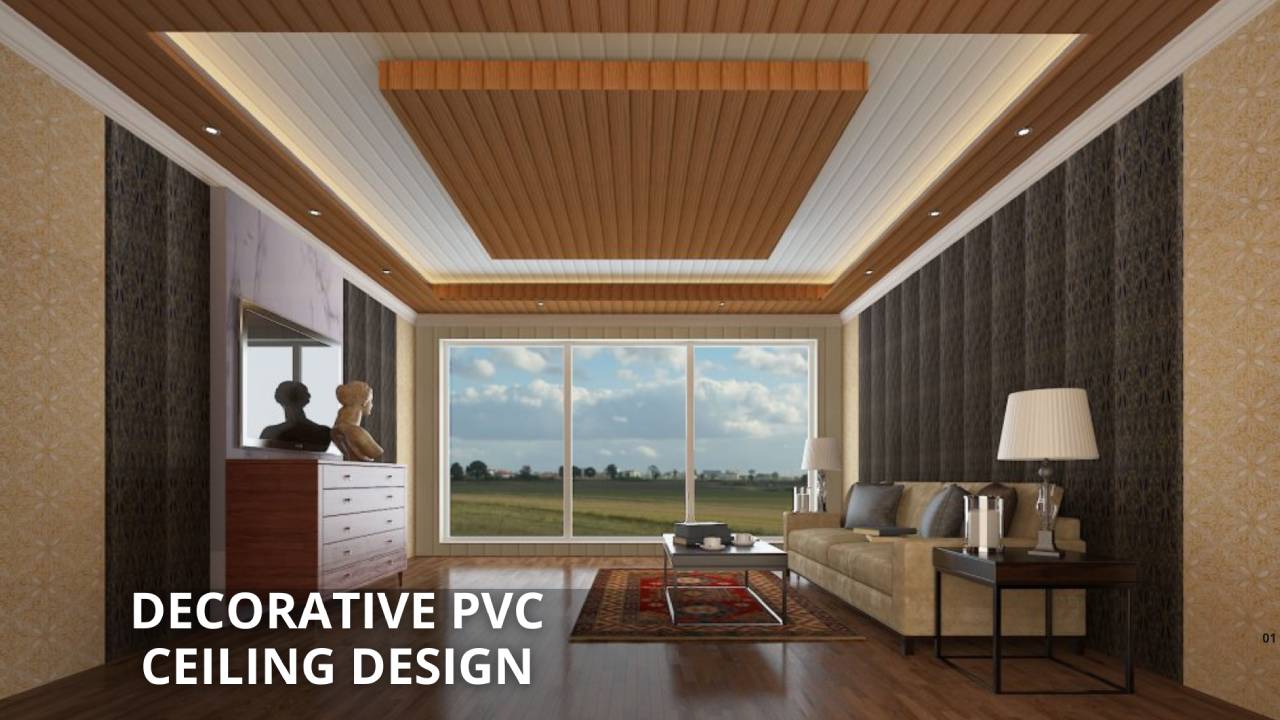
Decorative PVC Ceiling Design

Decorative PVC Ceiling Design: A Modern Solution for Stylish Interiors

The adornment which is made with the use of PVC for ceilings has gained much importance in recent years since it is economical, long lasting, and useful in improving the aesthetic appeal of a given area. Given that they are available in numerous styles, colours, and textures, PVC ceilings are suitable for several house designs and styles – be it contemporary, modern or classical. In this article, we will focus on the design of PVC ceilings considering their advantages, popular designs, installation, and maintenance explaining how to use the material for the interior of the house or any commercial premises.

1. Understanding Decorative PVC Ceiling Design

PVC or polyvinyl chloride is a form of plastic that is naturally strong and does not rot or get affected by termites which squashes the ceiling PVC designs. As ceiling décor, PVC panels substitute cumbersome and labor-intensive putty, gypsum, and timber casting. Cost-effective decorative PVC ceiling panels are very rugged but can exhibit surfaces made of wood, metals & even marble replacing the interiors of homes without the interior designers breaking the bank

Key Characteristics of Decorative PVC Ceiling Panels:

  • Water-Resistant: PVC is impervious to water, making it an ideal choice for areas prone to moisture, such as bathrooms and kitchens.
  • Termite-Resistant: Unlike wood, PVC is not susceptible to termite damage, ensuring long-lasting durability.
  • Fire-Resistant: PVC panels are treated to be fire-retardant, adding an extra layer of safety to your home.
  • Lightweight: The lightweight nature of PVC makes it easy to handle and install, reducing labor costs and time.

2. Benefits of Decorative PVC Ceiling Designs

1 Versatility in Design

One of the standout benefits of PVC ceiling panels is their versatility. They come in a wide range of designs, from simple, smooth finishes to intricate patterns and 3D textures. Whether you’re aiming for a sleek, modern look or a more traditional aesthetic, PVC panels can be customized to fit your vision.

2 Easy Installation

PVC ceiling panels are designed for easy installation. They can be cut to size with basic tools and are typically installed using a tongue-and-groove system, which allows the panels to snap together seamlessly. This ease of installation makes PVC a preferred choice for DIY enthusiasts as well as professional installers.

3 Cost-Effective

PVC panels were more affordable than conventional ceiling materials like wood or gypsum compared to wood or gypsum. The ability of these products to prolong use without frequent repairs or replacements also decreases the costs further in the long term.

4 Low Maintenance

cleaning of PVC ceiling systems is hardly required. Wipe down the surface with a moist cloth and gentle soap, and don’t worry about termites and moisture causing warping, cracking, or rotting.

5 Aesthetic Appeal

PVC is used not just for infill but genuine filming even decorative panels that are made to look like wood stone or metal synthetic laminate expensive high-end looking effects for a fraction of the cost. Moreover, colors and surface textures of the panels are offered with a matte, gloss, metallic effect, and many other options giving imprints of unique designs.

3. Popular Decorative PVC Ceiling Designs

1. Wood-Look PVC Ceilings

For any individual that treasures the beauty and warmth of natural wood but is worried about the upkeep and expense factors, wood-look PVC ceiling panels are a wonderful option. These panels use PVC in a way that gives them the wood look and feel without actual wood grains.

Applications: Living rooms, dining rooms, and bedrooms.

  • Design Tip: Pair wood-look PVC ceilings with neutral walls and natural materials like stone or leather to create a cozy, rustic atmosphere.

2. 3D Textured PVC Ceilings

The 3D textured PVC Panels often adopt conventional or themed forms that suggest the addition of an extra level of character into the room which helps to construct an elaborate and superb-looking ceiling. The available patterns of these panels are in geometric shapes, floral designs, and many others which range up to creating an intriguing modern design.

  • Applications: modern interiors, special ceilings in the vestibule, or towering spaces.
  • Design Tip: 3D textured PVC panels work even better in enhancement of lighting when combined with recessed lighting since the shadows and highlights of the panels will accentuate the 3D outlook.

3. Metallic Finish PVC Ceilings

Metallic finish PVC ceiling panels are capable of transforming the interiors of any environment and as such will be appreciated by all. Metals like gold, silver, bronze and copper can be used for these panels and all of them scream the elegance satin plastic furnishes that are most ideal for seated areas like restaurants or formal living areas.

  • Applications: Dining rooms, formal living rooms, business premises.
  • Design Tip: To provide a full picture of the luxury interior ensemble by adding accent monochrome pp or pex pipe PVC ceiling lights matching metal finishes with wall furniture accessories.

Design for luminaire applications.

1. Printed PVC Ceilings

Ceiling panels with printed PVC are available in copious detailing, from simple geometric to highly decorative imagery making them an excellent choice for creating a personalized look in any room.

  • Recipients: Children’s rooms, creative workplaces, and design concepts.
  • Design Tip: Apply the use of printed PVC ceilings in a children’s room for architectural play or in a themed design to support that concept.

2. Glossy Finish PVC Ceilings

Glossy PVC ceiling panels are also capable of helping reflect light leading to a well-lit room due to creating the feeling that a bathroom is made a great deal bigger in terms of size. Hence, these panels are very useful for areas that are small or for spaces that are poorly lit naturally because they spawn a lot of light in the room.

  • Recipients: Showers, kitchens, corridors.
  • Design Tip: When decorating a room with glossy PVC ceilings, it is advisable to use light walls and surfaces of glass and mirrors to improve the uplifting effect.

4. Installation Considerations

1 Surface Preparation

Surface measures pre-installation are essential with regard to ceiling panels that are made of durable materials such as PVC. Steps that would interfere with the installation or the application of the new panels such as removing lights and fans that were quite delicately placed must be carried out expeditiously and effectively.

2 Selecting an Appropriate Glue

Some designs of PVC panels involve joining them together by the tongue and groove method while in others one has to use glue. It is advisable to ensure that the adhesive used is of high standard and as well appropriate for the PVC and the ceiling surface material.

3 Cutting and Fitting     

PVC panels have rather no trouble being cut down with some standard tools such as a knife or a saw. Precise measuring of the panels should be done to ensure a tight fit, especially in corners and out-of-the-way regions containing fixtures. Any ceiling should always be oriented in such a way that assumes an eastern up approach from the centre towards the sides.

4 Lighting Integration

Same-day installation of light fixtures is not usually a good idea, care should be taken even when a decision to mask the light fixtures has been made. Smaller lighting features built into the PVC ceiling also improve its appeal; furnished with fitted recessed lights or led rubber strips. Making cutouts for lights needs the utmost caution so as not to spoil the panels.

5. Maintenance Tips for PVC Ceilings

1 Regular Cleaning

Cleaning vinyl ceilings, which are made of polyvinyl chloride, is always a crisis at least with relatively clean surfaces. Usually, dust, dirt, and stains can be removed by a light wipe with a moderately damp cloth and softer detergent. If there are tough stains, a nonabrasive formulated cleaner is suitable.

2 Avoiding Harsh Chemicals

Even though polyvinyl chloride and other related materials are relatively strong, it is essential to follow the steps on the use of harsh chemicals or abrasive materials as they can ruin the look of the panels. Use only moderate solvent types and soft cloths and sponges to clean.

3 Inspecting for Damage

Moisture-resistant PVC ceilings are prone to different damages than any roof material. Therefore, maintenance inspection of the suspended ceilings regularly will optimize the life span of the ceiling and preserve its looks.

6. Decorative PVC Ceilings in Commercial Spaces

PVC ceilings, although mainly intended for residential spaces, are also applied in commercial spaces. The big advantages of PVC panels are their ability to withstand heavy use, low requirements for ongoing care and the possibilities of various designs, which makes them very common in offices, hotels, restaurants, and shops.

1. Office Interiors

The PVC ceilings in the office will also provide a contemporary setting. In the case of an open office, acoustic PVC panels are quite useful where they are installed to reduce noise and increase concentration for the workers.

2. Hospitality Industry

Visually pleasing as well as easy to clean, PVC ceilings are extensively applied in hotels and restaurants. The luxurious lobby, dining area’s interiors, and guest room’s décor can be complemented with decorative elements made of metallic or printed PVC panels.

3. Retail Stores

Marketing features of retail outlets’ PVC ceilings are internal or external branding applications or ornaments. Stores are attracted to an especially PVC material for ease of fixing and repairs as changes on the internal or external structures are done.

Conclusion

The decorative PVC ceiling provides an easy, cheap, and beautiful method of beautifying both residential and commercial places. Whatever the design, be it wood look, metallic or 3D and even custom printed, PVC ceilings can fit any interior design. The easiest to install and long-lasting with very low maintenance make them popular with homeowners and other businesses. Where type of interiors such as contemporary, modest or lavish with regions comprise of elegant decorations are desired, the PVC ceiling panels do not disappoint as they provide both space and purpose that are needed for development of any style.

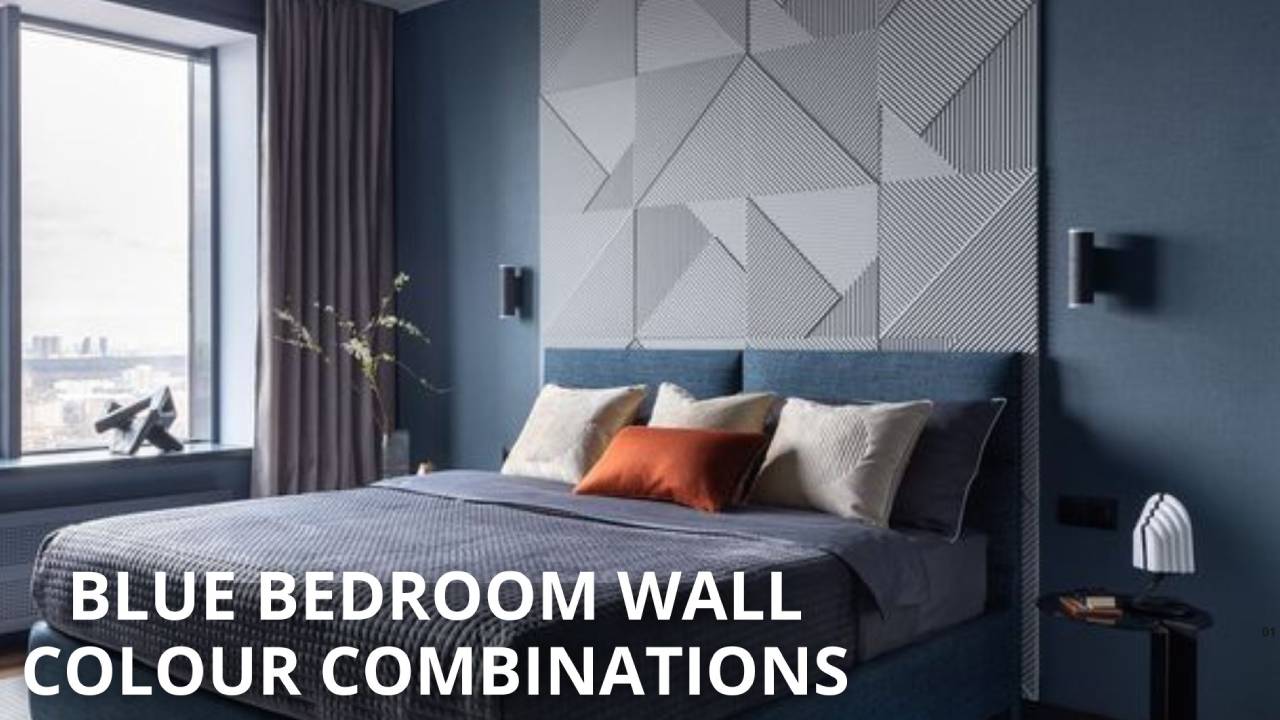
Blue Bedroom Wall Colour Combinations: Creating a Serene Sanctuary

Blue Bedroom Wall Colour Combinations

Blue Bedroom Wall Colour Combinations: Creating a Serene Sanctuary

Blue is arguably one the richest and most tranquil colours and therefore makes a good option for most bedroom walls. The blue colour is of great importance as it helps to soothe tense spaces and encourage calmness amongst its users. This application is most common in places where one is expected to rest and recuperate. Nevertheless, with the use of the right tones along with the blue colour, the atmosphere of your bedroom can be enhanced and this helps in making the bedroom an attractive and pleasing space. The section takes its readers through the different wall colours that can be used in blue-themed bedrooms and the mystery of the combination learned from each of them.

Don’t Wait to Impress – Connect with Us for Stylish Blue Bedroom Wall Tiles

Have Questions? We Have Answers. Let’s Connect

Click Here

1. Classic Blue and White: Timeless Elegance

Associating blue with white is very traditional but it shall never become obsolete. It only photogenic this combination has a fresh appearance which is very bright, clean, and best-suited for the room. The ceiling surrounds creates a lighter colour and open space while blue holds a more intimate feel.

  • Light Blue and White: Go for a barely-there, powdery blue if you want a light, airy feel. This pale blue complements white trim or bedding for an interior that captures elements of the beach or cottage and a pleasant mood of peace.
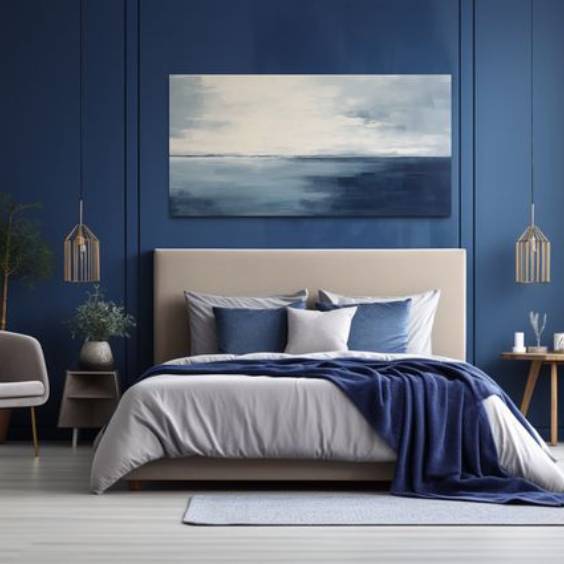
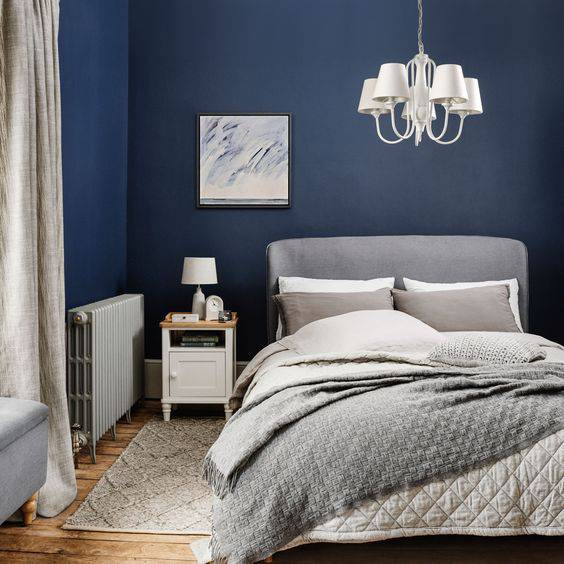
  • Navy Blue and White: To achieve a more dramatic and elegant look, deep-color navy blue wallpaper in addition to white accents will create an atmosphere that is both dramatic and elegant. This combination is suitable in both contemporary and classic environments.

Styling Tips:

  • Bedeck bright white bedding and curtain in contrast with the blue walls of the room.
  • Bring in metallic elements such as gold and silver accents for a classy appeal.
  • More touches of wood, plants, or any raw materials would be included to temper the harshness.

2. Blue and Grey: Modern and Sophisticated

The blue and grey combination is the perfect modern and stylish understated bedroom. Hue and cool color, accented badly hobbled furnish the elegant fresh appearance.

  • Considering a Sky Blue and Light Grey Color Combination: This combination will be excellent in achieving the light and airy effect needed in a bedroom. The soothing sky blue walls with light grey bedding or furniture accents are effective in achieving a restful sleep atmosphere.
  • Combining deep slate blue with deep charcoal: grey with argon strong dull blue will bring some mood automata. The specialty of this combination is that it can lend a warm and inviting feel to the room.

Styling Tips:

  • Different shades of grey should be advantageously employed to add interest and depth to a room design.
  • Accessories and fabrics will change the mood of a room either it’s across very soft velvet, coarse bark cloth, a pile of wool, etc.
  • In addition to that the boring sophistication can be uplifted by bringing in soft yellow or pink pillows and other decorations that accessories the pale violet color scheme.

3. Blue and Beige: Warm and Inviting

The combination of blue and beige makes a very nice ambiance that can be described as warm, cozy, and inviting – a perfect one for a bedroom. Out of colors available, the addition of beige works pretty well to cushion the coldness emanating from blue hence making the space warm and inviting.

  • Pale Blue and Creamy Beige: This combination is overall soft and with neutrals, which is perfect for a soothing bedroom. Creamy beige accents and pale blue walls give this place a tranquil, ‘spa’ like atmosphere.
  • One can attempt paintings of teal blue with warm beige-colored: furniture preferably in theme’s the bedroom. In this setting, the landscapes of the bedroom change with more and more richness added to it.

Styling Tips:                      

  • Estimate the wall colors: Light wood walls may use grey rattan or jute decor to accentuate the warmth of the space.
  • Patterns may also be incorporated into the scheme through fabrics, such as striped sheets or bedcovers.
  • Furthermore, you may appreciate adding plants to make the room more lively and fresh.

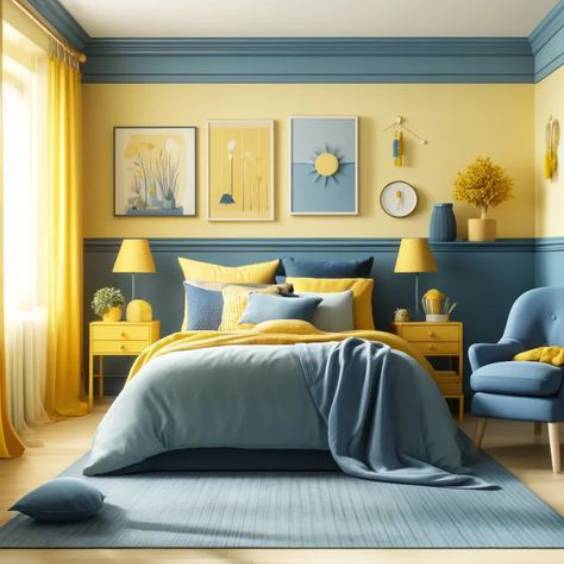
4. Blue and Yellow: Bright and Cheerful

For those who want their bedroom to be more vivacious and revitalizing, combining blue with yellow may be a perfect idea. Consequently, people looking for a bedroom with a lively spirit and bright color will find this portrayal more appealing.

  • Soft Blue and Pale Yellow: This combination is very pleasant and is meant for cheerful and sunny bedrooms. Soft blue walls and pale yellow accents with white bedding create an inviting and breezy room.
  • Navy Blue and Mustard Yellow: If you are looking for something a bit bolder, go for darker blue walls with mustard yellow decor. This mix lends a contemporary and bohemian feel that makes the space fashionable with softness.

Styling Tips:

  • Only use yellow for accent pieces such as lamps, art, pillows, or anything that will not the whole room or area with this color.
  • Not too much yellow as is eye-catching so make use of white or grey to tone it down.
  • Make use of windows because they add more light which is vital in bringing out the brightness of the yellow colors used.

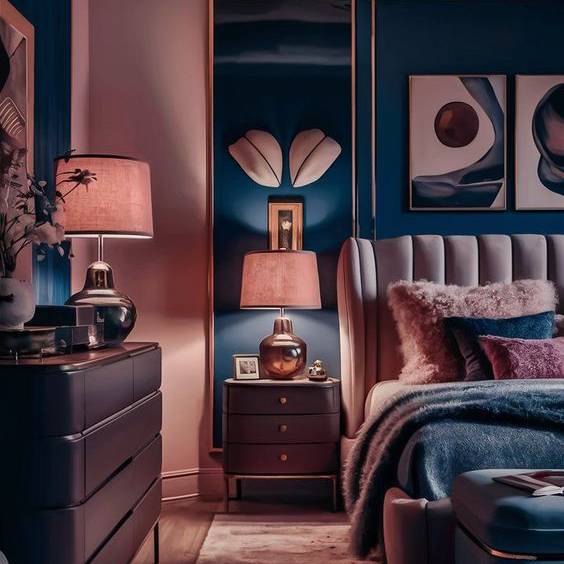
5. Blue and Pink: Soft and Feminine

Blue and pink are such an odd combination but when used appropriately, a feminine dreamy, romantic bedroom is created. Pink tends to be warm whilst blue is cool in nature this provides a sense of balance in the room towards cooling it.

  • Pastel Blue and Blush Pink: This is best utilized when the aim is to make a simple yet classy neat bedroom. The touch of the pastel wall and the blush pink accents ease the bedroom’s atmosphere making it inviting and relaxing.
  • Dusky Blue and Rose Pink: To have an adult-oriented, elegant style combine dusky blue with rose pink. It is exquisite yet homey for a bedroom where one retreats for relaxation.

Styling Tips:

  • Make the space more feminine by dressing it up with soft fabrics such as silk satin or velvet.
  • Also, include some metallic touches, particularly gold or brass for some sparkle to the pages.
  • Add floral accents to support the romantic touch.

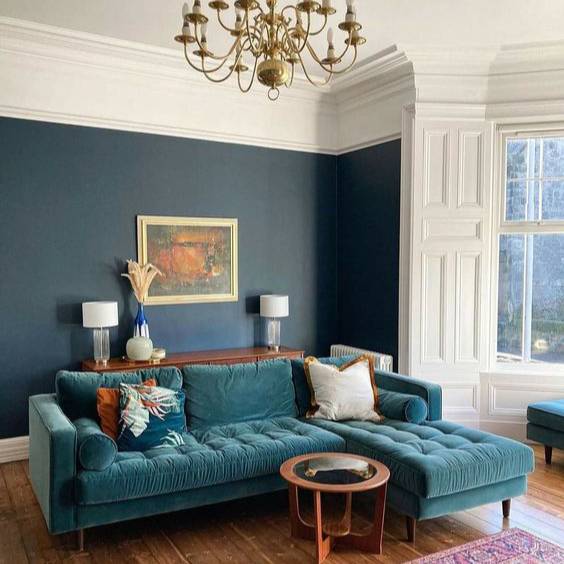
6. Blue and Green: Natural and Relaxing

Blue-green is located directly next to blue on the colour wheel and therefore complements it and vice versa. This combination ensures an airy crisp and refreshing, relaxing, outdoor-esque feeling to the bedroom.

  • A corner covered in aqua blue paint can complement minimally mint green facilities to impart a light and refounded appearance. This combination is perfect for use in a coastal or beach-inspired bedroom.
  • If you prefer rich and earthy colours, then/navy blue and olive green are the right desaturated/personal colors to go for. This combination helps create a space that is warm to the eye but has some touch with the environment

Styling Tips:

  • Employ natural materials such as wood, stone, or linen in order to make the designed space as nature-orientated as possible.
  • Enhance the overall aesthetic appeal of the designed interiors by filling them with plants or gravure highlighting the plants.
  • Use other shades of blue and green to add some details. 

7. Blue and Brown: Earthy and Grounded

Adding the touch of Brown into Blue helps create a warm earthy down to earth bedroom. The deep color of Brown adds richness to the pockets of warmth that oil blue has in such a room. So one wants to feel, to end it all comfortably.

  • Sky Blue and Chocolate Brown: This combination helps create a comfortable geometric ambiance suitable for sleep and relaxation. Warm sky blue and chocolate brown offer such an inviting pleasant atmosphere in the bedroom.
  • The bedroom decor is created with a deep dark blue color and taupe highlights. The walls can be in navy blue and the accents in taupe for this look. This combination creates sophistication adding a nautical touch to the bedroom.

Styling Tips:

  • Using wooden furniture and natural fibers helps to give the room an earthly touch to it.
  • Use textiles made up of wool, cotton, and leather, which will add extra texture to the visual experience.
  • Give it some warm lighting to make it warm and welcoming.

8. Blue and Orange: Bold and Energetic

The blending of colours blue and orange will pique one’s interest in design since they are complementary colours. This combination gives an energetic, vibrant bedroom, which is ideal for people who want a room with a bit of fun.

  • Tarmac Blue And Tangerine Orange: This will certainly give a tarmac blue effect on the walls of the entire room minus the tangerine orange color everywhere. This is ideal for a modern and bohemian bedroom.
  • Navy Blue And Burnt Orange: A navy blue wall with accents of burnt orange is yet another favourite, for those who would like to go for a more classic but edgy combination sittings. This type of combination brings warmth and drama to the bedroom.

Styling Tips:

  • Balance the boldness of orange with neutral tones like white or grey.
  • Use orange sparingly as an accent colour to avoid overwhelming the space.
  • Incorporate patterns and textures to add depth and interest.

9. Blue and Purple: Regal and Luxurious

We compare the colors blue and purple; together the two make a regal, very rich type of bedroom. The coolness of both colours is enhanced, hence leaving the room sophisticated and elegant.

  • Lavender And Air Blue: This combination is ideal for a very delicate and gentle bedroom. Repeated use of pale blue accents over lavender walls provides a soothing atmosphere.
  • Royal Blue And Dark Purple: You can crouch from a more classic and luxurious viewpoint moving towards luminous walls with egg blue accent deep purple, regardless of what. This type of combination will bring volume and luxury to the bedroom making it more interesting.

Styling Tips:

  • Synthetic materials should be avoided and, instead, heavier materials such as velvet, silk, satin, etc., should be used to increase the opulent nature of the room.
  • Adopt metallic colors like golden or silvery color in them for a bit of glimmer.
  • Do not hesitate to add a pallet of blue and purplish colors for variegation

10. Blue and Black: Bold and Modern

To achieve an understated yet chic profile, the combination of blue-black can be considered. A striking and elegant bedroom is achieved with this combination, which is suitable for people looking for a modern and stylish look.

  • Light Blue and Black: This pairing is unconventional and works for a modern bedroom. The walls may be light blue with black features and this is very hip.
  • Navy Blue and black: The navy blue walls with black features have a certain degree of elegance pum sensua2ee this color appeals to many. This infuses a more casual feel to the bedroom making it feel less crowded.

Styling Tips:

  • Try applying a little black in the atmosphere so that the area does not feel overly dim.
  • To make it stylish, make sure to use metallic features such as chrome and silver.
  • Texture may be added through the use of soft fabrics such as velvet leather or wool to enhance the look.

Conclusion

By the wise selection of blue bedroom wall colour combinations, one can transform a normal bedroom into a chic and peaceful space. You may like the old-fashioned blue and white pairing or a more modern and daring combination of blue and black. In all these color combinations, one most important thing is to strike a colour balance that goes well with your personality and the environment you desire. Considering the desired mood and what furnishings will best suit that mood, one can design a remarkable bedroom place that is rhythmical and beautiful.

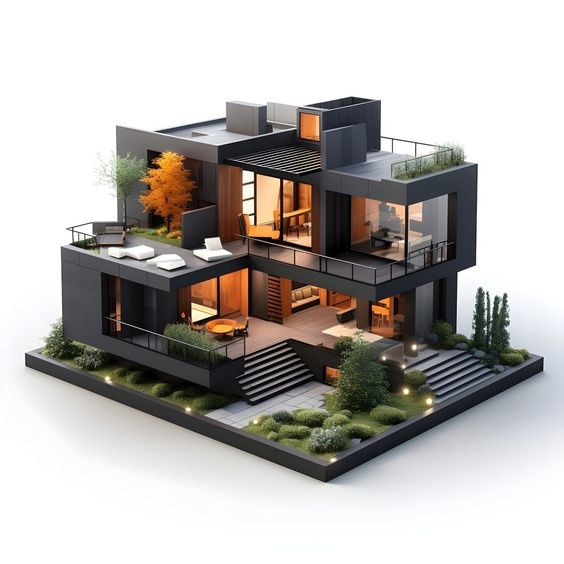
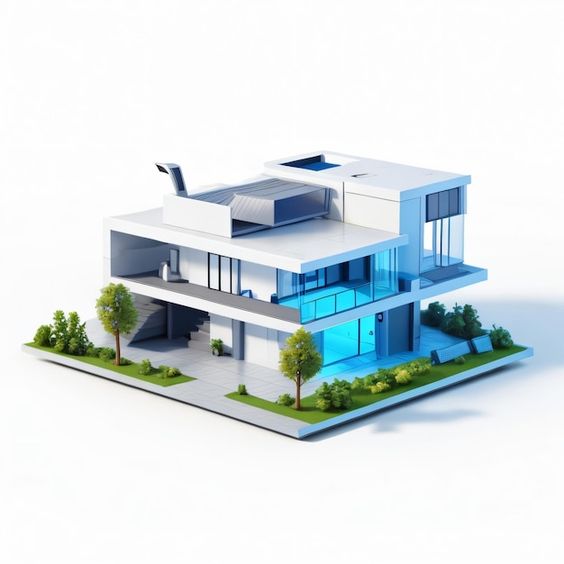
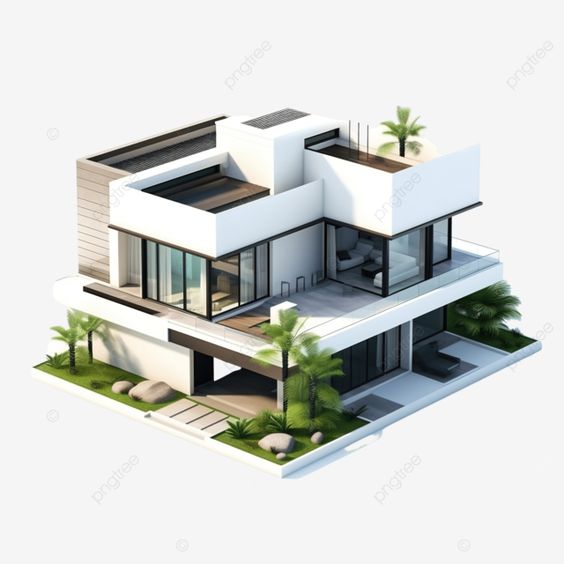
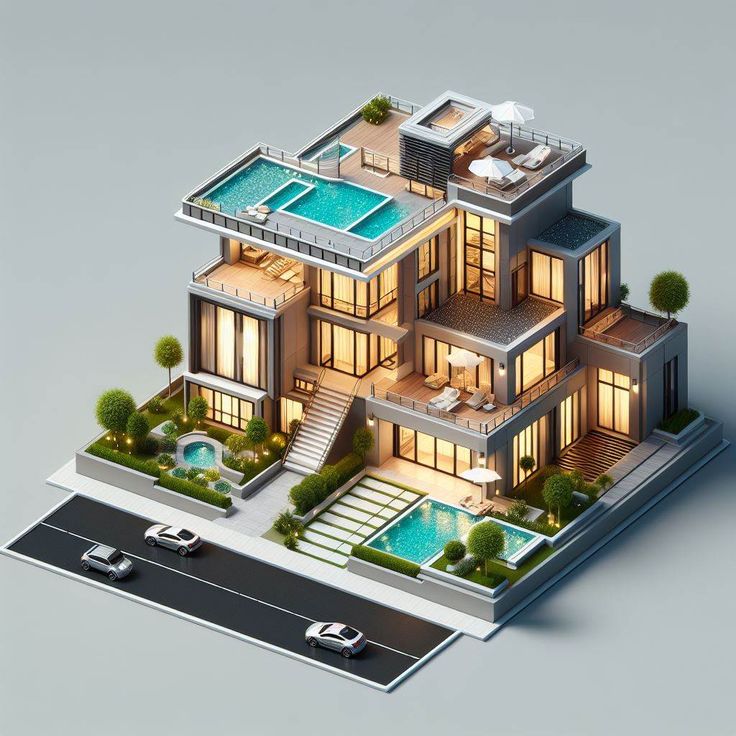
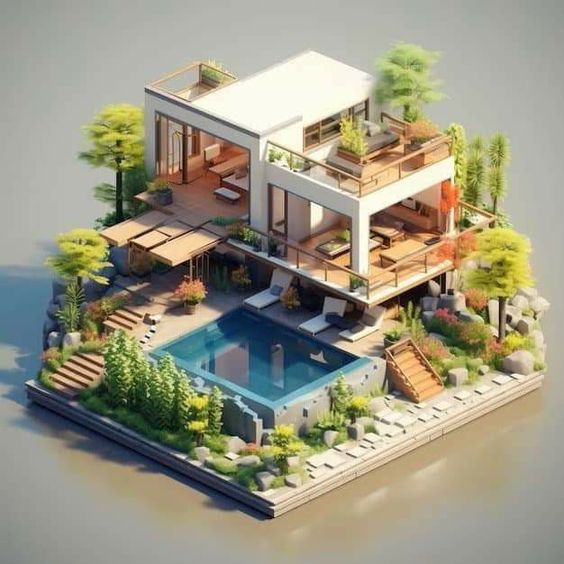
3D House Design in 2024: Revolutionizing Home Architecture

3D House Design
3D House Design

3D House Design in 2024: Revolutionizing Home Architecture

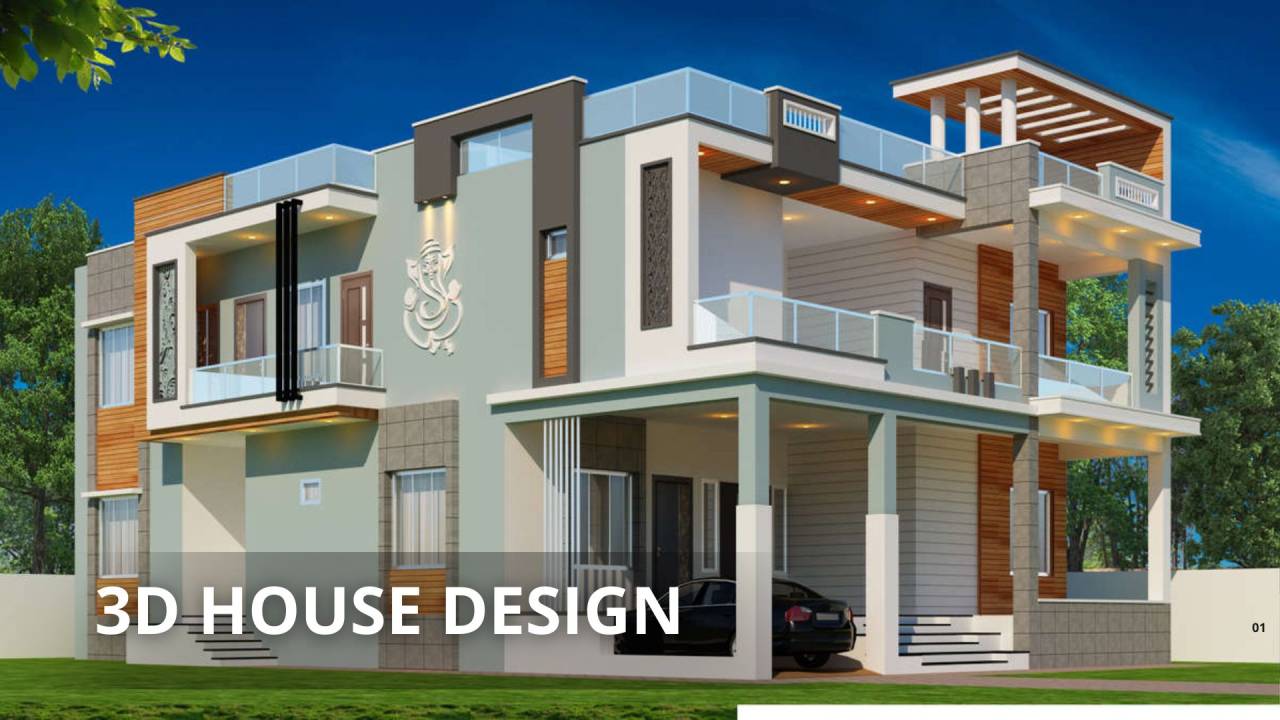
The advancement of 3D home design has brought about a paradigm shift in the architecture and construction industries. The advent of technology that allows people to visualize, change, and adjust their home designs before any single brick is laid is changing how we think about and build homes. This new house design approach is more precise, detailed, and adaptable for homeowners and professional builders.

What is 3D House Design?

3D house design involves creating real-life representations of a house’s architectural structure using three-dimensional modeling software. Unlike conventional two-dimensional blueprints that can be seen only from above on paper screens or boards, three-dimensional models show an entire building from all directions. Such information as general structure, arrangement, or detailing up to the smallest things like furniture arrangement, lighting fittings, or textures are included in this category. Consequently such kind of virtual model provides grounds for interactive exploration and detailed visualization of the whole property.

The Advantages of 3D House Design

Enhanced Visualization

One important advantage of 3D house design is the ability to see exactly what it will look like as the final product. Homeowners and architects can walk through virtual spaces, understanding how rooms will look and feel. The proportions are better understood through this experience as well as the flow between rooms;

Improved Communication

In addition, 3D house design has an important advantage of being able to see the final result of a house. Homeowners and architects can virtually explore rooms thereby comprehending how they will appear in real life. This experience helps understand proportions as well as transitions between spaces.

Precise Planning

To design a house that considers every small aspect of it from overall structure to little details like fittings and finishes need for flow is very crucial in 3D modeling. It minimizes errors during construction thus saving time and money.

Cost and Time Efficiency

3D House designing detects potential problems at an early stage before putting them into practice. Additionally, contractors get approvals faster due to the easily understandable project as opposed to projects having to go through many revisions or alterations.

Customization and Flexibility

The freedom provided by three-dimensional design tools is incomparable. Property owners can try out different arrangements, designs, and color schemes instantaneously observing their choices’ consequences. As such, the last plan agreed upon will be entirely consistent with the client’s needs and lifestyle.

The Process of Creating a 3D House Design

There are many steps involved in creating 3D house designs each with its own specialized software and skills needed. Here is a quick rundown:

Initial Consultation and Concept Development

The process begins with the first consultation between the architect and the client. At this stage, the architect collects information about the client’s needs, preferences, and budget. They form a basis for a conceptual design that includes basic floor plans and rough sketches.

3D Modeling

After deciding on a concept, the architect then uses 3D modeling software to produce a detailed virtual model of the house. The model can also contain exterior and interior designs including landscaping as well as furnishings. Advanced software allows for precise representations of materials, lighting, and textures, giving it a realistic look.

Virtual Walkthroughs and Adjustments

Once construction is finished and all major changes are done to completion, clients can take virtual walkthroughs of what their future home will look like. Such an exercise helps in making adjustments or refinements where necessary. For example, clients can move walls around, change window sizes, or even try out different paints and see how they impact on overall design.

Final Design and Documentation

Whereby this happens and customers are happy with everything that has been changed within the building structure, a final 3D design shows any detailed construction documents used in its preparation. These include floor plans among others which are derived from 3D models (Wambugu & Odour 2014). This detailed document makes it easy for anyone interested in constructing this house to have all it takes.

Software Tools for 3D House Design

Different software tools can be used in the creation of 3D house designs, each of which has a variety of features and capabilities. Some of the most common ones are:

  • SketchUp: Famous for its user-friendly interface, SketchUp is the top choice both for professionals as well as hobbyists. It comes with various tools that will help you design detailed 3D models together with an extensive library packed full of ready-made objects.
  • AutoCAD Architecture: This is an AutoCAD version created specifically for architectural design; it has advanced tools that enable the creation of highly detailed 3D models and construction drawings.
  • Revit: Revit, developed by Autodesk, is a forceful Building Information Modelling (BIM) tool that creates highly detailed three-dimensional models with structural, electrical, and plumbing systems hence suitable for complicated projects.
  • Blender: Besides being mostly used for three-dimensional animation and rendering purposes, Blender’s sophisticated modelling tools have made it to become a good option for architectural designs.
  • Chief Architect: The program is mainly created to fit in residential design. It incorporates strong features that let users create detailed 3D models including realistic materials and lighting simulation.

3. Focus on Lighting

Architects and designers use 3D house designing for a variety of applications, not just as a tool in the profession:

  • Before starting construction work, homeowners can see exactly how their new home will look like. This helps to remove indecision or uncertainty and it guarantees that the project meets the clients’ aspirations.
  • Plan Renovation: For renovations, 3D design enables homeowners to visualize changes before they are made for large-scale renovations with structural modifications.
  • Market Real Estate: Real estate developers use 3D models to market and advertise their new developments and projects. By virtual tours derived from 3D models, prospective buyers may examine property remotely which makes selling-off plan convenient.
  • It Helps In Interior Designing: Detailed plans for furniture placement, lighting, and decorations are created by interior designers using 3D modelling. These assist customers in visualizing how different elements can be combined into one space.

The Future of 3D House Design

Advancement in technology is a good sign that 3D house design has a bright future. Some examples are virtual reality (VR) and augmented reality (AR) which have already been integrated into the design process such that customers can experience their houses in an immersive manner. VR can offer complete virtual tours where users can engage with it, while AR may overlay digital models onto physical surroundings.

Furthermore, advances in AI have been simplifying the process of designing buildings. AI-driven tools may recommend design tweaks, optimize space usage or even create designs according to certain criteria, thereby improving the efficiency and personalization of this process itself.
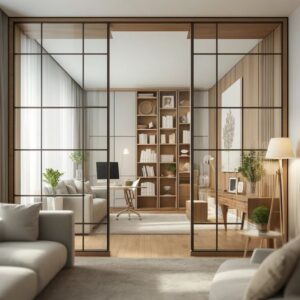
Conclusion

The advent of 3D house design has transformed how we approach construction and renovation. It overcomes the limitation of imagination by way of detailed, accurate and immersive visualizations to make sure that the final product meets or surpasses expectations. 3D house design provides limitless possibilities for innovation, customization and creativity when you want to construct new homes, remodel existing ones or even just generate ideas on designs given that the technologies behind this field are still developing. The progress in technology will also determine how we plan our living spaces as well as build them.

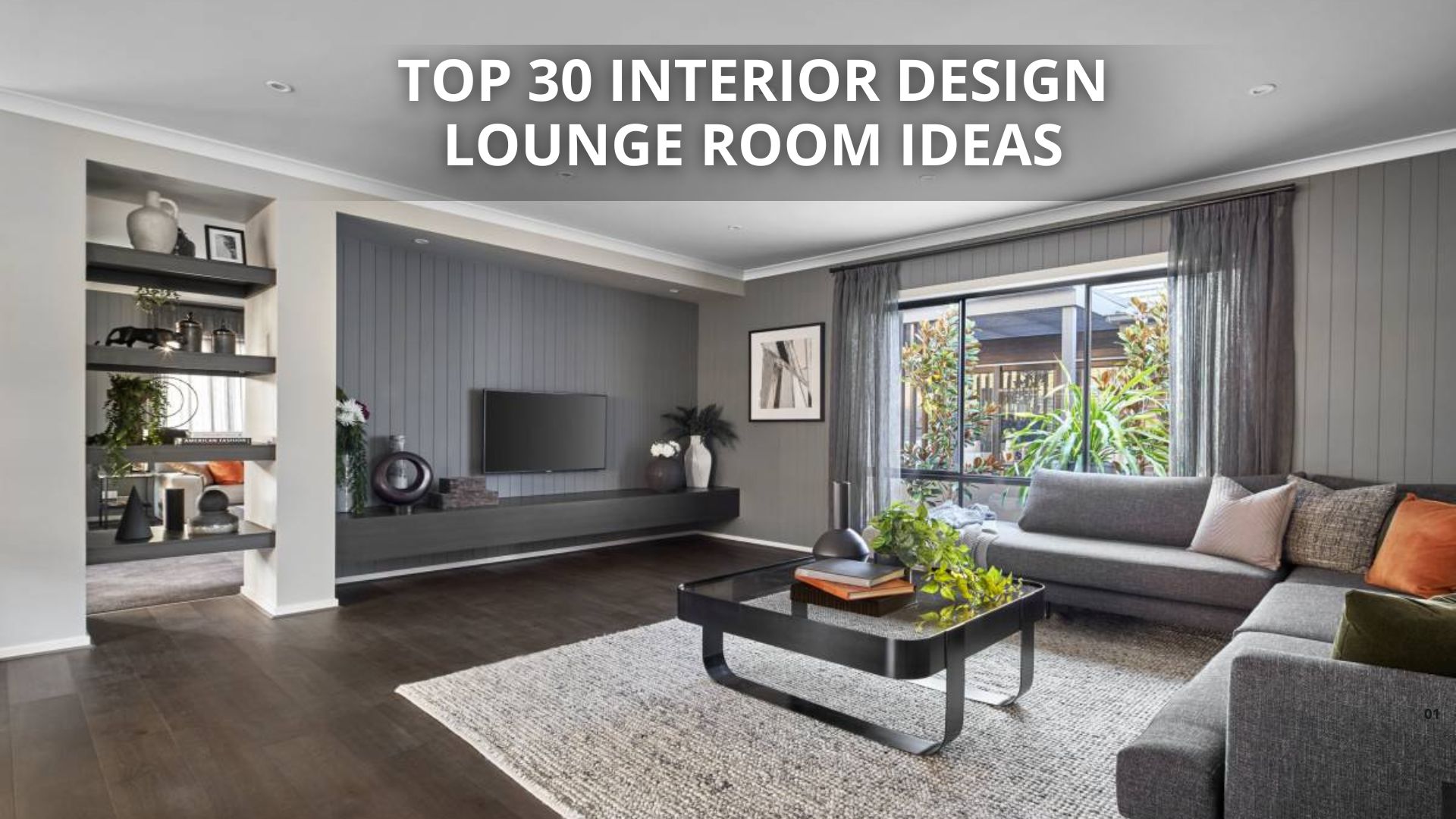
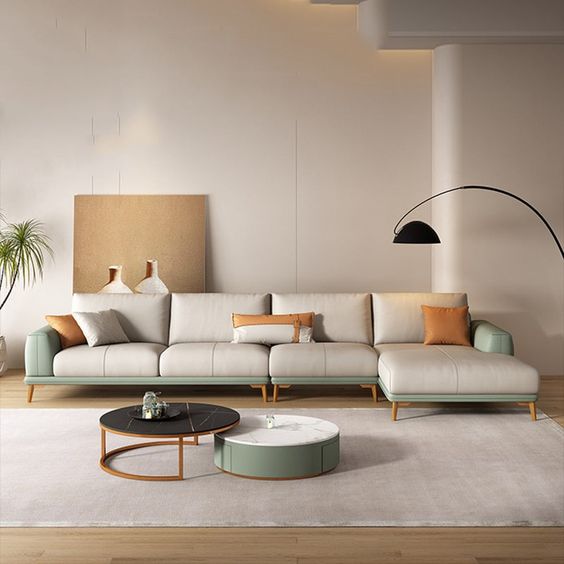
Top 30 Interior Design Lounge Room Ideas in 2024

Interior Design Lounge Room Ideas

Top 30 Interior Design Lounge Room Ideas in 2024

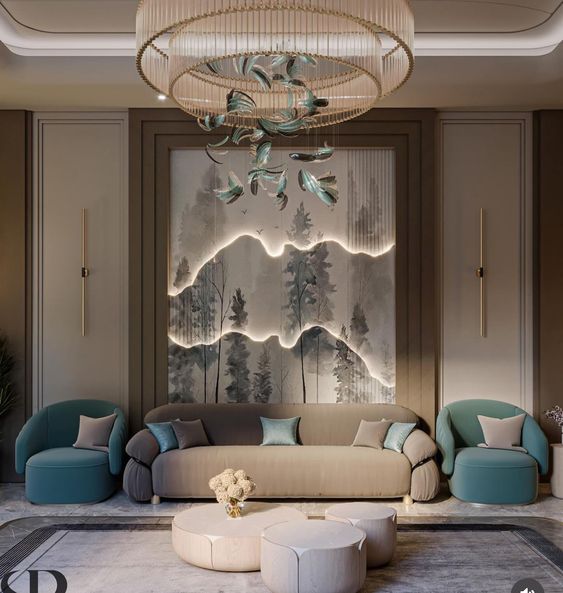
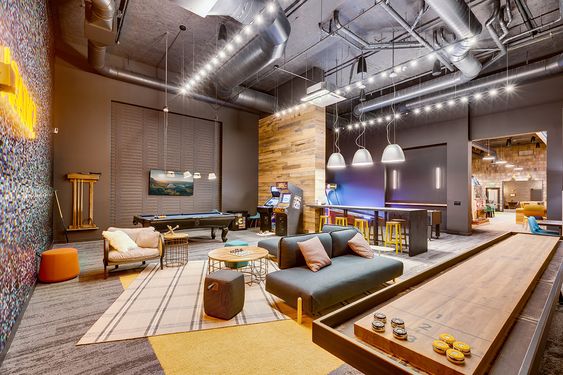
The lounge area, sometimes known as the living room, is at the center of any home and serves as a place for family and friends to relax, entertain guests, and enjoy one another’s company. Whether you’re starting from scratch or simply need a space refresh, it’s important to create a living room that reflects your style and meets your needs. In this post, we will discuss different forms of interior design concepts that can help you create an elegant but comfortable-looking lounge.

1. Define Your Style

You need to first define your style before diving into furniture or décor. Do you love clean modern lines? The coziness of rustic finishes? Or the beauty of traditional spaces? Knowing your preferred style will ensure unity in all aspects of your choice.

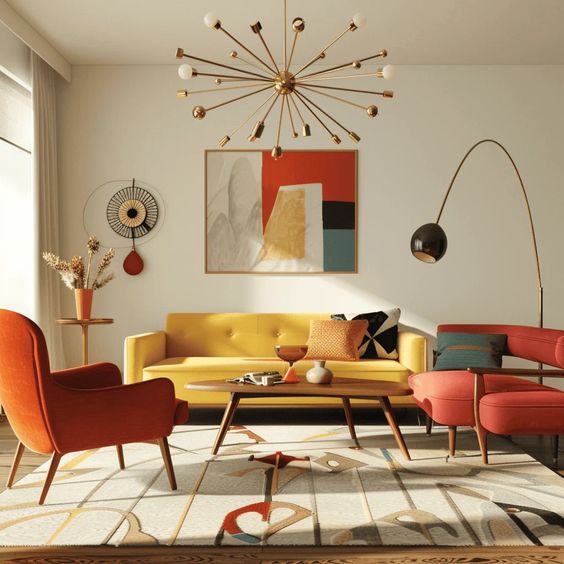
  • Modern: Modern living rooms are characterized by minimalism and shiny surfaces. Imagine subdued colors, simple furniture, and strict lines. To incorporate texture and interest, use metals, glass, and wood.
  • Rustic: The rustic look is ideal if you want a warm feel in your home. This style favors natural materials such as wood and stone, warm colors like earth tones, and comfortable furniture that doesn’t look new. Rustic touches can be added using items like woven baskets or secondhand finds.
  • Traditional: Traditional interiors never go out of style because they are timeless with classic pieces of furniture having rich colors plus intricate details on them. One can think of dark woods, luxurious textiles, and ornate accessories.
  • Eclectic: You don’t have to choose one style if you can have all in one space as eclectic design involves blending different styles together. The secret lies in finding a common thread such as a color scheme or theme that runs through all the elements at play

2. Choose the Right Furniture

This section defines how you should choose furniture that looks good in addition to being functional and comfortable in the lounge room.

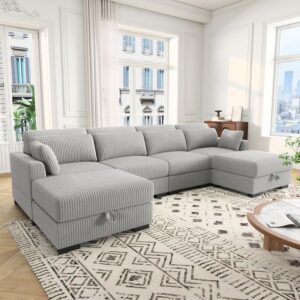
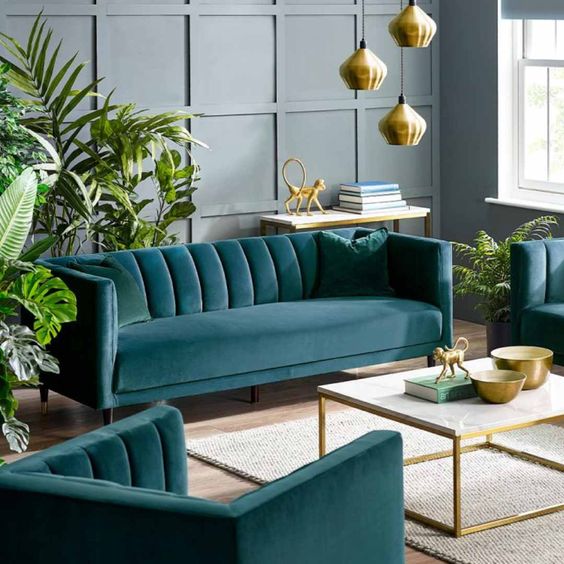
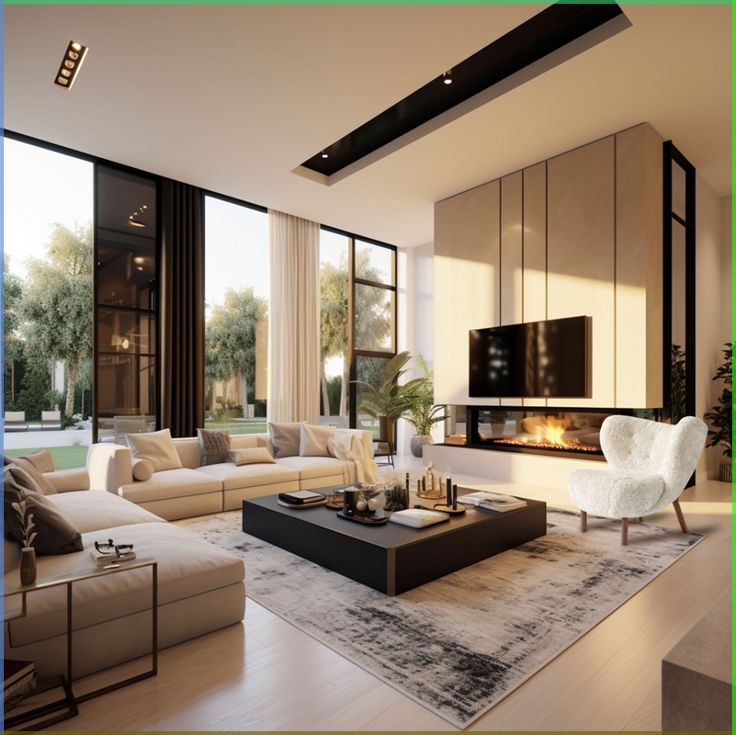
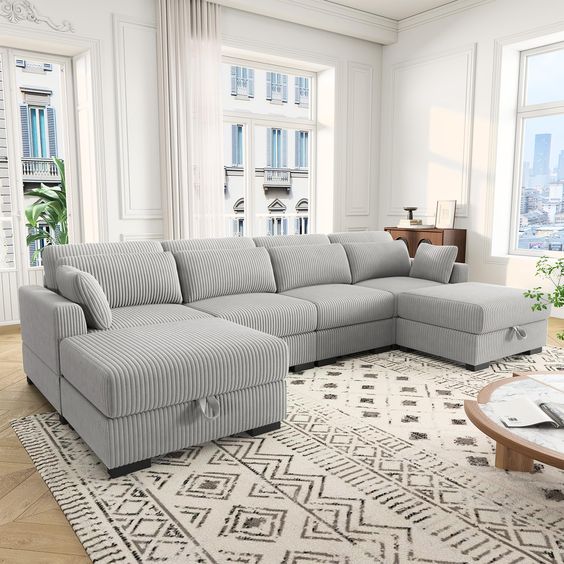
  • Sofa: The sofa is the focal point of a sitting room. Think about space when picking out a sofa—big sectional sofas are great for big rooms, while smaller loveseats or modular ones may work better in tiny places. Take advantage of neutral colors and spruce it up with pillows and blankets.
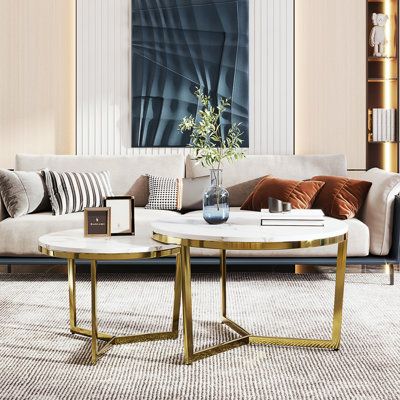
  • Coffee Table: A coffee table serves both useful and decorative purposes. It can be used to put drinks on, keep books, or rest your feet. Select a coffee table that matches your couch and the size of your space. This will depend upon whether you prefer materials like wood, metal, or glass.
  • Accent Chairs: You can add extra seats to match the sofa through accent chairs. Accent chairs in different styles give color, texture, and attraction to lounge rooms regardless of whether they are matched pairs or not.
  • Storage Solutions: Ones that enable the room to be uncluttered and organized need to be integrated into house designs. These could consist of a media console for electronics; a sideboard for additional storage floating racks for displaying décor etc.…

3. Focus on Lighting

The lighting in your lounge determines its mood and ambiance. A well-lit space is warm and inviting, while artistic lighting can bring out other features including architectural ones creating a cozy atmosphere.

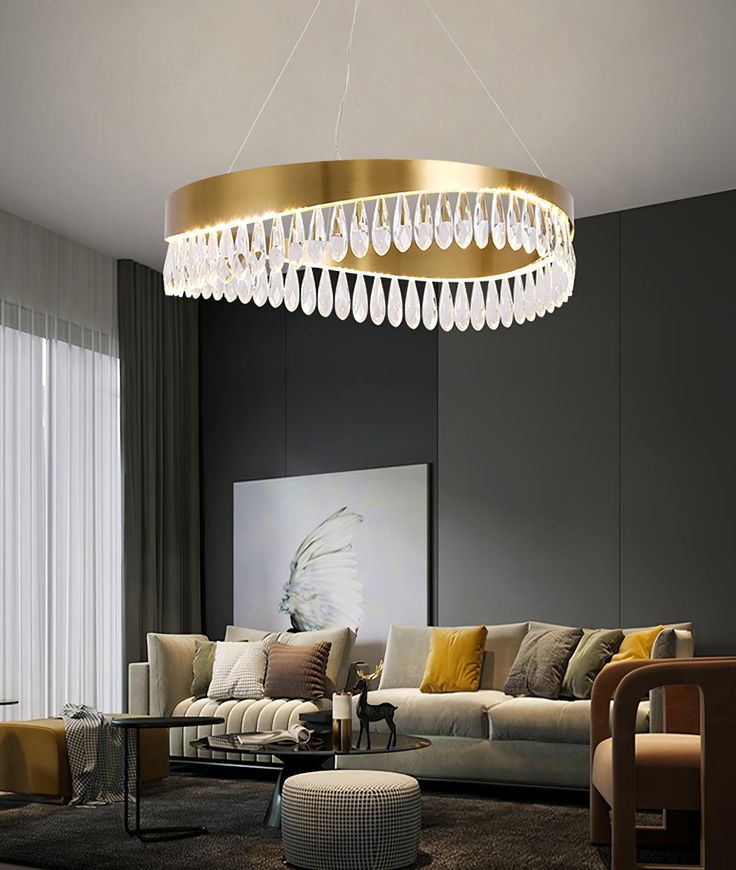
  • Ambient Lighting: This is the primary source of light in the room usually provided for by ceiling fixtures such as chandeliers, pendant lights, or recessed lighting. Select fixtures that fit your design style and consider dimmable ones to regulate brightness.
  • Task Lighting: Reading, working, or playing games are activities that require task lighting. Floor lamps, table lamps, or adjustable wall sconces can be used to give focused light where needed.
  • Accent Lighting: It is used to bring out artwork, architectural features, or decorative elements. It can be done through spotlights, picture lights, or LED strips. Accent lighting makes the room look more dynamic hence adding depth and dimension to it.

4. Add Textures and Layers

Incorporate different kinds of textures and layers in your lounge room to give it a cozy and inviting feeling. Use various materials and fabrics to create depth of perception.

  • Rugs: A rug can serve as an anchor for your seating space and add softness underfoot. For example, you might have a luxurious shag carpet, a Persian traditional rug, or simply one with a modern geometric design that matches either the color scheme or style.
  • Pillows and Throws: Put different textured throw pillows and blankets on your couches. By mixing materials like cotton, wool, velvet, or linen together, you will be able to make several layers appear.
  • Curtains and Drapes: Window treatments can add elegance and privacy to your sitting room. Choose curtains or drapes that suit the rest of the room regardless of whether they are light, airy sheers or heavy luxurious drapes.
  • Decorative Objects: These would include vases, sculptures as well as candles which make the living room more interesting. Such artifacts may describe who you are as an individual while at the same time adding graphical interest to any available area.

5. Incorporate Art and Personal Touches

For this reason, art pieces plus other personal items are what makes a unique sitting room. They offer some insights into its owners’ characteristics thereby making it an exceptional place to live in.

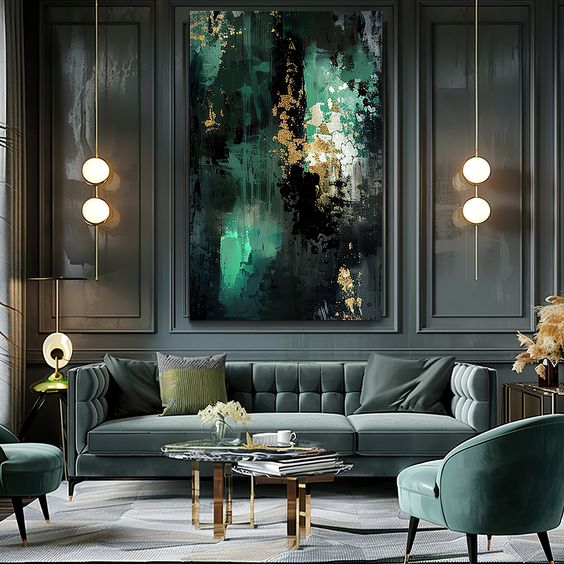
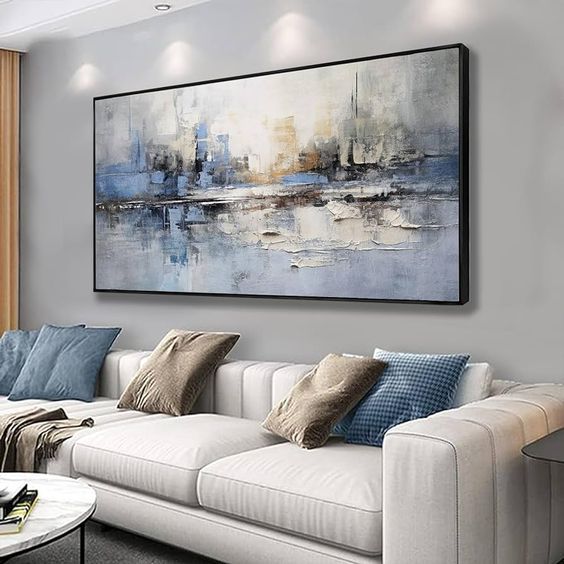
  • Wall Art: You can hang paintings or artwork that you feel connected to; this may be a giant statement piece, an arrangement of photographs or smaller prints. The art you settle for should fit in with your style and blend well with the room setup.
  • Photographs: Put up family portraits, holiday pictures, or memorable moments displayed on fashionable frames. Position them on a wall gallery, shelves, or console tables to give them a personal touch.
  • Books and Magazines: Books and magazines conform to both purposes as decorative items and as sources of amusement. Arrange them on coffee tables, bookshelves, or side tables for added color and interest.
  • Trees And Greenery: Indoor plants bring life into space. Choose low-maintenance indoor plants like snake plants, peace lilies, succulents among others which can be placed on shelves by the corner or even as centerpieces on your coffee table.

7. Pay Attention to Color

The interior design of a lounge room heavily relies on color, which can set the mood and tone. When choosing colors for your place, make sure they reflect your style and create the atmosphere you want. 

  • Neutral Palette: The neutral color palette is versatile and timeless, creating a soothing backdrop for your living area. You can use white shades with beige, gray, or taupe accents through decorative pieces as well as accessories.
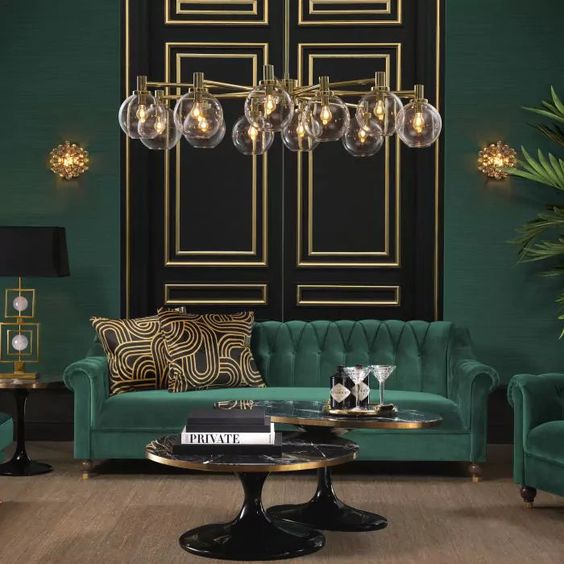
  • Bold Colors: Deep blues, rich greens or vibrant reds can be used if you want something different. These colors could be on walls, furnishings, or home features to make them appear dramatic yet fashionable.
  • Monochromatic Scheme: Different shades of one color create a monochromatic scheme. For instance, this may look stunning when applied in minimalist or contemporary lounge room designs.
  • Complementary Colors: This refers to using complementary colors that are located opposite each other on the color wheel and provide a balanced and dynamic look. E.g., blue & orange or green & red, this is because it adds contrast as well as virility to the room

8. Embrace Technology

Modern living room designs often include technology; smart home gadgets through to AV systems. How can technology improve your space without spoiling its design?

  • Smart Lighting: The integration of smart lighting controlled by either an app or voice commands allows one to manipulate this aspect under various moods and activities such as reading as well as watching movies.
  • Home Automation: Inclusion of home automation systems controlling everything from lighting to climate control to entertainment. The aesthetics of the room should not be disturbed by technology hence use a sleek hidden control panel or remote control.
  • Entertainment System: In case you have turned your lounge into a movie theatre, consider investing in a proper entertainment setup. Ensure that it is functional while maintaining a good appearance by hiding all wires and keeping components slim.

9. Keep it Clutter-Free

To create an atmosphere of relaxation and comfort, the living room should be free of clutter. Develop and adhere to a system that will ensure orderliness in your home.

  • Storage furniture: Take pieces of furniture that can perform double duty as storage such as ottomans with hidden compartments, coffee tables with shelves or built-in cupboards. These elements are responsible for good organization in the room without losing any degree of sophistication.
  • Regular decluttering: Always make decluttering part of your daily schedule. You have to remove things that do not match the design anymore or serve no purpose. This will make sure that the area is clean and serene.
  • Organized cables: Keep your cables out of sight by using cable organizers or hiding wires behind furniture. This simple step can go a long way towards reducing visual clutter in your living room.

10. Consider Multi-Functional Furniture

It can change the game in smaller living rooms by employing multi-purpose furniture. Please be sure to look for items that will help you save on space while maximizing functionality. This double-purpose kind of furniture saves your space and still remains cozy and stylish.

  • Nesting Tables: These tables can be placed one on top of another, saving much room, or spaced apart when you need more surface area. They work well as side tables, coffee tables, or even additional seating when needed.
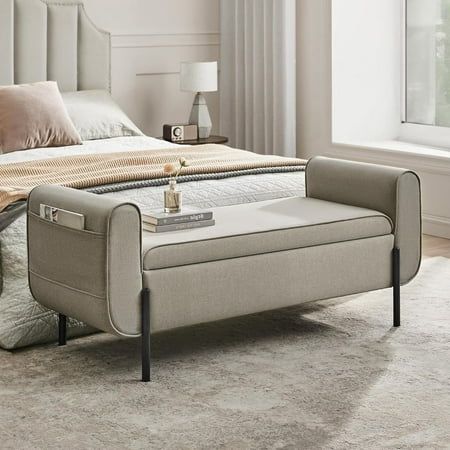
  • Storage Ottomans: Besides being a comfortable place to put your feet up, a storage ottoman is also a smart storage solution. It can be used to keep blankets, magazines, or toys to make sure that your lounge room is neat and tidy without clutter. Some also serve as extra seating.
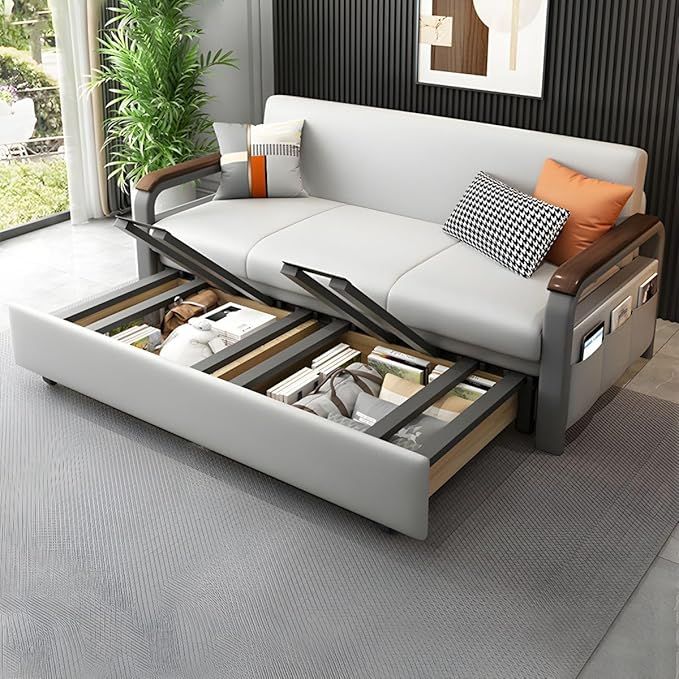
  • Convertible Furniture: Think about pieces that can easily be changed for different purposes like a fold-out desk that becomes a console table or a wall-mounted shelf that can come down to become a dining table. These are great for small spaces where flexibility is important.

11. Personalize with Accessories

Accessories are the last things that make your living room lively. They depict your identity, bring up more hues, and make the whole design look better.

  • Cushions and Throws: New cushions and throws can completely modify the appearance of your living room. You can change them seasonally or whenever you want to renew an area. Combine a diversity of designs, textures, and shades to achieve a layered and inviting view.
  • Artwork and Wall Decor: Customize your living room using art pieces that just speak to you. This could involve paintings, prints, or even an assortment of photos that are framed. Additionally, wall décor features like mirrors, clocks, or tapestries will enhance its character.
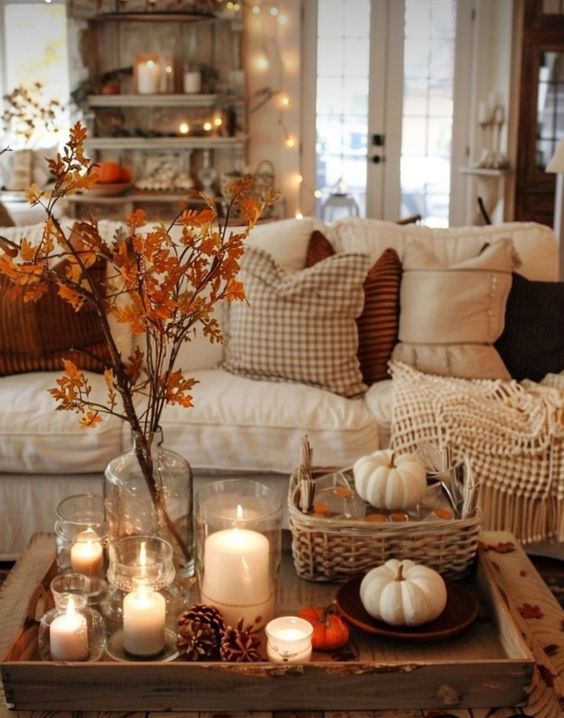
  • Candles and Lighting: Fragrant candles, lanterns, and small decorative lamps can create a warm intimate environment for your sitting room. Choose scents that help you unwind as well as lighting which is in tune with the desired mood.
  • Vases and Plants: Having fresh flowers or greenery in elegant vases brings nature into homes. In addition to artificial plants being an option for some people, they can also inject life or other forms of color into a living room.

12. Maintain Flexibility and Adaptability

Your lounge should not be static as it changes with passage of time because new ideas and personal preferences may come in. Being open to different designs can help you accommodate various events or situations that may arise within a year.

  • Rearrange Furniture: Don’t get locked into the same old configuration of your furniture. It is important to periodically shift things around so that you can see the room differently. Simply changing the way furniture is arranged can make it seem like an entirely new place.
  • Update Decor Seasonally: Decorate your living room according to the seasons. During the cold months go for warmer colors, heavier fabrics, and softer textures. For spring and summer, switch to lighter materials and brighter colors.
  • Adapt to Lifestyle Changes: A lifestyle change should also bring about corresponding changes in your living area. If for example, you start working from home more often than earlier, consider incorporating a mini home office into this space or wherever else seems most convenient for you. On the other hand, if there are small kids on board, set up a playroom that can easily be packed away when not in use.

Conclusion

Creating a lounge space both stylish and comfortable requires careful planning, creativity, and self-expressionism. Defining your style, picking right furnishings, focusing on lightening plus adding textures and layers can help you create space that is genuinely yours and meets all your needs. This means incorporating art, and personalizing it through various approaches while keeping flexible designs so it remains a warm place even after years.

Cheap and Simple Front Yard Landscaping Ideas in 2024

Cheap and Simple Front Yard Landscaping

Cheap and Simple Front Yard Landscaping Ideas in 2024

Are you thinking about a beautifully designed front yard? It does not require one to spend too much or to make it complex. Just a little creativity and some well-thought-out planning can turn your front yard into an attractive and inviting space that won’t cost you a fortune. Below are some affordable and easy landscaping ideas, which will help you create the most stunning yet cheap front yards ever.

Start with a Plan

One needs to have a clear plan in place before embarking on any kind of landscape project. Take time to assess your front yard by size, shape, and current features. Identify the areas that may need improvement and choose how you want the whole place to look like. Whether you aim at having a lush green garden or getting a low-maintenance minimalist design, this way you will remain focused as well as be able to maximize your budget.

Embrace Native Plants

Consider choosing native plants if you want to save money on landscaping. Indigenous plants are adapted naturally to the climate in which they grow with less water, fertilizer, etc than other types of plant materials do. They also withstand pests plus diseases without costly treatments required for them doing so reducing costs in this regard. Search for indigenous species of plants that thrive well within your locality; these will give your compound attractiveness while requiring minimal care from humans especially if located at the entrance section of a house like in many homes today.

Use Mulch to Your Advantage

Mulch is a cost-effective and flexible means of landscaping that can significantly improve the look of your front yard. It keeps moisture in the soil, helps to prevent weed growth, as well as improves plants’ general wellbeing. Create an elegant look by spreading mulch around your flower beds, shrubs, and trees. Different types of mulches such as wood chips, straw or even shredded leaves from your backyard are also available.

Create a Focal Point

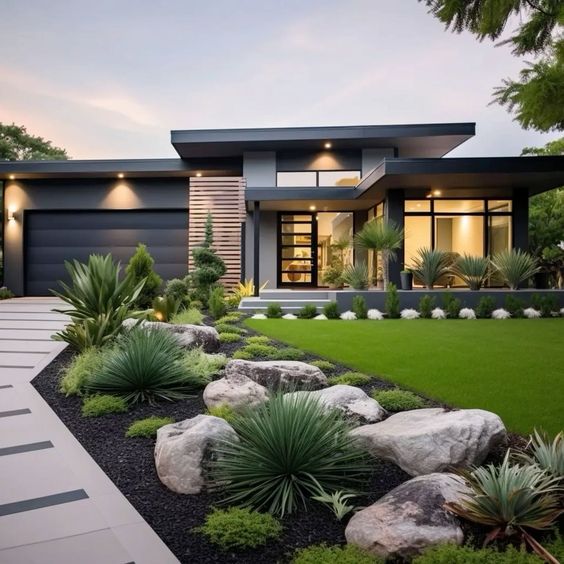
Each front yard should have a focal point that captures the eye and adds interest to the space. This could be a beautiful tree or flowering shrub, garden statue or simple birdbath. You do not need to spend much money creating a stunning focal point. For instance, a strategically placed boulder or little cluster of larger rocks can create substantial influence. Alternatively, something like painting a garden pot yourself or throwing some flowers into an old wheelbarrow will also act as one.

Incorporate Landscaping Elements

Pathways, edging, and borders are examples of landscape features that bring structure and definition in your front yard. You can make simple walkways using inexpensive materials like crushed stones, stepping stones, or recycled bricks. Rock edging on gardens beds helps retain plants while giving it a more finished look which makes it appear maintained at all times at the least cost possible. Additionally, you could have small

Opt for Low-Maintenance Ground Covers

You can reduce the time and money spent on mowing your lawn by substituting some of it with low-maintenance ground covers. These kinds of plants are resistant to drought and they grow up slowly, thereby only requiring you to occasionally trim them. These plantings also create a visual variety in terms of texture and color adding more attraction to your front yard. In addition, such herbaceous coverings help protect your topsoil from being washed away while minimizing water runoff.

Use Recycled Materials

Not only is it budget-friendly but also eco-friendly when you involve recycled materials into landscaping. You can use old bricks, wood pallets, or leftover stones from other projects that make up interesting borders, pots, or even elements such as trellis or pergola if you’re creative enough. If there are any salvage yards close to where you live or if there is online market place where people sell used items near you, it’s advisable to check in those places because you may find some very cheap materials for your yard.

Plant Perennials for Long-Term Savings

Selecting perennials for your home’s front garden is an economical approach to ensuring its continuous beauty throughout the year. Unlike annual flowers which should be replanted annually, perennial plants will come back by themselves thus saving both time and money. When picking species of perennials consider having some that bloom at different moments across the whole year so that there would always be colorfulness in the landscape around your house.

DIY Garden Features

There is no need to spend a lot of money when creating a garden with such features as raised beds, trellises, and garden art. Most of these things can be done with basic tools and cheap materials. For example, using old wood to make raised garden beds or just having bamboo poles and twine will create a simple trellis. Making your own yard features saves you money while also giving you room for personalization according to one’s taste.

Water Wisely

Maintaining an attractive front yard without spending too much requires efficient water usage. To save water, install a rain barrel that collects rainwater for irrigation purposes. This means not only saving water but also reducing utility bills. Therefore, drip irrigation systems are also effective since they bring water directly to the roots of plants hence minimizing any wastage that might occur in this process. Watering your grass or plants early in the morning or later in the evening can help reduce evaporation which ensures adequate moisture supply for the plants.

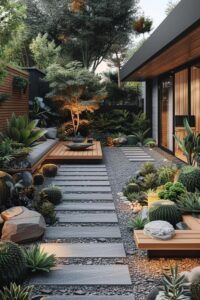
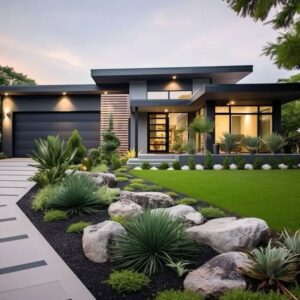
Create a Simple Rock Garden

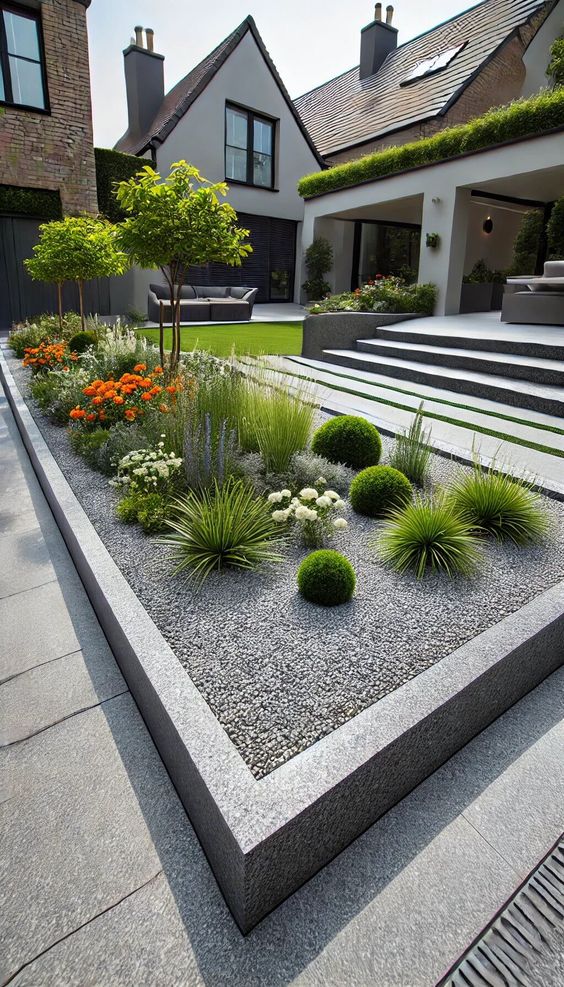
A rock garden is an inexpensive and low-maintenance landscaping option that adds visual appeal to front yards. Select rocks of various sizes and shapes to achieve a natural-looking composition. Furthermore, drought-tolerant species like succulents, cacti or ornamental grasses can be included in order to introduce color and texture into it.

Add Color with Annuals

In the meantime, while perennials provide long-term value, annuals are an excellent avenue of adding color to your front yard without a lot of money. You can find flats of annuals at garden centers for cheap and they come in many colors and types. For maximum impact, plant them in clusters or fill spaces between perennials. This means that you can change the color scheme of your garden every year to give it a new and fresh look.

Use Ornamental Grasses

There is nothing like ornamental grasses that can bring height, texture, and movement to your front yard in an inexpensive way. They do quite well even on less water and different soil types. Examples of these common ornamental grasses include fountain grass, blue fescue, or switchgrass. The use of these grasses as borders or planted in groups with other perennials creates a dynamic landscape.

Install Solar Lighting

Lighting is important for any front yard; however solar lights are eco-friendly since they consume less energy compared to other bulbs which are connected through electrical wires that make solar lights simple to install due to the absence of any wiring. During the night these lights illuminate using the sun’s energy which makes it efficient than all other lighting fixtures. To have a warm atmosphere around your house place them along pathways, flowerbeds or near the entrance of the house where you live.

Keep It Simple

Sometimes, simplicity is the best approach to landscaping. You can make your front yard look as magnificent as it would have been made with a complex garden by keeping things simple. Put a keen eye on some few essentials such as well-trimmed grass, marked-off flowerbeds, and a few carefully positioned plants or focal points. Simplicity in design makes it easy to maintain over time and cuts down on costs.

Conclusion

These cheap and simple ideas will help you create an amazing front yard without spending too much money. Through the use of native plants, recycled materials, and low-maintenance options, one can create a beautiful front yard that enhances the home’s curb appeal without requiring substantial capital outlay. The most important part of successful landscaping is planning, being creative, and trying out different ideas. With some effort and creativity one can turn his/her front yard into something he or she can be proud of for many years into the future.

Limited Space Small Bathroom Designs with Shower in 2024

limited space small bathroom designs with shower

Limited Space Small Bathroom Designs with Shower in 2024

Designing a tiny bathroom can be both challenging and fulfilling. Therefore, it is important that homeowners and designers employ novel techniques of maximizing utility while upholding elegance in order to cope with the limited area. When talking about small bathrooms, incorporating a shower appears even more problematic as compared to other furniture. However, with correct design strategies and intelligent space utilization ideas, this small bathroom with a shower can turn into an enjoyable and effective relaxation corner. This article will discuss several design ideas, tips, and considerations to enable you to fully exploit your small bathroom.

1. Maximizing Space: The Key to Small Bathroom Design

In compact spaces like these it becomes necessary to account for every square inch of space available. The first step in designing a small bathroom with a shower is to maximize space utilization on hand. It takes careful planning and smart design choices to make the most out of the room’s layout.

a. Opt for a Compact Shower

Opting for a smaller shower is one of the most efficient ways to save space in a small bathroom. Here are some options that you should consider:

  • Corner Showers: An excellent alternative for corner showers helps to save space. As you place the shower in one of the corners, this allows you to have more spaces in the rest of the bathroom for other fittings and storage. These are available as square, rectangular, and neo-angle designs creating different looks and making optimal use of space.
  • Walk-In Showers: The at first vague walk-in showers that do not have any doors may create a sense of spaciousness in a small bathroom. Easy to get into and out of, they help make the bathroom look bigger because they are open in design. A half-wall or glass partition is one simple technique used to stop water from going everywhere in the room.
  • Curved Showers: If you think that a square or rectangular shower is too stiff, then consider adding a curved shower which can be gentle yet space-saving as well. Curved showers with rounded edges take up less space and give an impression of more spaciousness than squared off versions.

b. Utilize Vertical Space

When there is no floor area left, vertical space becomes invaluable. Organizing them properly will keep them from being untidy or crowded at all times

  • Tall cabinets are a great idea since they occupy less floor space. Towels can be stored in these cabinets along with toiletries and cleaning supplies.
  • Wall-mounted shelves are ideal for this purpose. They could be mounted over the toilet, near the shower or next to the vanity.
  • Shower niches represent an innovative way of storing bathroom essentials such as shampoo, conditioner, and soap without having them on additional shelves. These niches are built into the wall of the shower and create more space because they do not project beyond it.

2. Clever Shower Design Solutions

As far as small bathrooms are concerned, showers play a central role in their appearance and atmosphere. Below are some creative solutions for shower design:

a. Frameless Glass Showers

A frameless glass shower can make your small bathroom appear more expansive and light-filled. Instead of traditional showers with heavy frames around them, frameless glass enclosures provide a sleeker look that lets your eyes travel throughout the entire space without interruption. By doing this, it improves on its beauty while also giving it an illusion that it is larger than what it actually is.

b. Wet Room Design

A contemporary small bathroom can be transformed into a luxury wet room to save space. A wet room is essentially a spa-like bathroom with no enclosure around the shower area: instead, the whole room is waterproofed and one walks straight into it from the rest of the room through a glass door on which water is never splashed while taking a bath. This makes your bathroom feel larger because there’s no separate enclosed shower at all.

  • Linear and Square Drains: A drain line, which may be linear or square, can be installed into the floor to ensure that all water drains promptly without pooling.
  • Waterproof Materials: Utilize waterproof wallboards or tiles to keep walls and floors in good condition. Large tiles with small grout lines result in a neat appearance and uninterruptedness.

c. Compact Shower/Bath Combinations

However, if you want to have a shower and a bathtub in your small bathroom then you can go for compact shower/bath combination. These units combine a small bathtub with a showerhead so that you can enjoy both of them while saving some space.

  • Shower Over Tub: A tiny bathroom does not have enough space; this is why such showers are made. Choose the one that will make it look modern: it must be sleek and slim.
  • Sliding or Bi-Fold Shower Doors: You may also consider sliding or bi-fold doors instead of swinging ones because they occupy less space and are more comfortable to use in tiny lavatories.

3. Choosing the Right Fixtures and Fittings

The choice of fixtures and fittings for your small bathroom with shower will significantly affect its usability as well as aesthetic value. Here are some tips on how to select the most appropriate ones.

a. Wall-Mounted Fixtures

Toilets, faucets, and sinks mounted on the wall save valuable floor space and make cleaning the bathroom easier.

  • Wall-Mounted Sink: In a small bathroom, a sink mounted on the wall without any base can make it appear wider. Opt for a modern design that complements other elements of your bathroom style.
  • Wall-Mounted Toilet: Another excellent feature of wall-mounted toilets is their contemporary appearance. The tank is typically concealed in the wall which helps to maintain the clean look of the room as well as ensuring there are no unnecessary things lying around there.

b. Space-Saving Toilets

In this case, even just a toilet can take up much space in a small room. A chance to install a compact toilet can help you maximize the limited area available in such cases.

  • Compact Toilets: Smaller toilets are built with comfort in mind while still being able to utilize less space. They are usually shorter in length, which makes them ideal for tiny bathrooms.
  • Corner Toilets: A corner toilet can be an ideal choice if you need more room. These toilets are designed to fit into corners freeing up other fixtures’ spaces.

c. Minimalist Fixtures

Minimalist fixtures are also perfect for petite bath spaces because they give off an uncluttered streamlined outlook that doesn’t consume too much space.

  • Slim Faucets: Opt for slim, contemporary faucets that take up less space on the countertop. Choose a matte black or brushed nickel finish to give the bathroom a modern look.
  • Compact Showerheads: A compact wall-mounted showerhead with simple design can save on space and add to the minimalistic look of the bathroom.

4. Enhancing Aesthetics in a Small Bathroom

Although functionality matters in small bathrooms, aesthetics are equally important in creating spaces that feel both comfortable and inviting. Here are some design ideas to improve your small bathroom’s outlook with a shower:

a. Light and Bright Colors

Small bathrooms will appear larger and airier when lighter color choices are used. The best idea is to go for neutral tones such as whites, creams, soft grays, or pastels which will lighten up your space.

  • White Tiles: Floors and walls clad with white tiles create a pure and seamless appearance. For instance, you could consider using subway tiles which have a classic and timeless appeal.
  • Pale Colors: Pale shades of blue, green or pink can subtly add color without overwhelming the room. They come alive in bathrooms with natural light flooding through their windows.
  • Glossy Finishes: Glossy paint or tiles’ finishes reflect light thereby making the room seem bigger than it is. You may therefore use this type of finish on your walls or even on your shower enclosure

b. Mirrors and Lighting

Designing a small bathroom requires the use of mirrors and lighting fixtures. They can expand the feeling of space in such a room and improve its general look.

  • Enormous Mirrors: A big mirror can make a tiny bathroom appear larger. Think about having a frameless mirror that stretches over the vanity or one with a mirrored medicine cabinetry for extra storage.
  • Recessed Lighting: Recessed lights do not consume any room yet provide even illumination. To light up your room, mount recessed lamps into your ceiling or above your shower.
  • Sconces and Pendant Lights: Task lighting combined with wall sconces or pendant lights may contribute to decorative elements. Opt for fittings with slim profiles which match the style of the bathroom.

c. Textures and Patterns

Small bathrooms will benefit from textures and patterns that help to create visual interest without overwhelming them.

  • Textured Tiles: Textured tiles add more depth as well as character to your bathroom. Use these tiles within the shower as an accent wall or behind your sink area.
  • Patterned Floors: The illusion of more space is created by using patterned floors, which draw eyes downwards Geometric patterns, herringbone, or small mosaic tiles are good choices for smaller bathrooms
  • Accent Walls: Design an accent wall with some brightly colored tile patterns on it; alternatively you could go for those that have contrasting colors on it. This is an excellent way of adding visual appeal to your small space by breaking monotony through creating focal points.

5. Storage Solutions for Small Bathrooms

However, what can be done to address issues of storage in small bathrooms? The answer is simple; all you need is appropriate solutions that will make sure your area is neat and free from any kind of disorder.

a. Recessed Storage

Surface-mounted cabinets aren’t that different apart from the fact that they are simply attached to a wall. But there’s a difference between recessed and surface-mounted cabinets. They don’t require much effort; compared to other models, they are easier to install. They can be bought for under $100 or above $100 depending on the material used to make them, such as stainless steel or glass.

A vanity with built-in storage can hide many things from view while keeping them accessible when needed. Some of these are even compact enough to fit over the sink. It’s like killing two birds with one stone!

b. Multi-Functional Furniture

These units usually cost about $30-$150 dollars, but some varieties can go up to $500 or so depending on whether one decides to buy a complete set or just small pieces like shelves for instance which might cost less than a hundred bucks each.

For additional storage without taking any floor space at all an over-the-toilet storage unit is wonderful. These come in various designs and styles ranging from open shelf systems right through enclosed cabinetry ones.

I am not sure if you have had this experience before: your bathroom is so tiny and filled with too many things making it impossible for you to move around freely.

6. Conclusion

Creating a small bathroom with a shower can be difficult though it can become a functional and beautiful space that meets all your needs by using the right strategies and thinking creatively. You can have a massive effect in limited spaces by utilizing space optimization, picking the right fittings and fixtures, and improving aesthetics. A frameless glass shower, wet room or compact shower/bath combo are some of the options for an elegant and efficient small bathroom. Make sure that you have a coherent design, exploit vertical dimension advantageousness, and create storage solutions that suit your lifestyle. With careful planning and attention to detail, you can turn your small bathroom into one that feels spacious, comfortable and uniquely yours.

Partition Designs Between Living and Dining Areas 2024

Partition Designs Between Living and Dining

Partition Designs Between Living and Dining Areas 2024

Open floor plans have become a thing in the contemporary interior design both for residential and commercial spaces. They enhance openness, light penetration as well as interaction between people. Nonetheless, while we adore the feeling of expansiveness that an open plan gives us, in practice we often find ourselves needing to somehow demarcate and separate different functional areas within it, such as the living room and dining room. Partition designs between living and dining spaces offer an effective solution, striking a balance between maintaining an open feel and providing a sense of distinction and purpose to each area. In this article, we will discuss many partition design ideas that do not only serve functional purposes but also add beauty to your interiors.

Why Consider Partition Designs?

Partition designs are about more than just splitting space; they aim at creating unity and flow among various zones of function. Here is why you might consider having partitions between your living room and dining area:

  • Spatial Definition: Partitions help clearly define where one area ends and another begins, which is particularly useful in open concept homes that need order.
  • Aesthetic Enhancement: A well-chosen partition can act as a focal point or design element, which will add interest to your interiors when properly chosen.
  • Functional Versatility: Some partitions can also serve as storage units, display shelves, or even art installations, thereby making the space both practical and attractive.

Privacy and Noise Control: Partitions offer privacy and noise control between living room and dining room areas that may be required in busy homes

Types of Partition Designs

Different needs, styles and spatial configurations have led to a wide variety of partition designs. Some popular options include:

1. Glass Partitions

Glass partitions are contemporary elegance for dividing living or dining areas while maintaining the openness of layout. They create brightness through enabling light passage. Examples of how glass partitions might be used include:

  • These give a modern and minimalist look suitable for up-to-date houses. They offer a clear view while subtly separating the spaces.
  • Frosted or Tinted Glass: If you desire more privacy, frosted or tinted glass may be used. This type of glass still allows light to filter through but obscures the view between the areas.
  • Glass with Metal Frames: Industrial-style interiors can benefit from glass partitions with metal frames, which add a touch of ruggedness while maintaining transparency.

2. Wooden Partitions

Wooden partitions bring warmth and a natural element to your living space. They can range from traditional to contemporary, depending on the design:

  • Wooden Slats: Vertical or horizontal wooden slats create a visual division while allowing some level of transparency. This design is versatile and can be used in both modern and rustic interiors.
  • Carved Wooden Screens: Intricately carved wooden screens add a touch of luxury and cultural richness to the space. These are particularly popular in traditional or eclectic homes.
  • Solid Wood Panels: For a more substantial division, solid wood panels can be used. These can be left plain or adorned with artistic carvings or inlays

3. Shelving Units

It is not only a practical but also fashionable option to divide space using open shelves, this becomes even more necessary in small spaces which have multifunctionality as their primary design principle:

  • Open Shelves: These shelving units are designed to accommodate decorative articles, books or plants while still maintaining the openness between the living and dining areas.
  • Closed Cabinets: In some instances, partitions may be designated for the purpose of additional storage. Customization options include doors or drawers that are integrated into these compartments.
  • Combination Units: A mixture of shelves that are open and have closed designs allows for both display purposes as well as storage alternatives that cater to different needs and styles.

4. Sliding Doors

Opening up or closing off living areas is easy with sliding doors:

  • Glass Sliding Doors: Glass sliding doors are ideal for modern or contemporary homes due to thier ability to maintain visual connectivity even when they are closed.
  • Wooden Sliding Doors: When they are closed, wooden ones make a denser partition giving a traditional or rustic feel to the room.
  • Barn Doors: For farmhouses and other rustic interior types, barn doors can be used as an alternative. They give character and hint on nostalgia all at once.

5. Curtains and Drapes

If a more gentle and flexible method of dividing spaces is needed, use curtains and drapes as partitions:

  • To let in sunlight and create a romantic mood, delicate curtains are made of thin fabric. They make space feel light and airy.
  • Heavy Curtains: The heavy curtain can be pulled to separate the room into two halves and establish an intimate area. They also contribute to noise reduction between living and dining areas.
  • Multiple Curtains: Different layers of curtains are used so as to control lighting, privacy, or even ambience in the room.

6. Metal Screens

Metal screens are a bold modern choice for partitioning spaces; they can be designed in different patterns or finishes:

  • Laser-Cut Metal Screens: These screens can be customized with intricate patterns creating a striking visual effect but still allow some level of transparency.
  • Perforated Metal Panels: Metal panels that have holes punched on them give a more industrial look and provide an opportunity to create semi-transparent divisions between two different areas.
  • Metal Grilles: Geometric or artful grilles made of metal serve as contemporary divisions with identity of their own that add utility along with beauty

Creative Partition Ideas

Partition designs which are different from the most common one can be used in a number of creative ways to define space between your living and dining areas. Below are some innovative suggestions.

1. Green Partitions

Incorporating greenery into your partition design can breathe life into your interiors:

  • Vertical Gardens: This may come in form of vertical garden or wall mount planter. It adds natural element to your place while improving air quality.
  • Potted Plant Shelves: Shelves filled with potted plants create a Green Partition that brings life, vibrancy and freshness to your living and dining areas.

2. Art Installations

For an exclusive and customized partition, you can consider using art as a dividing element:

  • Large Sculptures: Either one large sculpture or several small ones could become a visual divider giving some artistic feel to the space.
  • Wall Art Panels: These panels have big artworks or unique designs that transform them into excellent partitions, turning what divides into a focal point.

3. Floating Partitions

  • Floating partitions: appear to divide but they do not touch the floor since they are suspended from the ceiling. They are ideal for maintaining lightness and openness:
  • Suspended Shelves: A subtle partition is created by floating shelves which also serve as storage spaces.
  • Hanging Screens: Screens that hang from the ceiling offer a flexible and modern way to divide spaces, with options ranging from metal to fabric.

Choosing the Right Partition for Your Space

When you are planning to set up a partition, there are a few things that you must consider so as it can suit your interior as well as functional purposes:

  • Size and Layout of Space: In this case, the size of your living area and dining will dictate what kind of partition to choose. For small rooms, it is better using lighter and more transparent partitions like curtains or glass while large spaces would accommodate rather heavy designs such as shelves or solid wooden panels.
  • Interior Style: The design of the house has also be considered when choosing the right partition for your home. This is because, for instance, a carved wooden screen may not look good in a minimalistic décor setting whereas a sleek glass partition may not match with the traditional setup.
  • Functionality: Another thing that must come into play is how it will be used. A shelving unit may make storage easier if this is needed. If flexibility matters most however, sliding doors or curtains could be chosen instead.
  • Budget: What you have purposed to use on this will determine your choice from simple curtains which can even be made by one’s self to custom made facilities such as laser-cut metal screensor glass panels which are expensive. Don’t forget to establish how much money you want to spend.

Conclusion

Additionally, the partition designs between living and dining areas provide an ideal combination of usefulness and attractiveness that guides homeowners to set apart rooms while not affecting the openness of recent plans. You will find a partition design for every taste, demand and style, whether you go for a smooth glass panel, a warm wooden separator or even a creative green wall. It would be best to take into account parameters such as space, style or functionality to select the right partition that improves aesthetics as well as convenience in your dining and living areas thereby building up a harmonious and structured home

Top 10 Tiles Company in India (2025/2026)

Top 10 Tiles Company in India

Top 10 Tiles Company in India (2025/2026)

Top 10 Tiles Company in India

Over the last few decades, India’s tile industry has experienced tremendous growth and has become an international centre for tile production as well as exports. Indian tile companies have played a significant role in the global market by using new technology, diverse designs and large production capacity of tiles. This article will discuss and highlight top 10 tiles company in India, showing what they offer, how big they are in terms of their market presence and also how they contribute to this sector.

Future Stiles

1. Future Stiles (Designer Tiles Manufacturer)

Overview:

The year 1996 saw the inception of Future Stiles, or Designer Tiles, as it is popularly known. This Indian tile industry has witnessed a significant transformation of Future Tiles into a household name for many customers.

Future Stiles is a Designer Tile Manufacturer that is celebrated for transforming and modernising interiors with innovations and craftsmanship. In the tile industry, Future Stiles has built a reputation that integrates optimal fabrication technology with contemporary design into tile creations for private and corporate interiors and luxury projects.

As a leading tile design and producer, Future Stiles is known for the artistic and designer craftsmanship of its tiles, including: creative handcrafted tile, 3D elevation tiles, Moroccan tiles, specialty highlighter tiles, subway tiles, fluted tiles, and designer large-format slabs. Each tile is crafted with performance and perfection.

What sets Future Stiles apart is its vigilant pursuit of tile design and construction. Each tile balances design with performance to meet the durability and everlasting characteristics required for surface finishes and flooring. Future Stiles is always gaining tile design inspiration to keep tiles aligned to the vision and expectations of architects, designers, and dwellers.

Future Stiles – Yearly Net Worth & Turnover (Approx)

Annual Turnover (Revenue)
Projected Annual Sales Revenue: ₹2.5 Crore to ₹5 Crore approx.
– This figure is based on business listing information for Future Stiles as a local tile manufacturer and supplier.

💰 Net Worth / Valuation
Future Stiles, being a private/partnership business, has no visible public valuation (e.g., as with listed companies).

One industry overview has ascribed a market value of ~₹500 Crore to Future Stiles (possibly a rough estimate or valued on brand value), but this is not corroborated by any audited financial statements.

Product Range:

Designer Ceramic Wall and Floor Tiles, Full Body Tiles, Vitrified Tiles, and Digital Tiles by Future Stiles are a few examples. The company excels in this area with its innovative designs and high-quality products.

Market Presence:

By having a well-established presence in India and new markets for its manufactured goods, Future stiles has become one of the most trusted brands in the market. With emphasis on innovation, quality and ensuring customer satisfaction, Future Stiles has managed to remain competitive within their market.

Contact Details

Phone: +91 9711558113

Mail: futurestiles123@gmail.com

Website: https://futurestiles.com/

Address: Third Floor, WHS, 69/1, Block A, Block L 2, Kirti Nagar, New Delhi, Delhi, 110015

Quick Form

Don’t Wait to Impress – Connect with Us for Stylish Tile Designs

Have Questions? We Have Answers. Let’s Connect

Click Here

2. Kajaria Ceramics Ltd

Kajaria Ceramics

Overview:

Kajaria Ceramics is the biggest manufacturer of ceramic and vitrified tiles in India. It was founded in 1988, but over time, it has become a household name that is associated with quality and creativity. Kajaria manufactures a wide array of tiles which come in different sizes, designs, and finishes to cater for domestic as well as commercial places.

In tile production, Kajaria Ceramics is the most reputable and is also the largest manufacturer of tiles in the country. With ceramic and both cleaned and unglazed tiles, the company has built an enormous empire in the industry based upon numerous success and technological advancements, along with unparalleled quality. Throughout the years, with Kajaria’s reliability, great standards of design have been achieved, and in manufacturing, quality has been advanced in the industry.

With European tiles of strong quality and great finish, along with design precision, the company has tiles of great quality. Bathroom wall tiles, glazed tiles, outdoor tiles, and ceramic tiles has built an enormous empire in the industry based upon numerous success and technological advancements, along with unglazed tiles, the company has AYU tiles, and they are of great quality. Throughout the years, with Kajaria’s reliability, great standards of design have been achieved, and in manufacturing, quality has been advanced in the industry.

Kajaria Ceramics Ltd - Yearly Net Worth & Turnover (Approx)

Annual Turnover: ~₹4,635 Cr (FY25) in sales revenue.

Net Worth / Market Cap: ~₹16,269–₹19,669 Cr (~$2.34 B).

Share Price: 52-week range ~₹745–₹1,578.
📌 India’s strongest tile distribution and exports

Product Range:

Among the products manufactured by Kajaria are ceramic wall and floor tiles, polished vitrified tiles, glazed vitrified tiles, and digital ones. The company uses innovative digital printing technology that allows the reproduction of intricate images realistically.

Market Presence:

In addition to having a vast distribution network through its dealers and distributors all over India, it is present in more than thirty-five countries. For its commitment towards environmental friendliness, innovation plus customer satisfaction, among others, Kajaria has received many awards and accolades from different quarters to date.

Contact Details

Phone: 1800 309 309

Mail: info@kajariaceramics.com

Website: https://www.kajariaceramics.com/

Address: J1/B1 (Extn.), Mohan Co – op Industrial Estate (Opp. Badarpur Thermal Power Station), Mathura Road , New Delhi – 110044

3. Somany Ceramics Ltd

Somany Ceramics

Overview:
One of the oldest and most respected tile manufacturers in India is Somany Ceramics, established in 1969. The company has a reputation for its tiles being durable and aesthetically pleasing.

One of the most admired and innovative brands in the tile industry, Somany Ceramics, has over five decades of experience and is also one of the largest. Worldclass, boutique ceramic tiles and vitrified tiles, bathware and sanitary products have become a design and construction industry standard. Somany has built a reputation, among construction and design professionals, for accessibility, attractive surface design solutions and reliable tiles and sanitary ware.

Using advanced European technology, the tile industry leader manufactures a vast product range for homes and businesses, including glazed and polished vitrified wall and outdoor tiles and premium bathware; also, innovative Slip Shield, hydrophobic, and anti-bacterial technology tiles. Somany’s innovative industry lead commitment to product construction and design excellence is unquestioned.

Somany Ceramics is recognized for its excellent design understanding with their textures, patterns, and finishing inspired from natural stone, wood, marble, and worldwide design trends. The company has an even distribution of dealers and exclusive showrooms around India, which allows for a seamless and easy customer journey with the brand.

Somany Ceramics Ltd - Yearly Net Worth & Turnover (Approx)

Annual Turnover: ~₹2,659 Cr (FY25 sales).

Market Cap: ~₹1,682 Cr.

Share Price (Feb 2026): ~₹410.
📌 Oldest tile brand, listed company, and diversifies in décor products.

Product Range:

Such products include ceramic and vitrified tiles, polished vitrified tiles, glazed vitrified tiles and digital tiles apart from sanitaryware, bath fittings and tile laying solutions.

Market Presence:

Somany Ceramics has both urban and rural presence thanks to a strong distribution network across the country. It has also branched out to international markets as it exports its goods to over 60 countries worldwide.

Contact Details

Phone: 1800 1030 004

Mail: customer.care@somanyceramics.com

Website: https://www.somanyceramics.com/

Address:  Sector 16, Kassar Rd, Dist, Bahadurgarh, Sankhol, Haryana 124508

4. Asian Granito India Ltd (AGL)

3. Asian Granito India Ltd (AGL)

Asian Granito India Ltd (AGL) is recognized as one of the fastest-growing tile firms in India due to its high-quality products and innovative designs. AGL was formed in 2000, but today it is already a major player in the Indian tile market.

Asian Granito India Ltd (AGL) is an excellent tile, marble, quartz, and bathware manufacture in the country with a great reputation for its stunning growth, design paradigm, and worldwide outreach. AGL has been in operation for 20 years in 2000 and has been a leading and major company in the ceramics industry with a lot of varied and high-quality offerings. Their collection can meet the style and design requirements for nearly any contemporary home, several businesses, and massive architectural works.

AGL owns some of the best manufacturing plants that utilize advanced European technology to produce ceramic tiles, vitrified tiles, polished glazed vitrified tiles (PGVT), outdoor solutions, engineered marble, and quartz surfaces. The company’s products are in high demand among designers, homeowners, and others due to their unique and fashionable designs, rich colour palettes, earthly textures, and overall strong and durable construction. AGL’s exceptional products are long-lasting solutions to people’s problems and implacable senses.

Asian Granito India Ltd (AGL) Yearly Net Worth & Turnover (Approx)

Asian Granito India Ltd (AGL)

  • Annual Revenue: ~₹1,712 Cr.
  • Market Cap: ~₹1,652 Cr.

Share Price (Feb 2026): ~₹70 – ₹73.
📌 Brand in vitrified tiles and surface solutions with increasing exports and retail presence.

Product Range:

Ceramic wall and floor tiles, glazed vitrified tiles, polished vitrified tiles, quartz stone, and marble form the product portfolio of AGL. Also, it first brought a large-format tiling system into India.

Market Presence:

AGL exists in more than fifty nations through its huge dealer network, along with rising export trade. By concentrating on innovation, technology breakthroughs, plus customer-centric approaches, the company has managed to develop a strong base of loyal customers.

Contact Details 

Phone: 1800 123 3455

Mail: info@aglasiangranito.com

Website: https://aglasiangranito.com/

Address: Ground Floor, F-15, Vasundhara Enclave, Noida, Uttar Pradesh 201301

5. Nitco Ltd

Nitco Limited

Overview:
Nitco Limited, one of India’s oldest tile manufacturers, was established in 1953. It has a rich heritage and is known for its high quality products and elegant designs.

NITCO Limited is known for its tile manufacturing and craftsmanship. Among the other tile manufactures in the market, its products shows premium qulaity and designs. This company is over 70 years and with its strong and visible innovative structures, NITCO clearly holds a leading position among its competitors in the market. NITCO has and will cater for luxury homes, commercial centers and complex large structures.

The manufacturer in question has state-of-the-art facilites producing different types and varieties of ceramics like ceramic and vitrified tiles, digitally printed tiles and natural slabs of marble. NITCO is regarded in the industry for the finesse of their craftsmanship, detailing, and their ability to ingeniously create works of art that combine functionality and durability. NITCO commands respect among industry peers and is the favourite of so many interior designers, architects, and homeowners for the pieces of work that they are able to create, inspired by the trendy designs from different parts of the world, art, nature, and modern architecture.

Nitco Ltd – Yearly Net Worth & Turnover (Approx)

Smaller-cap listed tile brand focusing on premium tiles and design segments.

Annual Revenue: Reported at ₹324.75 crore or ₹325 crore, with a 1-year decline of around 0.94%.

Share Price (Feb 2026): ~₹70 – ₹75.

Product Range:

Nitco makes different types of tiles, including ceramic wall and floor tiles, vitrified tiles, and designer tiles. Moreover, the company produces marble, mosaic and metal craft items that target the premium market segment.

Market Presence:

Nitco’s products are sold through over 5000 retail outlets across India while it exports to over 40 countries. Nitco has built a strong customer base both locally and globally through its commitment to craftsmanship, design excellence and innovation.

Contact Details: 

Phone: 080 3790 8558

Email: marketing@nitco.in

Website: https://www.nitco.in/

Address: Building No, PN B1/A15, opposite Metro Pillar No 338 A, Block B1, Block E, Mohan Cooperative Industrial Estate, Badarpur, New Delhi, Delhi 110044

6. H & R Johnson (India)

johnson tile

Overview:
Nitco Limited, one of India’s oldest tile manufacturers, was established in 1953. It has a rich heritage and is known for its high-quality products and elegant designs.

Product Range:

Nitco makes different types of tiles, including ceramic wall and floor tiles, vitrified tiles, and designer tiles. Moreover, the company produces marble, mosaic, and metal craft items that target the premium market segment.

Market Presence:

Nitco’s products are sold through over 5000 retail outlets across India, while it exports to over 40 countries. Nitco has built a strong customer base both locally and globally through its commitment to craftsmanship, design excellence, and innovation.

Contact Details:

Phone: 1800 210 7484

Mail: tiles.customercare@prismjohnson.in

Website: https://www.hrjohnsonindia.com/

Address: No A, 75, Swami Dayanand Marg, near Ambedkar Gate, Anarkali Garden, Jagat Puri, Krishna Nagar, New Delhi, Delhi, 110051

7. Simpolo Ceramics

fluted tiles- designer tiles

Overview:
Simpolo Ceramics, established in 1977, is famous for its high-quality tiles with ground-breaking designs. It has created a place for itself in the top-most part of tile market.

Simpolo Ceramics is an admired tile and sanitaryware products brand that is also one of the fastest-growing brands in the country due to their fine quality products, technological advancements, and unique designs. Simpolo’s brand vision is to provide their customers with top quality world-class surface solutions and has made them one of the leaders in the premium and luxury niche of the ceramics tile industry. This brand is trusted and appreciated by many architects, interior designers, and homeowners that care about aesthetic value, robustness, and innovative products.

Simpolo has an extensive product portfolio and includes, but is not limited to, vitrified tiles, ceramic wall tiles, sanitaryware, outdoor pavers, and large-format slabs. This also includes the replication of natural materials including marble, stone, and wood. Their products have an Italian style and finish, but are very fine and perfectly textured. Simpolo also has many solutions and products for any type of building, including a robust commercial space, an elegant living room, and a modern bathroom.

Product Range:

Ceramic tiles, porcelain tiles, vitrified tiles and sanitary ware are all offered by Simpolo. Large format and innovative design trends are areas in which the company specialises to meet modern architecture needs.

Market Presence:

Simpolo Ceramics has a well-established presence in India and exports to over 25 countries. The company’s architects and interior decorators love it due to its commitment to innovation, design and customer satisfaction.

Contact Details: 

Phone: 1800 233 2223

Mail: customercare@simpolo.com

Website: https://www.simpolo.com/

Address: Techno Stone, Khasra No 12, SSN Marg, Chattarpur Mandir Rd, nearby Ram Rattan Estate, Fatehpur Beri, New Delhi, Delhi 110074

8. Orientbell Tiles

Orientbell Tiles

Overview:
Similarly established in 1977, Orientbell Tiles is a notable company renowned for its creative designs and customer focus. Different types of product ranges are available from Orientbell that can match different aesthetic preferences or functional requirements.

Innovative, Affordable Stylish Tile Solutions for a Modern India’. Orientbell viewed tiles as a design surface. With decades of experience in the ceramic tile manufacturing industry, Orientbell is one of the most trusted tile manufacturers in India for providing a high level of innovative design coupled with affordability. The brand is renowned for the quality of its tiles and has developed a reputation for diverse style and functional requirements. They include beautiful and easy to maintain surfaces in offices, homes, commercial spaces, and public places.

Ceramic tiles, vitrified tiles, digital glazed tiles, full-body vitrified tiles, and specially made high-traffic products make up a large part of the firm’s product portfolio. With the Cavalry digital printing technology, Orientbell tiles can mimic the appearance of wood, marble and stone, but with a strong ceramic backing. The extensive range of tiles is designed considering the Indian culture, climate and architecture.

Orientbell’s unique strategy of putting the customer at the centre of the innovation process has led to the development of systems such as TileBoutique and QuickLook, which enable users to visualise tiles in a realistic setting, thus streamlining the tile selection process. The company’s sustainable tile production and robust quality assurance policies guarantee tiles that will stand the test of time.

Product Range:

The ceramic wall, digital, floor tiles as well as the anti-skid ones are some of what Orientbell sells. It also offers tiling solutions together with various digital tools aimed at improving the experience of their customers.

Market Presence:

Orientbell has an extensive distribution network across India as well as several exporting markets. Its market reputation was built on innovation focus, quality assurance and customer support.

Contact Details

Phone: 1800 208 1015

Mail: customercare@orientbell.com

Website: https://www.orientbell.com/

Address: Iris House, 16 Business Centre, Nangal Raya, DDA
Complex, New Delhi – 110046 

9. Cera Sanitaryware Limited

Cera Sanitaryware Limited

Overview:
Cera Sanitaryware Limited was founded in 1980 and is a leading Indian producer of sanitaryware and tiles. The firm is known for its impressive products and dedication to quality.

Cera Sanitaryware Limited is one of the top brands in the bathware and washroom ware industries in India. With products that are technologically advanced, of fine quality, and stylish in design, the company is well respected throughout the professional fields of architecture and interior design. Homeowners have also come to trust the company. Over the years since its founding in 1980, Cera has become a leader in contemporary, dependable, and stylish solutions for bath renovation or construction projects. The product lines of Cera include wellness products, sanitaryware, faucets, sinks for kitchens, and a wide range of bath and kitchen accessories and tiles that have been designed to suit a modern and active lifestyle.

What makes Cera unique is their commitment to exceptional design and innovation in manufacturing bathroom ware products. They continuously invest in new technologies, such as automatic glazing lines and high-pressure casting. These technologies allow them to compete in the global market for bathroom ware products. In socially and environmentally responsible bathroom ware design and manufacturing technologies, Cera has also incorporated a wide range of products that help conserve water while providing excellent performance.

With numerous distributors and showrooms throughout India, Cera also makes top quality products that are designed for bathrooms easy to reach and purchase. The design of the bathroom ware products provides a unique combination of modern and simple lines, easy to clean surfaces, and durable products that are crafted with quality for the end user.

Product Range:

Different types of tiles are manufactured by Cera, including ceramic wall & floor tiles, vitrified tiles, and designer tiles. Sanitary ware, faucets and wellness products are also available for both residential and commercial areas.

Market Presence:

With an extensive network of dealers and distributors, Cera has a strong presence in India’s market. By focusing on innovation, sustainability, and customer satisfaction, the company maintains its competitive advantage in the sector.

Contact Details

Phone: 1800-258-5500

Mail: ceracare@cera-india.com

Website: https://www.cera-india.com/

Address: 801, 8th Floor, Bhikaji Cama Place, Rama Krishna Puram, New Delhi, Delhi 110066

10. Varmora Granito

fluted tiles- designer tiles

Overview:
Varmora Granito is one of India’s leading manufacturers of ceramic and vitrified tiles that was established in 1994. The company produces high-quality products that have innovative designs which conform to the modern architectural trends.

Varmora Granito began with a vision to provide the highest quality bathware and tiles and with the help of innovative design technology, they have become a trusted name in the industry and a growing international brand with a presence in over 70 countries. They provide a large collection of sanitaryware, bath fittings, and tiles that includes ceramic and porcelain options to choose from.

Varmora separates themselves from the competition by investing in innovative European technology for quality production every time. The Varmora brand strives for superior strength products that help maintain stain resistant performance all while having an elegant design that fits the needs of modern homes, large commercial buildings, and detailed architectural projects.

Being eco-friendly is a big part of what Varmora Granito does. They focus on sustainable production processes and make products that meet green construction guidelines. All innovations and customer-oriented service made them a reliable and trusted partner for numerous architects and developers, and many homeowners.

Varmora Granito keeps on establishing new records in the tile industry, providing fashionable, long-lasting, and technologically sophisticated solutions for all places, and now has a quickly growing network of showrooms and dealers all over India and worldwide.

Product Range:
Some of Varmora’s products include: ceramic wall & floor tiles; glazed vitrified ones; polished vitrified ones; large format. A range of sanitaryware items is also produced by this company, besides bath fittings

Market Presence:
The existence of a robust distribution system within India, together with an increasing number of countries importing from it, has made Varmora a popular name in the tile industry. Quality and innovation

Contact Details:

Phone: +91 98252 230680

Mail: brandmarketing@varmora.com

Website: https://varmora.com/

Address: 8-A National highway, Dhuva, Taluka Wakaner, Rajkot – 363641, Gujarat, India

Latest Trends Transforming the Indian Tile Market

How Digital Printing is Revolutionising Tile Design

Indian tile manufacturers have incorporated the latest digital printing technologies to transform the tile industry and create designs imitating natural materials including marble, wood and stone. This offers the customer the natural look of wood or stone without the expensive cost of natural materials. With this new printing technology manufacturers can produce tiles with better detailing, better printing resolution, more realistic texture, uniform printing color consistency and the same color ant texture variations like real natural materials even wood and natural stone.

Increasing Popularity of Large-Format Tiles

As seamless surfaces for contemporary interiors and sleek, modern exteriors while minimizing grout lines, Large format tiles have made their way to the top of the list for modern tile options. Used in living room interiors, office interiors and even facades of corporate buildings and places, these tiles are in demand for their premium, modern look.

Stronger Emphasis on Sustainable Manufacturing Practices

Tile manufacturers in India are starting to embrace sustainable practices and are staying in line with the government’s Environmental, Health and Safety(EHS) guidelines for sustainable materials and processes. This is a step towards economic, environmental and global quality and technology requirements.

Adoption of Smart Technology and Automation in Tile Production

The industry is moving towards smart manufacturing with the replacement of technology, automation, modern machinery and integrated quality control systems in the production units for optimal utilisation of minimum resources and control of quality and quantity of the outputs.

Key Factors to Consider When Selecting a Tile Company

Quality Standards and Industry Certifications

Check the professional standards and testing processes from potential brands for tiles, which symbolise reliability and dependability to customers. Those brands that hold global certifications are better suited for larger commercial bids.

Design Excellence and Innovation Capability

Tiles tend to show numerous styles and designs. Look for company portfolios to see what designs are offered and how contemporary modern designs are. Innovation towards design and the company’s ability to produce tiles quickly will show the company is market and design aware.

Distribution Network and Product Accessibility

Having tiles available to purchase is simple for customers when the company works to ensure distributors, showrooms, and representatives are located throughout the area.

Technical Assistance and Installation Support

Trustworthy major producers will offer installation assistance, professional guidance, and maintenance advice. This is especially applicable to larger construction ventures, as the quality of installation will have a major influence on the final product.

The Future of the Indian Tiles Industry

The country’s tiles market is expected to witness a bright and steady future. Factors such as increased quality of living, infrastructure, and quality of design within construction will drive the needs within the tiles market. Professors’ knowledge and research will be used to meet these needs.

Growth Powered by Advanced Technology

Further innovations in manufacturing are driven by advanced technologies such as AI-based design systems and automated quality generation technologies. Manufacturing innovations will help companies provide improved products at competitive costs.

Expanding Presence in International Markets

Due to innovative design, competitive pricing, and quality, Indian tile brands are exporting to newer and diverse markets.

A Stronger Commitment to Sustainable Practices

The industry’s future will be shaped by growing environmental responsibilities. Companies are adopting greener practices and circular economy principles

Conclusion

Innovation, quality, and consumer satisfaction are the foundation of India’s top tile companies. For example, Naveen Tiles is an innovative premium brand, while Kajaria Ceramics and Somany Ceramics are well-known established industry brands that have their own advantages and create strong competition for one another.

India has become a tile manufacturing powerhouse, and these brands are helping it to do so. You may be working on a large commercial project, and these brands provide tile solutions that are both functional and also pleasing to the eye.

Leaders of the tile industry in India have strong commitments to reduce environmental impacts by creating eco-friendly tile products. The tile manufacturing industry has a firm grasp on the changing needs of consumers, and is prepared to meet them for many years to come.

The top tile companies in India should provide aesthetically pleasing tiles that create long-lasting value and are sustainable. Those companies provide India\’s true artistry and craftsmanship in the tile industry.

Home
Catalogue
Contact Us
Showroom
Gallery