



Best 20 Modern Bathroom Tiles Designs in 2025

Best 20 Modern Bathroom Tile Designs in 2025

Best 20 Modern Bathroom Tiles Designs in 2025

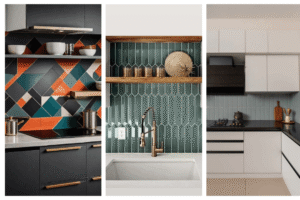
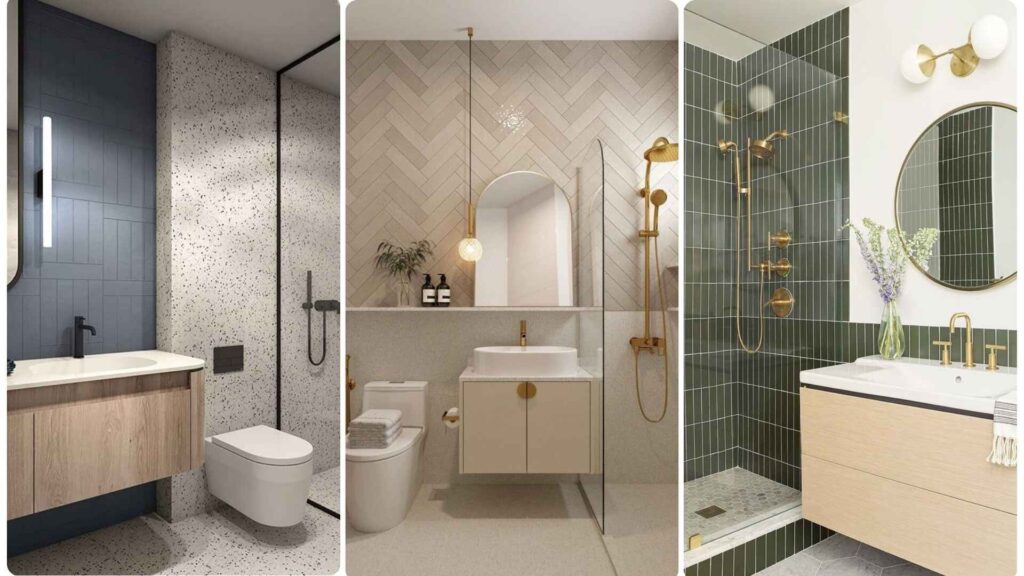
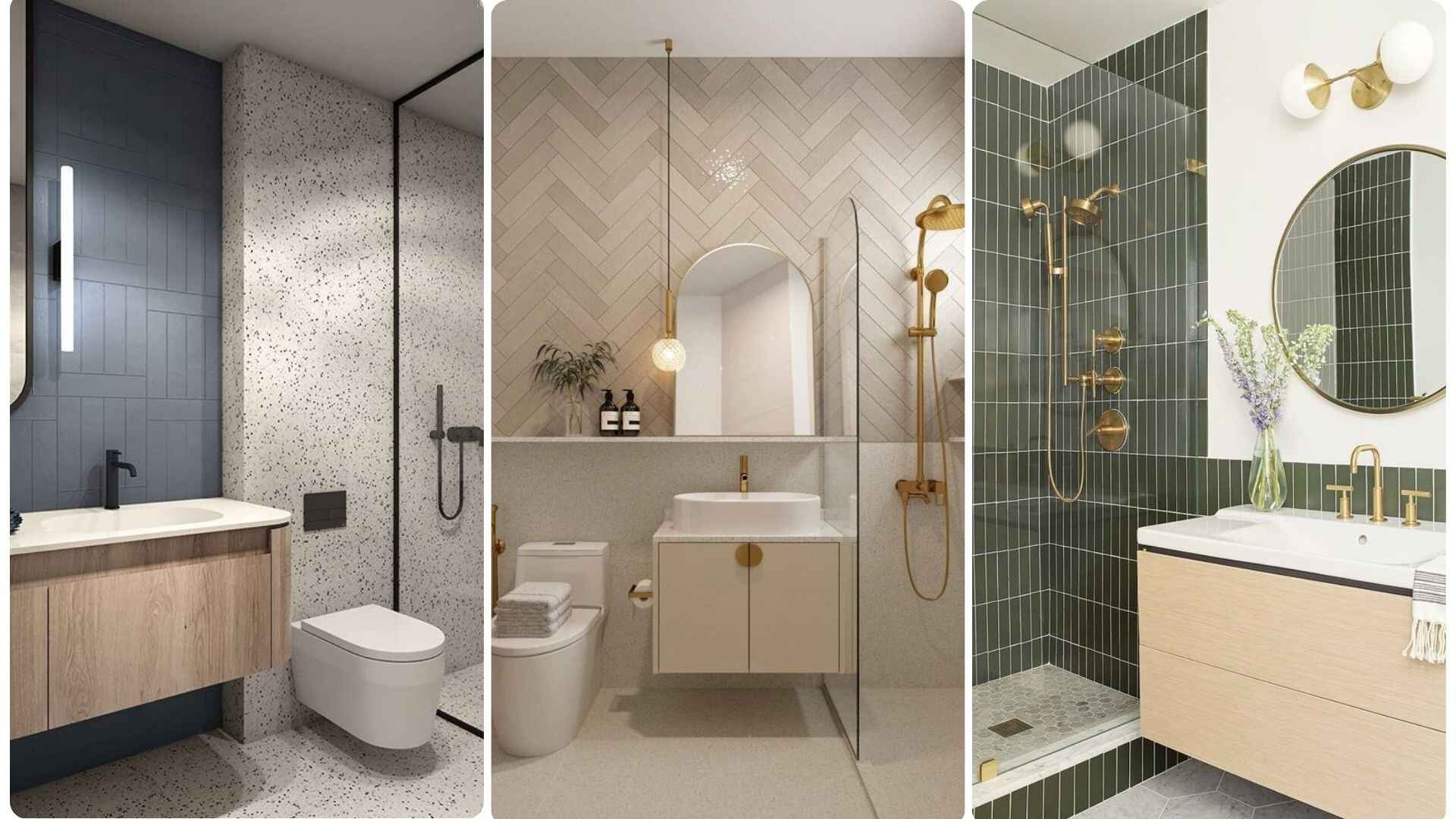
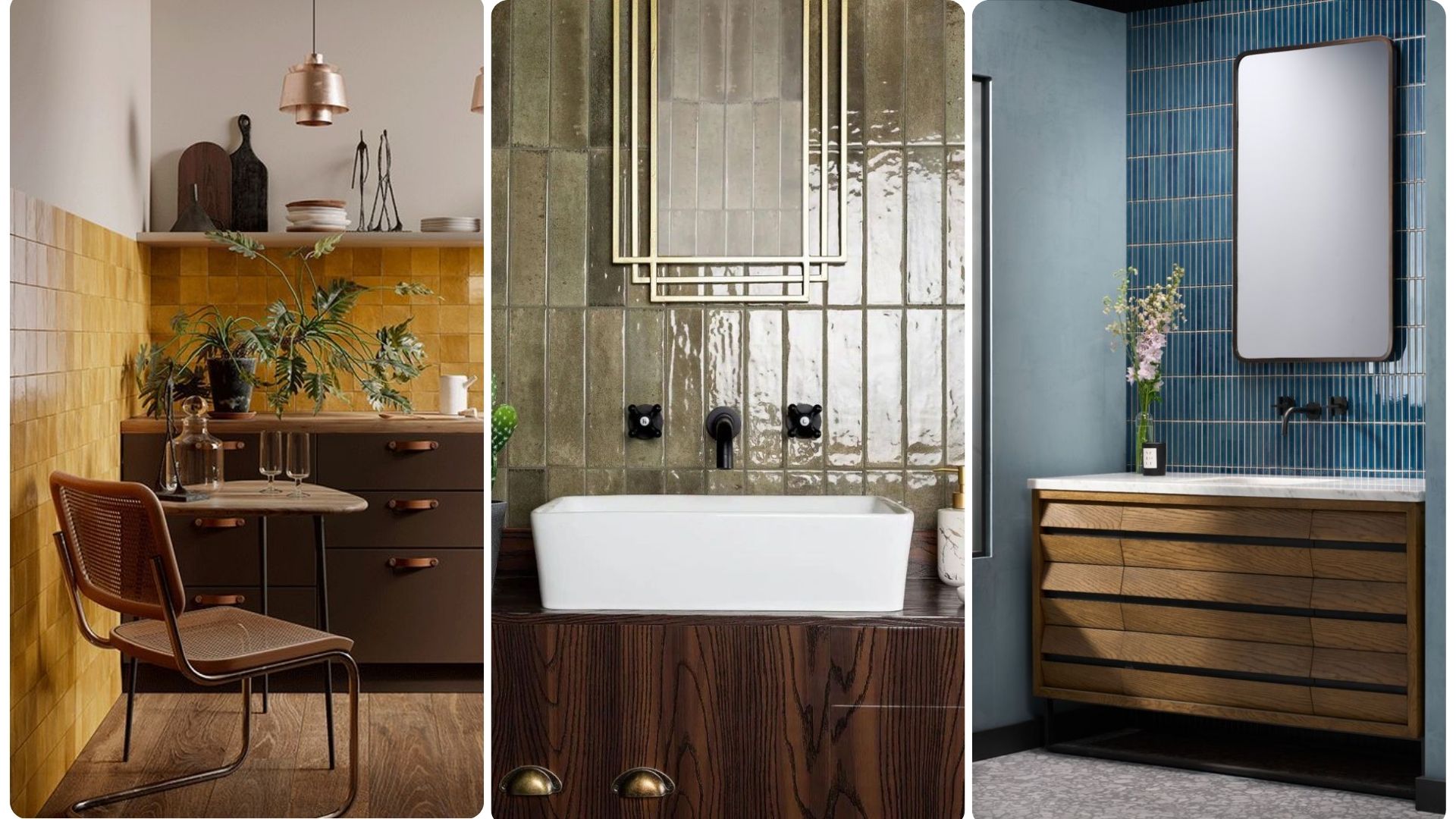
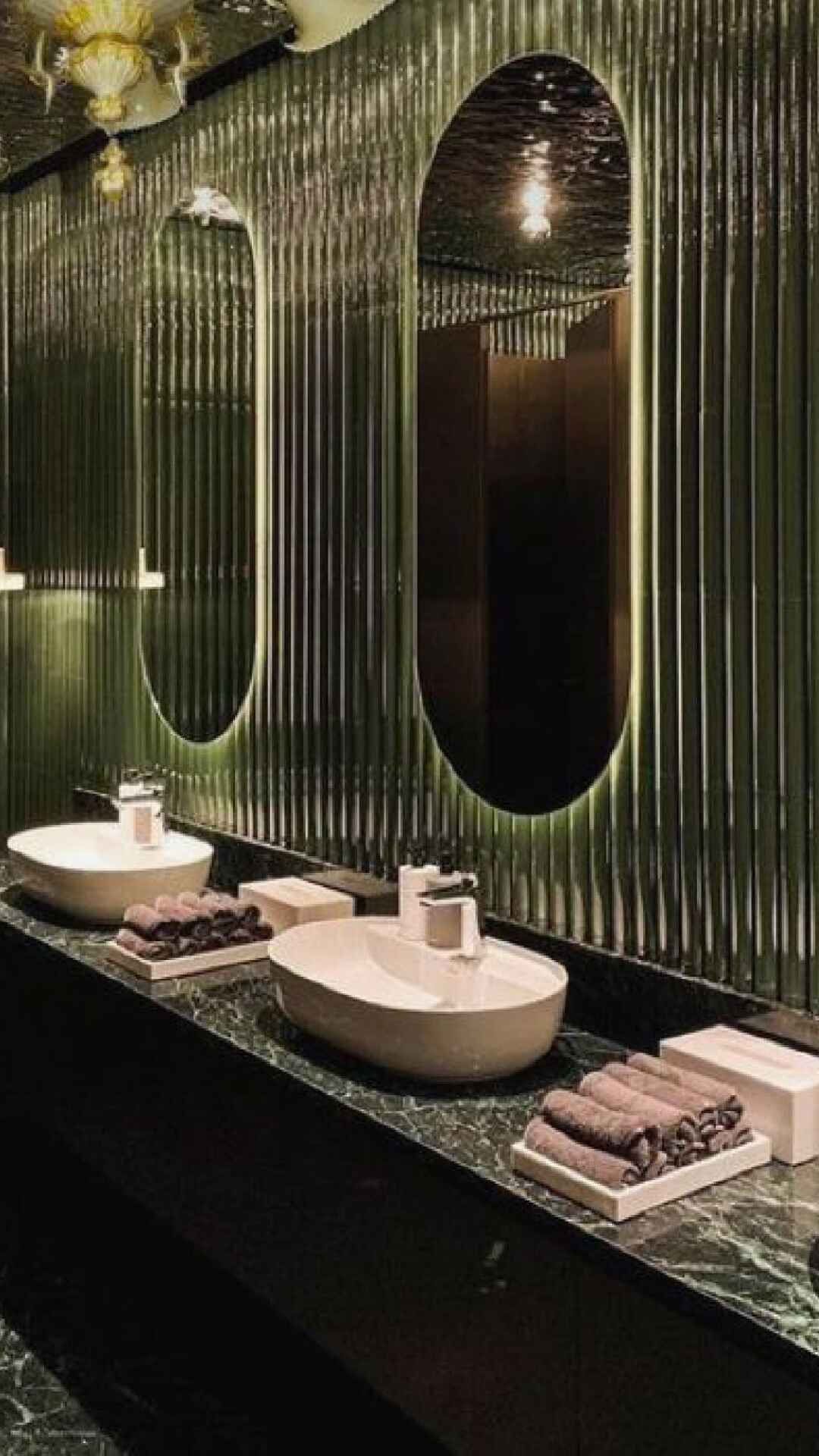
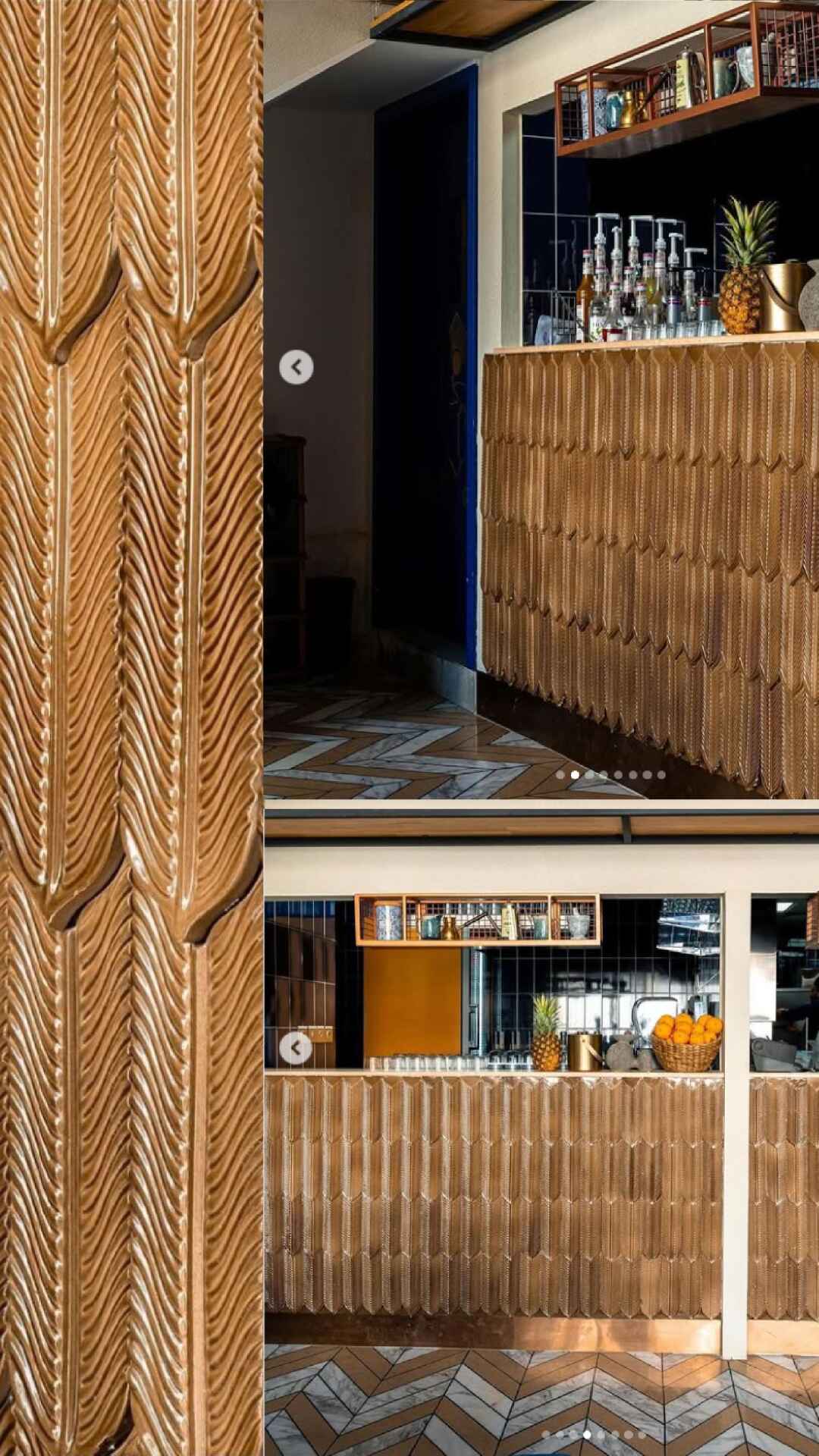
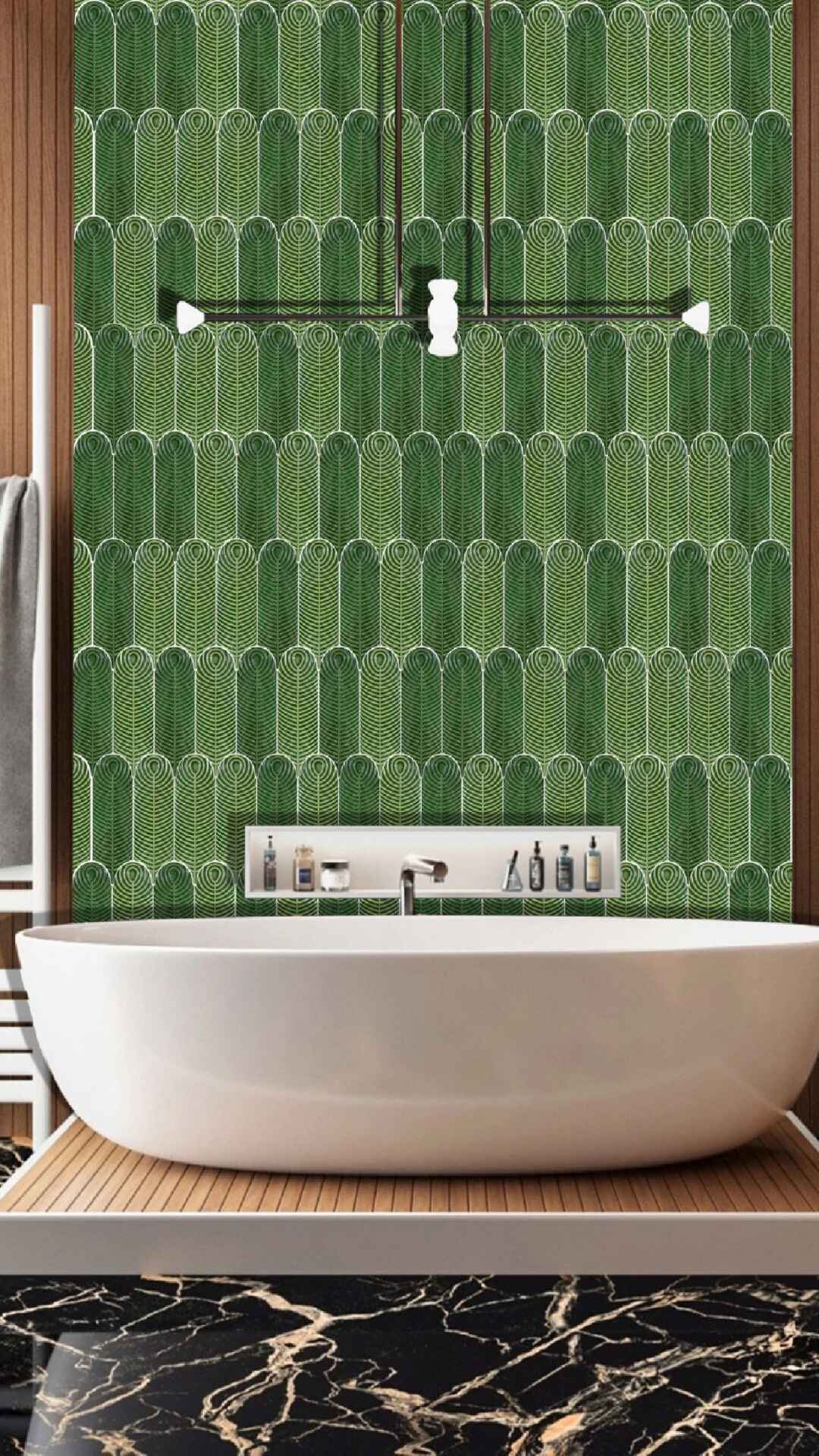
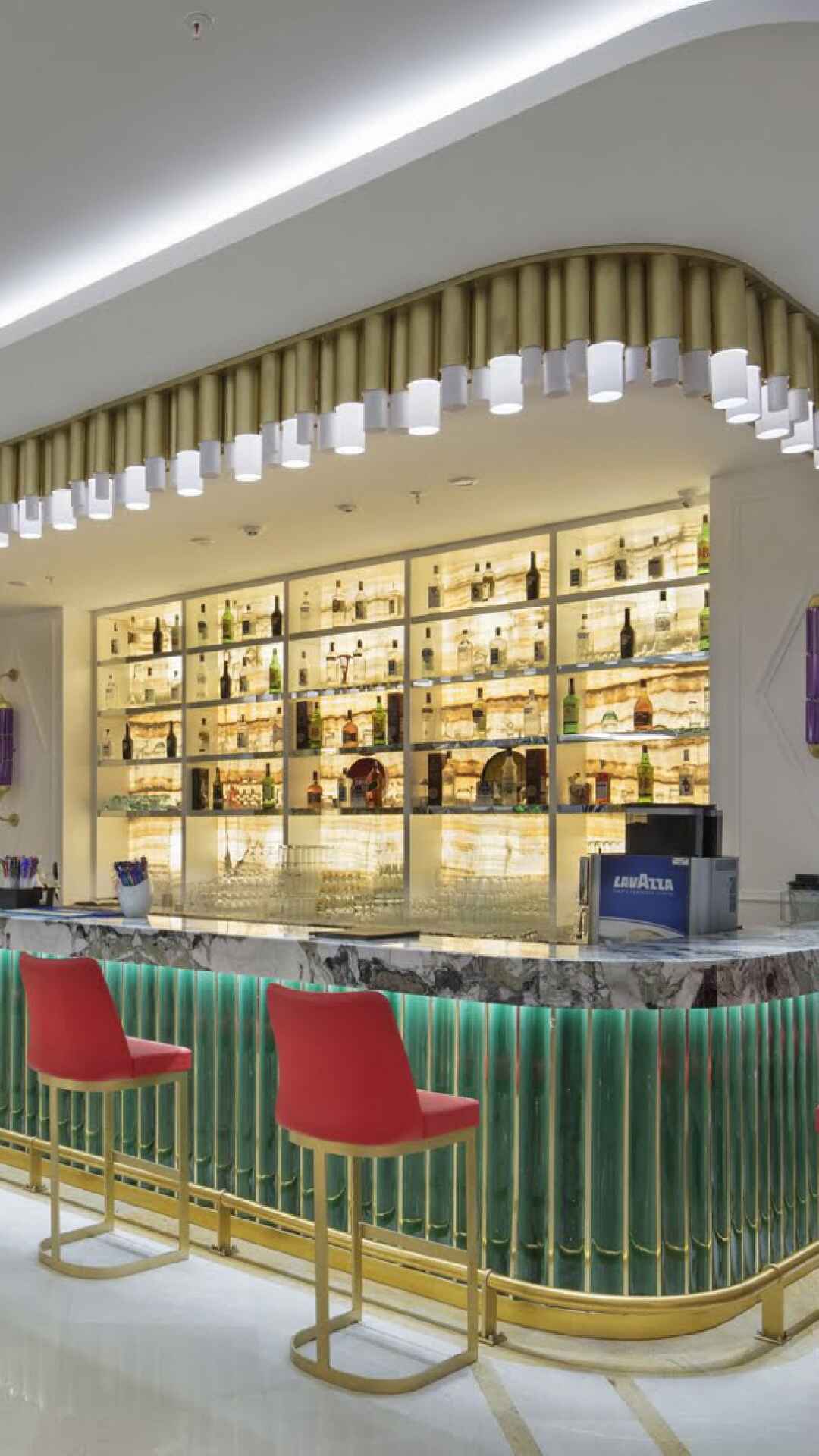
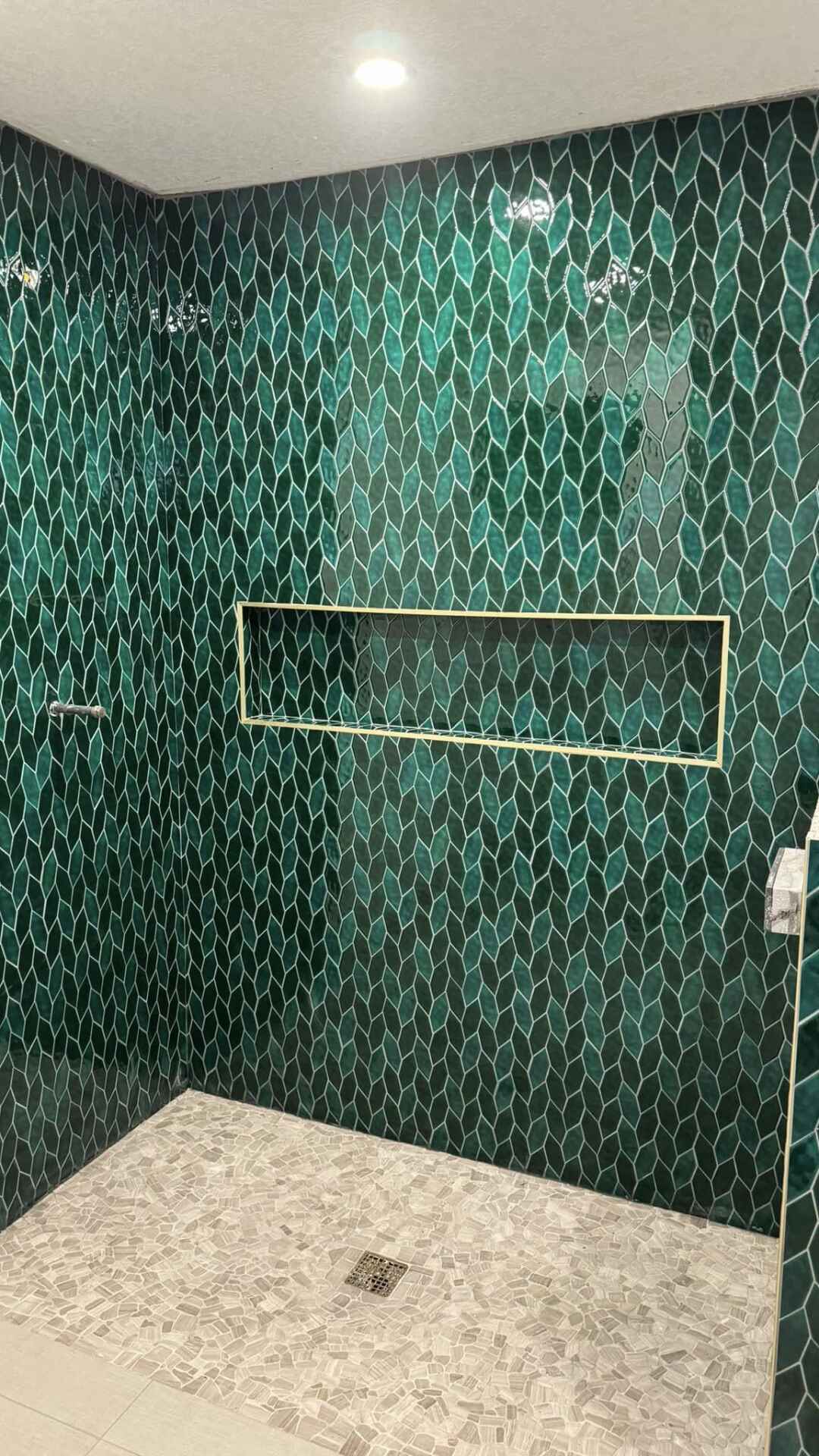
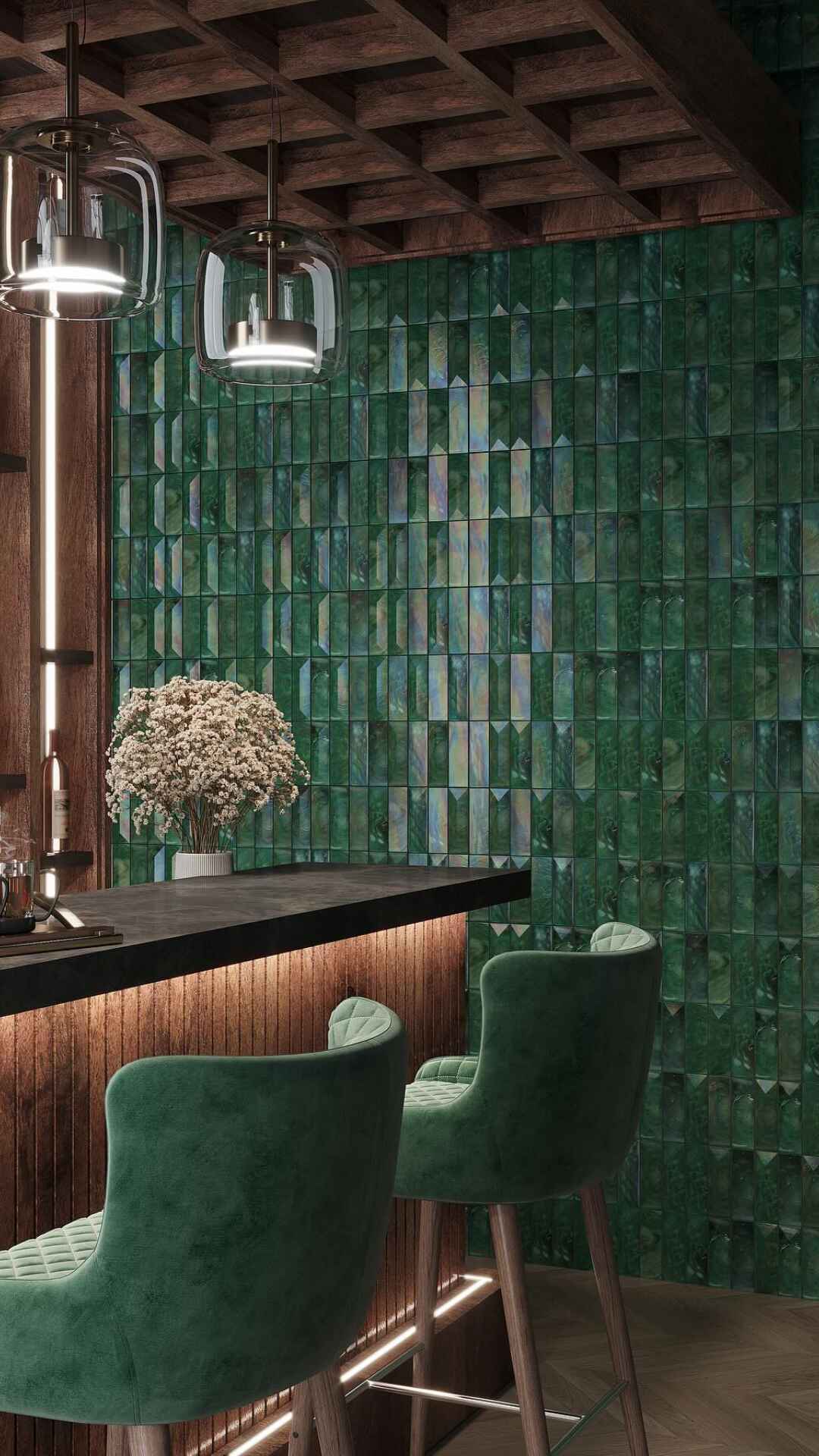
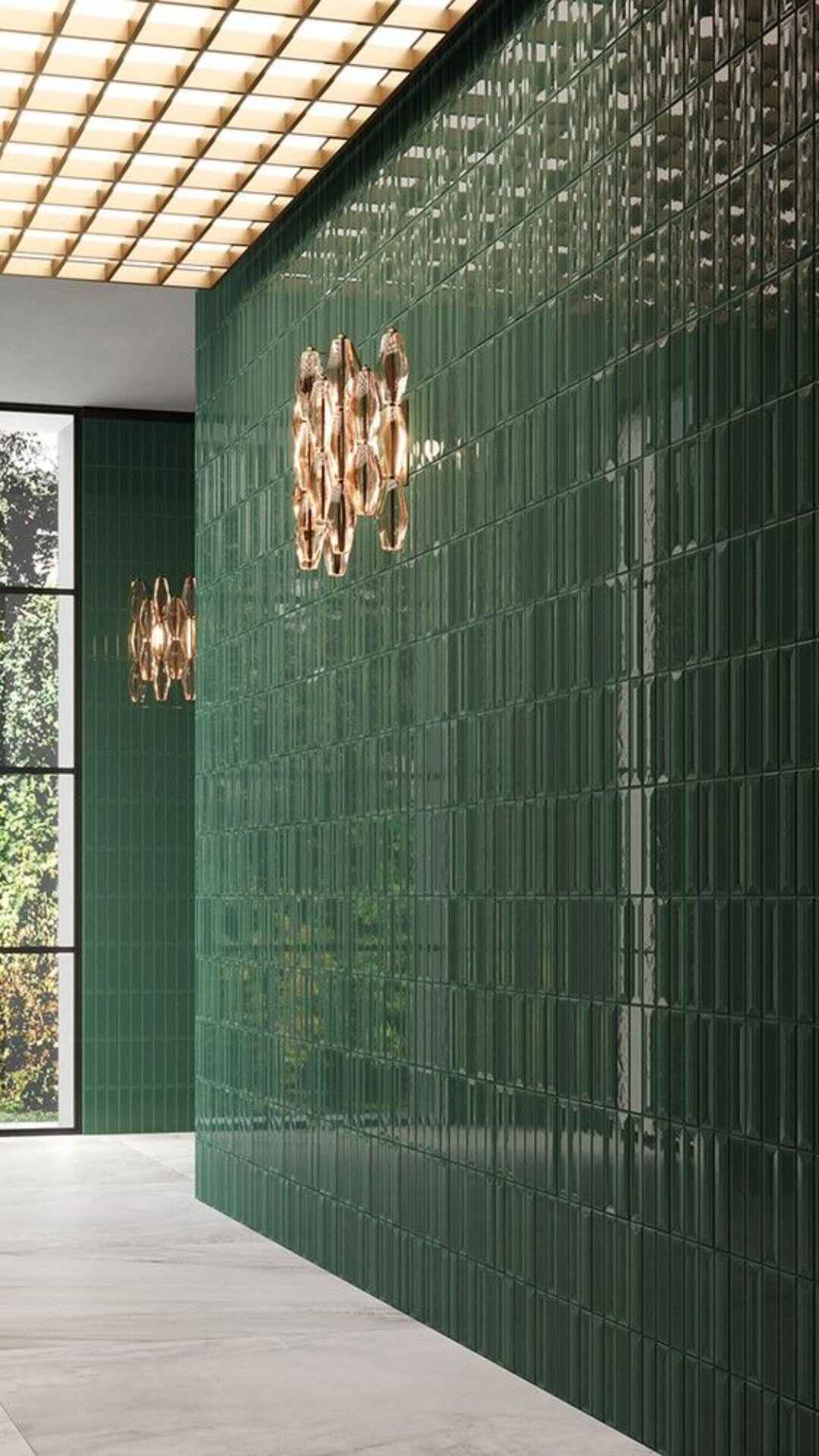
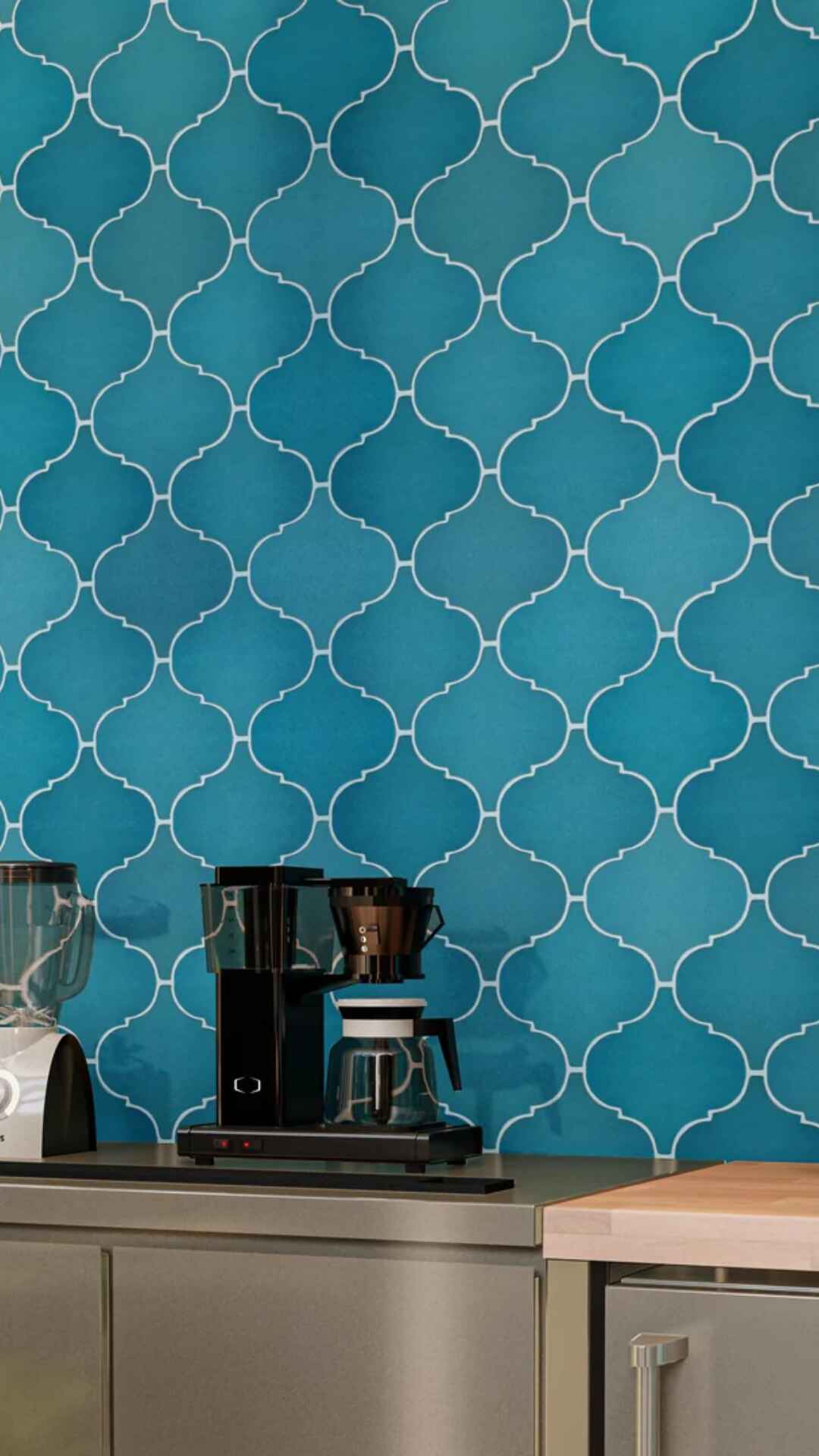
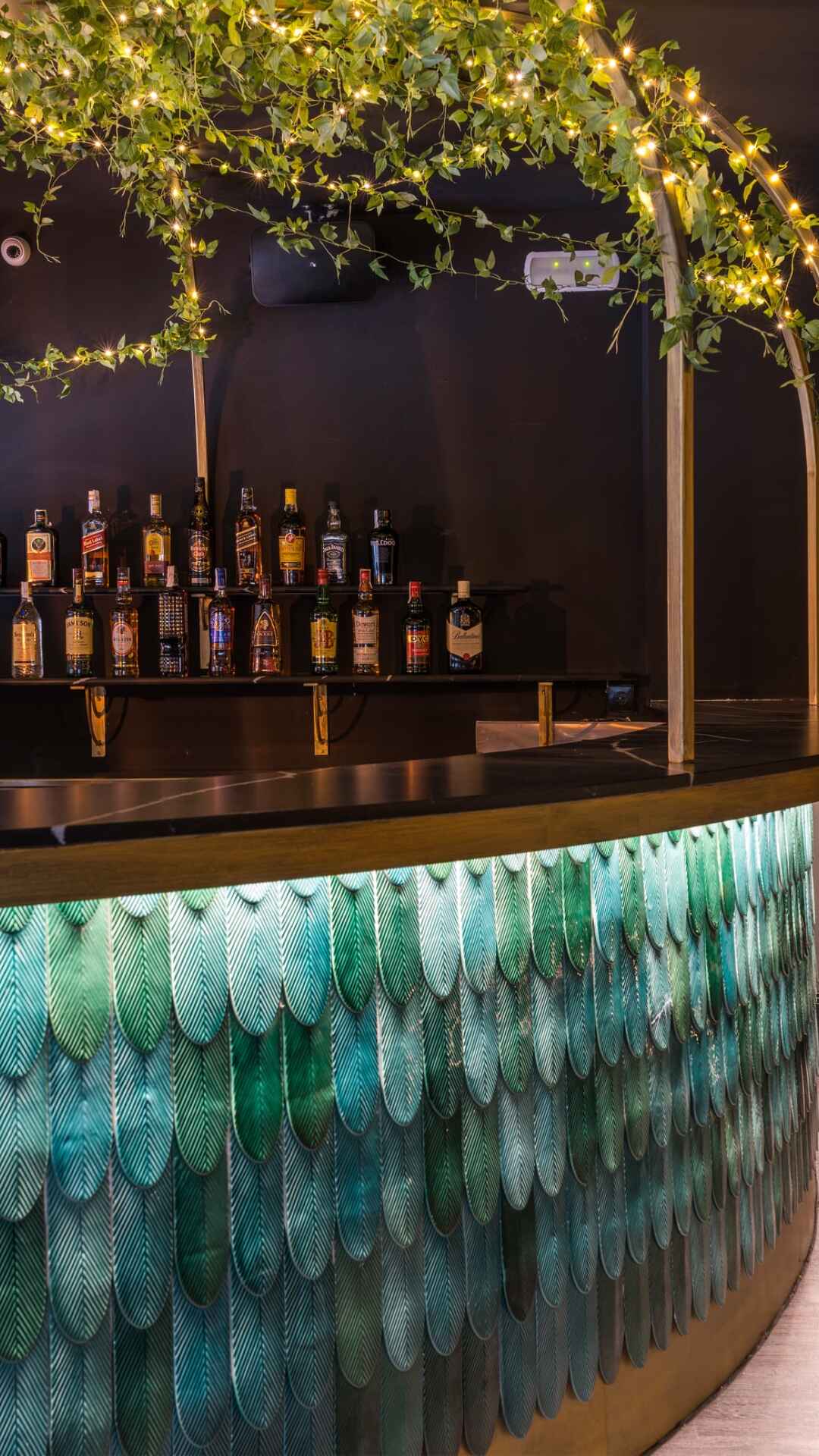
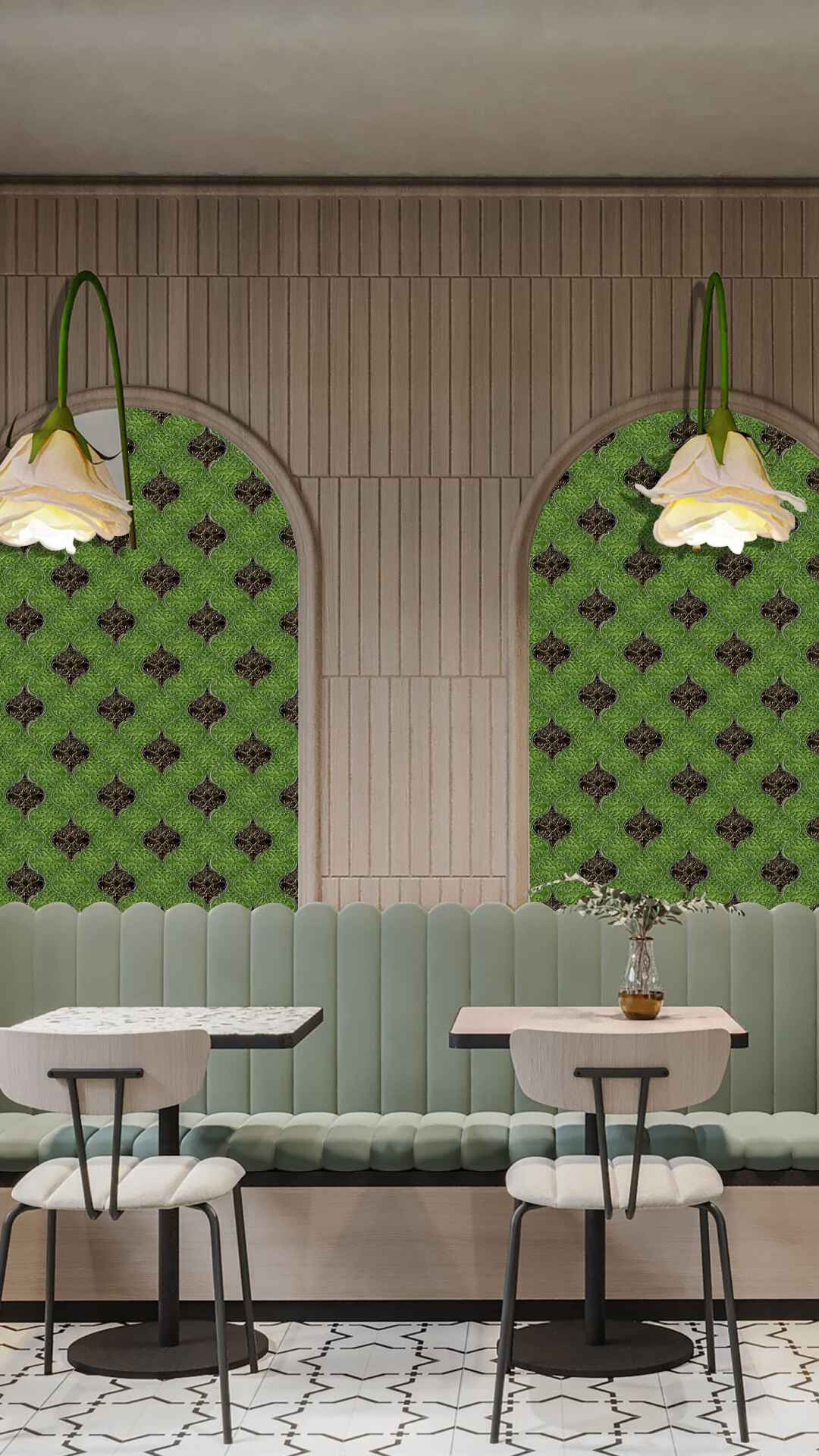
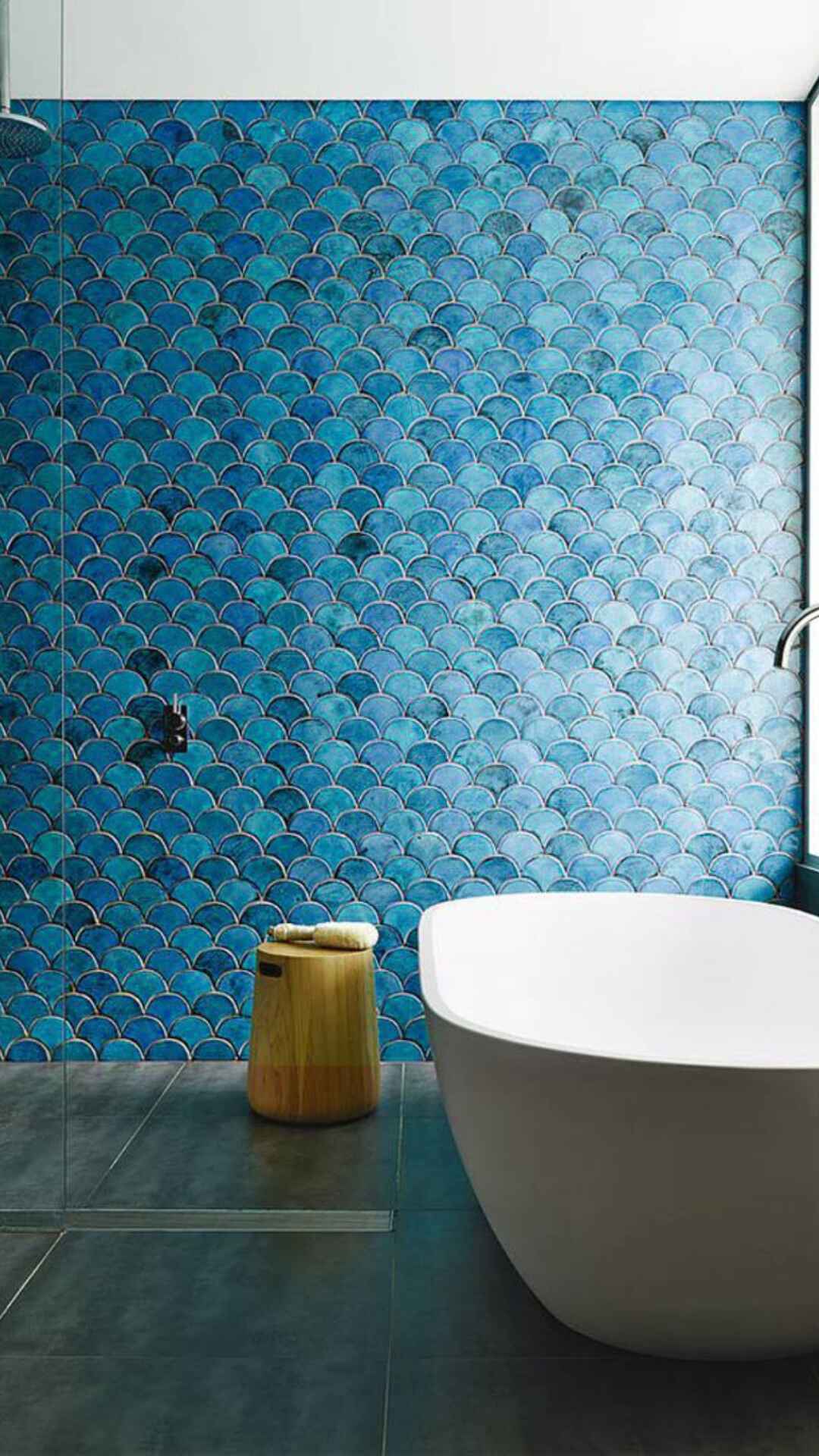
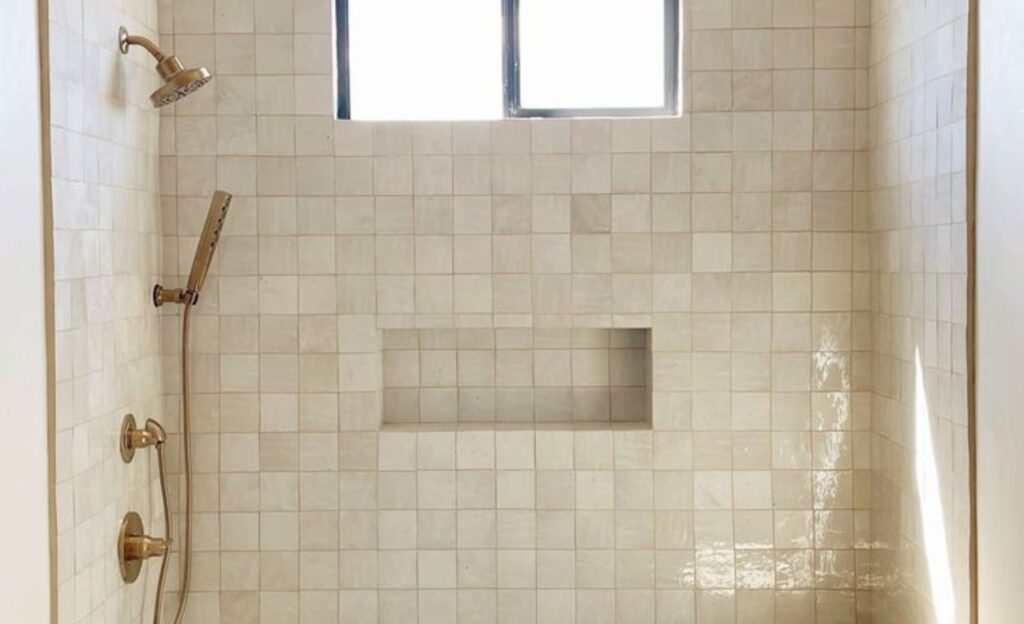
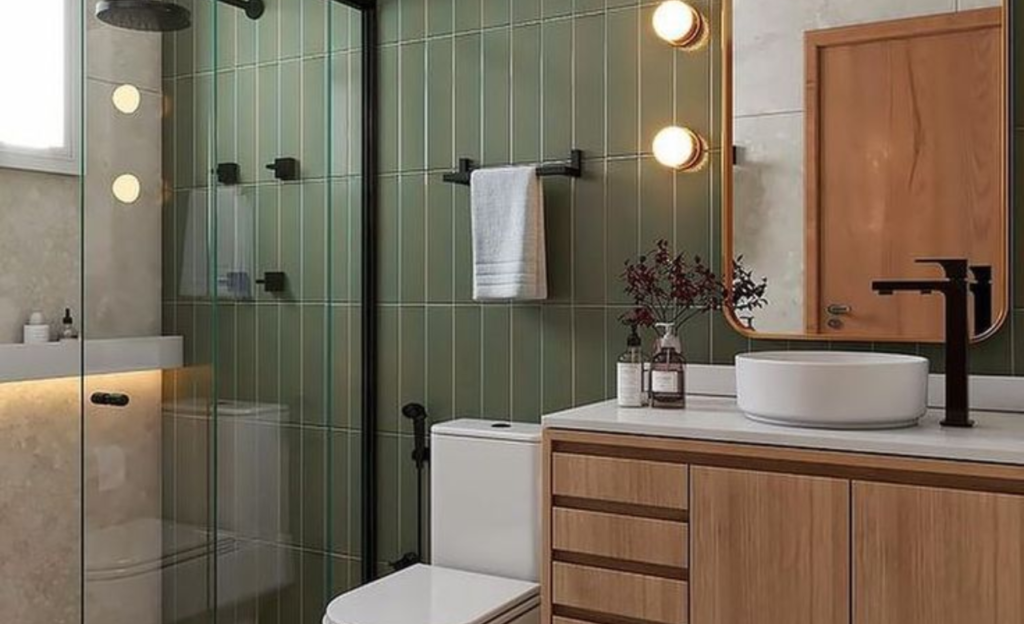
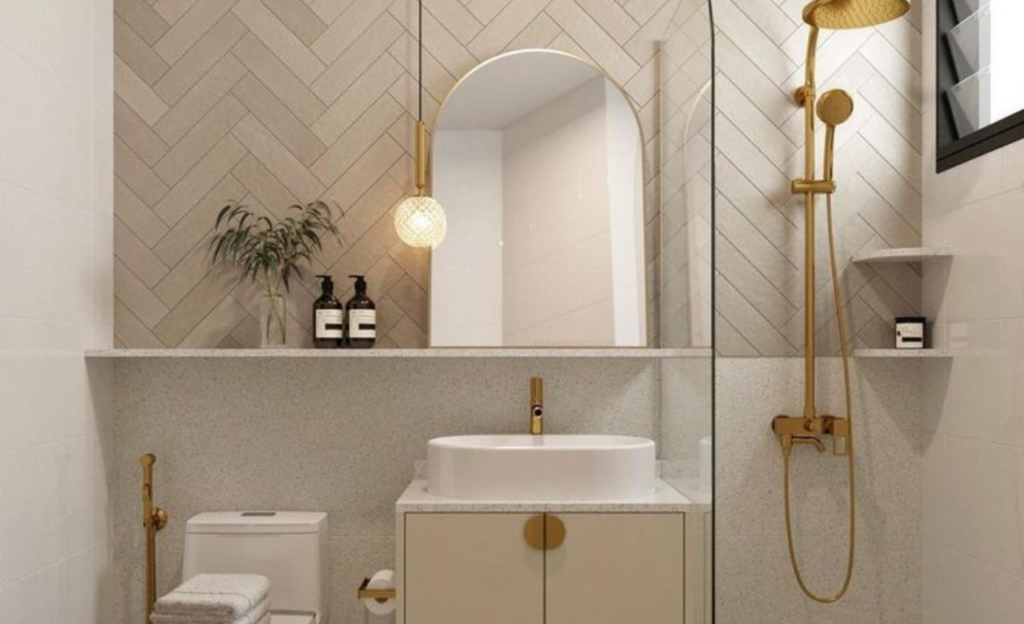
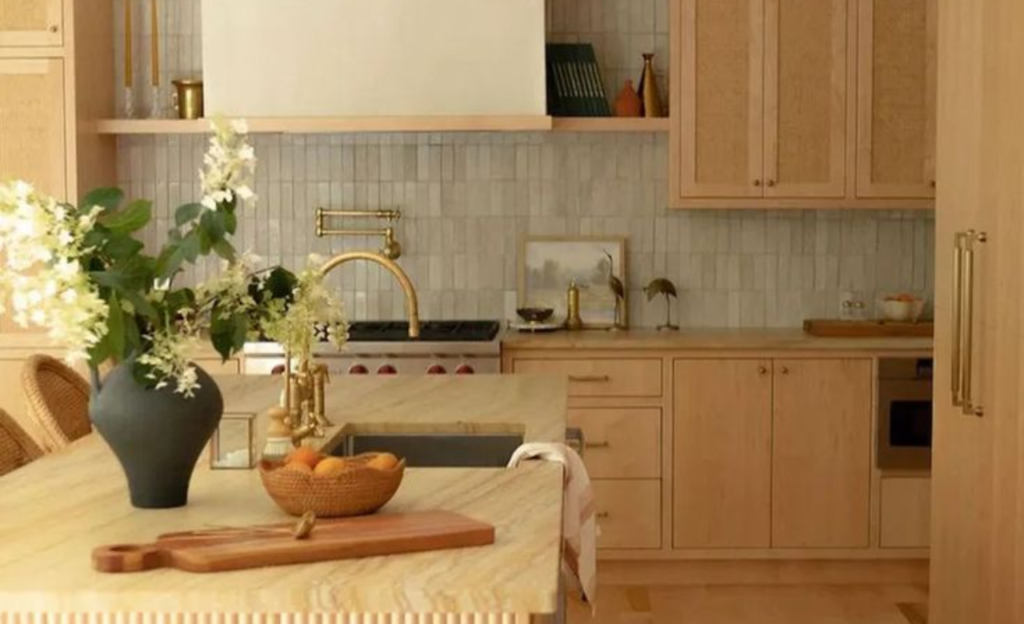
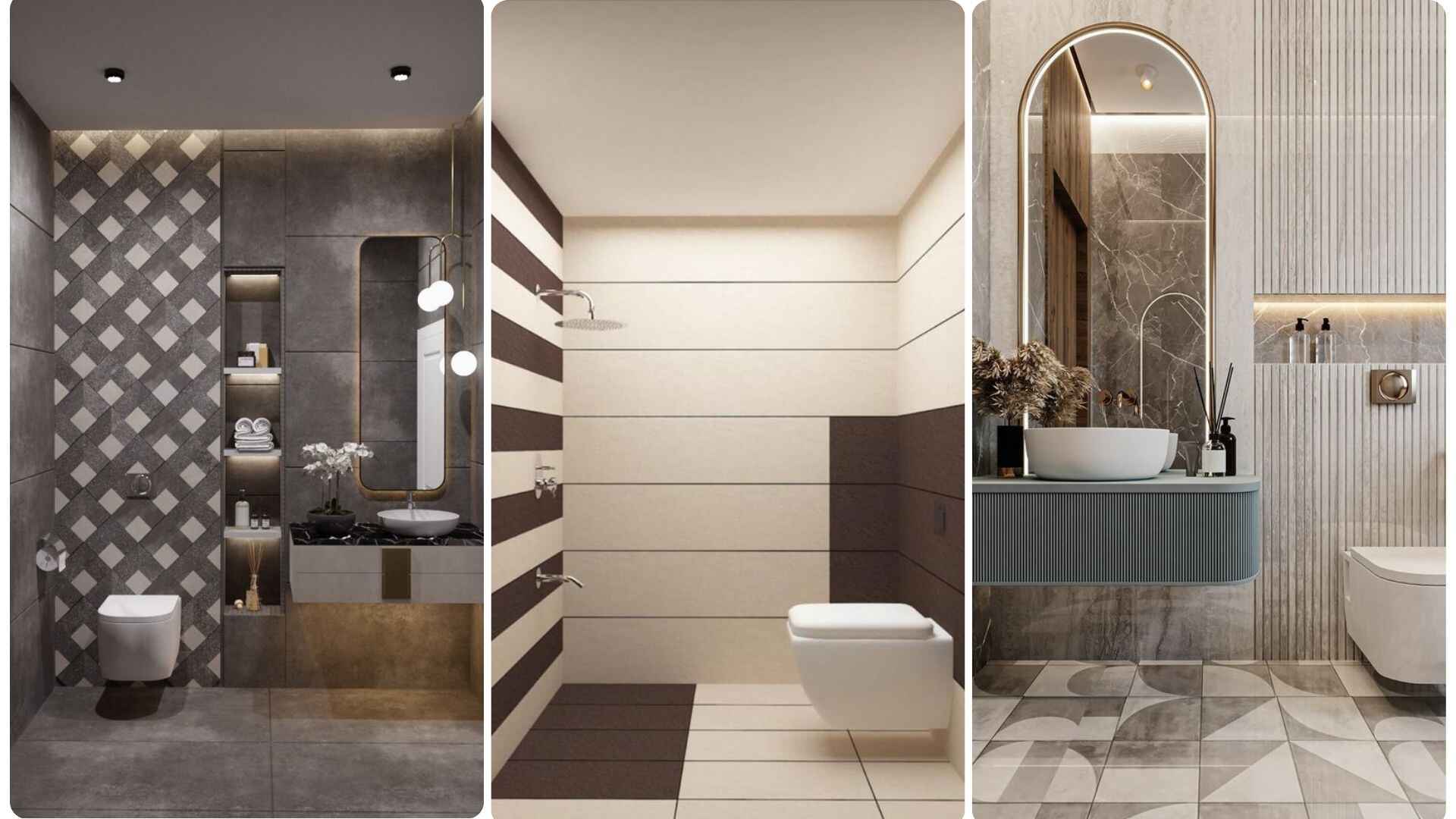
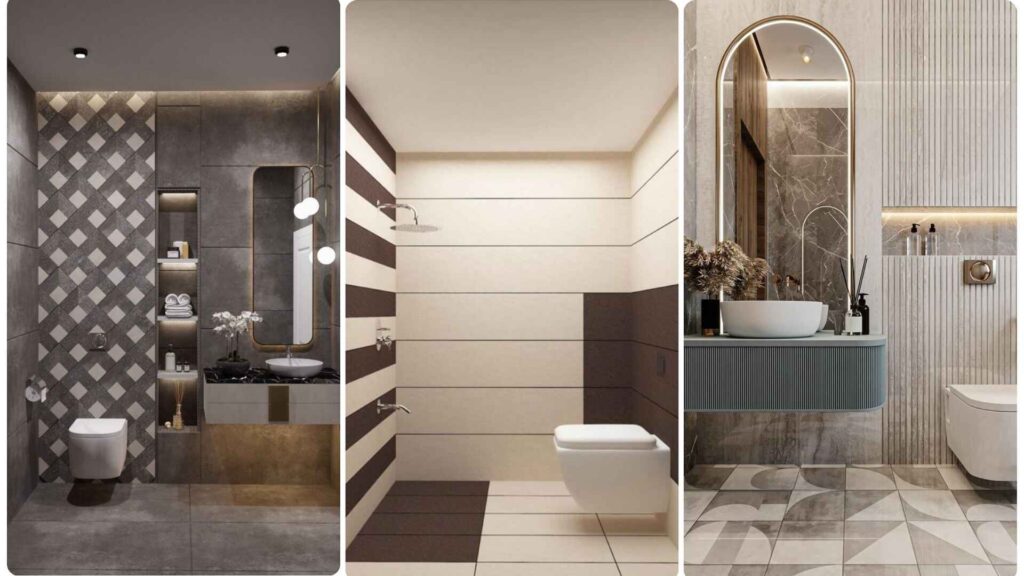
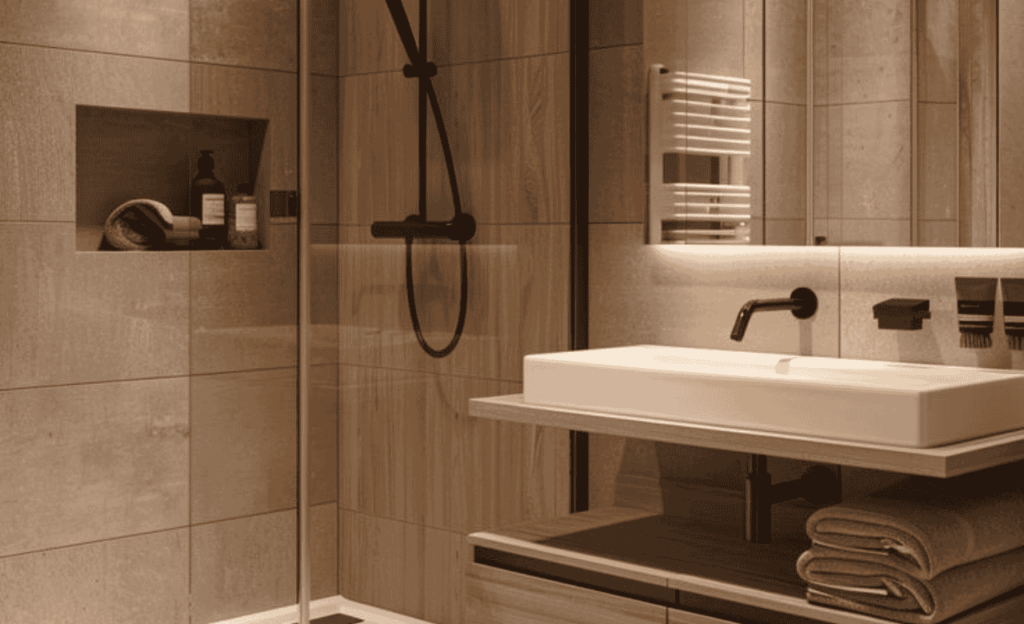
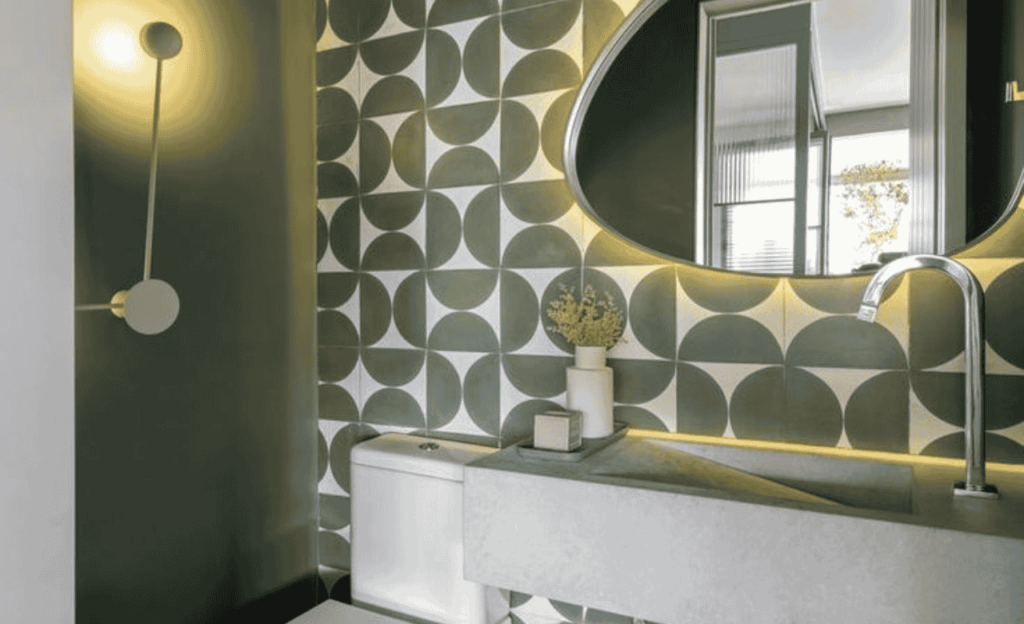
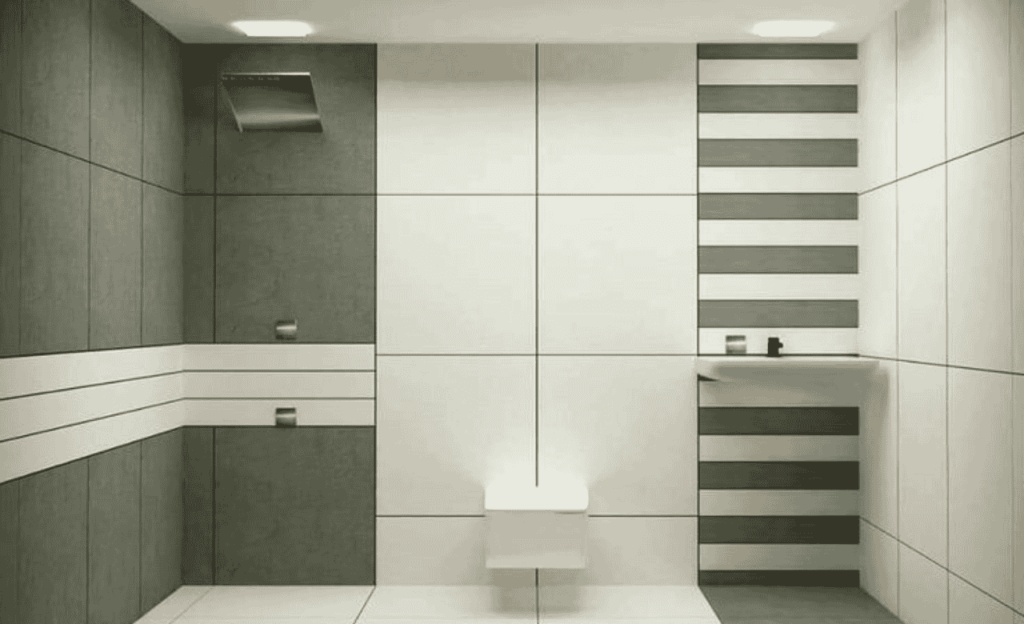
Tiles make a huge difference in defining the overall look of a bathroom and its level of comfort especially when it comes to modern bathrooms because they have evolved to another level – the level of comfort and luxury. Here are some outstanding tile designs for modern bathroom tiles that will help to guide your renovation process.

Big Tiles

Tiles of a large format are one of the best choices to have for both walls and floors, a minimalistic grout solution is great to go for. They allow bathrooms to appear more spacious while also granting a modern touch, these types of tiles go best with more contemporary bathrooms.

Material: Ceramic/Porcelain

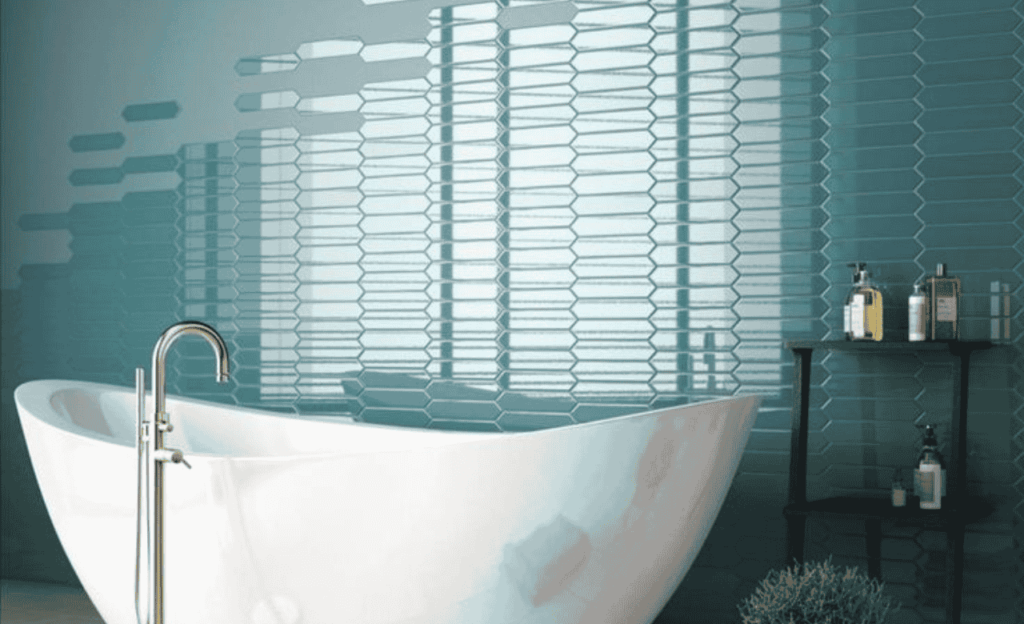
Hexagon Shaped Tiles

If you are looking to revamp using geometry Hexagonal tiles would be best for you as they come in multiple sizes and shapes and can be combined for patterns and subtle yet elegant designs. These can work best on wall features or even your floors if you are looking to add a modern touch to your bathroom.

Materials: Porcelain, Ceramic, Marble

Subway Tiles with a Twist

Subway Tiles have always been popular but having some modern twists through vertical stacking, bevelled edges or even colourful tiled walls can give the bathroom a completely new look and feel.

Use for: Shower walls or backsplashes

Made of: Ceramic or glass

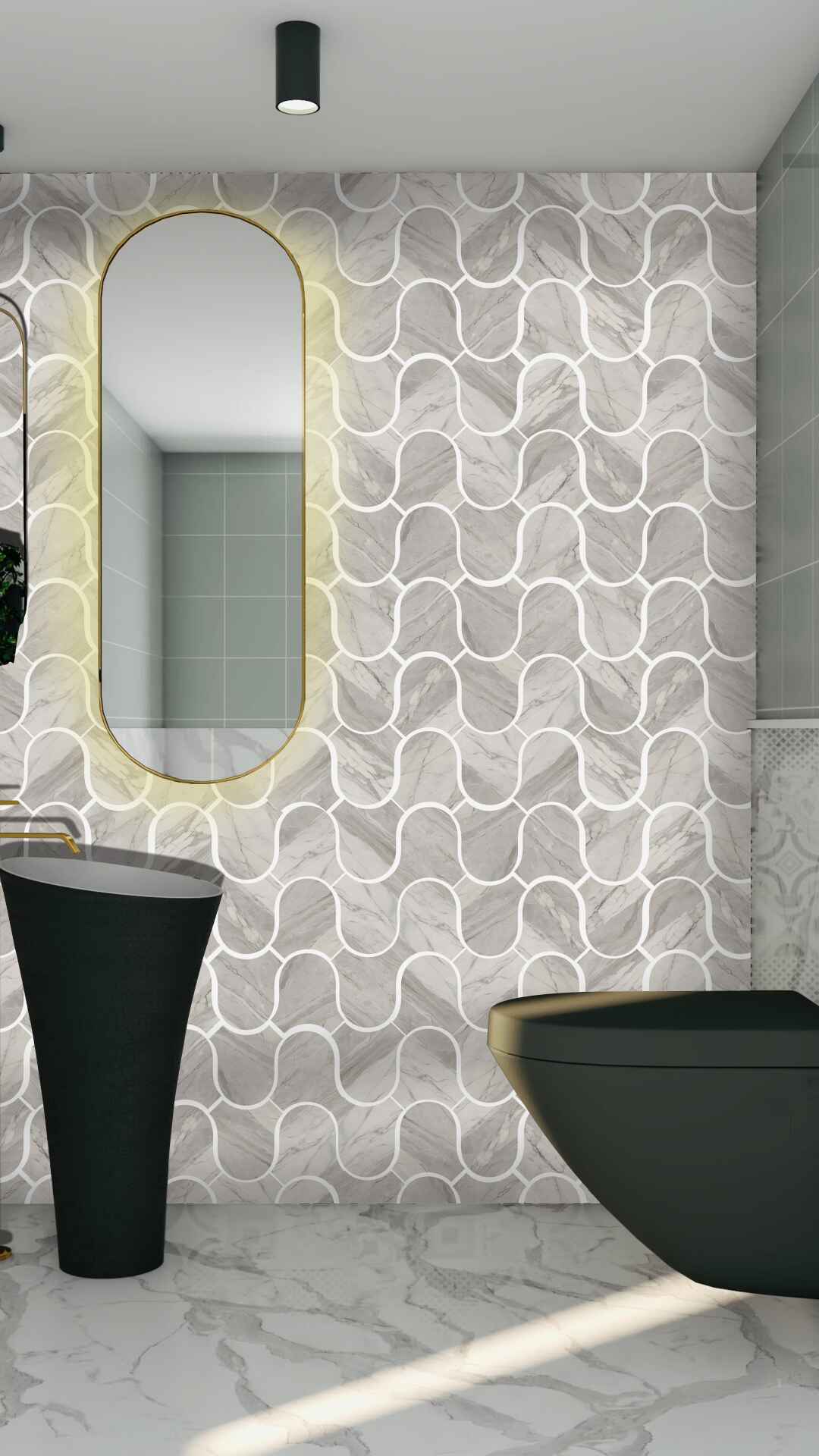
Marble Effect Tiles

Assigning porcelain or ceramic tiles to the bathroom gives off the idea of a beautiful marbled finish while also providing an easy-to-maintain option. They look amazing and are quite cheap as well.

Use for: Modern high-end bathrooms

Made of: Porcelain

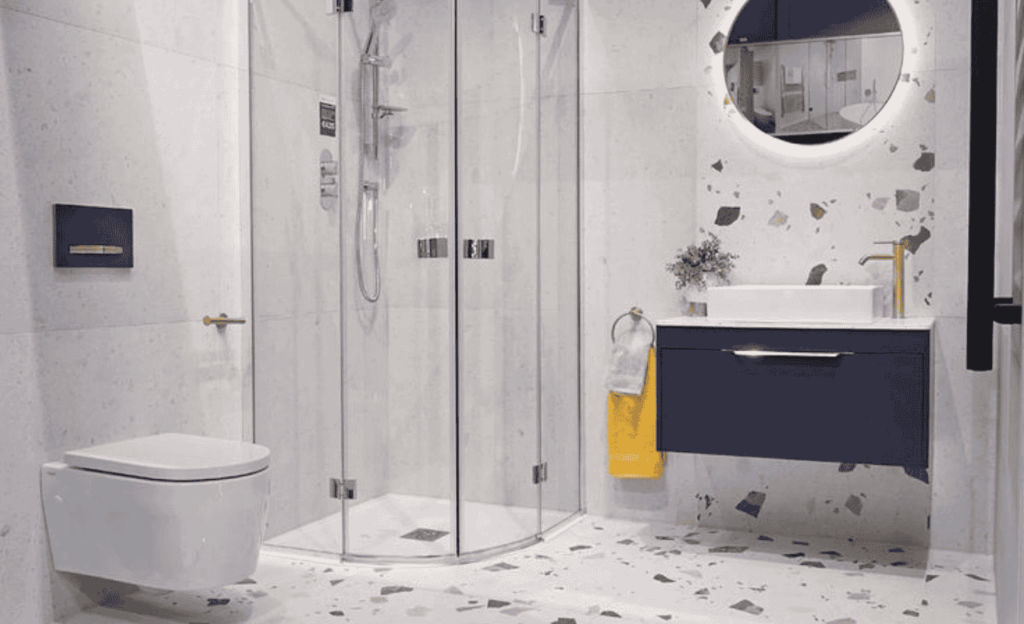
Terrazzo Tiles

In recent years Terrazzo tiles have made a powerful move to be one of the more used tiles in modern homes as they provide a stylish retro look with their speckled patterns and rustic yet classy vibe.

Use for: Floors or accent walls

Made of: Porcelain or Natural Terrazzo

Concrete-Look Tiles

Tiles that lean towards an industrial aesthetic have a much more bold feel and when matched with metallic fixtures, urban chic walls can be made. Such tiles are great for adding a modern touch to any space.

Use for: Urban or Industrial Themed Bathrooms

Made of: Porcelain or Ceramic

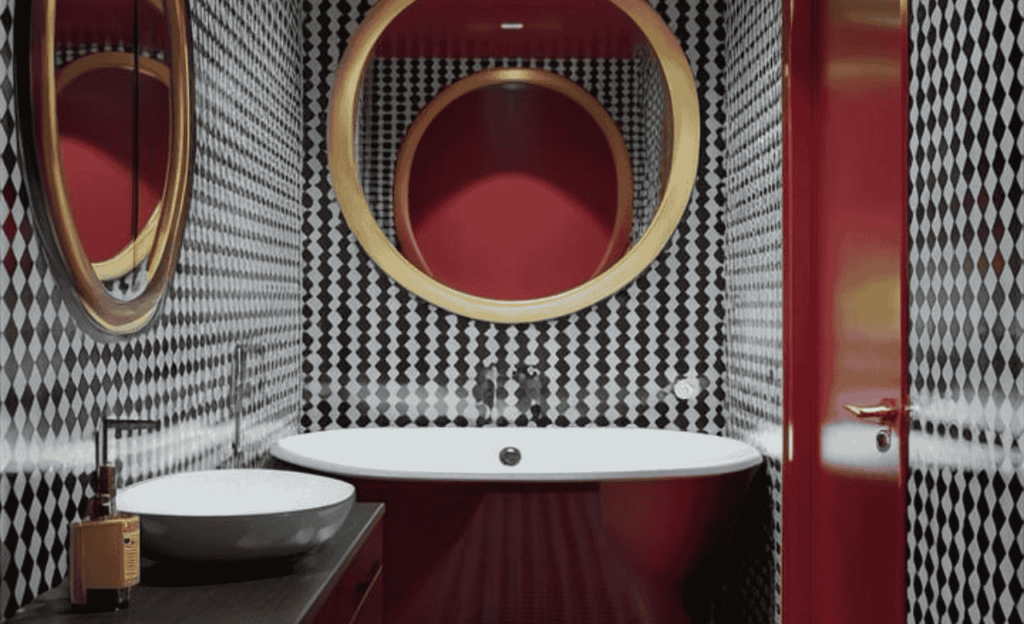
Mosaic Tiles:

Tiles that are a mix of intricate patterns and vibrant colours provide endless designs to choose from, however, the key lies in not getting carried away and using them with care.

Use for: Backsplashes or shower niches

Made of: Glass, ceramic and natural stone

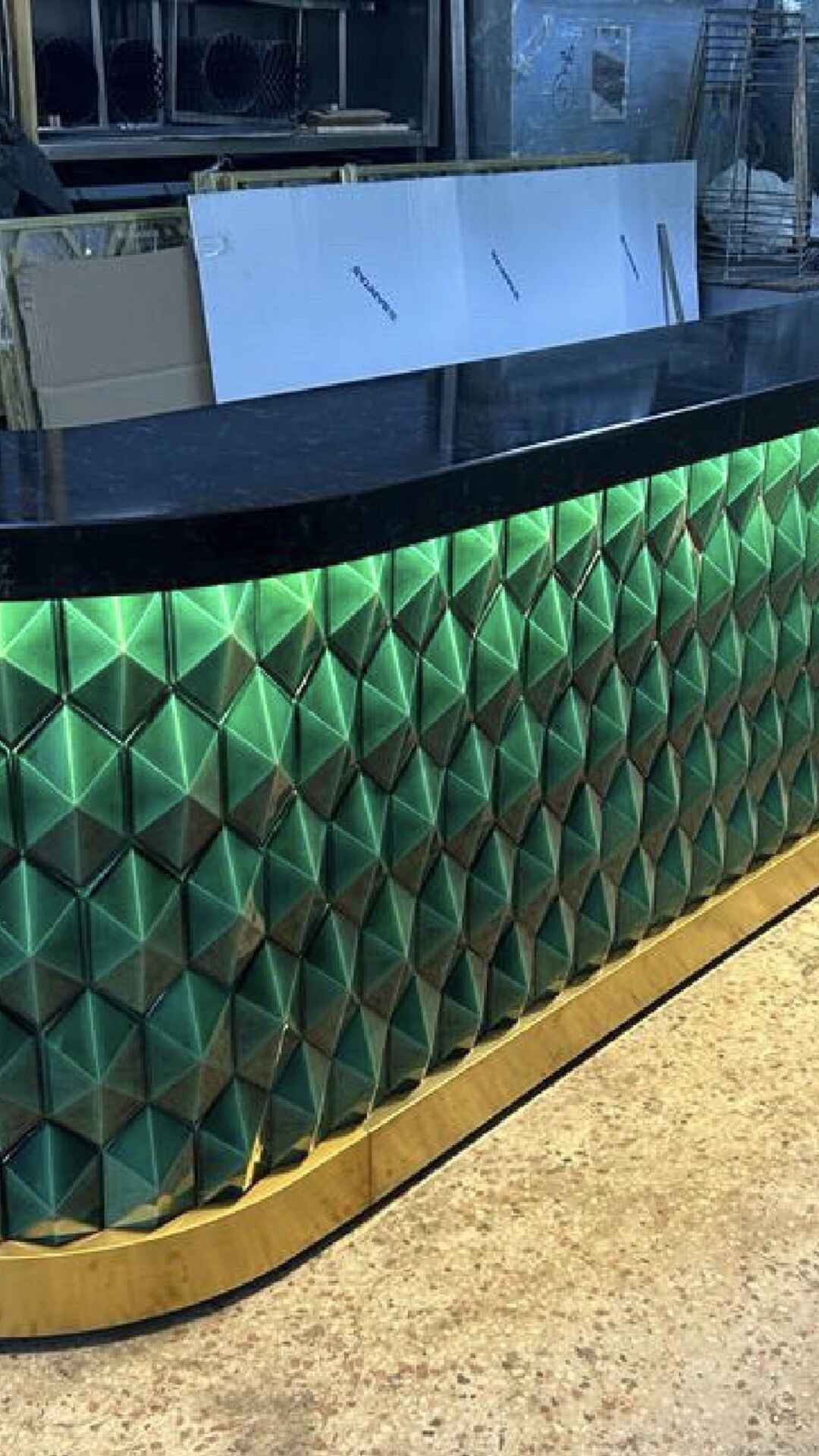
3D Tiles:

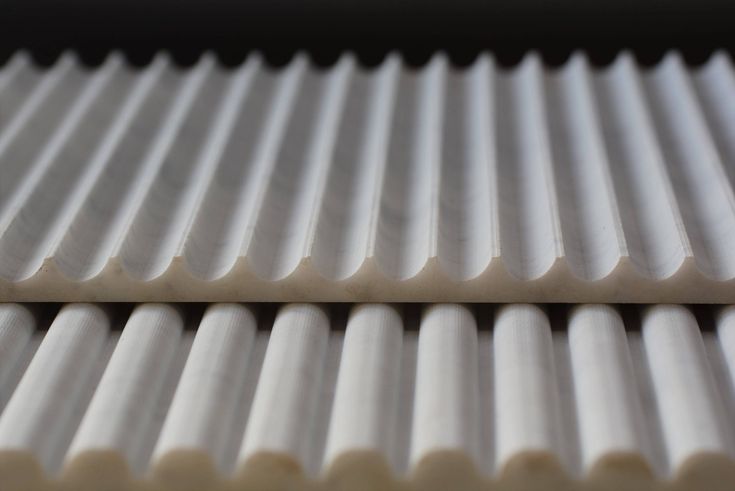
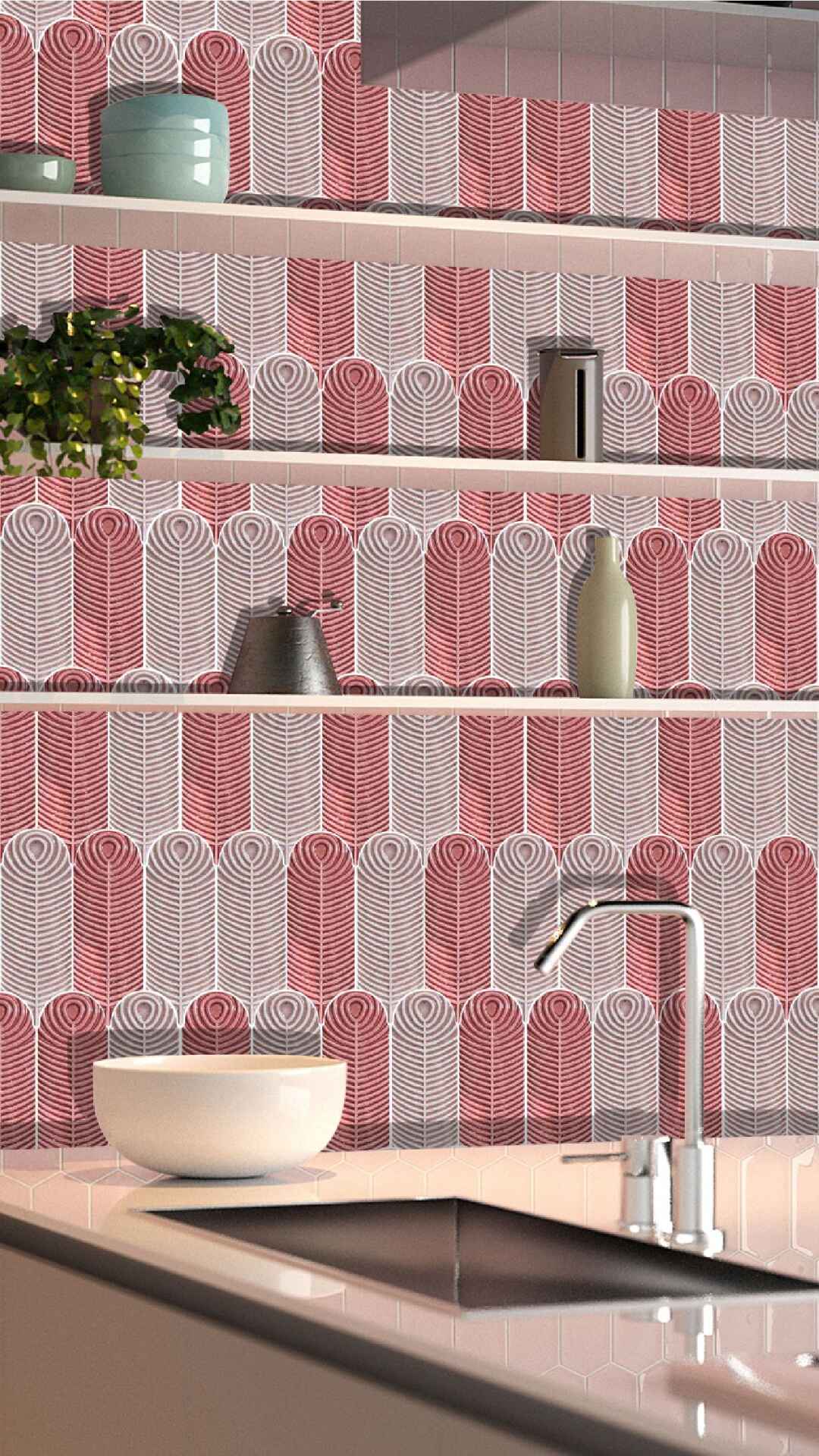
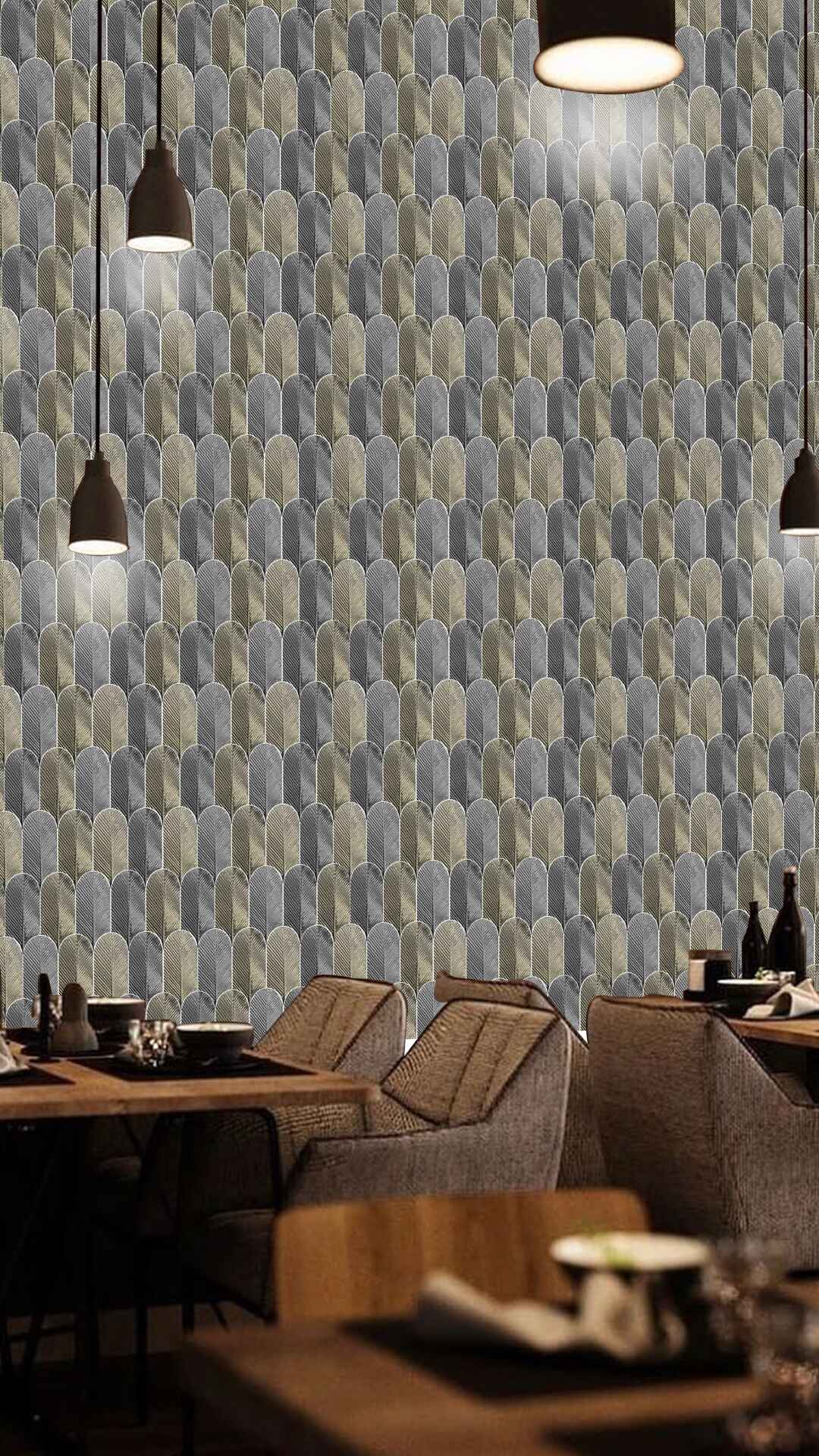
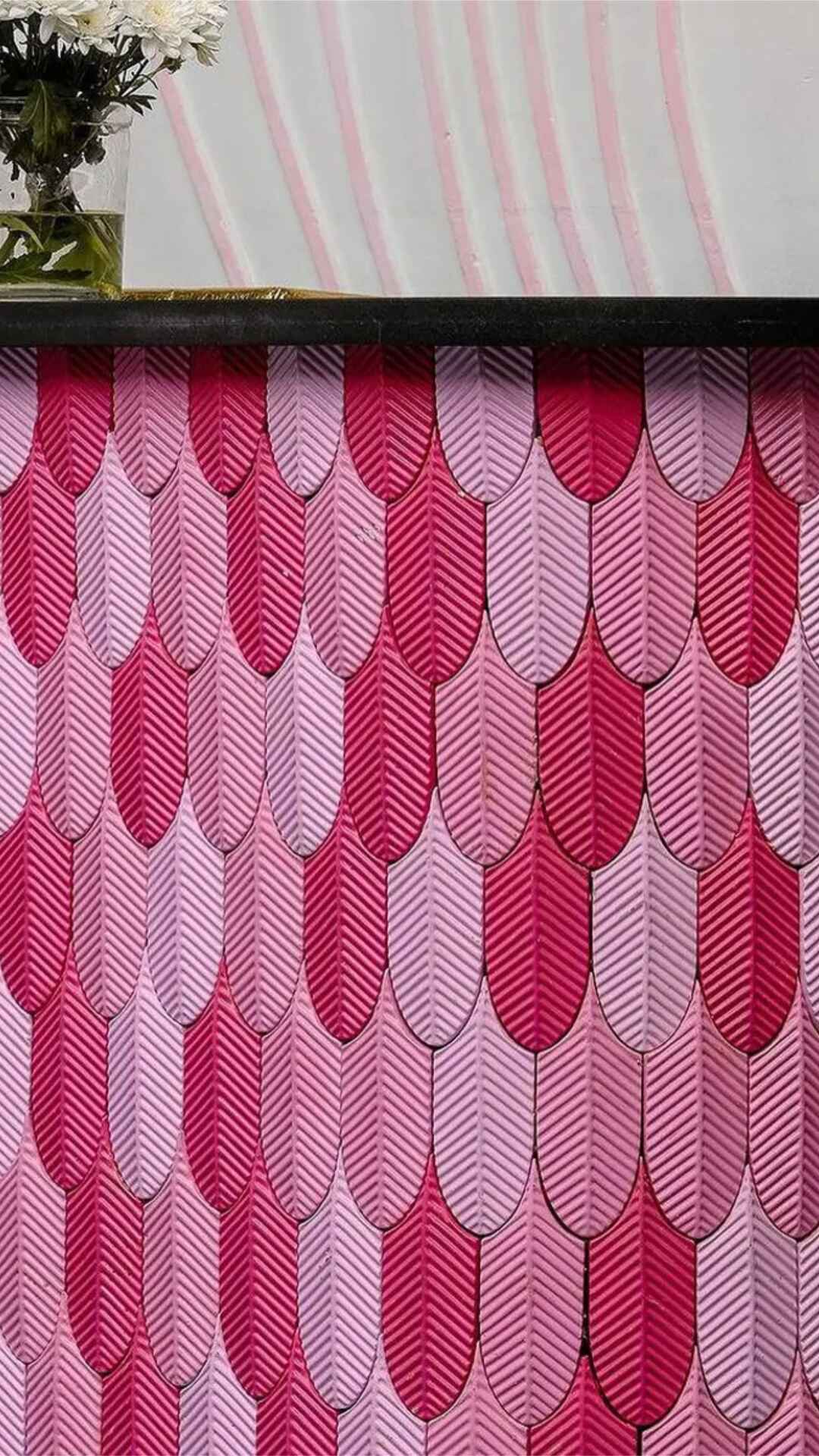
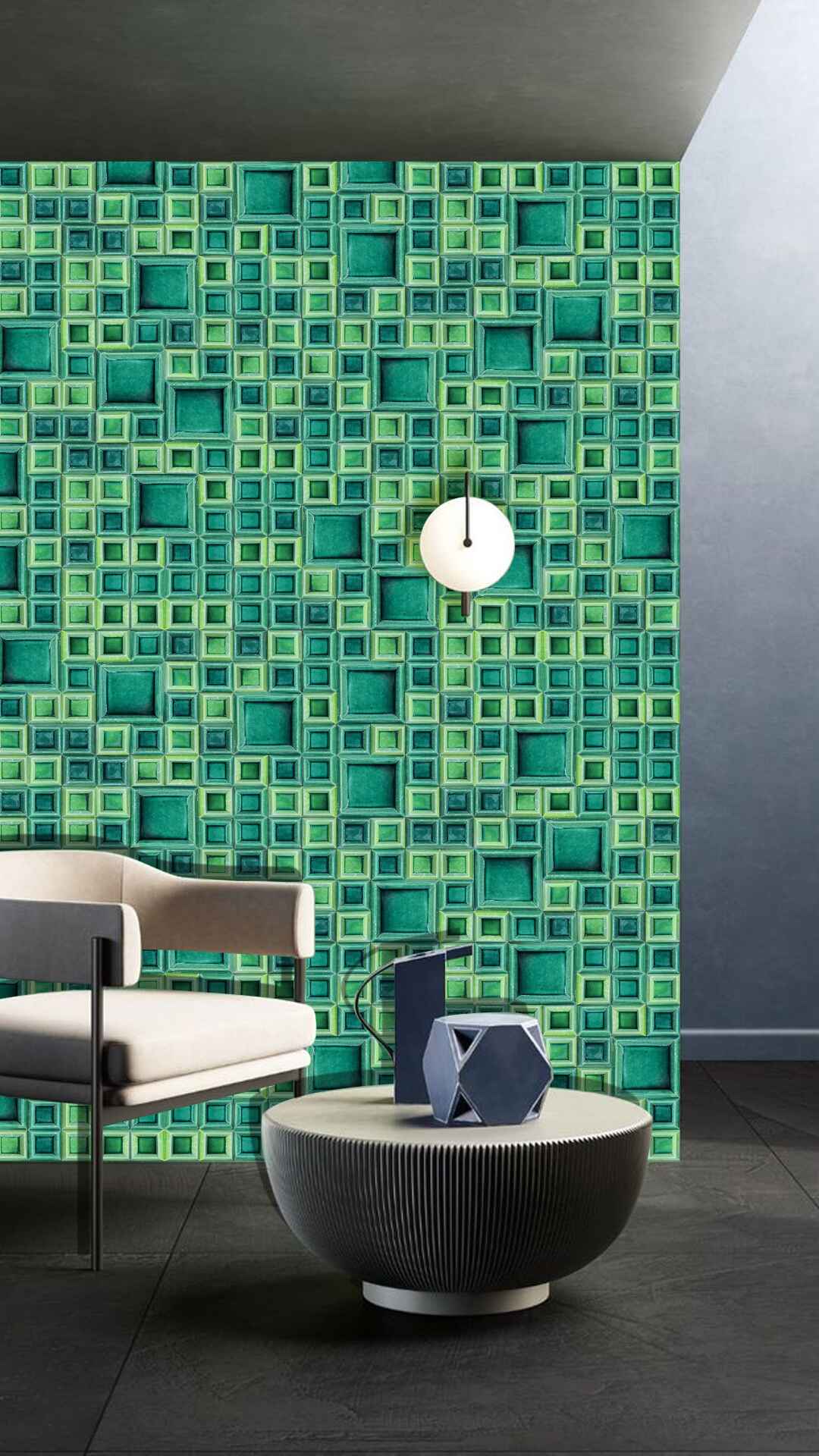
3D tiles have become another popular choice, especially in modern bathrooms, due to their ability to add depth and texture and to act as a feature wall to highlight certain areas.

Best for: Feature walls

Material: Ceramic or porcelain

Glass tiles

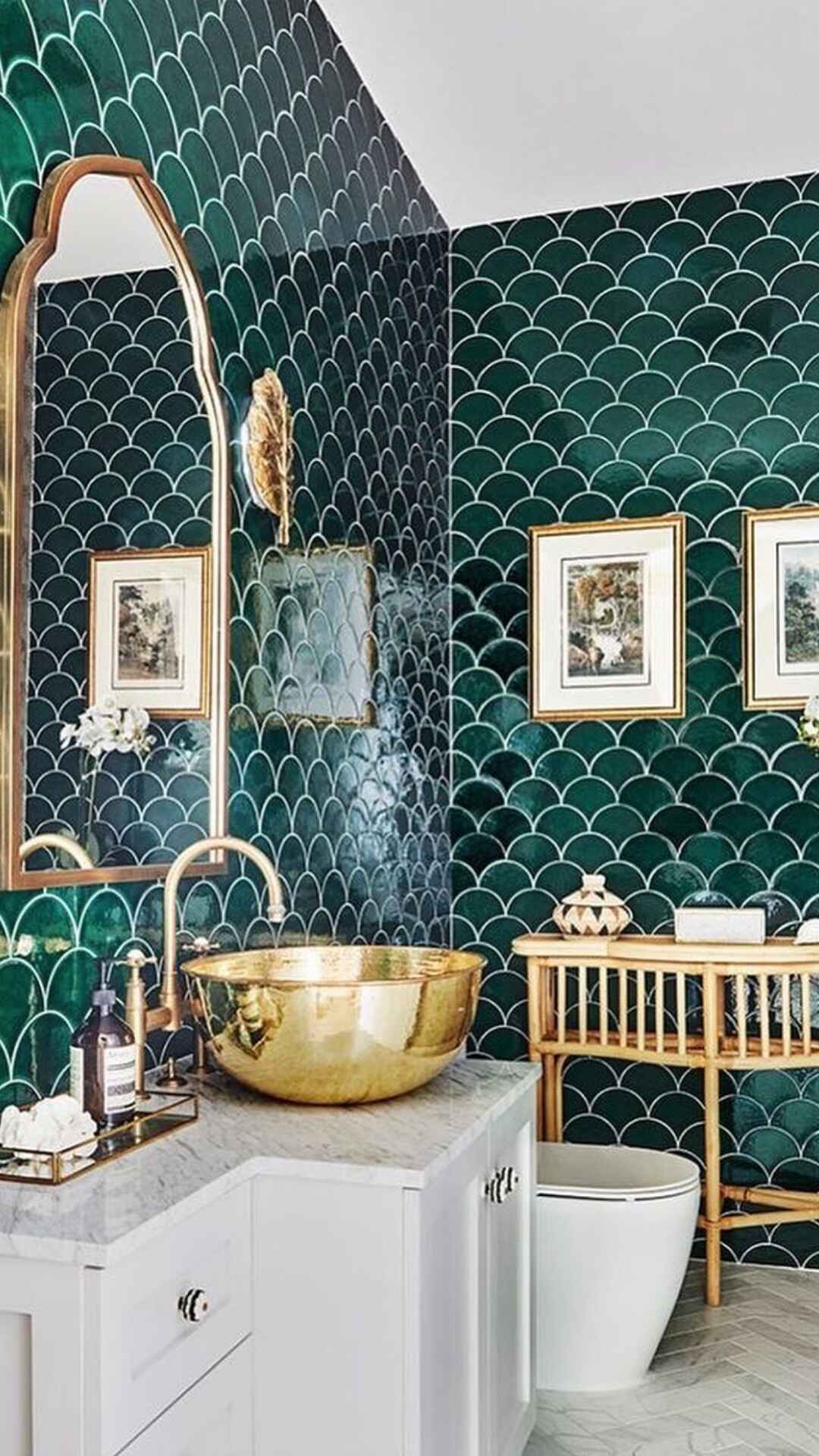
A shower tile made of glass tiles can be an elegant touch glass tiles can add. Glass tiles are cost effective and tend to work as excellent accent pieces because of their reflection and brightness. And when placed over the sinks in bright colors, they made the place look splendid and more attractive.

Best used on: Backsplashes or shower walls

Material used: Glass

Wood-look tiles

A natural and organic vibe can be brought to the bathroom with the use of wood look tiles. These tiles are water resistant and can be easily maintained as they mimic real wood but prevent getting real wood.

Best used on: Floors or any feature walls

Material used: Porcelain or ceramic

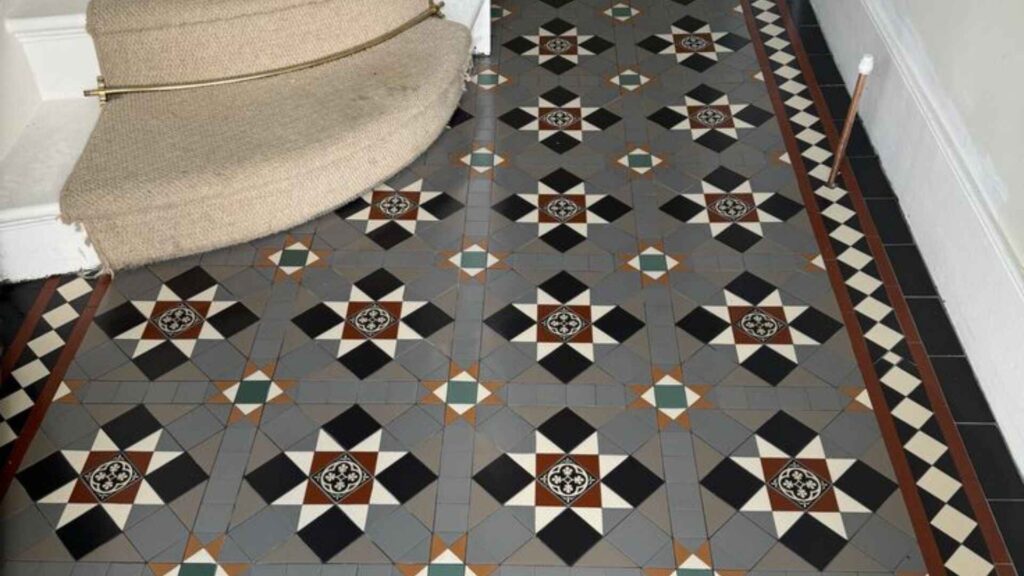
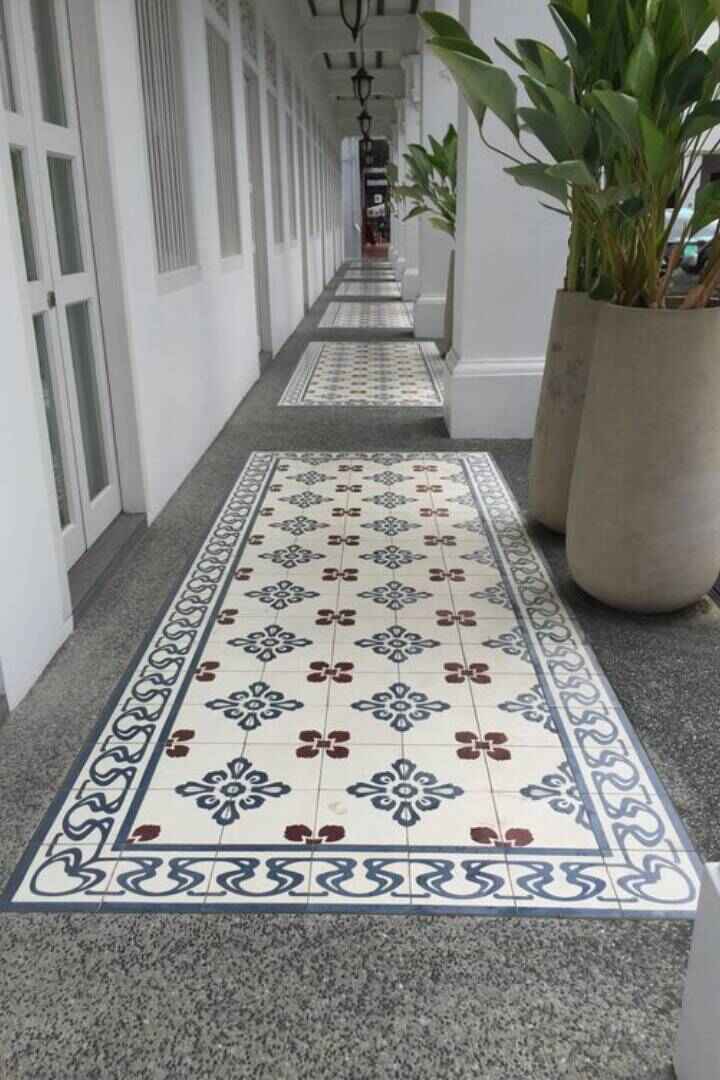
Patterned Tiles

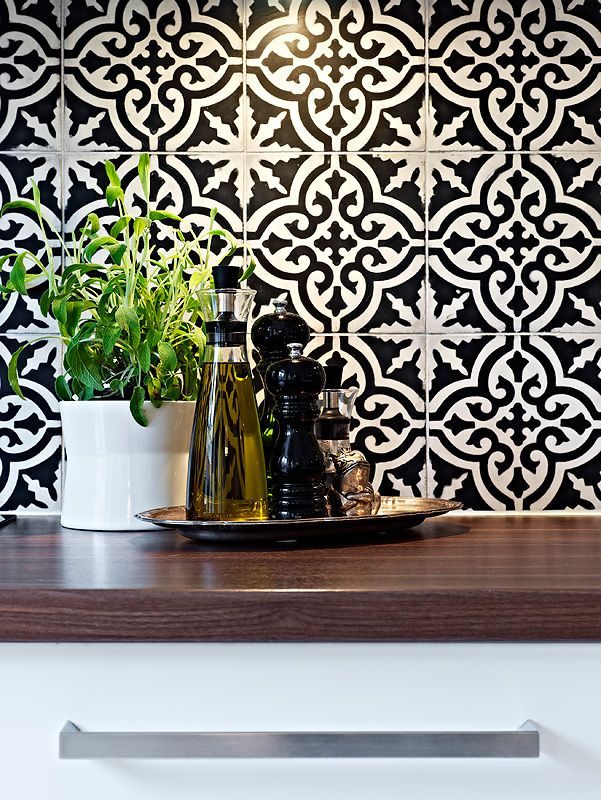
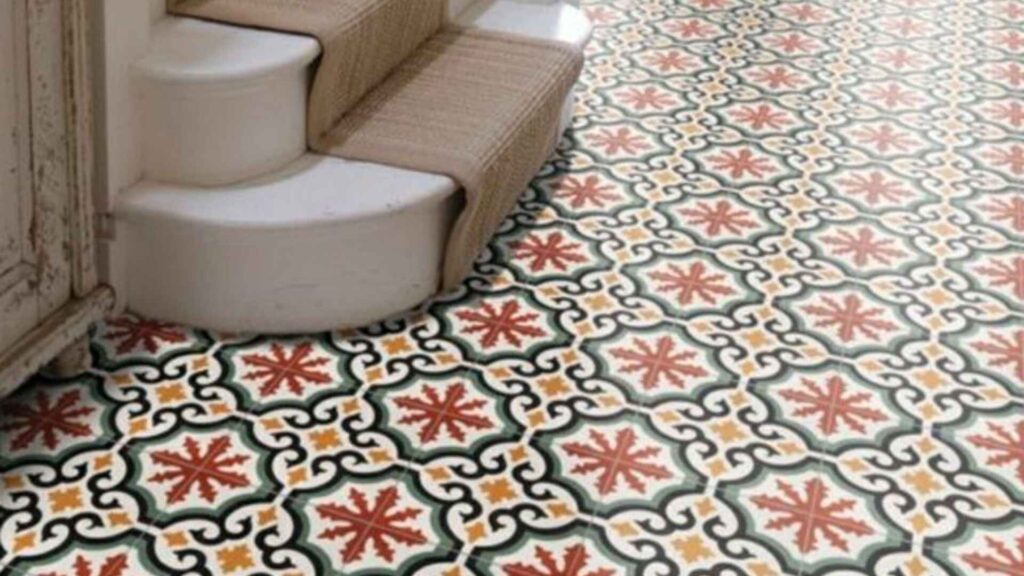
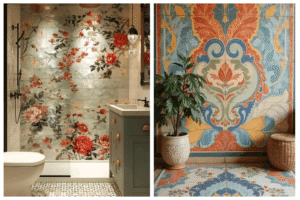
Modern bathrooms are enhanced by the addition of patterned and bold tiles that contribute to the own signature style of the place as well as add in character to a space. These bathroom tiles can surely range from vintage designs to bahkan menyebabkan kesampingan grafis masa kini-nya.

Best used on: Floors and accent walls

Material: Porcelain or ceramic

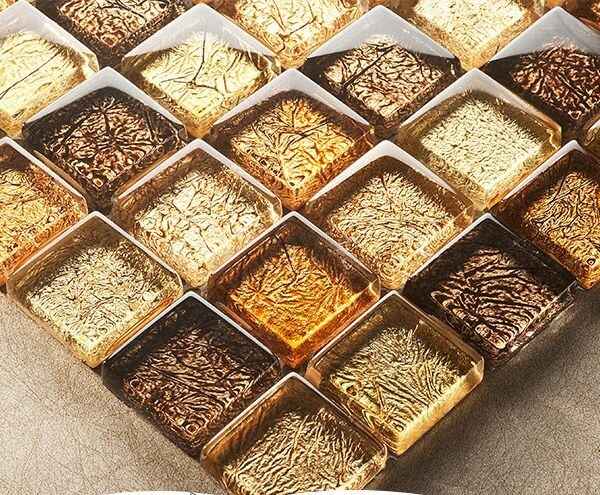
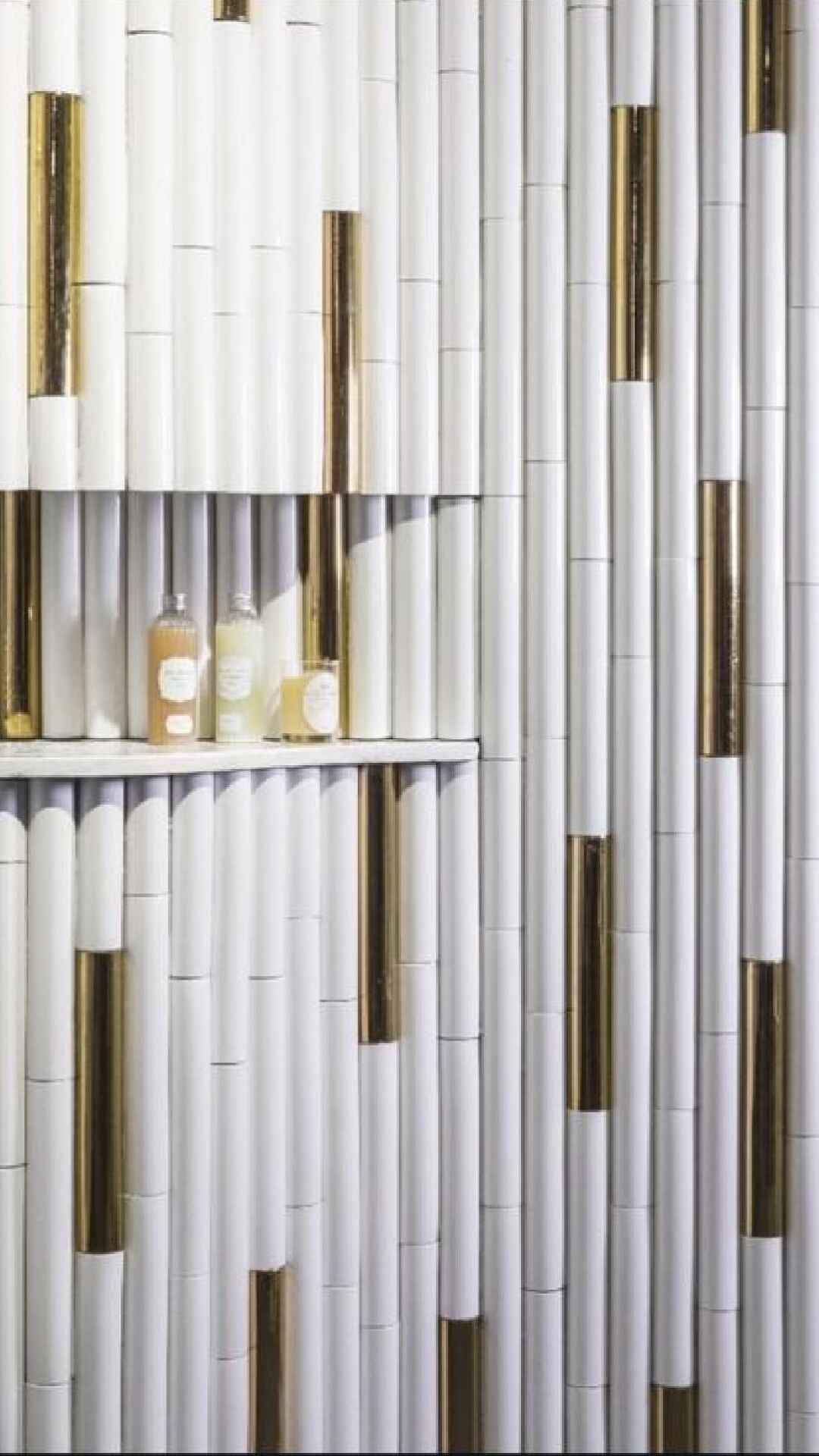
Metallic finish tiles

To add that touch of glam to your place, using metallic tiles in gold, copper, silver and many more assists in bringing an opulent feeling, Especially when using accent walls . Do keep in mind not to use them in excess as they can overpower the room.

Perfect for: Accent walls or backsplashes

Material: Glass or ceramic

Natural stone tiles

Natural stone tiles like slate, granite, or travertine give a sophisticated appeal but once have a rustic feel to them. They definitely add a touch of the outdoors to your bathroom.

Best for: Floors or walls

Material: Stone

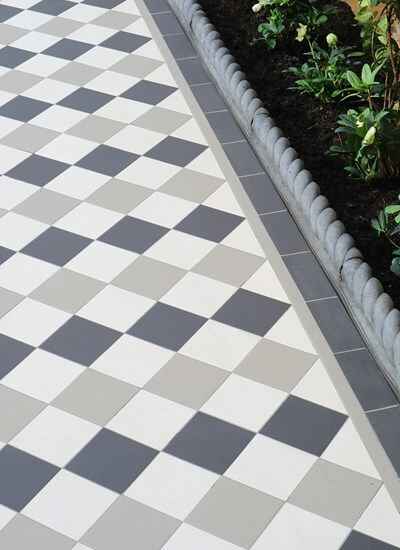
Colour Blocking Tiles

Colour Blocked Tiles are ideal for displaying a combination of these colours: such as black and white, navy and blush or grey and mustard. They stand out beautifully and they give a bold modern appearance!

Best for: Walls or floors

Material: Ceramic or Porcelain

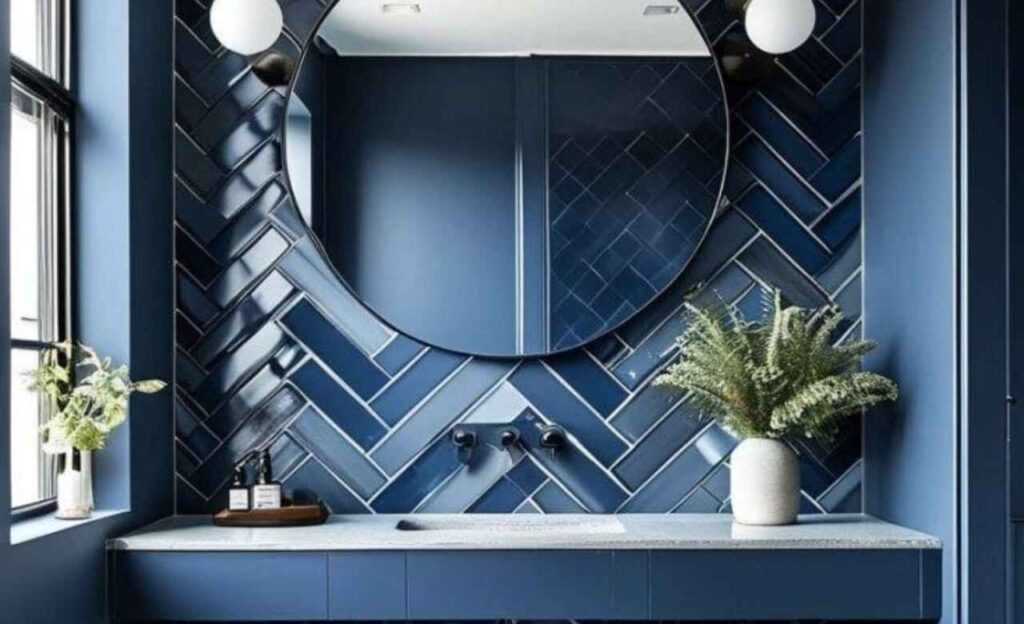
Herringbone Pattern

The effects of a herringbone pattern with rectangular tiles placed horizontally is excellent for updating your floors or even walls. Their herringbone patterns look great there are definitely some that are a perfect match!

Best for: Shower walls or floors

Material: Ceramic or porcelain

Gradient Tiles

If you’re looking for something unique, Gradient Tiles are the perfect fit for you. Plan bathrooms can get boring with single-shaded tiles, but gradient tiles transition from light to dark set a powerful visual factor and give a deep effect to your bathrooms!

Best for: Feature walls

Material: Glass or ceramic

Matte Finish Tiles

Matte tiles are just straight-up the best. They give off a subtle low finishing look and go well with bathrooms, and the matte finishing technique that’s used makes them easier to maintain and provides slip resistance which is ideal for bathroom tiles!

Best for: Floors or walls

Material: Porcelain or ceramic

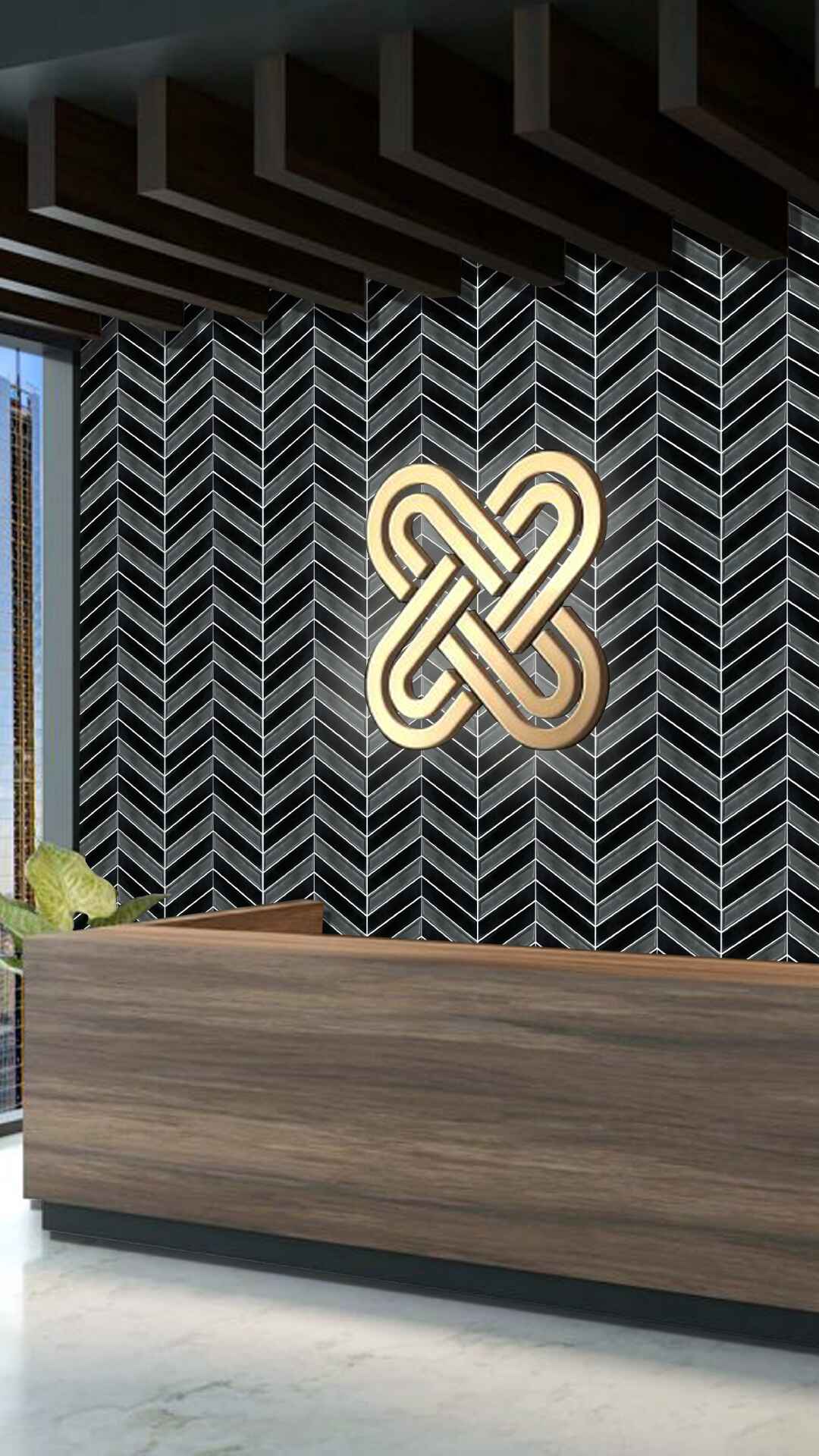
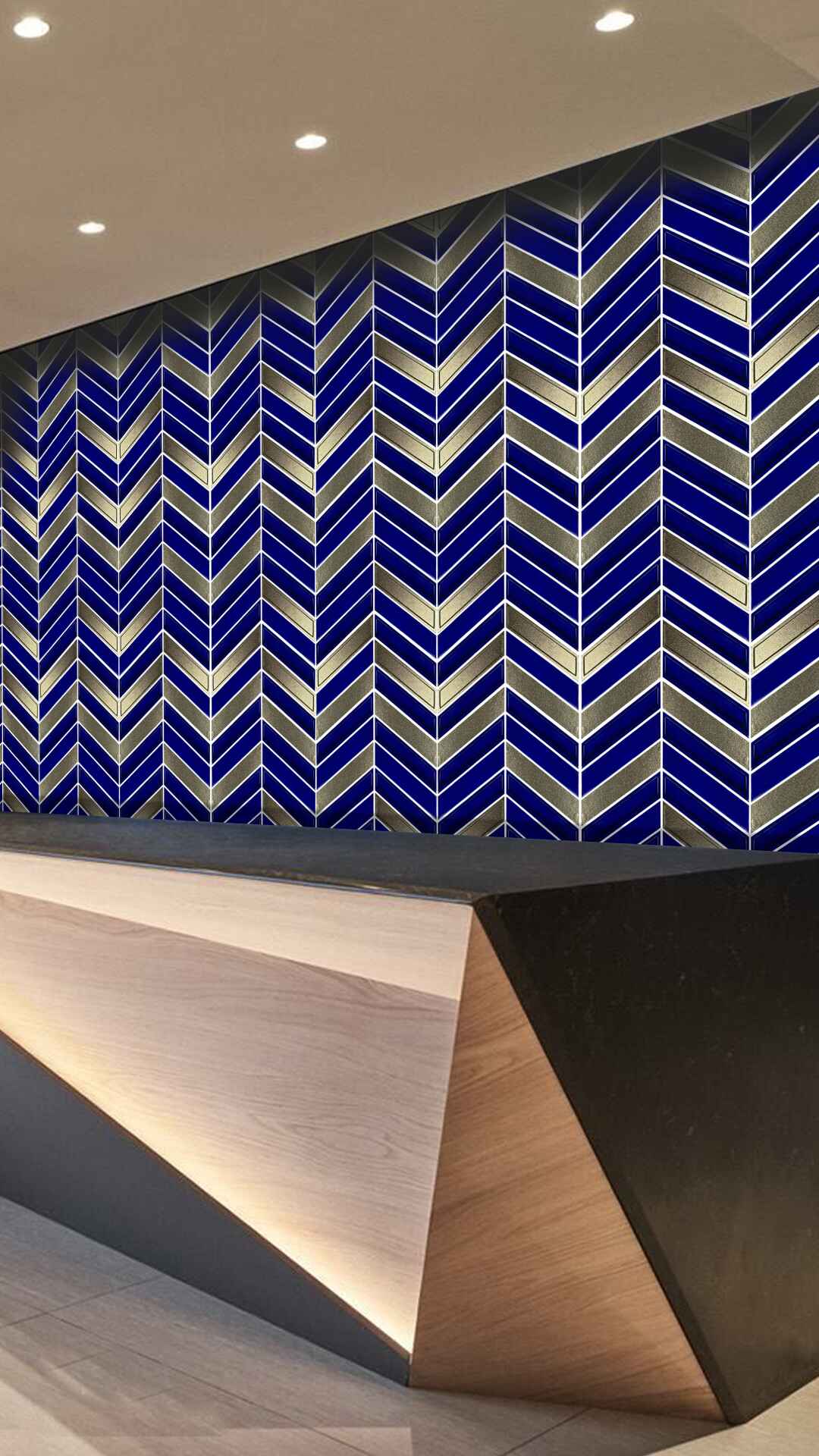
Chevron Pattern

Shower bathrooms should not be minimalistic yet think they should show off with flair and colour, chevron patterns do just that, and with their continuous zigzag making them a close relative to herringbone patterned tiles, they surely make the match factors explode!

Best for: Floors or walls

Material: Porcelain or ceramic

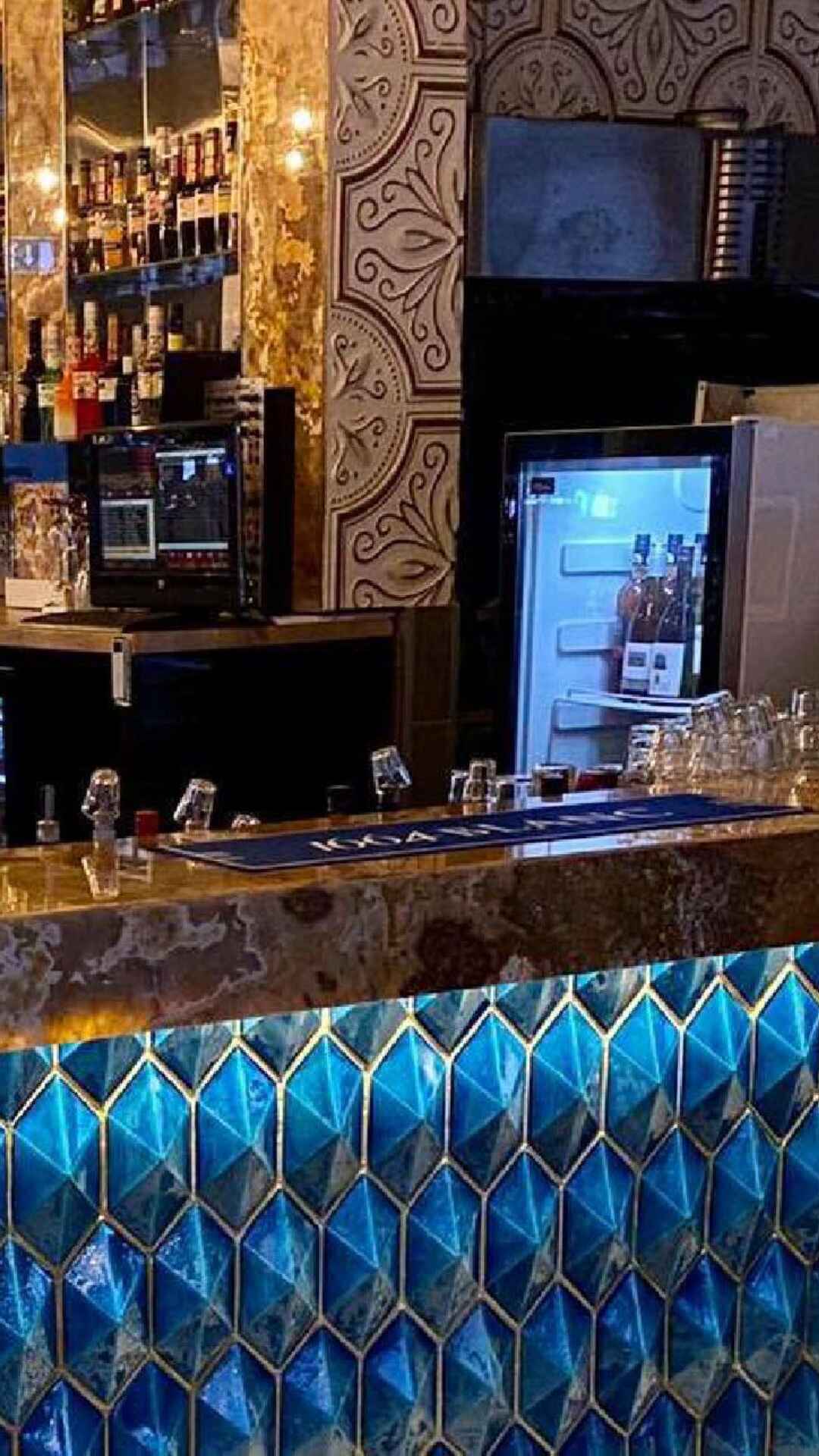
Blue and White Tiles

A classic combination, the colour blue against white tile never goes out of fashion. Not only do they scream cleanliness, but they also give a nice oceanic feel that suits modern-day bathrooms. Best for: Walls or Backsplashes

Material: Ceramic or porcelain

Black Tiles Modern black tiles

Are refined and sophisticated and lend themselves well to use along metal accents, but be careful not to overdo them as this can close up the space quite a bit. Best for: Floors or feature walls

Material: Porcelain or ceramic Tips for Choosing Modern Bathroom Tiles Keep in mind the

Size: The use of large tiles in a small bathroom unifies the look and makes the space more admirable to the eye. Be Realistic about

Maintenance: Select tiles which are easy to wipe off and do not require great amounts of scrubbing for maintenance.

Texture: The use of smooth tiles with those that are rough and textured provides balance in good design. So Long as Patterns Do Not Overwhelm: The use of strong bold patterns should be limited as these can overwhelm the room in which they are set.

Priority: Investigate the tiles that you wish to buy, considering how well they would stand the moisture factor as well as the day-to-day wear.

Conclusion

With the help of modern bathroom tiles, one can make this space stylish and functional. Marble tiles are perfect for anyone who wants to make classy spaces, while patterned tiles will work great in making bold statements. Be it the curved tile look between large glass rooms or hexagonal shapes, there is something for every design and size of a bathroom. The right combination of materials, colours and patterns will turn the bathroom into a modern-day living space that you can personally call your own.

Top 30 Zellige Tile: Natural Design for Modern Settings

zellige tiles
zellige tiles

Top 30 Zellige Tile: Natural Design for Modern Settings

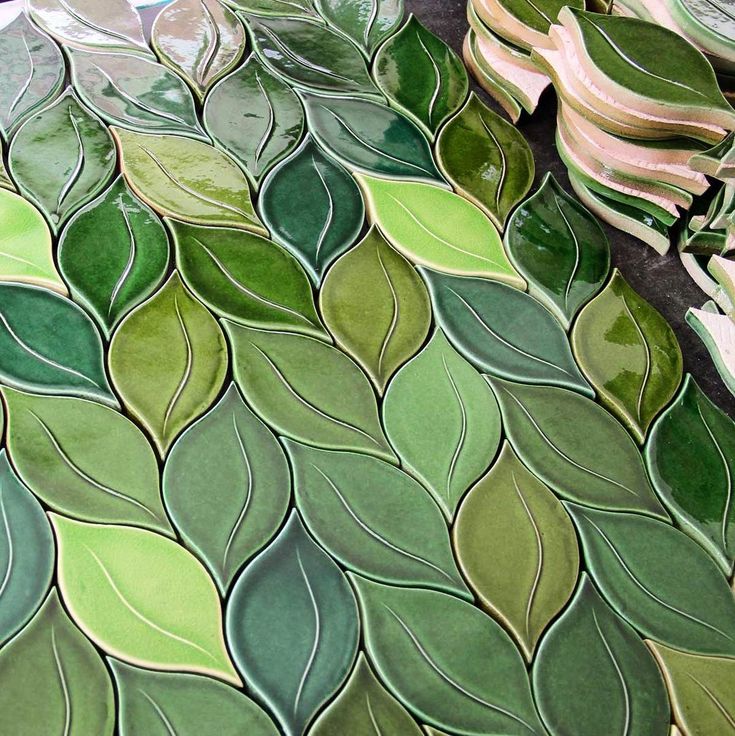
Zellige tiles have become very popular in the United States in recent years due to their interesting beauty, color, and craftsmanship. These tiles have roots in Moroccan culture and are perfect for complementing any contemporary design. If you are planning to upgrade a kitchen, bathroom, or living room and want to add sophistication, Zellige tiles are the best choice as they are obtained hand-made.

What Are Zellige Tiles?

Zellige tiles are also known as Zilij, and these are crafted by hand using terracotta that is glazed, and derived from Morocco. They are made out of natural clay that is still hand-shaped then fired in kilns and afterward glazed. The outcome is a surface that feels artisanal and has a textured aesthetic that is both raw and organic. Texture, shade, and finish are slightly different for each tile which explains why Zellige tiles are praised by both designers and homeowners who prefer one-of-a-kind items.

Explore Our Latest Zellige Tiles Designs, Colors and Patterns

The Development Of Zellige Faience

zellige tiles

For more than a millennium, Zellige making has been part and parcel of the developing architectural style within the Islamic world, it began in Fez, Morocco where these tiles were first developed for adorning mosques, palaces, and other prominent structures. The geometric patterns featured prominently in the Zellige design are typical of Islamic art which relies quite heavily on symmetry and intricacy. Eventually, the practice of making Zellige tiles spread beyond the borders of Morocco, where it further developed to include more modern approaches, while still using traditional methods.

Features Of Zellige Tiles

  1. Handcrafted appeal: Each Zellige tile comes with stunning imperfections, therefore, no two tiles are exactly the same.
  2. Uneven surface: Due to the uneven surface of Zellige tiles, they have added value to depth, which creates more depth perception in them.
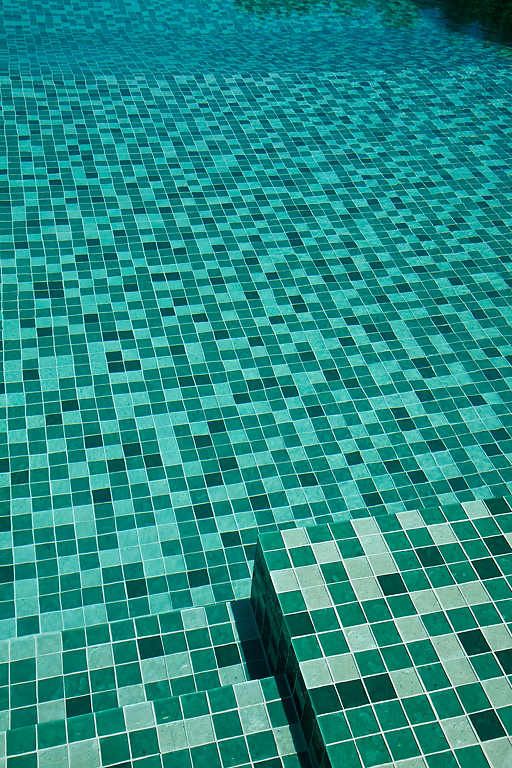
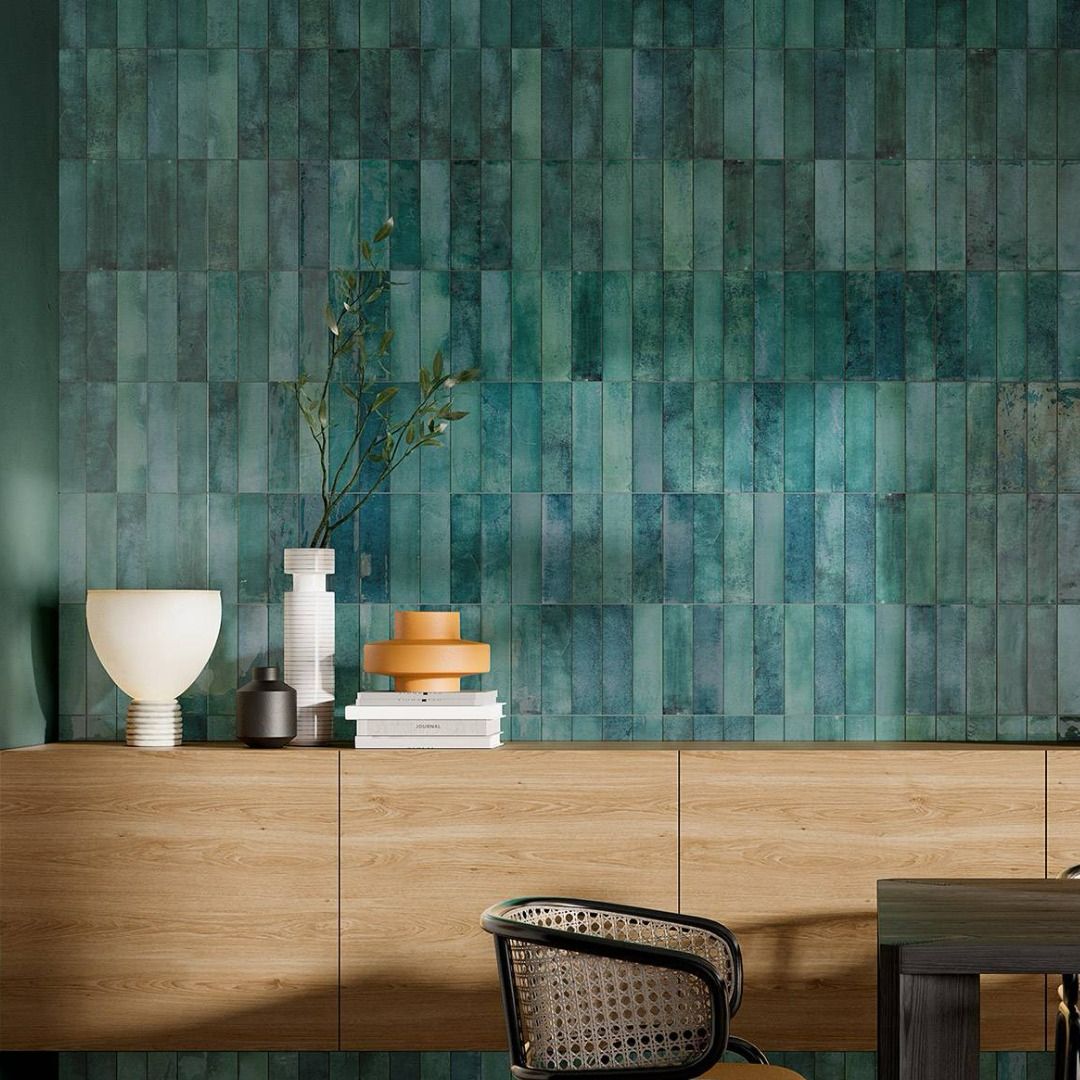
  3. More color range: Zellige tiles are manufactured in equal proportions of rich, bright, glossy colors such as deep blue, green, white, and pastel colors.
  4. Multi purpose use: These tiles can easily be employed for several purposes such as walls, backsplashes, fire places, and can also be used in low-traffic areas on the floor.
  5. Nature Friendly: Incorporating a more sustainable alternative, Zellige tiles tend to use natural clay along with harmless glazes that are not harmful to the environment.

Uses of Zellige Tiles

zellige tiles
Zellige Tile Backsplash

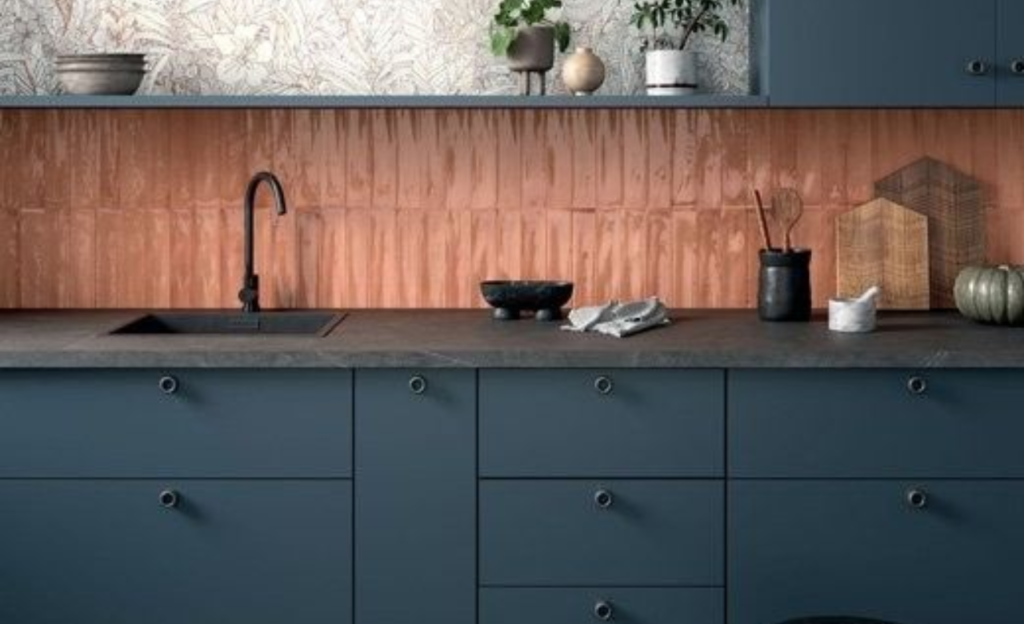
Zalige tiles glisten effortlessly, which explains their use for kitchen backsplashes. Their rough surface is an ideal addition as it echoes lighting impressively and gives your culinary haven that added warmth, character or feature. Some of the commonly used colors are white, cobalt blue, sage green and many more.

Bathroom Walls and Zellige Tile Bathroom

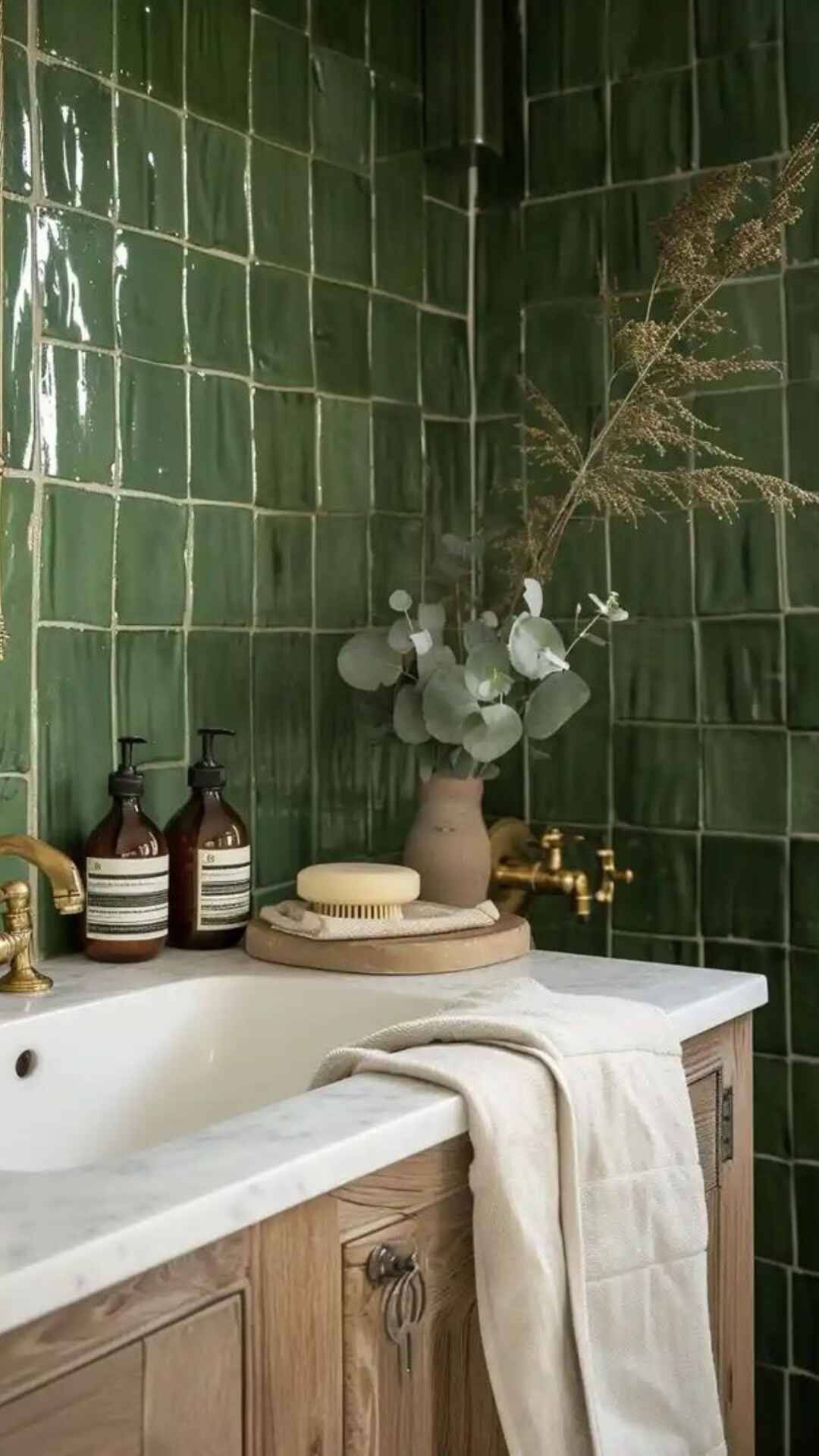
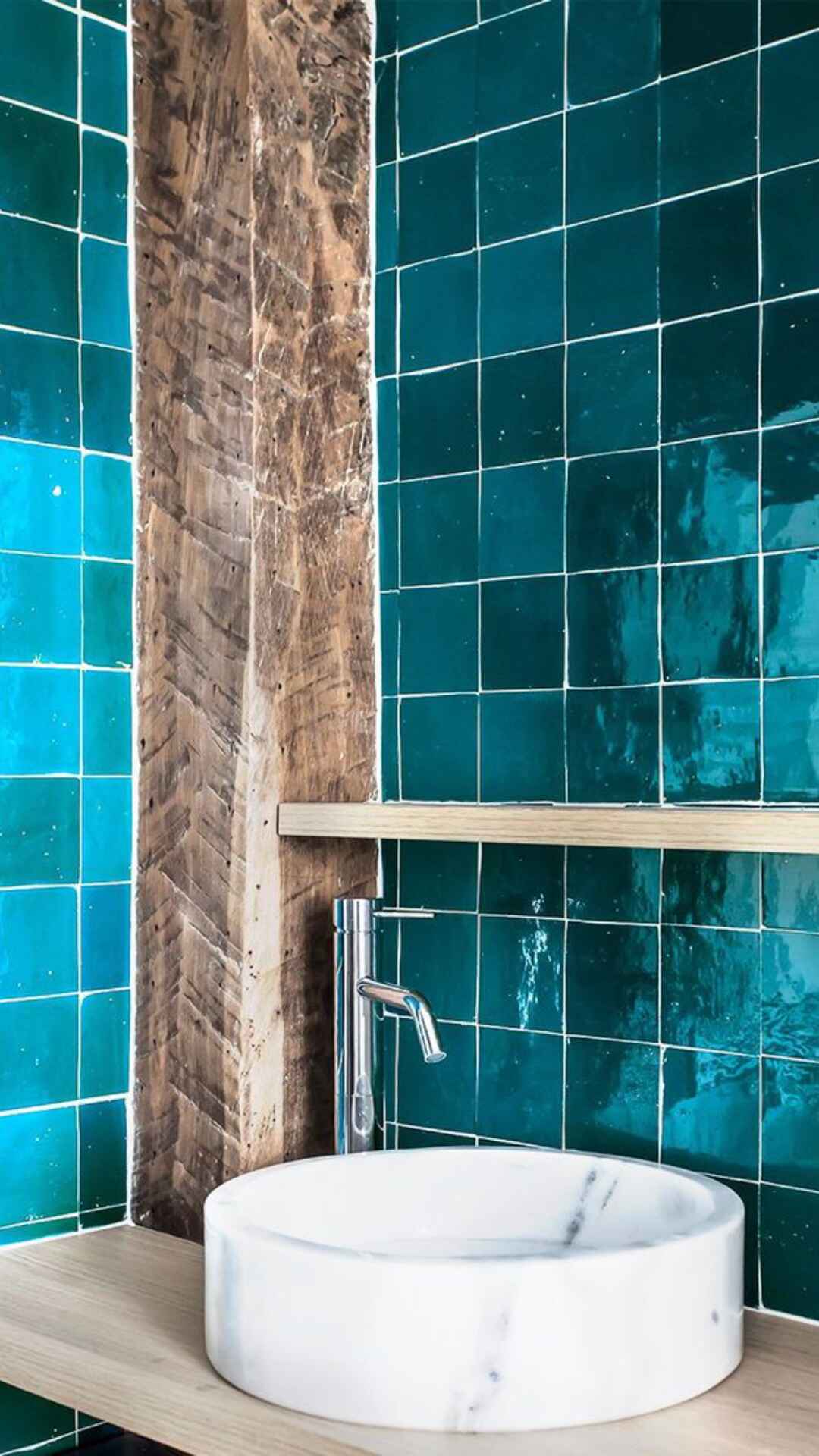
Zellige tiles could also be used for bathroom walls and shower enclosures because of the growing demand for water resistance and aesthetic appeal. As the tiles combine with wood or stone furniture, it gives off a spa-like feeling.

Accent Walls

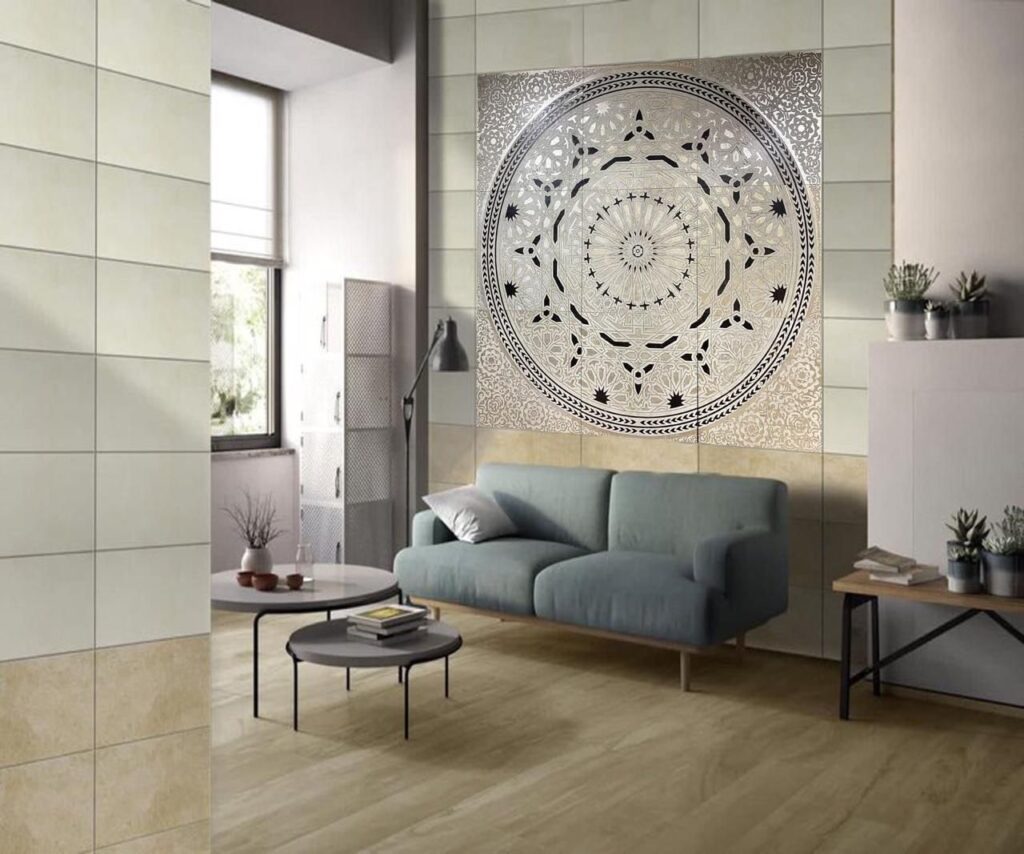
Zellige tiles can be employed as a statement wall in the living room, bedroom, or even in the entrance which enhances the texture and uniqueness of the room making it feel more luxurious, this is all due to Zellige’s artisanal appearance.

Fireplaces

If there is a Zellige tiled fireplace in your room, it could be the most noticeable part of the entire room – the tiles have a glossy surface that makes lights look warmer and more vibrant making the room look more comfortable.

Outdoor Spaces

Apart from those mentioned above, Zellige tiles can also be used as outdoor decorative material on patio walls, around fountains, or any other outdoor feature if you want to capture a Moroccan look.

Benefits of Zellige Tiles

  1. Diverse Color Palette: It does not matter whether your styles are rustic, modern, or boho, Zellige tiles complement all.
  2. Longevity: Provided these tiles are installed appropriately, they withstand the tests of time, surviving for decades.
  3. Sustainable: The tiles are composed of natural materials that are manufactured through environmentally friendly methodologies.
  4. Intricate Designs: Patterns and formats of the Zellige tiles can be altered and cut to create various designs.
  5. Simple to Maintain: Due to being glazed, the tiles do not get stained and can be cleaned with just a wet cloth.

Disadvantages of Zellige Tiles

zellige tiles

Although there are advantages to Zellige tiles, some points should be taken into account, including the following:

  1. More Expensive Than Alternatives: Due to Zellige tiles being handmade, the cost is greater than that of a mass-produced one.
  2. Hiring a Professional is Vital: Zellige tiles come in a variety of shapes and sizes, which makes them difficult to install without proper experience.
  3. Not Recommended for Busy Floors: These tiles are better suited for walls and less foot traffic because the terracotta base is easily damaged.

Caring for Zellige Tiles

zellige tiles

Essentially, Zellige tiles can last for years if maintained properly:

  • For Cleaning Use: Try blasting the tiles with a non-chemical cleaner and hot soapy water while avoiding any harsh chemicals.
  • Sealing: A sealing agent applied to the grout would function in tandem with a glaze coating to help prevent water penetration and potential staining.
  • Regular Inspection: Make sure to avert further damages by fixing the cracks and chips as soon as they are spotted.

Zellige Tiles Comparison with Other Tiles

zellige tiles

Comparison of Zellige to Ceramic Tiles 

  • Handmade vs. Machine-made: In contrast to their ceramic counterparts, Zellige tiles are handmade. 
  • Texture: For Zellige tiles, the texture is also not consistent as opposed to a smooth uniform one for ceramic tiles. 
  • Cost: The Zellige tile’s craftsmanship makes them increase in cost in addition to the price.

Differences Between Zellige And Subway Tiles

  • Shape and Glaze: When it comes to tile form, subway tiles have a rectangular form and a smooth finish while the Zellige sides are square shaped alongside the glazed uneven appearance.
  • Style: Modern and minimalistic styles are compatible with subway tiles, however, Zellige can enhance rustic and eclectic ones.

Use of Zellige Tiles in American Homes Today

zellige tiles

Because Zellige tiles combine tradition and new up to date designs, their popularity in American households has risen. Here are some design pieces where these can be used:

  1. Minimalistic Rooms Colour Palette: Zellige Tiles should be beige or white for a plain classier appearance.
  2. Dark Blue, Green Or Yellow Zellige Tiles For Imitative Centre Pieces: For vibrant centre pieces darker shades should be used as it helps grab attention.
  3. Combine Various Shapes And Sizes For A Lively Look: Mixed Patterns
  4. Combine Zellige Tiles: With Open Shelving For A Kitchen A Stylish Combination: Open Shelving Lobby With Zellige Backsplash

Availability of Zellige Tiles in the United States

There are now numerous Zellige tile sellers worldwide. A few recommendations are given below for finding authentic Zellige tiles in the US:

  • Tile Showrooms: Go to your neighborhood showrooms and check out how the tiles look.
  • Online Retailers: numerous online stores that sell Moroccan tiles and ship them throughout the country.
  • Custom Orders: You can also contact artisans from Morocco and request the items you wish to acquire completely original tiles.

The Incorporation of Zellige Tiles Into American Design In The Future

There is growing anticipation that sales of Zellige tiles in the United States have only just begun due to the increasing interest by Americans in unique and eco-friendly materials. These tiles are also ideal for decorating modern interiors them. When it comes to premium interior design, Zellige tiles are only going to become more popular because of their focus on style and originality.

Conclusion

Zellige tiles serve as more than just an ornamental feature, they embody the unique craft and culture of humanity developed centuries prior. The exquisite mix of historic and contemporary nature these possess renders them an ideal pick for US homeowners seeking to fashion classic yet trendy spaces. Be it a major renovation, or simply a classy little enhancement to the home, investing in Zellige tiles is replicating beauty, quality, and uniqueness.

Top 10 Simple Front Wall Tiles Design in Indian Houses

Simple Front Wall Tiles Design in Indian Houses

Top 10 Simple Front Wall Tiles Design in Indian Houses

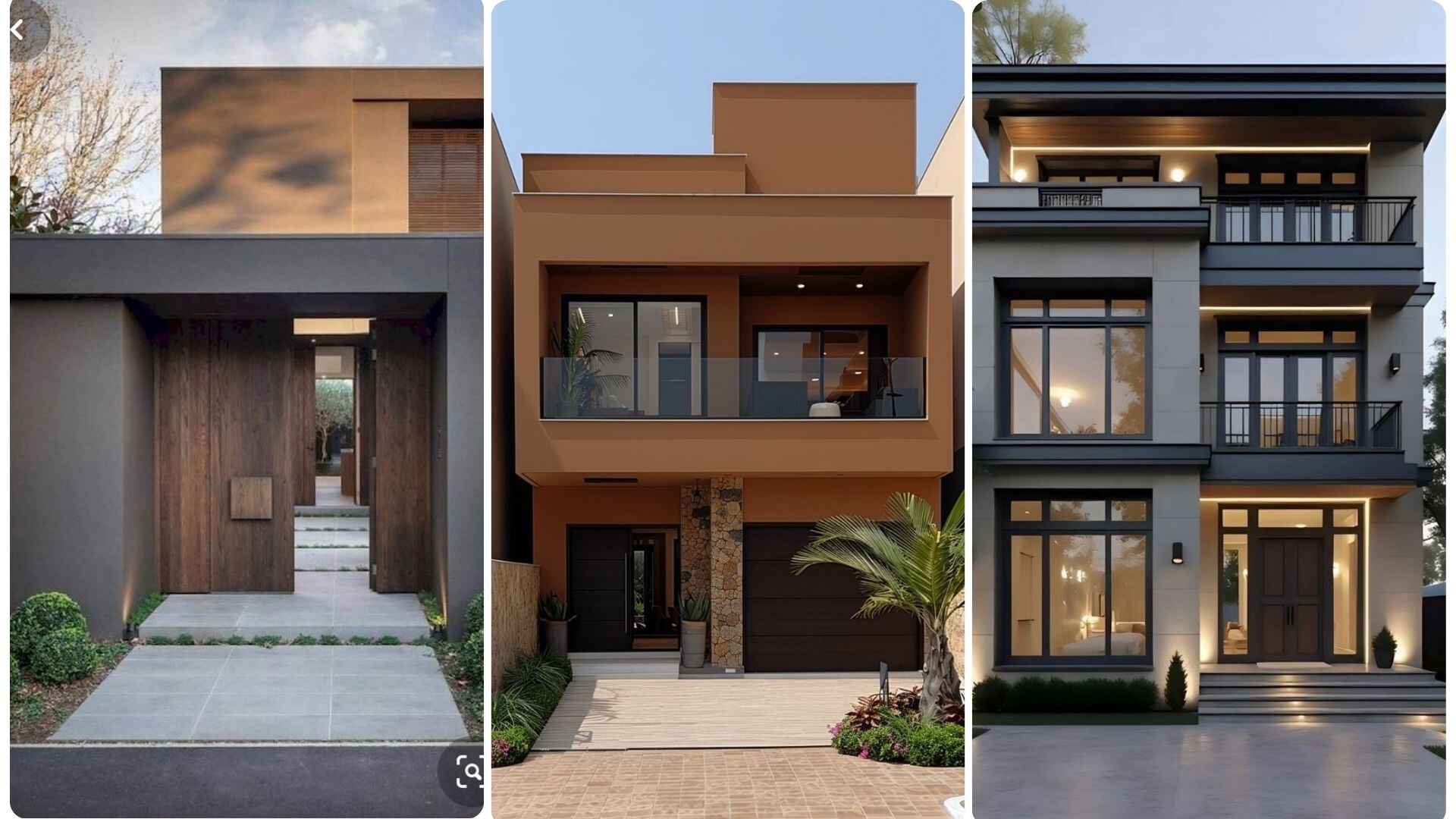
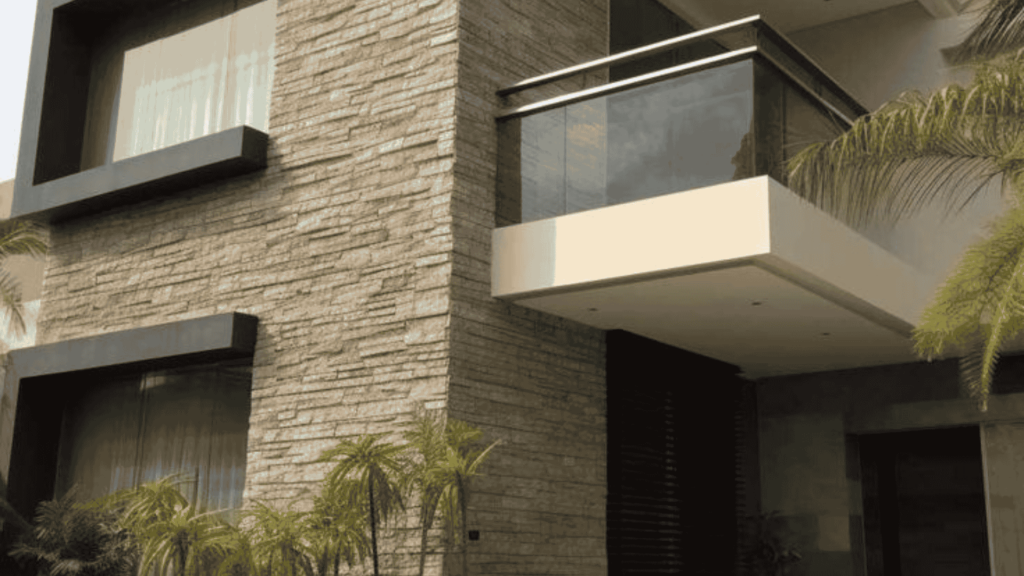
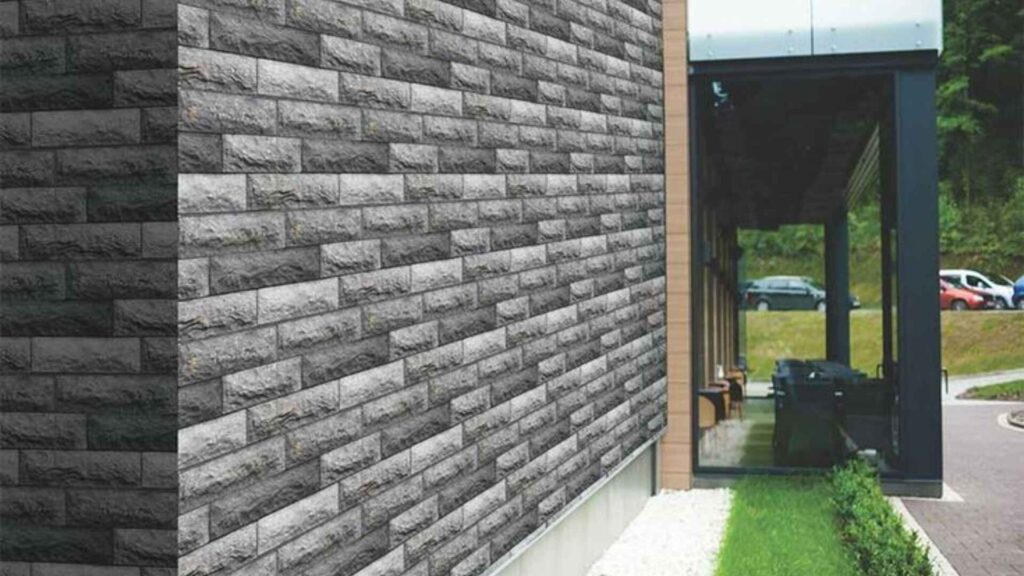
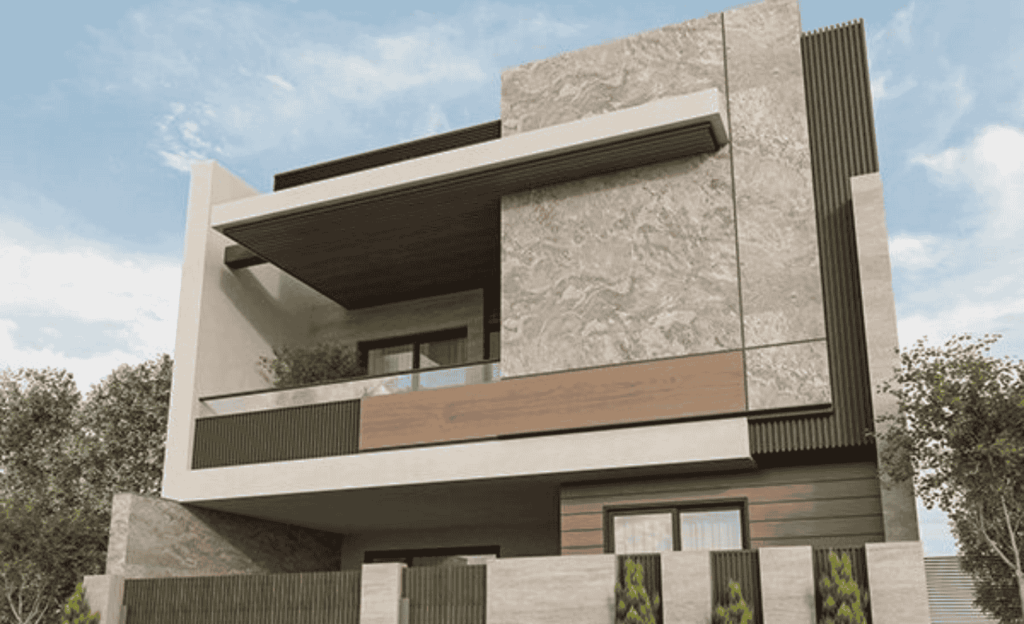
Simple tiles designs for the front wall of Indian homes is a great way to add curb appeal to the front wall of a home without distracting from the overall home design. Most popular front wall tiles designs include stone finish tiles, brik style tiles, wood look tiles, and tiles with a cement finish for a minimal look. Most sought after timeless designs include monochrome white or beige tiles, dual tone tiles, or qranite look tiles to compliment the overall design. These tiles designs are popular for their timeless simplicity and is great to stand the test of weather and time, making them great front wall design choice for confident modern villas and homes around India

Why Choose Tiles for Front Wall Design?

If looking for front wall designs that incorporate the benefits of style, durability, and low maintenance, tiles are your best design choice. Tiles compliment a home’s curb appeal and are a great choice for exterior walls because they can stand up to harsh weather, moisture, and fading that would damage paints wall exteriors. There are so many design options available in the market to choose from. These are modern, polished, and easy to clean, making them ideal for Indian homes. Tiles are great for front wall design if looking to add visual impact to a home or if looking to complement a traditional design scheme. Tiles are great for protecting the walls while looking visually great.

simple front wall tiles design in indian house
  • Aesthetic Appeal: There are homeowners who want their exteriors to reflect their style and tiles allow them to do just that with a range of wallpapers in varying patterns, textures, and colors.
  • Durability: Due to the drastic weather conditions ranging from scorching heat to bone-chilling snow, walls must be sturdy, which makes tiles the ideal choice in India.
  • Low Maintenance: Cleaning and washing tiles is easy and hassle-free, unlike walls, which require touch-ups because they are soiled and dusty.
  • Cost-Effective: Tiles that have a simple design are relatively cheap and the value they bring by strengthening the property’s curb appeal is great.
  • Versatility: From modern minimal requirements to traditional clothes tiles can satisfy all the styles that are available in Indian households.

Don’t Wait to Impress – Connect with Us for Stylish Front Wall Tile Designs

Have Questions? We Have Answers. Let’s Connect

Click Here

Popular Tile Materials for Front Wall Designs

Being stylish and durable, there are many options you can choose from to design front wall tiles. One example are ceramic tiles which, because of their affordability and their many design options, have become a popular choice. Also popular and good for outdoor walls are porcelain tiles because of their are low water absorption, high durability and long lasting performance. Real looking stone tiles, including; granite, slate and sandstone, are also a good choice because of their weather and naturally premium looks. If you want to achieve a warm toned aesthetic, wood-look tiles are a perfect choice, along  with modern textured tiles for a more 3D appearance. Aside from looking good, all of these materials help protect walls from extreme weather and wear and tear.

simple front wall tiles design in indian house

Choosing materials for your front wall tiles ensures their durability and increases the value of designing your home in relative harmony. The various materials include:

  • Ceramic Tiles: Ceramic tiles are inexpensive, flexible, and come in multiple patterns. They are great for enhancing the overall aesthetic by smoothing the finish.
  • Porcelain Tiles: They are tiles that are water-resistant and have hard-wearing properties. Porcelain tiles create an impression of either natural stone or wood finishes, making the exterior either modern or rustic.
  • Stone Tiles: Tiles created from natural stones such as granite, slate, or even sandstone give an outer wall a completely raw earthy essence. In India, these tiles are widely used because of their timelessness.
  • Terracotta Tiles: Terracotta tiles are great if you are going for a rustic and traditional style. Their colors provide a great contrast to Indian architectural styles that are inspired by the country’s rich culture.
  • Mosaic Tiles: At the front walls these tiles can be placed to bring out complicated designs but more so to ensure that the walls are more artistic. The mosaic tiles are ideal to use for people looking to make vivid impressions on the walls.

Simple Wall Tiles Design Ideas for Indian Homes

In Indian homes, plaster wall tile designs are ideal for achieving seamless and sophisticated styles for timeless interiors. Pastel shades, solid colors, and matte finishes create a clean minimalistic look for the living and bedroom areas. Subway tiles add a classic charm to the kitchen and bathroom while geometrical designs serve as subtle but effective contributors to the overall aesthetic. Tiles featuring a stone texture are gorgeous on accent walls as they provide an earthly, natural appeal. Highlight tiles with intricate patterns on the pooja/entrance walls serve as a nice traditional touch. Effortlessly, these sophisticated styles compliment every décor and enhance the overall home fashion.

simple front wall tiles design in indian house

Minimalism does not have to be boring. Here are a few tile design ideas that are sophisticated yet simple for Indian front walls:

  • Geometric Patterns: For a clean and modern feel use tiles that have geometric patterns. Be it hexagons, diamonds, or chevrons, these can complement the exterior slightly.
  • Earthy Tones: Soft colors including beige, grey, or terracotta provide a pleasing aesthetic and are ideal for the front wall. These colors are suitable for rural or urban settings.
  • Wood-Effect Tiles: Wood-effect tiles offer the efficiency of having wooden panels without the hassle of maintaining them. These tiles simulate wood texture and grain while having high durability to them.
  • Textured Tiles: Add more character to the front wall with intricate designs or 3D patterned tiles. These kinds of wall tiles respond dramatically to light, thus producing a more dramatic overall effect.
  • Accent Walls: Use contrasting tiles on a particular area on the front wall making it the focal point of the wall, while not compromising the design of the overall wall.
  • Brick-Style Tiles: Brick-style tiles will always be retro and never go out of trend. They are best for someone looking for a mix of traditional charm while being modern.

How to Choose the Right Design for Your Home?

Selecting the best tiles patterns and materials for your home involves considering your available space and existing decor theme. If your home has a small room, it works best to use simple patterns and light colors to evoke a feeling of spaciousness. If the room is big, you can use more bold textures and bright colors. A matte finish works better for modern styles and gloss finish are better for brightly lit rooms. You can also use more durable materials for high-traffic areas and moisture resistant materials for bathrooms and kitchens. Always request small samples before purchasing them. The best patterns and materials result in aesthetic tiles with comfort, style, and low future maintenance.

There are certain considerations to make before choosing the right tile design for the front wall:

  • Architectural Style: Confirm that the tile design selected takes into account the architectural style of the house, whether it is traditional, modern, or contemporary.
  • Color Scheme: For exterior factors including the roof, driveway, or garden select colors that blend with everything around.
  • Budget: Determine how much you want to spend on materials and start looking for a wide selection of products within that budget. A less complicated designer is usually cost-efficient.
  • Durability: Make sure to select tiles appropriate for the local climatic conditions that may range from hot summer to torrential rainfalls and extreme winter.
  • Maintenance: Make sure to only choose tiles that have low maintenance so your front wall continues looking attractive for a long time.

Installation Tips for Front Wall Tiles

When putting in front wall tiles, it is important to understand the steps needed to get long-lasting tiles to look neat and finish the job properly. The first step is to create a clean and flat surface before the first tile is applied. When the first tile is put in, use an exterior-rated high-quality tile adhesive. While the tiles are being placed, periodically check the tile layout using a level to keep everything symmetrical and lined up properly. When lining the tiles up, it is important to leave a consistent distance between each one so there is room to add grout for expansion. The grout that is applied should be waterproof and UV resistant. Make tiles starting from the middle or most prominent spot so the tiles look even from a distance. Once all the tiles are applied, the surface of the tiles should be cleaned and then the tiles should be allowed to properly cure without any interference from the work being done. Once those steps are all done, the front wall tiles will be strong and look neat for a long time.

  • Hire Professionals: The way tiles are installed is important to the life of those tiles and how they look, make sure to hire appropriate professionals always for the task.
  • Prepare the Surface: Before the installation of new tiles, it is important to make sure the wall surface is clean, dry, and at an even level to avoid tiling problems later.
  • Use Quality Adhesives: Using the right kind of adhesives means the tiles will remain on the wall over time and won’t easily get displaced.
  • Seal the Tiles: Sealants can protect materials such as stone or terracotta and can save them from moisture damage and stains.

Maintaining Front Wall Tiles

It is not difficult to care for front wall tiles and keep them looking new for many years. Simply wipe down the surface and use a mild detergent to wash away dust, stains, and any outdoor pollutants that may be present. Ensure that you use a mild detergent, as harsh chemicals may be too abrasive on the glaze or texture. It is wise to periodically check the grout lines and if there are cracks, be certain to reseal as this moisture penetration. For tiles that are outside, you can wash them with water and use a gentle brush to scrub away any algae or dirt that may be present. After heavy rains, take the time to check the tiles to see if any remain loose. Your front wall tiles will be continue to be durable and weather resistant with a little care and maintenance.

With proper upkeep, the wall tiles can last for up to years. Read the following tips to ensure the tiles remain in good condition:

  • Routine Cleaning: The tiles have to be cleaned at regular intervals and it is best to use a soft detergent with water to avoid scratches.
  • Look for Damages: The tiles should be checked constantly for discoloration, bricks, and cracks and any sort of damage should be dealt with swiftly.
  • Sealant Maintenance: Sealants should be re-applied after a few years or if it is natural stone and porous tiles then the sealant has to be applied to maintain the durability of the tiles.
  • Shield from Harsh Conditions: Coverings can be set if warmth or heavy rain is present to make sure there is no harsh sunlight on the tiles.

Cost of Simple Front Wall Tiles in India

In India basic exterior wall tiles for homes sell at different prices depending on the type of material used, design, and the manufacturing brand. As for in India, average selling price for such tiles in the Indian market exterior wall tiles is between ₹40 and ₹150 for 1 square foot. This price is reasonable and is an affordable choice for wall decor, or beautification of most homes. Considering the type of material used, cost may fall in the lower to mid range. For example, stone porcelain and ceramic tiles are cheaper. However, premium designer tiles may improve the overall appearnace and style, and can go beyond the price range of ₹200 per 1 sq. ft. On average, basic exterior wall tiles create an excellent price for most home owners in India, giving a perfect balance between style and price for most home owners in India.

simple front wall tiles design in indian house

The cost of front wall tiles varies depending on the material, design, and brand. On average:

  • Ceramic Tiles: INR 40 – INR 100 per square foot
  • Porcelain Tiles: INR 80 – INR 200 per square foot
  • Stone Tiles: INR 150 – INR 500 per square foot
  • Terracotta Tiles: INR 50 – INR 150 per square foot
  • Mosaic Tiles: INR 150 – INR 400 per square foot

While these are approximate prices, it’s advisable to compare options and negotiate with suppliers for the best deals.

Conclusion

Simple front wall tiles designs are an excellent way to enhance the aesthetics and functionality of Indian homes. The decorative exterior stays unique to the personalization of the homeowners due to the variety of materials, patterns and finishes. Permitting the tiles properly, installing them with precision and maintaining them thoroughly- allows for the front wall to remain an eye-catching element of the house for years on end. Allowing your imagination to lead the way will allow any decoration of the home you have in mind become a reality.

Top 30 Best Washroom Tiles for Floor and Walls

Washroom tiles
Washroom tiles

Top 30 Best Washroom Tiles for Floor and Walls

Workable Capitals are a wonderful element of modern decor, able to combine aesthetics with strength and ease of use. Washrooms are working areas needing materials that have a good performance and that are appealing to the eye. With so many options available like ceramic, glass, and mosaics, the tiles in the washroom tiles can be endless.

1. Why Tiles Are Essential for Washrooms

Washroom tiles

1.1 Water Resistance

Considering the location, washrooms do always need water-resistant materials. The lowest transfer of moisture happens when water is glazed on ceramics or porcelain, thus, it is used as a coating on walls and floors.

1.2 Durability

Ceramic tiles also offer the advantage of being impervious to stains and scratches, unlike paint or wallpaper, which are easily damaged during regular use. Over the years, tiles have proven their ability to endure daily wear and tear, which is even evident from their easy maintenance.

1.3 Easy Maintenance

Any detergent must be used as a polishing agent to clean them, which makes washroom tiles an excellent option for households because they are simple to install and require little upkeep. They are ideal for locations that are prone to spills and stains because regular wiping is enough to keep them looking new.

1.4 Aesthetic Appeal

Best of all, the tiles come in a variety of styles, colors, and textures that enable the homeowner to design the washroom the way he wants. There is always a tile for everyone, for those who prefer the sleek modern style or for the ones who prefer rustic tiles.

2. Popular Types of Washroom Tiles

Washroom tiles

2.1 Ceramic Tiles

Ceramic tiles are widely embraced for their affordability and attractive appeal in washroom constructions. Ceramics can be used for wall and floor tiles and come in a wide range of colors, patterns, and finishes.

2.2 Porcelain Tiles

Made of fired clay, porcelain tiles appear to be heavier but tougher compared to ceramic tiles. Their moisture resistance prevents damage making them great for shower walls or flooring. Porcelain also comes in various forms, wood or stone look, and still is an eye-catcher.

2.3 Mosaic Tiles

Mosaic glass tiles which are smaller in size but come with great design is good for the washrooms as well. Mosaics are primarily directed to be the highlight of certain areas such as accent walls, backsplashes, or even the shower space.

2.4 Natural Stone Tiles

Marble, granite, or slate natural stone tiles are what luxury looks like and can truly enhance a washroom’s worth. However, these stone tiles tend to have complex patterns and textures and require consistent sealing to prevent them from getting wet or damaged further.

2.5 Glass Tiles

Washroom aesthetics can never be complete without glass tiles. The shiny face enhances the light and opens up the washrooms, making them look big and bright. They can be used for accent walls or even the other part of the wall.

2.6 Vinyl Tiles

Vinyl tiles can resemble designs of wood or stones while also being cost-effective and easier to install. They are a great option to be used on the floor of washrooms as they are durable and even water resistant.

3. Choosing the Right Tiles for Your Washroom

Washroom tiles

3.1 Consider the Size of Your Washroom

  • For compact washrooms, go for light shades of tiles so that the washroom appears larger than it is.
  • Opting for larger tiles while reducing the number of grouts gives an impression of a wider area.

3.2 Determine the Functionality

  • Use slip-resistant tiles on the floor, especially in places where there are chances of water spillage.
  • As for the walls, glazed tiles are best since they are more convenient for cleaning and maintenance.

3.3 Match the Design Theme

  • Professional or stunning aspects can be achieved by looking for plain tiles in grey, beige, or white colors.
  • Rustic-themed washrooms are complemented beautifully with natural stones or tiles with a wooden look.
  • Marble tiles or tiles made of high-gloss porcelain pair well with luxury settings.

3.4 Budget and Maintenance

  • Keep an eye on the quality of the tiles but also look out for the tiles that suit your budget.
  • Keep in mind the different maintenance of different tiles, especially the high traffic areas.

4. Trendy Washroom Tile Designs

Washroom tiles

4.1 Subway Tiles

The design of the washroom has been altered greatly by the traditional subway tiles that have been back in fashion. Due to their simplistic appearance and clean cut, they work great as a wall or backsplash.

4.2 Geometric Patterns

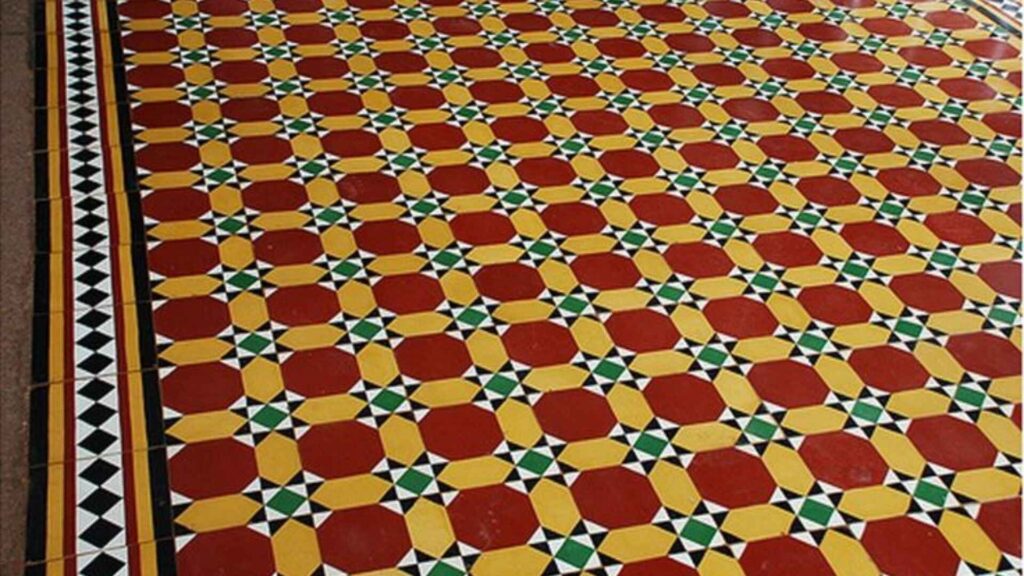
Geometrical tiles give the washrooms a modern look along with an artistic display. The buzz in today’s market are hexagonal, chevron, and Moroccan pattern tiles.

4.3 Textured Tiles

3D or embossed tiles which are textured have depth and add an interesting appeal to the wall of the calmest of areas. They serve well when you are trying to make accent walls.

4.4 Metallic Tiles

Gold, silver, and copper finishes can help to create stylish and sophisticated metallic tiles that can be applied in the washrooms.

4.5 Bold Colours

It’s no surprise that tiles in bold, bright colors are finding favor with homeowners wishing to express themselves. A room can be made lively and full of character by the introduction of blue, green or even some red.

5. Tips for Installing Washroom Tiles

Washroom tiles

5.1 Prepare the Surface

Check if the walls and floors are clean, dry, and flat before commencing the installation work.

5.2 Use the Right Adhesive

Opt for a waterproof ceiling-based adhesive intended for washrooms so that the tiles will not move through time.

5.3 Pay Attention to Grout

Aside from holding tiles together the grout also contributes greatly to the aesthetic aspect of the washroom. Ensure the color selected blends in with your tiles and is sealed to prevent staining and swallowing any moisture.

5.4 Hire Professionals

Although it is possible to do it yourself, getting professionals to do ensures that you are efficient and reliable, particularly on intricate designs where moisture is high.

6. Maintaining Washroom Tiles

Washroom tiles

6.1 Regular Cleaning

  • Use a non-patterned cleaner, and a soft cloth or sponge to wash tiles.
  • Do not use abrasives which can cause scratching on the surface.

6.2 Prevent Mold and Mildew

  • Improve ventilation of the area to control moisture content in the washroom.
  • Clean grout lines regularly, and reseal grout every so often.

6.3 Address Damage Promptly

  • Hop skip and jump while replacing the tiles when they’ve cracked, chipped, or shown signs of being broken as they will allow water in and damage it beyond repair.

7. Cost Considerations

Washroom tiles

In several cases, the kind, design, and quality of the washroom tiles impact the pricing, thanks to natural stones or custom-made tiles: which are the most expensive, as compared to affordable ceramic tiles. Not only the price of the installation and maintaining the areas covered by tiles should be a concern but also the cost of the tiles themselves should be factored in.

Conclusion                   

As an artistic statement, washroom tiles can elevate a space into one of elegance and sophistication as they are not merely an element of function. By incorporating the right choices of materials, designs as well as finishes into a washroom, you can ensure that it not only looks great but is also practical. Whether it’s marble, ceramic, or geometrical patterns, there are plenty of tiles available that will complement your design goals. High-quality installation of the tiles and high-quality tiles themselves will guarantee that a washroom can last for many years.

-Account Creation-Instructions-for-Beginners


How to Securely Verify Your Binance Account

Steps to Secure Your Binance Account Verification Process

To successfully verify your Binance account, follow a straightforward guide. Start with the registration process on the official Binance website. Ensure that you use a strong password, integrating a mix of uppercase letters, symbols, and numbers to enhance your login security.

Once registered, activate two-factor authentication (2FA) for an added layer of protection. This feature generates a temporary code via your chosen method, ensuring that even if someone obtains your password, they cannot access your account without the second factor.

After securing your login, move to verify your identity. Binance requires that you upload a government-issued ID and sometimes a proof of address. Complete this step thoroughly to enjoy full trading capabilities, including staking and accessing various rewards associated with the Binance ecosystem.

With your account verified, connect your wallet for seamless transactions on the Binance chain. Familiarize yourself with the platform’s functionalities, including trading, crypto management, and using smart contracts. Remember, securing your account is an ongoing process, so regularly check your security settings and stay updated with Binance’s latest recommendations.

Step-by-Step Process for Identity Verification on Binance

To verify your identity on Binance effectively, follow these clear steps:

  1. Login to Your Account: Access your Binance account using your registered email and password. Ensure you’re on the official Binance website for security.
  2. Access Verification Section: Navigate to the “Account” settings and find the “Identity Verification” option. This section provides details on the verification process.
  3. Select Verification Level: Choose the appropriate verification level based on your needs, whether it’s for basic trading or accessing advanced features and higher withdrawal limits.
  4. Provide Personal Information: Fill in your details, including your name, date of birth, and address. Make sure your data matches your identification documents precisely.
  5. Upload Identification Documents: Submit a clear photo of your government-issued ID, such as a passport or driver’s license. Include a selfie holding the ID for authentication purposes. Ensure all images are well-lit and readable.
  6. Verify Your Wallet: Link a wallet address to confirm your crypto holdings. This step is essential for future transactions on the exchange.
  7. Complete the Process: After submitting your documents, wait for Binance to review your application. This usually takes a few hours to a couple of days.
  8. Check Your Status: Return to the verification section to confirm the status of your application. You will receive a notification upon approval.
  9. Earn Rewards: Once verified, you can access additional features and rewards on the platform, enhancing your trading experience.

Following this guide ensures a smooth verification process on Binance, allowing you to enjoy all the benefits of your crypto exchange experience securely.

Step Action
1 Login to Your Account
2 Access Verification Section
3 Select Verification Level
4 Provide Personal Information
5 Upload Identification Documents
6 Verify Your Wallet
7 Complete the Process
8 Check Your Status
9 Earn Rewards

Understanding Binance Exchange Staking Rewards and How to Maximize Them

To maximize your staking rewards on Binance, regularly choose the right assets for staking. Focus on cryptocurrencies that offer higher annual percentage yields (APY). Consider utilizing Binance’s Smart Chain for better return rates while staking in your wallet.

Activate your staking rewards by logging into your Binance account and navigating to the staking section. Here, you can find various assets available for staking. The registration process is simple, and you can start earning rewards quickly.

Additionally, assess the lock-up periods associated with each staking option. Shorter lock-up periods offer greater liquidity, allowing you to reinvest rewards promptly. Evaluate your risk tolerance and preferences before locking your assets.

To further enhance your earnings, participate in staking pools. These pools often combine resources from multiple users, which can lead to higher rewards. Joining a pool can minimize the disadvantages of staking lesser-known coins.

Stay informed about upcoming cryptocurrencies or tokens set to launch staking options. Being an early adopter could provide opportunities for higher rewards and potential price appreciation. Always conduct thorough research before committing your assets.

Lastly, utilize Binance’s notifications and updates to keep track of changes in staking programs or new coin listings. This will help you adjust your staking strategy effectively to maximize your earnings.

Exploring Benefits of Crypto Rewards on Binance Exchange

To maximize your benefits on Binance, consider participating in their crypto rewards programs. Registering for an account is the first step; once you login, you can explore various options designed to enhance your crypto experience.

Here are some key benefits of engaging with crypto rewards on Binance:

  • Staking Rewards: By staking your crypto assets, you can earn rewards directly from the blockchain. This process helps support the network while generating passive income.
  • Cashback Programs: Binance often offers cashback on trading fees for users. This can significantly reduce your costs when using the exchange, allowing you to reinvest the savings.
  • Referral Bonuses: Inviting friends to join Binance can yield bonuses for both you and your referred friend. This provides an easy way to earn extra crypto simply by sharing the platform.
  • Exclusive Token Launches: Participate in new token sales through Binance Launchpad. Holding specific tokens can sometimes qualify you for early access or exclusive rewards.

Managing these rewards is streamlined through the Binance wallet, where you can track your earnings and reinvest them easily. Always stay informed about new promotions and updates to make the most out of your trading experience.

Utilize this guide to make your Binance account work harder for you. Engaging with their rewards programs not only enhances your trading activity but also contributes to your overall crypto portfolio growth. Keep exploring the smart options available on the exchange for added benefits.

Detailed Registration Guide for New Binance Users

Begin your registration on Binance by visiting the official binance website. Click on the “Register” button prominently displayed on the homepage.

Enter your email address and create a strong password. Ensure your password contains a mix of letters, numbers, and symbols to enhance security.

After submitting your information, confirm your email via the link sent to your inbox. This step is crucial for verifying your identity.

Next, complete the KYC verification process. Provide personal details such as your name, address, and date of birth. Be ready to upload identification documents, such as a passport or driver’s license, to comply with regulatory requirements.

Once the verification is complete, set up two-factor authentication (2FA). This feature adds an extra layer of protection to your account and is highly recommended for securing your crypto assets.

With your account verified and secured, deposit funds into your Binance wallet. You can fund your account through bank transfer, credit card, or by transferring crypto from another wallet. Check for potential rewards or bonuses for new users at this stage.

Explore Binance’s various options for earning, including staking and trading different pairs on the exchange. Familiarize yourself with the Binance Smart Chain to maximize your trading strategies and opportunities.

Utilize this guide as you navigate your way through Binance. Always ensure to keep your login credentials safe and regularly check for the latest updates on security practices.

How to Earn Crypto through Binance Exchange’s Earning Programs

Log in to your Binance account and explore various earning programs available to boost your crypto portfolio. From staking to flexible savings, Binance offers numerous ways to earn rewards effortlessly.

Here are key earning options on Binance:

  • Staking: Stake your crypto assets directly on the platform. This means locking your coins to support the network while earning staking rewards. Choose from multiple blockchains within the exchange to maximize your profits.
  • Flexible Savings: Deposit your crypto into flexible savings accounts. You can earn interest on your assets without a fixed term. Withdraw anytime and watch your crypto grow with daily interest payouts.
  • Locked Savings: Opt for locked savings for higher interest rates. Commit your assets for a set period and earn more rewards compared to flexible savings. Check the terms before locking your funds.
  • Launchpool: Participate in new token offerings by staking existing tokens in Binance’s Launchpool. Earn rewards in new cryptocurrencies while supporting projects at their inception.

Consider diversifying your investments across these programs to increase your earning potential. Keep an eye on the Binance app for promotional offers and higher interest rates on specific assets.

Always transfer your earning rewards to your Binance wallet for easy management. Stay updated with the latest updates on the exchange to optimize your earnings. Use this guide to navigate the earning programs efficiently and see your crypto assets grow steadily.

Accessing Your Binance Wallet: Login and Security Tips

Ensure your login process is secure by enabling Two-Factor Authentication (2FA). This adds an extra layer of protection to your account, making unauthorized access significantly harder. Use a reliable authentication app rather than SMS for added security.

When logging into your Binance account, always connect via the official website or app. Avoid accessing your wallet through third-party links or public Wi-Fi networks, which can expose you to potential threats.

After registration, take advantage of Binance’s security features. Set a strong, unique password, combining letters, numbers, and special characters. Regularly update your password and avoid using the same password across other platforms.

Monitor your account activity regularly. Binance provides transaction history and recent login attempts, allowing you to spot any suspicious behavior immediately. If you notice anything unusual, change your password and enhance your security settings.

Consider using hardware wallets for long-term crypto storage. While your Binance wallet is convenient for trading and staking, hardware wallets add an extra layer of protection for your more significant holdings and long-term rewards.

Stay informed about the latest security practices and updates from Binance. Follow their official channels for news regarding potential vulnerabilities or improvements to their platform security. This guide will help you maintain a secure environment for managing your crypto assets.

Question-Answer:

What steps should I follow to securely verify my Binance account?

To verify your Binance account securely, first, log in to your account and navigate to the ‘Verification’ section under your account settings. Choose the level of verification you need, which usually includes basic identity verification and could extend to advanced verification for higher withdrawal limits. You will be prompted to upload identification documents, such as a government-issued ID or passport. Ensure your documents are clear and that you follow the image guidelines provided. Additionally, it’s recommended to enable two-factor authentication (2FA) for added security. Confirmation emails and notifications will guide you through the rest of the process.

How can I earn crypto rewards on Binance?

Binance offers several ways to earn crypto rewards. One popular method is through their ‘Binance Earn’ product, which allows users to earn interest on their crypto holdings by participating in savings, fixed-term investments, and liquidity pools. To start earning, go to the ‘Earn’ section on the Binance platform, and you will find options to stake your cryptocurrencies or invest in flexible or locked savings accounts. The APY (Annual Percentage Yield) can vary depending on the asset and type of investment chosen. Always review the terms for each program to maximize your earnings.

What is the Binance Smart Chain wallet, and how do I use it?

The Binance Smart Chain (BSC) wallet is a digital wallet that allows users to store, send, and receive cryptocurrencies on the Binance Smart Chain. To use a BSC wallet, you can either create a new wallet through the Binance Wallet app or use a compatible third-party wallet. After setting up your wallet, ensure it’s connected to the correct network. You can interact with various decentralized applications (DApps) on BSC by using your wallet to approve transactions. Ensure your wallet’s private key and recovery phrase are kept secure to prevent unauthorized access.

What should I do if I cannot log in to my Binance wallet?

If you cannot log in to your Binance wallet, first check that you are entering the correct email and password combination. If you’ve forgotten your password, use the ‘Forgot Password’ link to reset it. Additionally, ensure that you are not facing any issues with your internet connection or the Binance platform itself. If you’ve activated two-factor authentication (2FA), verify that you have access to your 2FA method, whether it’s an app like Google Authenticator or SMS verification. If issues persist, reach out to Binance customer support for further assistance.

Can I participate in staking on Binance, and what rewards can I expect?

Yes, you can participate in staking on Binance. Binance offers various staking options for a range of cryptocurrencies. By staking, you contribute your tokens to support the network operations of the blockchain, and in return, you earn rewards, usually paid in the staked cryptocurrency. Reward rates can differ significantly based on the specific assets and market conditions, so reviewing the staking details on the Binance platform is advisable. When you decide to stake, it’s crucial to understand the terms related to staking periods and withdrawal conditions to ensure you are comfortable with your investment.
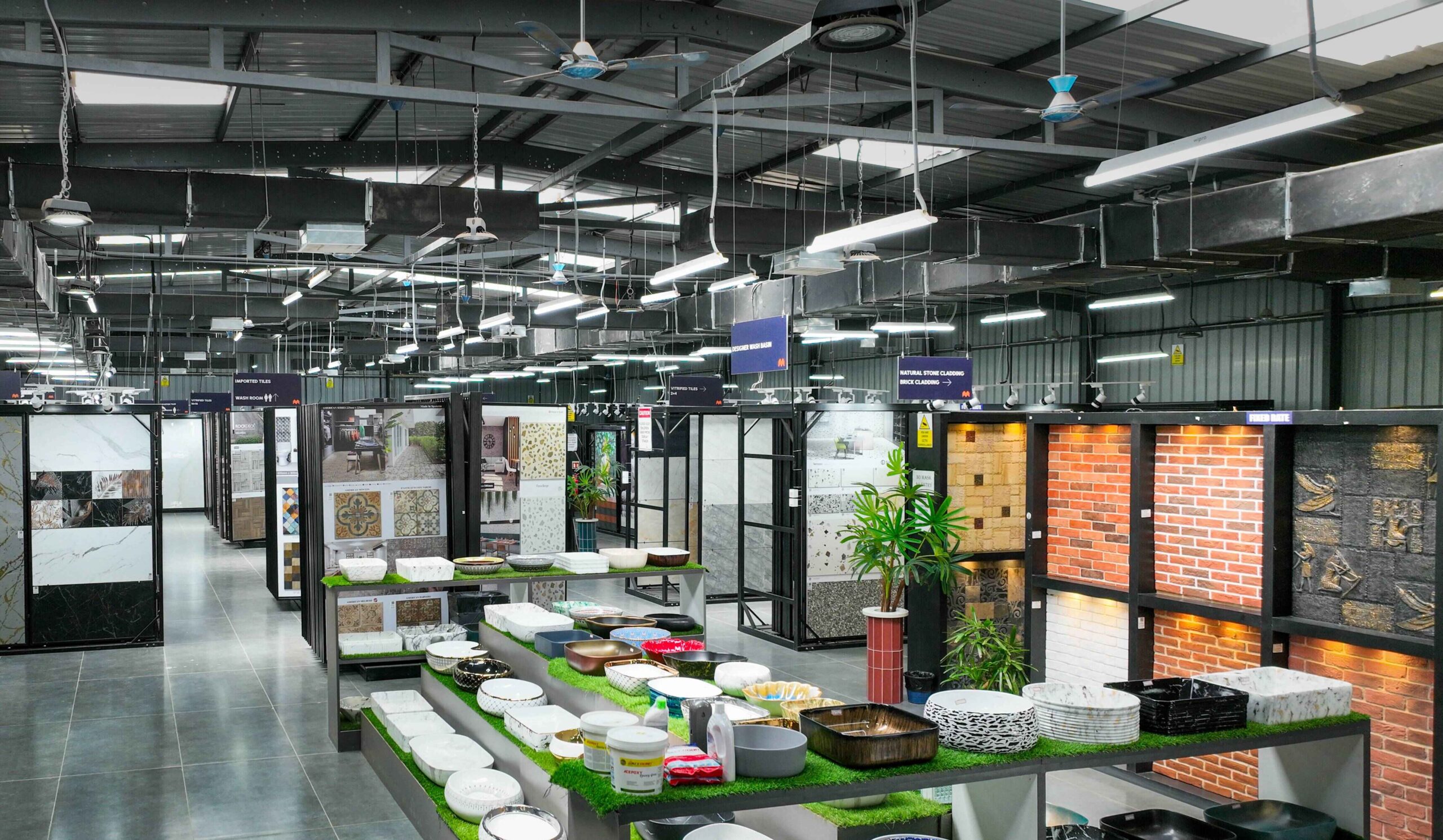

Tiles Showroom Near Me: The Best Tiles Shop in Delhi

Tiles Showroom Near Me

Tiles Showroom Near Me: The Best Tile Shop in Delhi

You have come to the right place if you are searching for a “tile shop near me” that is rich in quality, understands its varieties, and has professionals to guide you through. Our tile showroom has everything that you need for tiles. We specialise in providing innumerable types of tiles that help in creating a new space or remodelling and designing the existing space according to the style and requirements needed.

Future Stiles - Designer Tile Shop in Delhi

Future Stiles – Designer Tiles Shop in Delhi

Premium Quality Tiles

First of all, we pride ourselves on having tiles that are not only durable and beautiful but also functional. Our lying collection is:

Future Stiles - Designer Tiles

Why Choose Our Tiles Shop?

Extensive Tile Collection

From modern and contemporary designs to timeless classics, our showroom showcases an extensive range of tiles for:

  • Floors Tiles
  • Walls Tiles
  • Kitchens Tiles
  • Bathrooms Tiles
  • Outdoor areas
  1. Expert Advice

You are assisted every inch by the friendly staff here when you are making a choice. This is to ensure that you choose the best material, the best design, and the best finish for your space.

  1. Competitive Pricing

If you feel that high quality comes with a chemist’s drip then you are mistaken. We do have prices that are competitive but do not make the mistake of thinking that it’s a low price because we skimped on quality.

  1. Convenient Location

Our showroom is perfectly positioned in the center of your city and is created in such a way that helps to eliminate the hassle when shopping.

Tiles Design for Hall
Athangudi Tiles Disadvantages

Premium Tiles

Tile Shop Near Me – Discover Premium Tiles for Every Space | Future Stiles

Are you looking for a tile shop near you that balances craftsmanship with style? Visit Future Stiles, the destination for quality tile that inspires every space. Choose from our ceramic, porcelain, handmade, Moroccan, subway, and highlighter tiles for your walls, floors, bathrooms, kitchens, and outdoor spaces.
After the initial introduction, Future Stiles offers quality tile for every interior for every style, be it modern, traditional, or a blend of the two. Whether it’s a new build or a renovation project, you can rest easy knowing our tiles are beautiful, suited for literal and visual heavy use, and will complement any space for years to come.
Come to our tile showroom in Delhi or check our new designs online. Get tiles that bring your ideas to life.
For Future Stiles, every tile embodies a unique blend of style and craftsmanship.

Floor Tiles

Floor Tiles

Future Stiles
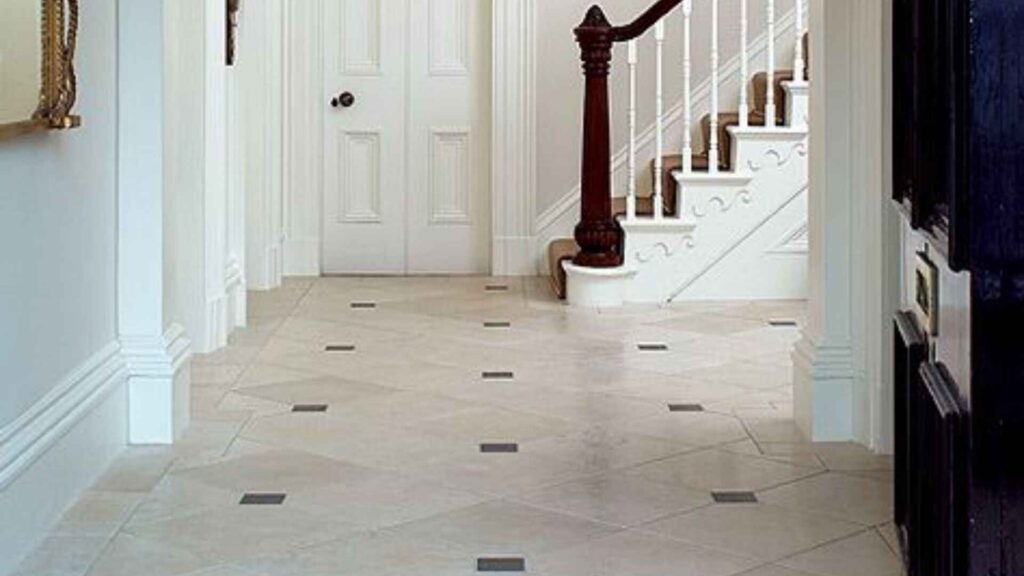
We have a wide range of options to spare so make your flooring out stand and durable with our term of floor tiles. Pick the best from: • Wood-look tiles for a warm, natural aesthetic • Stone-look tiles for a rustic charm • Sleek and polished tiles for modern interiors
Wall Tiles

Wall Tiles

Future Stiles
You can now transform your walls into works of art with our wooden wall tiles for the living room, bedroom, tilt panel, and other areas including for the bathroom, feature wall, and add sophistication to your kitchen.
Outdoor Tiles

Outdoor Tiles

Future Stiles
Our outdoor weatherproof tiles, on the other hand, will withstand temperature fluctuations while maintaining its appeal and further beautifying patios, facades, and walkways.
Custom Designs

Custom Designs

Future Stiles
Another Customised option that you cannot miss out on is our customization of tiles as per the size you desire or the design and pattern you want to indulge in.

Most Popular Products in Our Tiles Showroom

Designer Tiles

fluted tiles- designer tiles

Highlighter Tiles

Handmade tiles

Handmade Tiles

fluted tiles- designer tiles

Moroccan Tiles

Quick Form
Future Stiles - Designer Tile Shop in Delhi

Top 20 Wall Tiles Design for Outside House

Wall Tiles Design for Outside House

Top 20 Wall Tiles Design for Outside House

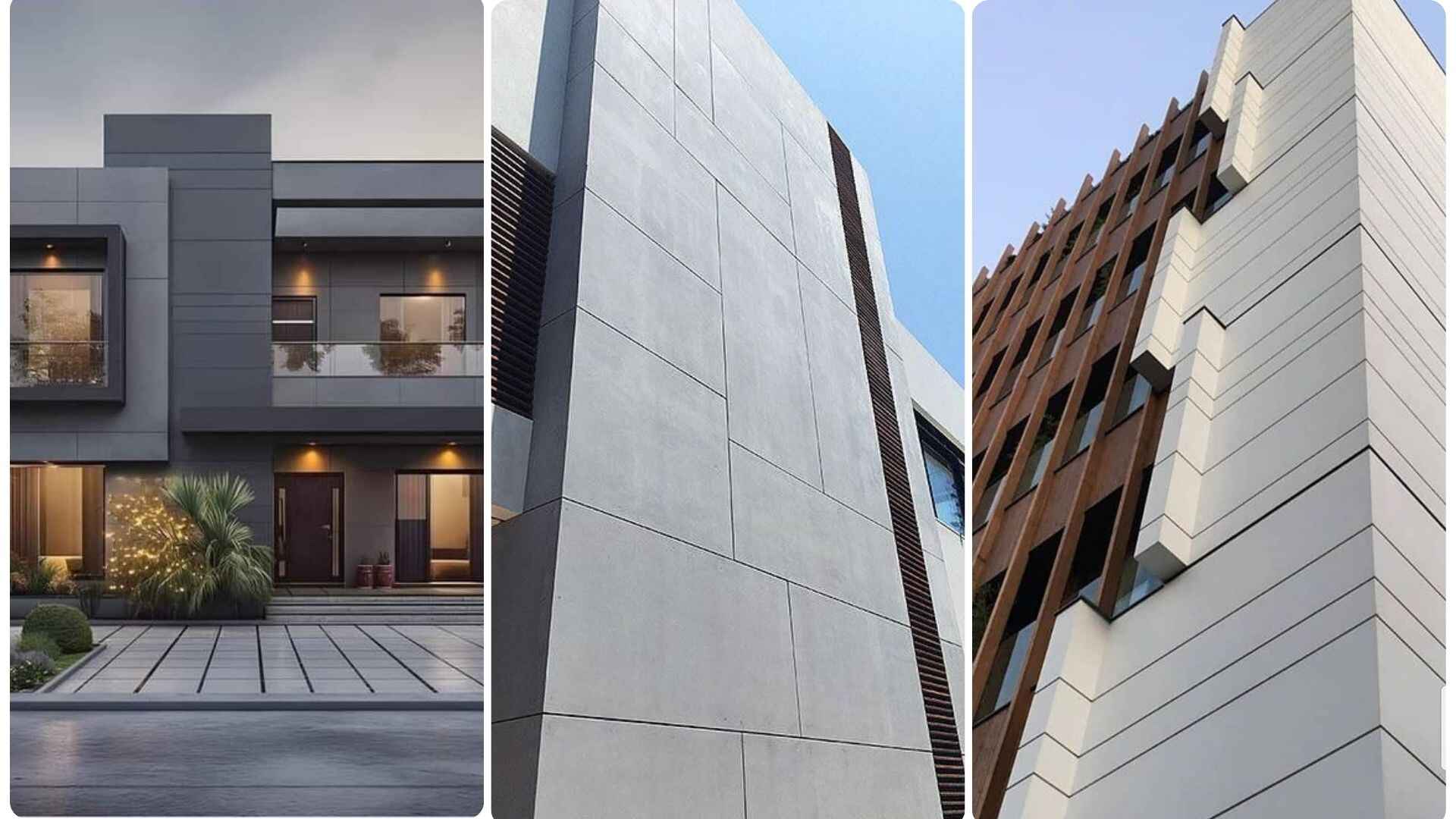
People first notice the exterior walls of a house as they enter the premises. Thus, these walls form an integral part of the aesthetic appeal of your home. Outer wall tile adds appeal and is an enduring protection against the weather. The right wall tiles can range from sleek modern to rustic and bus even adding elegance to the overall style quotient of the house.

This article examines the outer wall of houses through various available wall tile designs explaining its advantages and features, types, popular styles, and some recommendations that help in selecting the right ones to go well with the architectural design of the home.

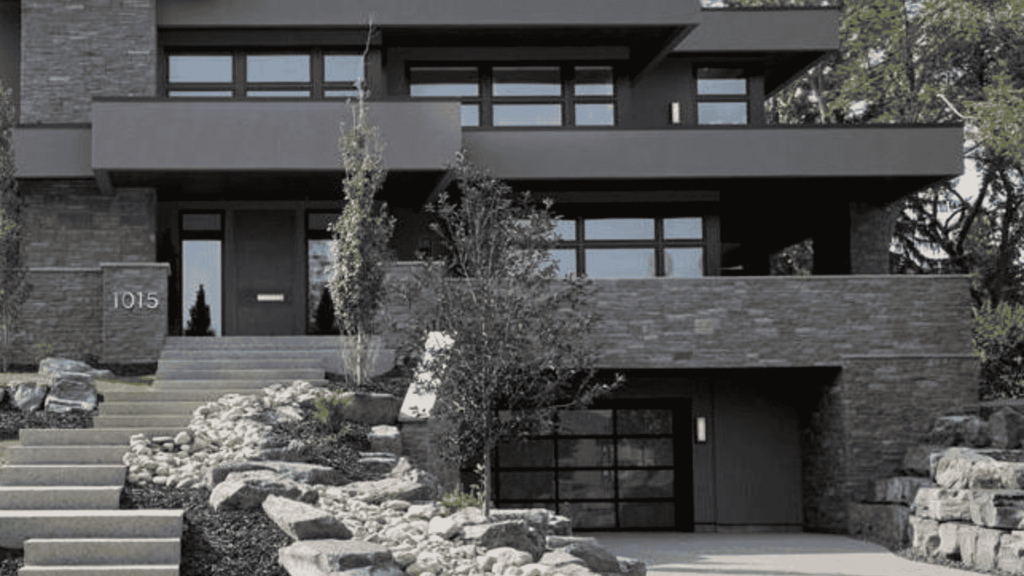
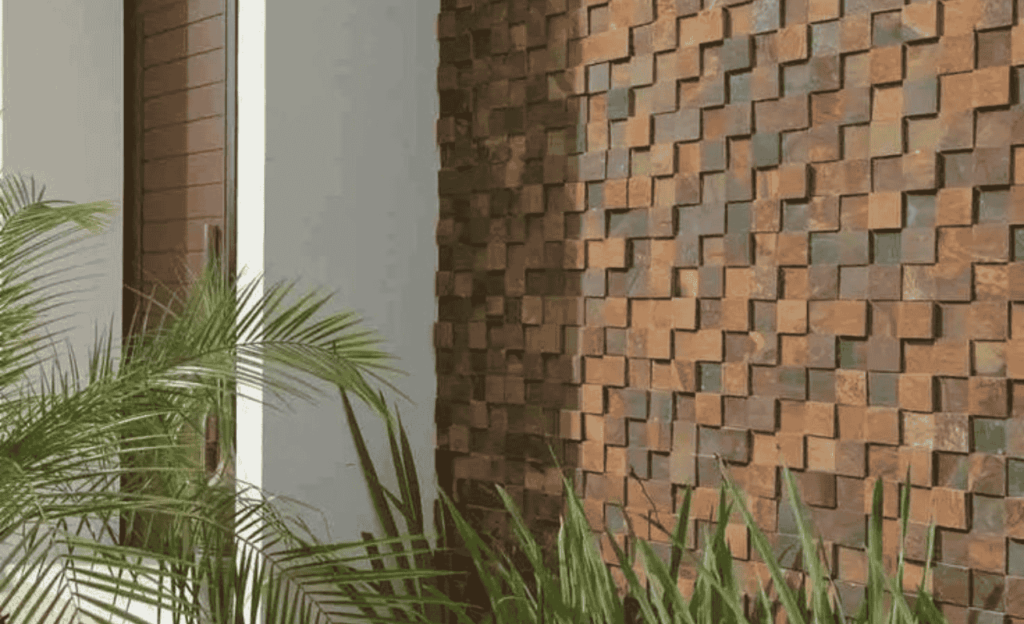
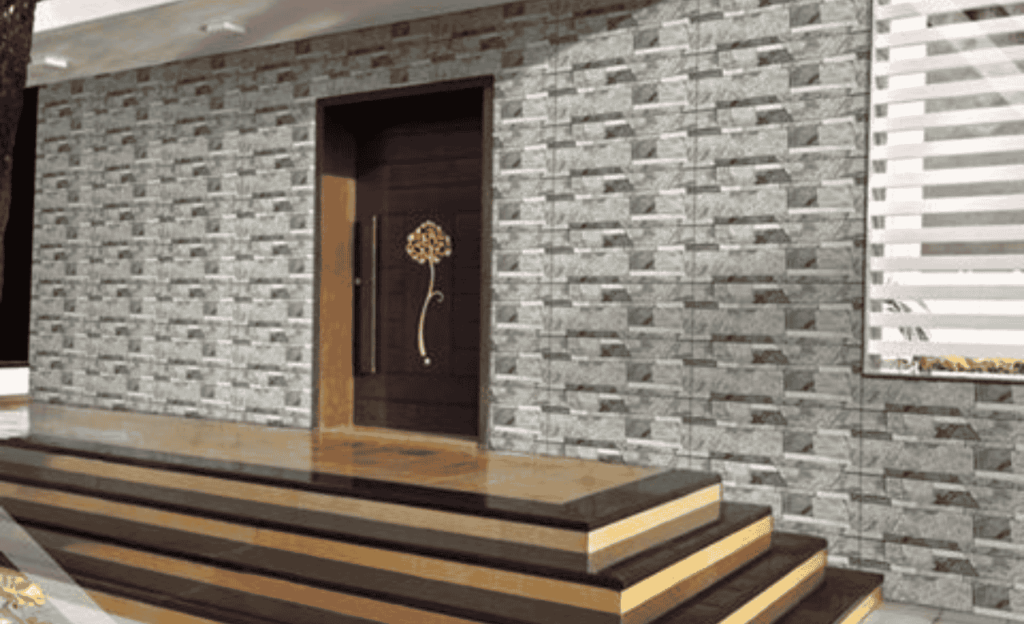
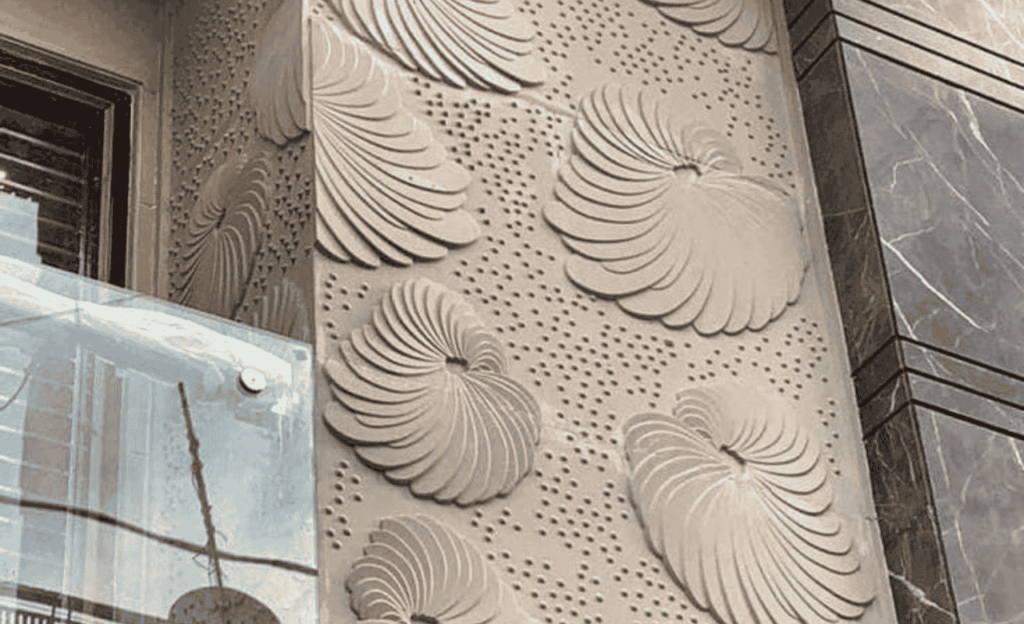
The most popular tile styles for outside walls for Indian homes are fusion of durability and aesthetics. The most common styles include, stone-finish tiles, brick-cladding, wooden-texture tiles, Moroccan, matte ceramics, granite, slate, exterior tiles with flutes, and glossy glazed tiles. For modern homes, grey, beige and charcoal are trending in textured tiles, while older designs go for traditional homes which include jali pattern, terracotta, and sandstone-look tiles. Highlight exterior tiles, 3D tiles for elevation, and rustic vintage designs make for bold statements and enhance the outside of the home. These designs improve the home’s look while withstanding the elements and give a timeless finish.

Quick Form

Don’t Wait to Impress – Connect with Us for Wall Tiles Design for Outside

Have Questions? We Have Answers. Let’s Connect

Click Here

1. Benefits of Wall Tiles for Exterior Design

There are many reasons why wall tiles for exterior design are a smart and long-lasting choice in India. They protect facades from weather like rain, snow, heat and moisture, and wall tile pollution so that the home stays standing over time. They are low maintenance, easy to clean, and stain and crack-resistant. Wall tiles improve the overall look of the home and curb appeal with affordable designs. They improve insulation and keep homes cooler in summer. They are also very cost-efficient, which makes them a better choice for modern homes, and give wall tiles for design a better overall look.

Wall Tiles Design for Outside House

The use of wall tiles for your house’s outer structure has its advantages aside from just the look. Here are some key benefits

1.1 Weather Resistance

An outer wall that is tiled can withstand tough changing weather conditions, be it rain or sunshine or frost. Tiles that are of great quality do not fade, crack, or absorb water which contributes to the tiles being of great quality.

1.2 Low Maintenance

Walls that are painted become dull and require constant repainting but walls made of tiles are hassle-free, they only require cleaning. Cleaning is easy, a wipe or wash restores the wall.

1.3 Thermal Insulation

Some of the tiles are insulating and thus aid in maintaining the moderate temperature of the indoors, they do this by limiting the amount of heat that is absorbed by the walls.

1.4 Enhanced Durability

Outdoor tiles are tough and long-lasting they easily absorb physical wear and tear as well as impacts. They guard the walls against scratches and stains easily.

1.5 Aesthetic Versatility

Wall tiles give homeowners the ability to design their exteriors in a variety of ways by providing elasticity in selecting colors, patterns, and textures that best suit their wishes.

2. Types of Wall Tiles for Exterior Use

Outdoor tiles are made with more durable and aesthetic materials that help improve outdoor spaces. Outdoor tiles, such as ceramic tiles, are cheaper and easier to take care of. Porcelain tiles are more expensive but are stronger, more weather-resistant, and more water-resistant to harsh weather conditions. Natural stone tiles are the premium choice and come in a textured granite and slate look. Terracotta tiles are a more rustic and warm choice. For a small decoration detail in outdoor walls and garden walls, mosaic tiles are the more artesian choice. Each of these outdoor tiles has different weather resistances, textures, and finishes to help the customer and designer decide on the best style and functional outdoor wall tiles for their project.

Wall Tiles Design for Outside House

To achieve the desired aesthetic look, it is essential to select the appropriate type of wall tiles. Other common styles include:

2.1 Ceramic Tiles

  • Characteristics: Lightweight, easy to install, and available in various colors and patterns.
  • Best For: Moderate climates where extreme weather conditions are not a concern.

2.2 Porcelain Tiles

  • Characteristics: Dense, non-porous, and highly durable.
  • Best For: Areas prone to extreme weather or heavy rain.

2.3 Natural Stone Tiles

  • Characteristics: Made from materials like marble, granite, slate, or sandstone, offering a rustic and organic look.
  • Best For: Traditional and luxurious exterior designs.

2.4 Terracotta Tiles

  • Characteristics: Earthy tones with a natural, warm appeal.
  • Best For: Homes with a rustic or Mediterranean style.

2.5 Glass Mosaic Tiles

  • Characteristics: Reflective surfaces that add a touch of modern elegance.
  • Best For: Highlighting specific areas like entryways or feature walls.

2.6 Concrete Tiles

  • Characteristics: Industrial and minimalist aesthetics with excellent durability.
  • Best For: Contemporary and modern homes.

3. Popular Wall Tile Designs for Outside Homes

Most requested wall tile designs outside of homes integrate elegance, practicality, and weatherproofing. Tiles that have the appearance of stone provide facades with an everlasting and sophisticated appearance. Tiles that look like wood provide a contemporary look without the upkeep of actual wood, as well as adding a more inviting appearance. Tiles that are 3D or have patterns create a more visually captivating design and enhance the appearance of modern architectural styles. However, artistic and geometrical patterns express a more striking visual design. Bright, mosaic, and patterned tiles are used more for walls of gardens and as esthetic stir walls, whereas earthy and neutral shades are more common for a versatile, sophisticated look. These designs are more for practical purposes when considering outdoor use.

Wall Tiles Design for Outside House

3.1 Textured Tiles

  • Description: Tiles with 3D patterns or embossed designs create depth and visual interest.
  • Application: Ideal for feature walls or façades.

3.2 Brick-Look Tiles

  • Description: Mimic the appearance of traditional brick walls while offering the durability of tiles.
  • Application: Perfect for rustic or industrial-themed exteriors.

3.3 Wood-Look Tiles

  • Description: Provide the aesthetic of natural wood without the maintenance challenges.
  • Application: Suitable for homes seeking a warm and inviting look.

3.4 Geometric Patterns

  • Description: Modern and bold designs with shapes like hexagons, diamonds, or chevrons.
  • Application: Best for contemporary or eclectic styles.

3.5 Stone Veneer Tiles

  • Description: Replicate the natural beauty of stone, offering a timeless appeal.
  • Application: Great for luxurious and traditional home exteriors.

3.6 Metallic Finish Tiles

  • Description: Tiles with a metallic sheen, adding a futuristic and sophisticated touch.
  • Application: Ideal for ultramodern and cutting-edge designs.

4. Design Ideas for Exterior Wall Tiles

There are unlimited possiblities for improving the curb appeal of your home by designing the outer walls with tiles. To create a classic natural appearance, use tile imitations of stone. To achieve warmth and contemporary attractiveness, use tile imitations of wood. Smooth surfaces juxtaposed with 3D or other textures of tiles create arresting and dramatic contrasts. Geometric or patterned tiles act as accent walls that are great for showcasing entrances or outdoor living areas. For a unified appearance with the garden, use earth-tone tiles. Use landscape walls of bright tile colours or mosaics to create contrast. Exterior Wall Design is elevated by balancing character, style, and sustainability by layering construction materials, varying tile sizes, and adding outdoor illumination

Wall Tiles Design for Outside House

4.1 Feature Walls

  • To give a more dramatic contrast to a given area, use tiles that cover the entrance or patio.

4.2 Cladding

  • Cover the entire outside wall with tiles for a more polished approach.

4.3 Accent Borders

  • Use fancy tiles with prints or textures as the edge for window frames, door frames, and the rim of the roof.

4.4 Mix and Match

  • Try using different assorted tiles that complement one another and thus have a dimensional appearance, like wood grain finish tiles with brick effect tiles.

4.5 Vertical Gardens

  • For a more simplistic yet modern appeal use tiles with natural colors to surround vertical gardens.

5. Tips for Choosing the Right Pooja Room Tiles

To select the best tiles for a pooja room, one needs to consider the ideal combination of all the relevant factors, including looks, spirituality, and wearability. The selection for tiles should have softer hues, such as beige, white, and light pastels, to help create a calm atmosphere. Glossy finishes reflect light and improve the brightness of the room, while polished surfaces help to reflect light. Certain tiles are made specifically to avoid slipping, which may help improve safety during the rituals. Easy-to-clean materials such as ceramics, vitrified tiles, and porcelain are best for maintaining cleanliness. Think about different motifs to add some extra sacred design. Keep durability in mind, along with moisture resistance, particularly near sources of water. Selecting the appropriate tiles to create a calm atmosphere that can be used for meditation and prayer.

Wall Tiles Design for Outside House

5.1 Assess Your Climate

If you are in an area with substantial rainfall like many countries across Asia, a great suggestion would be to use porcelain tiles.

5.2 Match Architectural Style

Depending on whether the exterior or interior space is mellow or contemporary, it is vital that tiles coordinate with your home’s layout.

5.3 Focus on Durability

If you are getting the tiles installed in a more populated space wherein children or even adults might casually stroll around, then it is best to buy more durable tiles.

5.4 Choose Easy-to-Maintain Options

Try to opt for tiling that can be easily cleaned and looks good as well because dust and stains can be an issue in some areas. 

5.5 Play with Colors and Textures

Tym has an entertaining idea of designing the exterior surface by mixing and matching colors and textures freely.

6. Maintenance Tips for Outdoor Wall Tiles

Outdoor wall tiles need maintenance to ensure their durability and beauty. Regular cleaning with mild detergent and water is necessary to stop dirt, dust, and algae from building up on wall tiles. Avoid using strong cleaning chemicals as they can harm your tiles. Natural stone tiles need to be sealed to protect them from moisture, stains, and weathering, as moisture can cause the tiles. Check the grout lines and seal any cracks to stop water from leaking in. Remove any moss or mould as soon as you see it. Replace any loose or damaged tiles during extreme weather. Maintenance increases the beauty and performance of the outdoor wall.

Wall Tiles Design for Outside House
  1. Regular Cleaning: Tiles need to be wiped on a routine basis, even if there is no visible soiling, with diluted soap and water.
  2. Use of Harsh Chemicals: Tile textures can change and become unappealing simply from abrasive cleaning products, so they should be avoided at all costs.
  3. Cracks Detection and Repair: There might be small cracks or chips on the tile that you might miss out on seeing, so it is wise to inspect them regularly and patch them up to stop further damage from occurring.
  4. Shielding Stones: Placing a coat on the surface of the natural stone tiles helps them to last longer and overall increase their life expectancy.
  5. Stopping the Mold from Spreading: Sufficiently spaced plumbing pipes prevent mold and mildew from germinating, in addition to aiding in plenty of air circulation.

Conclusion

Wall Tiles Design for Outside House

Wall times on the exterior of your home are an elegant design that maintains practicality since it does not require much upkeep and is also strong. There are endless patterns, materials, and textures which allow you to create the desired look whether you want a rustic touch, a modern twist, or a traditional vibe. With the right selection of the tiles along with some creative architectural ideas, you can make the outside of your home look stunning and welcoming.

Top 10 Best Pooja Room Tiles Texture in 2025

Pooja Room Tiles Texture

Top 10 Best Pooja Room Tiles Texture in 2025

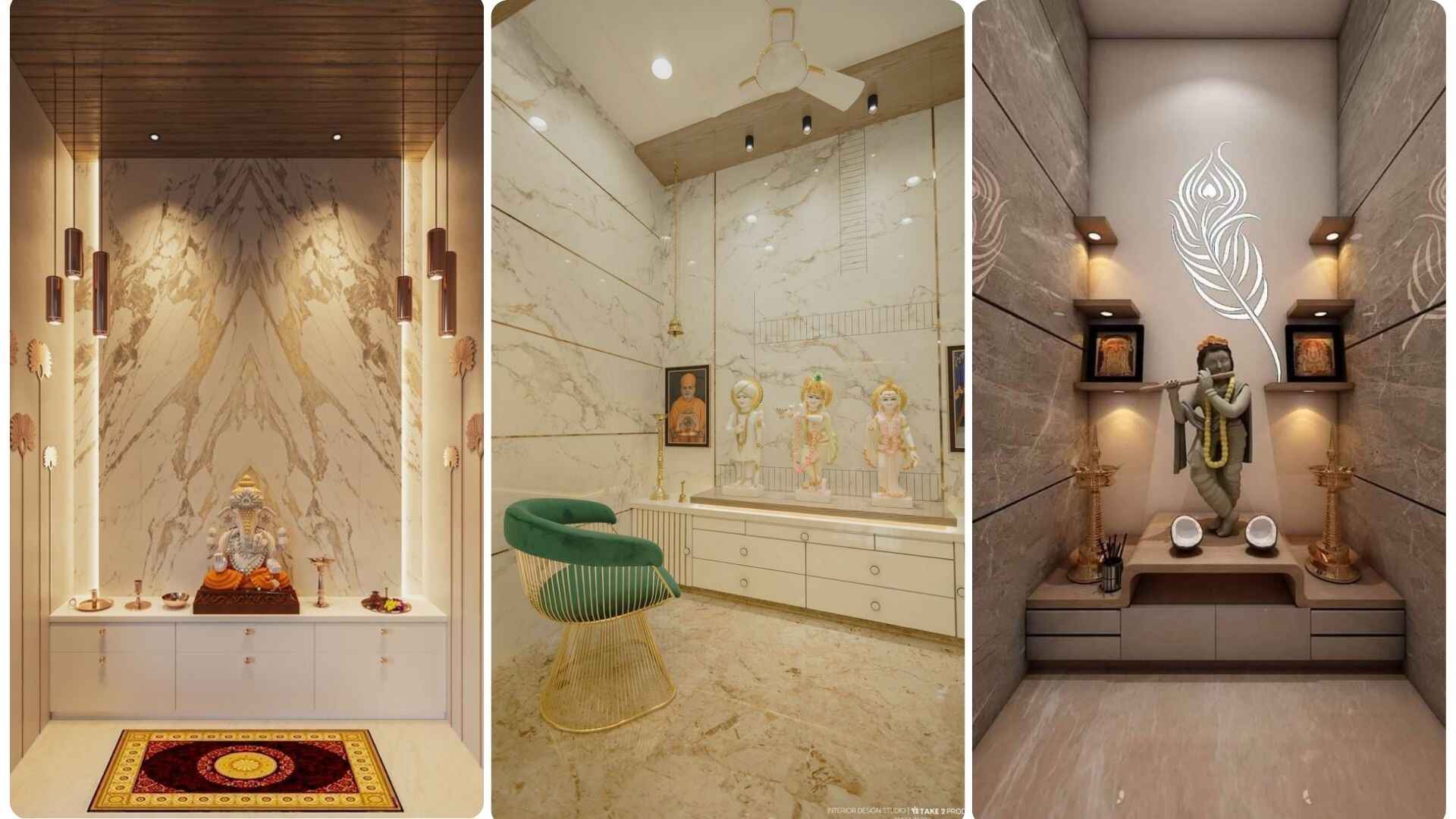
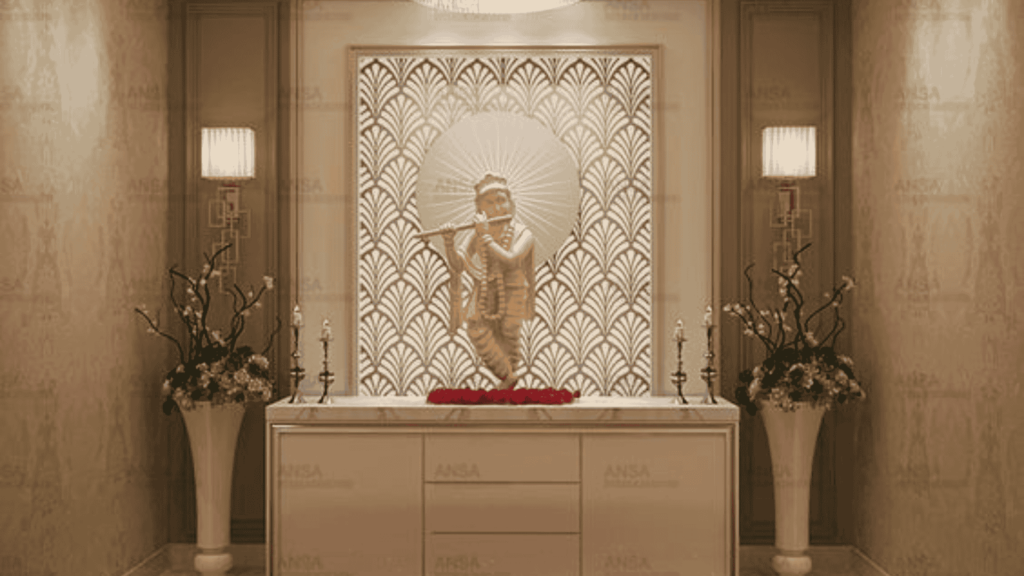
Pooja rooms in Indian homes are sacred places set aside for worship and meditation. They are places that exude a certain spiritual calmness and devotion. To accentuate these attributes, a choice of suitable textures in tiles is one of the important factors to consider. Pooja room’s tiles range from plain earthy shades to complex pooja room tiles which combine beautiful art with functionality.

In this article, we’ll address the importance of texture in pooja room tiles, the ones that are most popular, and how to choose the tiles that best suit your sacred room.

Quick Form

Don’t Wait to Impress – Connect with Us for Stylish Pooja Room Tiles

Have Questions? We Have Answers. Let’s Connect

Click Here

1. Why Tile Texture Matters in a Pooja Room

Pooja Room Tiles Texture

Decorative tiles used for coating a pooja room greatly assist in setting the proper mood within the particular room. This is the main reason behind their usage within taking out the puja room interiors:

1.1 Aesthetic Appeal

Adding textures facilitates increasing the attractiveness of the pooja room as well as drawing attention to the hoja room. It can be a flat matte covering or an embossed textured tile, all adding to the surfaces.

1.2 Spiritual Connection

Having textures made from these materials like stone or wood helps in feeling nature which in turn helps in serving the spiritual objectives of the room.

1.3 Practical Benefits

Correctly textured tiles are much easier to maintain and clean as the soaps used for cleaning do not easily stick to them and the oil, flowers, and incense fumes which because of the rituals performed and get scattered throughout the room will not easily stain them.

2. Popular Tile Textures for Pooja Rooms

Pooja Room Tiles Texture

2.1 Natural Stone Texture

  • Appearance: Smooth but not glossy, this type of clothing is simple, low-key, yet elegant.
  • Benefits: They are easy to care for and anti-slip, hence safe as well as practical.
  • Suggestions: Choose matte-finished tiles in dull hues, so that the place remains peaceful and quiet.

2.2 Matte Finish Tiles

  • Appearance: Imitates the visual appearance of marble, granite, or even sandstone
  • Benefits: Portray an elegant rustic and traditional look ideal for pooja rooms with antique furnishings.
  • Suggestions: Select roughing-out marble tiles for the walls or granite tiles for the floor that have been polished.

2.3 Embossed Patterns

  • Appearance: 3D designs such as flowers, mandalas, and religious imagery can be seen.
  • Benefits: They are beautiful and intricate thus making the pooja room more aesthetically pleasing.
  • Suggestions: Use embossed wall tiles to enhance the look of one wall to make it more attractive and put more focus on it.

2.4 Glossy and Metallic Finishes

  • Appearance: Shiny surfaces that have metals or polished elements can be observed.
  • Benefits: They are helpful because they reflect light and make the space feel large.
  • Suggestions: Rather than traditional pooja rooms, gold and silver shades could go well with modern ones.

2.5 Wooden Texture

  • Appearance: Has a similar feel to the grain of wood.
  • Benefits: Enhances the experience by adding comfort suitable for the pooja room.
  • Suggestions: Cover the floors with tiles of wood design to add a contemporary feel while maintaining a traditional one.

3. Best Tile Materials for Pooja Rooms

Pooja Room Tiles Texture

3.1 Ceramic Tiles

  • Strong, inexpensive, and comes in a range of styles and designs.
  • Works well on both surfaces: walls and floors.

3.2 Porcelain Tiles

  • Provides protection from dampness and stains making it appropriate for pooja rooms where liquids like water or oil are used.
  • Provides exceptional strength and a classy appearance.

3.3 Natural Stone Tiles

  • Includes marble, granite, or sandstone which are all natural stones and have a rich natural look.
  • Potentially more costly in terms of upkeep but exquisite.

3.4 Glass Mosaic Tiles

  • Brings on board vibrancy and artistry through elaborate features.
  • Can be ideally applied as an ornamental accessory on feature walls or holy shrines

4. Design Ideas for Pooja Room Tile Textures

Pooja Room Tiles Texture

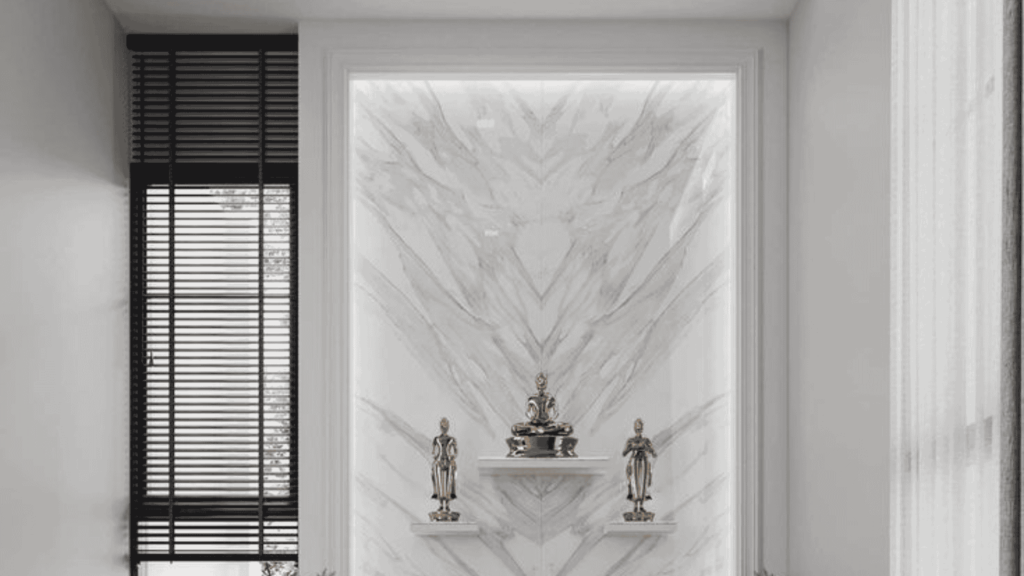
4.1 Feature Wall with Textured Tiles

Use embossed and glazed tiles as perfect backdrops for praying idols or altars. Such tiling designs would help to directly focus the attention of the people on the selected section of the room while enhancing the sanctity of the space.

4.2 Flooring with Matte or Stone-Look Tiles

Neutral copper matte to soft matte tiles are great selections to make flooring of the pooja room as they create a soothing effect to enhance a cozy appeal of the space.

4.3 Border Accents

Textured tiles are great as border tiles on walls or floors to give a hint of beauty for instance using a border of metallic tile creates a contrast that captivates the eye but does not dominate the rest of the pattern.

4.4 Ceiling Tiles

Embellish the ceiling with decorative tiles which are rich in texture or embossed designs. It produces a dome-like effect that is found in temple architecture.

4.5 Mandala or Religious Symbols

Consider using customized tiles embedded with embossed mandalas or images signifying the religious sentiments of the room.

Pooja Room Tiles Texture

5. Tips for Choosing the Right Pooja Room Tiles

5.1 Focus on Color Palette

Pick the colors that resonate with the theme of the entire pooja room while offering a soothing environment. For piloting a serene look, the use of earthy tones, white, gold, and pastel colors could work wonders.
5.2 Prioritize Durability

Be ready to purchase tiles that can resist the wear and tear of performing rituals which would include water, oil, and incense use.

5.3 Match the Overall Decor

The tile texture should also be in line with the theme of your house. For instance, a modern home would require a sleek look with glossy tiles, while a classical one would prefer tones with natural stone textures.

5.4 Easy Maintenance

Choose tiles that do not take a lot of time to clean especially in a room where rituals may lead to spillage or stains.

5.5 Budget Considerations

Set a maximum limit and look for tiles in that range. Usually, ceramic and porcelain tiles do not cost a fortune while at the same time do not lack aesthetic appeal.

6. Maintenance of Pooja Room Tiles

Pooja Room Tiles Texture
  • Regular Cleaning: Use a damp mop to clean surfaces that are likely to build residue due to oil or incense burning regularly.
  • Avoid Harsh Chemicals: Avoid the use of abrasive cleaners so as to not damage the texture or sheen of the tiles.
  • Periodic Polishing: Lacquered or metal-like tiles should be polished from time to time to maintain their attractive features.
  • Grout Care: Ensure any colored grout between tiles is kept clean and free of any dirt to avoid discoloration.
  • Seal Natural Stone: If you want to use natural stone tiles, ensure to coat them with a seal top to make them resistant against stains and moisture.

Conclusion

It is important to put in the right amount of dedication and careful attention when designing pooja room, it is a holy space after all. Choosing the right tile textures can help achieve a peaceful environment, and a divine one for that matter. Whether you would like to go for natural stone, metallic finishes, or wood textures, there is always a tile option for any look one wishes to achieve. This concept changes the pooja room into tranquillity and beauty, and so much more, just explore the possibilities.

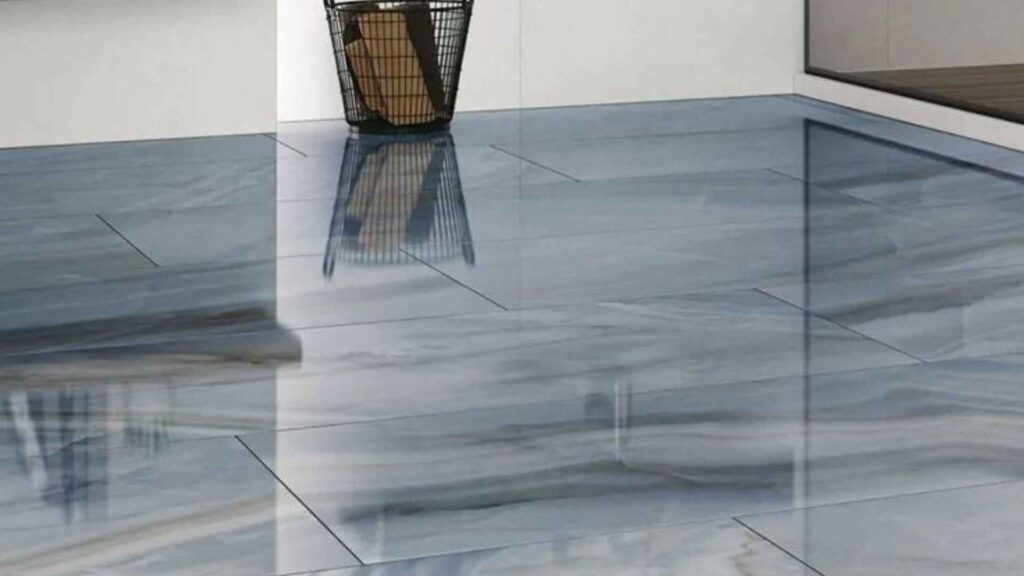
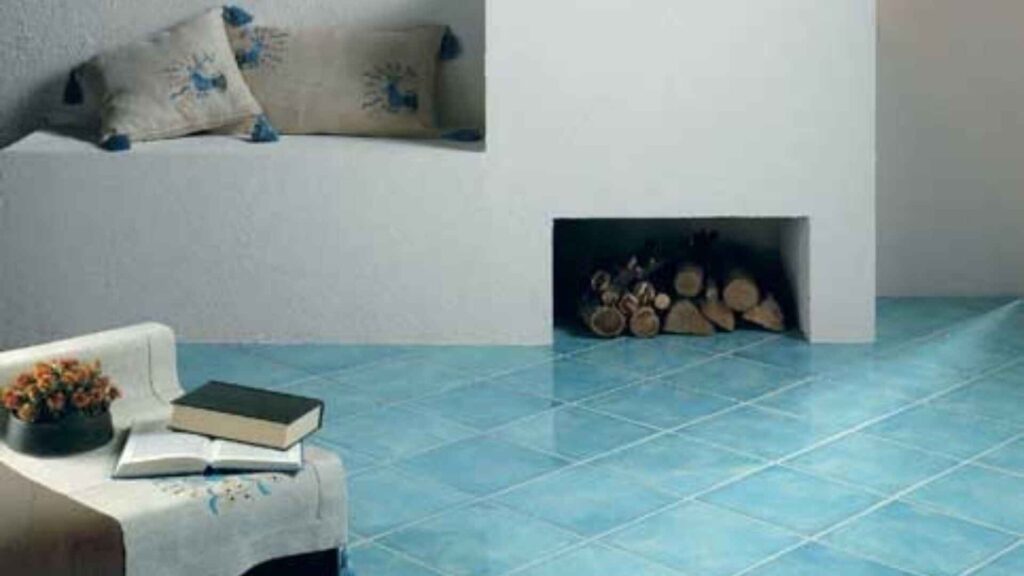
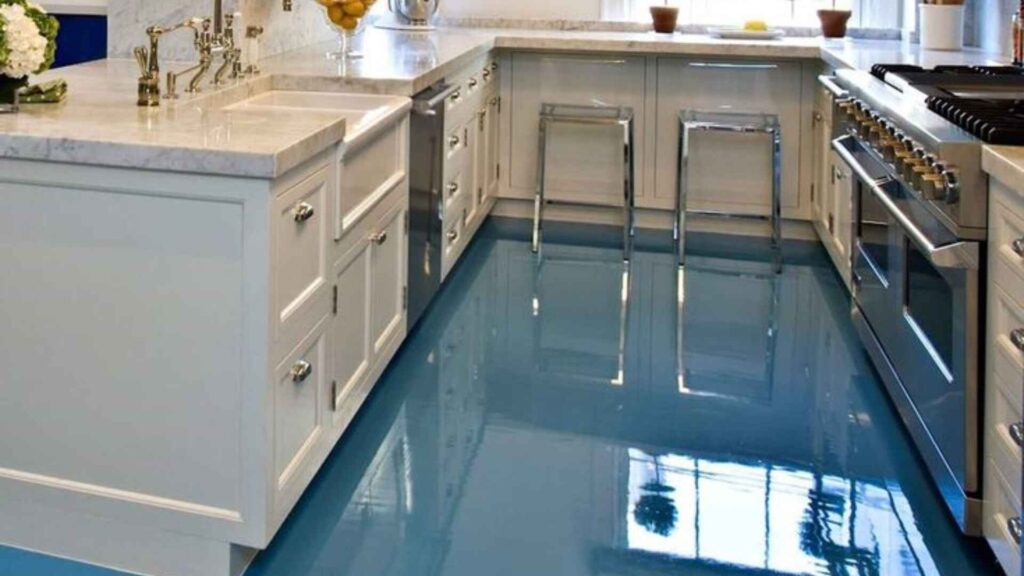
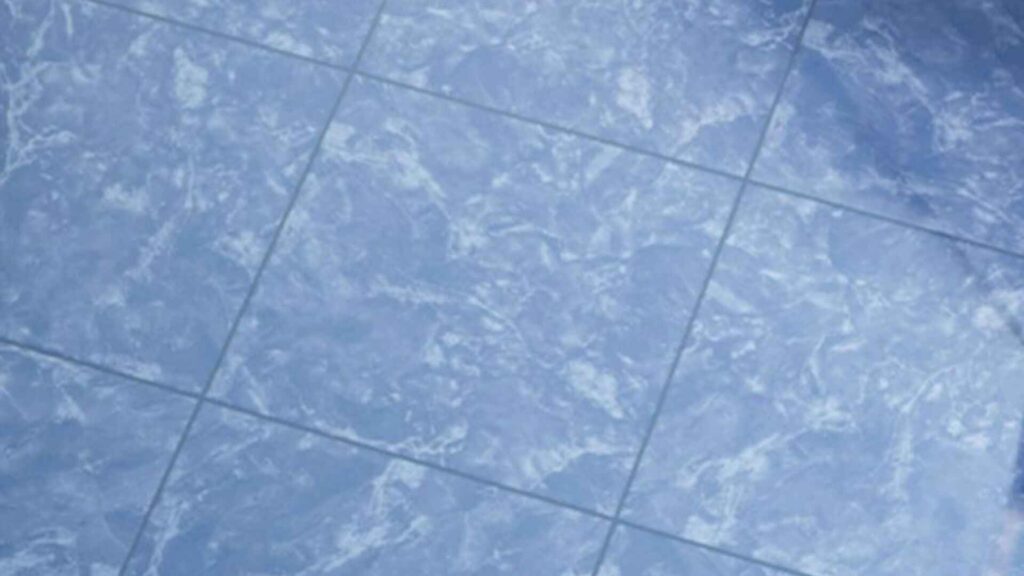
Top 50 Ceramic Light Blue Floor Tiles Designs

Ceramic Light Blue Floor Tiles

Top 50 Ceramic Light Blue Floor Tiles Designs

In the world of interior design, ceramic light blue floor tiles provide a classy, elegant, and mature finish. They are ideal designs for any home space as they evoke calmness and beauty. In the article below, we elaborate on the qualities of light blue ceramic tiles and explain further on their uses and how to incorporate them within your interior design.

Quick Form

Don’t Wait to Impress – Connect with Us for Stylish Light Blue Floor Tiles

Have Questions? We Have Answers. Let’s Connect

Click Here

1. Why Choose Ceramic Light Blue Floor Tiles?

Ceramic Light Blue Floor Tiles

1.1 Aesthetic Appeal

Ceramic light tiles can promote a feeling of tranquillity and calmness due to their soft and muted light blue colours. Such elegance can suit any room whether it be the kitchen, living room or the bathroom because it adds class regardless of the theme.

1.2 Durability

Kitchens, bathrooms and hallways are some of the busiest spaces in a home and therefore require materials that do not easily wear and tear. Hence, using ceramic tiles for these busy spaces is wise as they are durable and long-lasting.

1.3 Low Maintenance

Cleaning and maintaining light blue ceramic tiles should not be a hassle either due to its texture and smoothness. Because of them being stain resistant, a simple wipe or mop should keep the tiles sparkling and new looking.

1.4 Versatility

Light blue tiles also come in different sizes, patterns, and finishes so they can be utilized in different spaces.

2. Applications of Ceramic Light Blue Floor Tiles

Ceramic Light Blue Floor Tiles

2.1 Living Rooms

Incorporating a light blue hue on tiles, trays, or even planters can make your living room feel breezy and calm. Add neutral furniture along with soft lighting and you get an elegant design.

2.2 Kitchens

The use of light blue tiles in a kitchen compliments the other fixtures in there and it also has decorative purposes. Light blue tiles also go very nicely with white or grey cabinets.

2.3 Bathrooms

Bath ennui is taken care of by the tranquil hue of a light blue. Flooring in damp places is likely to undergo a lot of wear and tear, but ceramic tiles resist water and mold remarkably well.

2.4 Outdoor Spaces

Porches and balconies can be adorned with glazed ceramic tiles in light blue and the areas will look more brightened up. Their strength also ensures they hold up pretty well against the elements and keeps its charm.

2.5 Commercial Spaces

Light blue colored tiles seem right for retail outlets, cafes, or offices. Light blue tiles are likely to give an open and welcoming feel to the space rather than making it closed and dense.

3. Design Tips for Light Blue Ceramic Tiles

Ceramic Light Blue Floor Tiles

3.1 Pairing with Other Colors

  • Neutral Tones: Light blue pairs beautifully with whites, greys, and beiges for a classic and clean look.
  • Bold Accents: Add drama with darker shades like navy or charcoal for a striking contrast.
  • Warm Colors: Use yellows or oranges to create a cheerful and lively atmosphere.

3.2 Playing with Patterns

Add in some patterned tiles or mix in some mosaics with light blue tiles to create a diverse look. A chevron style or herringbone layout can also be appealing to the aesthetic.

3.3 Adding Texture

Ceramic tiles do not have any harmful chemicals and are made out of natural resources. Also, they are non-porous which helps in preventing the breeding of bacteria making it very hygienic.

4. Benefits of Ceramic Light Blue Floor Tiles

Ceramic Light Blue Floor Tiles

4.1 Hygienic and Eco-Friendly

Ceramic tiles are definitely one of the most cost effective options when looking at flooring alternatives. Their low price coupled with being durable will help your savings considerably in the future.

4.2 Cost-Effective

When compared to other types of flooring, it is quite evident that ceramic tiles give the best value for one’s money. Their cheap price and durability provide great savings in the long run.

4.3 Temperature Regulation

Furthermore, ceramic tiles reduce the temperatures on the floors for warmer regions, thus creating a comfort in the end user’s house.

Ceramic Light Blue Floor Tiles

5. How to Maintain Ceramic Light Blue Floor Tiles

  1. Regular Cleaning: Sweep or vacuum the tiles to remove dust and dirt.
  2. Mop Weekly: Use a mild cleaning solution to maintain their shine.
  3. Avoid Harsh Chemicals: Stick to non-abrasive cleaners to prevent damage.
  4. Grout Maintenance: Clean grout lines periodically to keep them looking fresh.
  5. Address Chips Promptly: Repair any chips or cracks to avoid further issues.

6. Choosing the Right Ceramic Light Blue Floor Tiles

Ceramic Light Blue Floor Tiles

6.1 Size and Shape

  • Larger tiles create a seamless look, making rooms feel more spacious.
  • Smaller tiles or mosaics work well in intricate designs or smaller areas.

6.2 Finish

  • Matte Finish: Ideal for a subtle and understated look.
  • Glossy Finish: Enhances light reflection and adds a touch of luxury.

6.3 Slip Resistance

For wet areas, opt for slip-resistant tiles to ensure safety.

Conclusion

Ceramic Light Blue Floor Tiles

Ceramic light blue floor tiles is both functional and aesthetic and can breathe life into any space. Sound proofing a master room, or an artistic air in the kitchen, or an functional office space, tiles such as this one offers a lot more than just good looking. Durable, easy to maintain and time tested ideas like ceramic light blue tiles are a promising way to beautify your space while enhancing its functional benefits as well. Take a look at this classy option and bring your design to reality.

Athangudi Tiles: History, Designs, Modern Styles & Athangudi Tiles Price Guide (2026)

Athangudi Tiles Disadvantages

Athangudi Tiles – History, Price, Designs & Modern Athangudi Tiles

India’s most exquisitely crafted hand-made tiles, Athangudi tiles, display exceptional artistry, colour, and intricate design. Over time, many different artistic styles have flourished, but today, we focus on tiles made from the Chettinad district, Athangudi village, located in the southern Indian state, Tamil Nadu. For centuries, palaces, temples, and homes have utilized the artistic skills of craftsmen from the region, allowing their tiles to earn their right to be called masterpieces.        

Modern Athangudi tiles still retain their original style via their design, while meeting the demands of today by using an ecologically sound manufacturing process; their design incorporates colour and geometric patterns, all the while being extremely durable.

This guide will detail contemporary Athangudi tiles, their styles and designs, pricing, and of course, their history.

Quick Form

Don’t Wait to Impress – Connect with Us for Stylish Athangudi Tiles

Have Questions? We Have Answers. Let’s Connect

Click Here

What Are Athangudi Tiles?

Athangudi Tiles Disadvantages

In Sivaganga district of Tamil Nadu’s Chettinad region, lies the small village of Athangudi, known for its production of Athangudi tiles, which are handcrafted decorative tiles. Athangudi tiles consist of sand, cement, and natural colors, and are made by placing molds and glass plates on a mixture to create a smooth and glossy finish.

Each Athangudi tile is made using only traditional, age-old techniques. Whereas modern day ceramic tiles are made by machines, these tiles do not see a single machine during the production process. Each tile is made by hand, and is therefore different and even more impressive.

Additionally, no kilns are used in the production process. This makes the process of making these tiles sun-dried, which is a great alternative of making tiles in a more environmentally harmful and energy-consuming way.

In modern design and decor, Athangudi tiles are a great way to achieve a vintage or retro aesthetic, and are therefore used in:

  • Courtyards and verandas
  • Flooring in traditional homes
  • Heritage buildings
  • Boutique hotels and resorts
  • Contemporary interiors with a vintage or retro touch

Their aesthetic and artistic finish and cement use in the production process.

Athangudi Tiles History

Athangudi Tiles Disadvantages

Over five centuries, the making of the Athangudi tiles has developed along with the ancient architectural legacy of the Chettinad area of Tamil Nadu, South India, making it one of the oldest, if not the oldest, Indian tile making traditions.

The Beginning of the Chettinad Tiles

The Chettinad region was, and to an extent still is, the home of the Chettiar traders, an ethnoreligious group of people with a documented history of being wealthy and connected traders throughout Southeastern Asia. Because of their settlements there, the Chettinad region is dotted with lavishly constructed mansions. The merchants also needed special tiles to beautify their interiors.

At first, Chettinad received many tiles from European and Japanese countries. However, a significant number of the tiles, due to their fragility, arrived broken. This state of affairs stimulated a tile-making market in the Athangudi village, which from then on began the unique production of Athangudi tiles.

Popularity and Spread of the Craft

Athangudi Tiles Disadvantages

The spread of the tile-making industry in the Athangudi village was very rapid. It led to a phenomenon where all, or at least most, of the families in the village recruited the service of their children to pass it on to the next generation.

At the present time, most of the tile making factories still practice their artisanal production and still do it in a style that was traditional to the time of their founding.

The tiles soon became a defining element of Chettinad architecture and were widely used in:

  • Heritage mansions
  • Temples
  • Public buildings
  • Traditional houses

Their popularity gradually spread across India and even internationally.

How Athangudi Tiles Are Made

Athangudi Tiles Disadvantages

Athangudi tiles are produced using a complicated and extensive process involving many steps and skilled labour.

Step 1: The Frame

An iron mod frame is laid on top of a glass sheet. The glass sheet will give the tile a nice glass finish.

Step 2: The Pattern

The coloured pigment is poured into the frame to make a geometric or floral design.

Step 3: The Concrete

A mixture of cement, sand, and water is poured over the pigment.
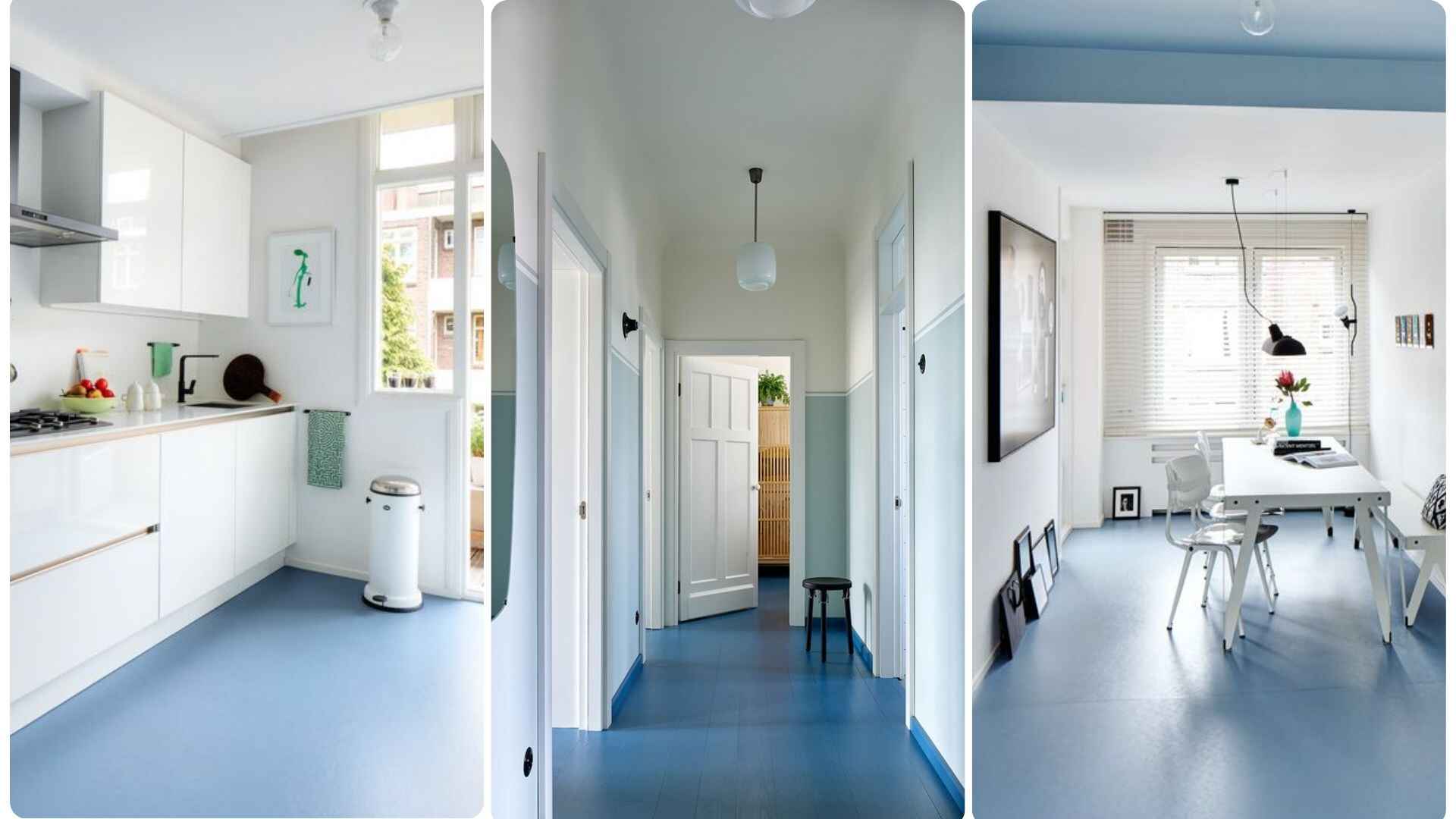
Step 4: The Set

The tile will set for a few minutes and the frame must be removed carefully.
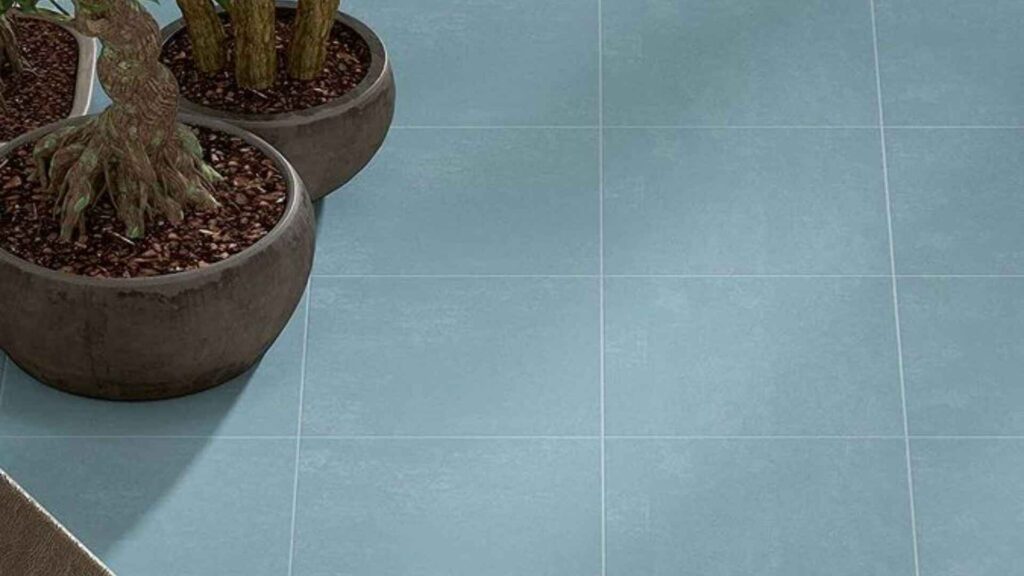
Step 5: The Sun

Tiles are not fired in a kiln; instead, they are put in the sun to dry.

Step 6: The Polish

Tiles are polished to finish the process.

This process is done by hand, and so each tile is unique.

Athangudi Tiles Designs

Athangudi Tiles Disadvantages

A major reason people are drawn to Athangudi tiles is the dizzying number of designs available. These tiles are known for their bright and varied designs, ranging from simple geometric shapes to complex and intricate traditional designs.

Some of the most common designs of Athangudi tiles include:

  1. Geometric Shapes

Of all the possible designs available, geometric shapes are the most used. You may commonly find geometrical designs such as squares, diamonds, and stars, arranged in an intricate and symmetrical fashion.

  1. Floral Patterns

From nature, and particularly the world of botany, the floral pattern is perhaps the most used in Athangudi tiles. You can find floral designs of decorated borders as well as leaves.

  1. Chettinad Traditional Patterns

The region of Chettinad is known for bold patterns and symmetrical arrangements. Athangudi tiles feature many such designs, and generally pay homage to the heritage of that particular region.

  1. Border Designs

Athangudi tiles are often used with decorative borders to frame flooring areas.

  1. Personalised Arrangements

Artisans can also create arrangements based on how customers would like their tiles to be.

Some of the most common color patterns include:

  • Red and Black
  • Yellow and Green
  • Blue and White
  • Grey and Cream

These combinations are bright and create beautiful, enhanced spaces.

Modern Athangudi Tiles

Athangudi Tiles Disadvantages

Though it’s true Athangudi tiles started as a product of tradition, they have now evolved to fit the mold of modern construction.

These tiles have made their way into the arsenal of tools available to interior designers, and have allowed them to craft distinct and sophisticated interiors.

Uses of Athangudi Tiles in Interior Design

Today, Athangudi tiles can be seen in various modern interiors. Some of these are:

  • Living rooms
  • Kitchens
  • Courtyards
  • Restaurants and cafes
  • Boutique hotels
  • Luxury villas

When combined with other materials, like wood, marble, and concrete, they allow for a more contemporary feel to the space.

Current Trends in Athangudi tiles

  • Modern homes with simple, clean lines.
  • Palettes of soft, pastel colors.
  • Flooring that features large, eye-catching patterns.
  • Floors that have a combination of Athangudi tiles and marble or stones.
  • More emphasis on certain areas of the floor.

By fusing modern design with traditional artistry, Athangudi tiles have secured their place in the hearts of designers.

Athangudi Tiles Price

Athangudi Tiles Disadvantages

Athangudi tiles are more affordable in comparison to other premium flooring options. Their pricing is based on design intricacies, size, and the level of customization.

In India, Athangudi tiles are priced as follows:

Tile Type Estimated Pricing

Basic Athangudi Tiles ₹70 – ₹120 per sq ft

Standard Pattern Tiles ₹100 – ₹180 per sq ft

Premium Handmade Designs ₹150 – ₹250 per sq ft

Custom Design Athangudi Tiles ₹200 – ₹350 per sq ft

The prices will differ based on the manufacturer, design, and cost of transportation.

Despite being handmade, Athangudi tiles are considered a cost-effective flooring option compared to marble or imported tiles.

Advantages of Athangudi Tiles

Athangudi Tiles Disadvantages

The following advantages make Athangudi Tiles stand out from other types of tiles.

  • They Are Environmentally Friendly

The materials used for these tiles are sourced from nature. Vertical sun-drying also saves energy!

  • Tiles Are Made By Hand

Having each tile made by hand gives these tiles their own unique look, so no two are alike.

  • They Have A Long Life Span

The longer Athangudi Tiles are used, the stronger and shinier they become.

  • Minimal Cleaning Is Needed

The tiles are easy to maintain. Regular cleaning with plain water would suffice.

  • Tradition And Culture

The tiles exhibit ancient Indian artisanry and culture.

Where to use Athangudi Tiles Site uses of the tiles include:

Athangudi Tiles Disadvantages
  • Living Area
  • Bedsitter
  • Courtyards
  • Verandas
  • Heritage Homes
  • Hotels
  • Cafes and Restaurants

Heritage restoration works and luxury villas that take inspiration from traditional designs are their most common uses.

Athangudi Tiles vs Modern Tiles

Athangudi Tiles Disadvantages

Feature

Athangudi Tiles

Modern Tiles

Manufacturing

Handmade

Machine made

Material

Cement and sand

Ceramic, porcelain

Design

Traditional patterns

Modern prints

Production

Sun-dried

Kiln-fired

Uniqueness

Each tile unique

Mass produced

While modern tiles offer uniformity, Athangudi tiles provide authenticity and heritage charm.

Future of Athangudi Tiles

Athangudi Tiles Disadvantages

The revival of interest in sustainable materials and traditional crafts has been a boon to Athangudi Tiles.

Athangudi Tiles are now being touted by many designers and architects as a sustainable, artistic alternative to mass-produced tiles.

Authenticity and reputation of Athangudi Tiles are to be protected through efforts aimed to get Geographical Indication (GI) status.

With increasing awareness about traditional craftsmanship, the future of Athangudi tiles looks promising.

Conclusion

More than a mere flooring option, Athangudi tiles offer a glimpse into India’s rich history and artisanal expertise. Athangudi tiles come from the Chettinad region of Tamil Nadu, where, for hundreds of years, these tiles have been made using age-old techniques of tile manufacturing.

The use of a wide array of colors, combinations, and designs, along with an eco-friendly manufacturing process, show that Athangudi tiles marry culture and utility seamlessly. Nowadays, heritage homes aren’t the only place where these tiles are found — they also adorn the spaces of contemporary architecture.

Athangudi tiles infuse beauty and elegance into a space. Whether the project is a traditional Indian home, a modern European space with vintage aesthetics, or a high-end American design, Athangudi tiles offer rich design and flooring options.

Home
Catalogue
Contact Us
Showroom
Gallery