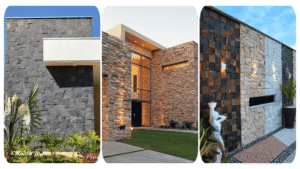
Future Stiles is a relatively new player in the tile industry, but it has quickly gained recognition for its innovative and modern designs. The brand focuses on merging cutting-edge technology with artistic craftsmanship to create unique and visually appealing tiles.
India’s most exquisitely crafted hand-made tiles, Athangudi tiles, display exceptional artistry, colour, and intricate design. Over time, many different artistic styles have flourished, but today, we focus on tiles made from the Chettinad district, Athangudi village, located in the southern Indian state, Tamil Nadu. For centuries, palaces, temples, and homes have utilized the artistic skills of craftsmen from the region, allowing their tiles to earn their right to be called masterpieces.
Modern Athangudi tiles still retain their original style via their design, while meeting the demands of today by using an ecologically sound manufacturing process; their design incorporates colour and geometric patterns, all the while being extremely durable.
This guide will detail contemporary Athangudi tiles, their styles and designs, pricing, and of course, their history.
Don’t Wait to Impress – Connect with Us for Stylish Athangudi Tiles
In Sivaganga district of Tamil Nadu’s Chettinad region, lies the small village of Athangudi, known for its production of Athangudi tiles, which are handcrafted decorative tiles. Athangudi tiles consist of sand, cement, and natural colors, and are made by placing molds and glass plates on a mixture to create a smooth and glossy finish.
Each Athangudi tile is made using only traditional, age-old techniques. Whereas modern day ceramic tiles are made by machines, these tiles do not see a single machine during the production process. Each tile is made by hand, and is therefore different and even more impressive.
Additionally, no kilns are used in the production process. This makes the process of making these tiles sun-dried, which is a great alternative of making tiles in a more environmentally harmful and energy-consuming way.
In modern design and decor, Athangudi tiles are a great way to achieve a vintage or retro aesthetic, and are therefore used in:
Courtyards and verandas
Flooring in traditional homes
Heritage buildings
Boutique hotels and resorts
Contemporary interiors with a vintage or retro touch
Their aesthetic and artistic finish and cement use in the production process.
Over five centuries, the making of the Athangudi tiles has developed along with the ancient architectural legacy of the Chettinad area of Tamil Nadu, South India, making it one of the oldest, if not the oldest, Indian tile making traditions.
The Beginning of the Chettinad Tiles
The Chettinad region was, and to an extent still is, the home of the Chettiar traders, an ethnoreligious group of people with a documented history of being wealthy and connected traders throughout Southeastern Asia. Because of their settlements there, the Chettinad region is dotted with lavishly constructed mansions. The merchants also needed special tiles to beautify their interiors.
At first, Chettinad received many tiles from European and Japanese countries. However, a significant number of the tiles, due to their fragility, arrived broken. This state of affairs stimulated a tile-making market in the Athangudi village, which from then on began the unique production of Athangudi tiles.
Popularity and Spread of the Craft
The spread of the tile-making industry in the Athangudi village was very rapid. It led to a phenomenon where all, or at least most, of the families in the village recruited the service of their children to pass it on to the next generation.
At the present time, most of the tile making factories still practice their artisanal production and still do it in a style that was traditional to the time of their founding.
The tiles soon became a defining element of Chettinad architecture and were widely used in:
Heritage mansions
Temples
Public buildings
Traditional houses
Their popularity gradually spread across India and even internationally.
How Athangudi Tiles Are Made
Athangudi tiles are produced using a complicated and extensive process involving many steps and skilled labour.
Step 1: The Frame
An iron mod frame is laid on top of a glass sheet. The glass sheet will give the tile a nice glass finish.
Step 2: The Pattern
The coloured pigment is poured into the frame to make a geometric or floral design.
Step 3: The Concrete
A mixture of cement, sand, and water is poured over the pigment.
Step 4: The Set
The tile will set for a few minutes and the frame must be removed carefully.
Step 5: The Sun
Tiles are not fired in a kiln; instead, they are put in the sun to dry.
Step 6: The Polish
Tiles are polished to finish the process.
This process is done by hand, and so each tile is unique.
Athangudi Tiles Designs
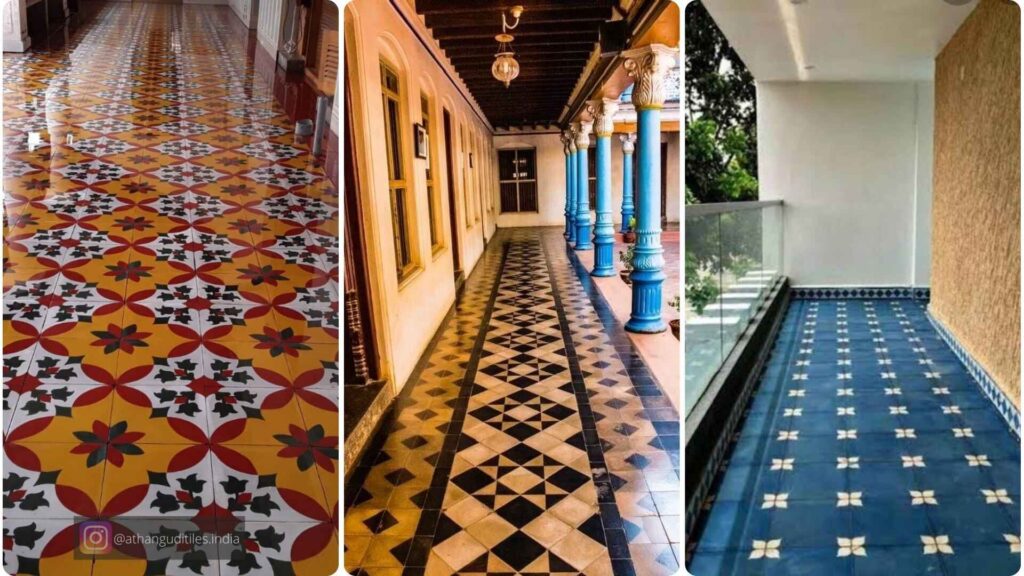
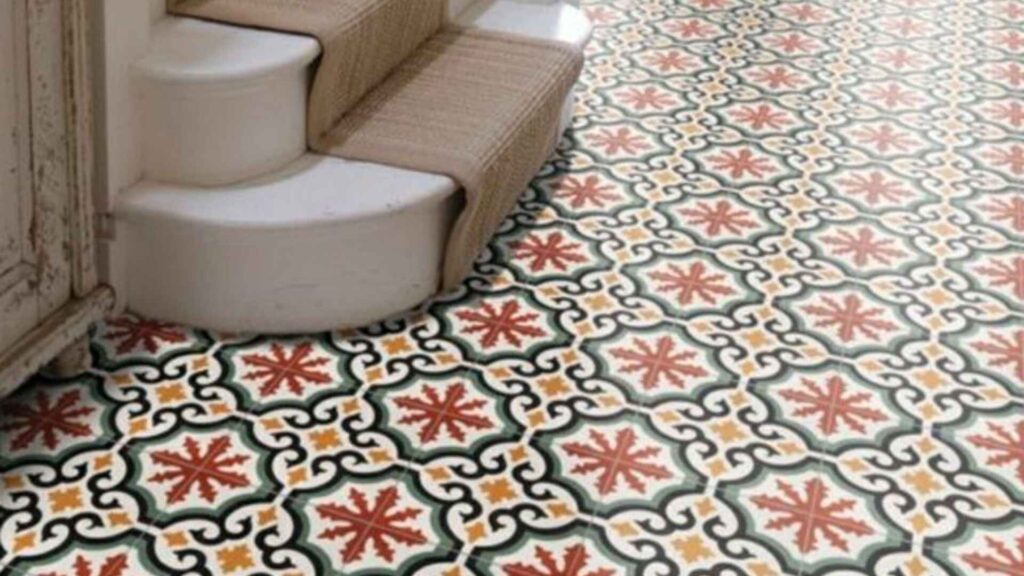
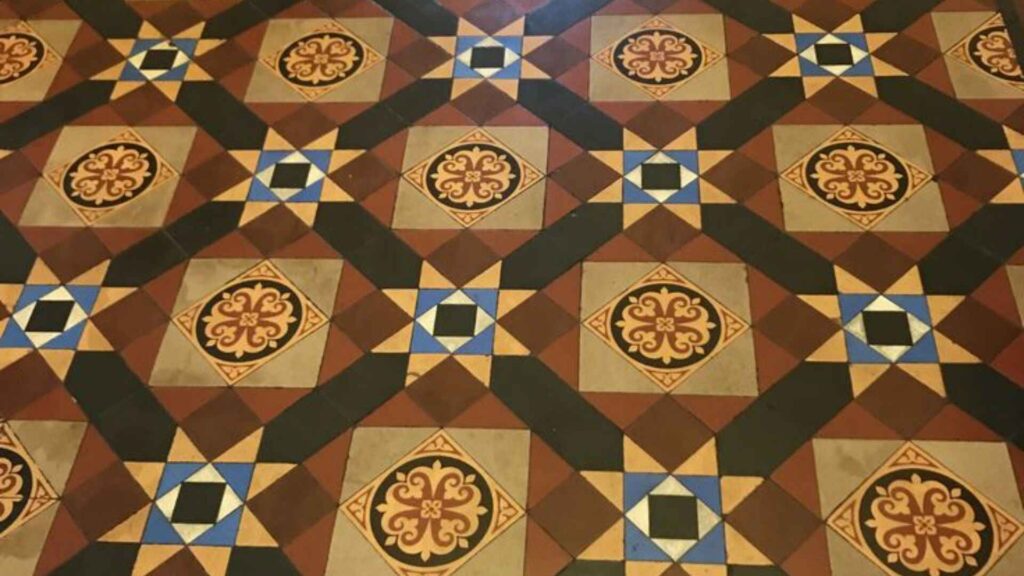
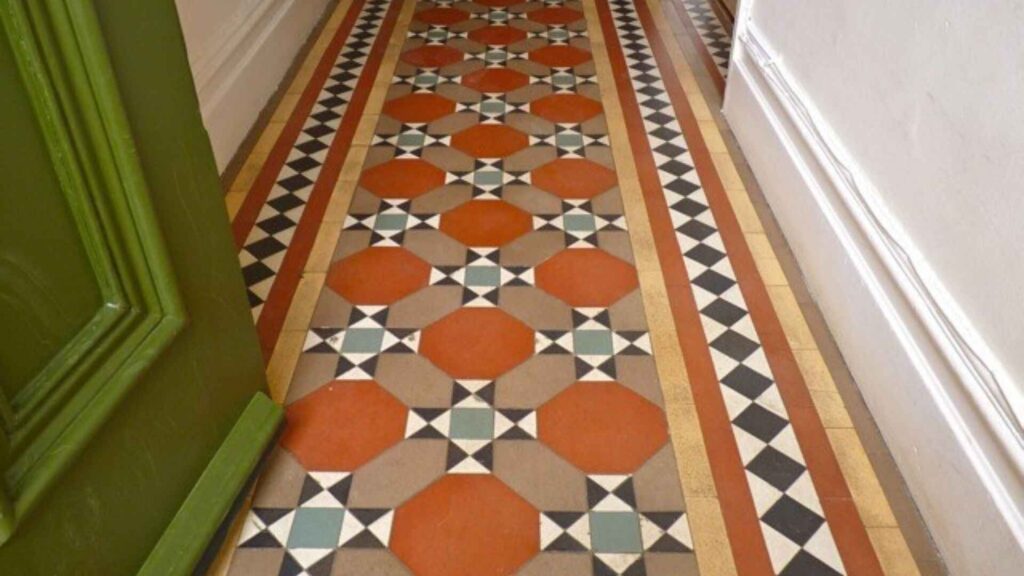
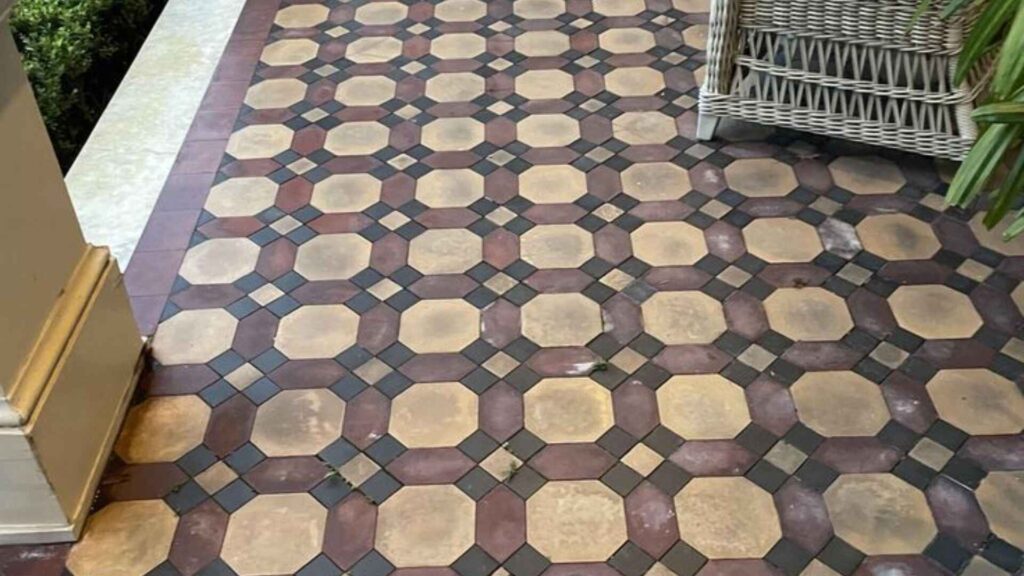
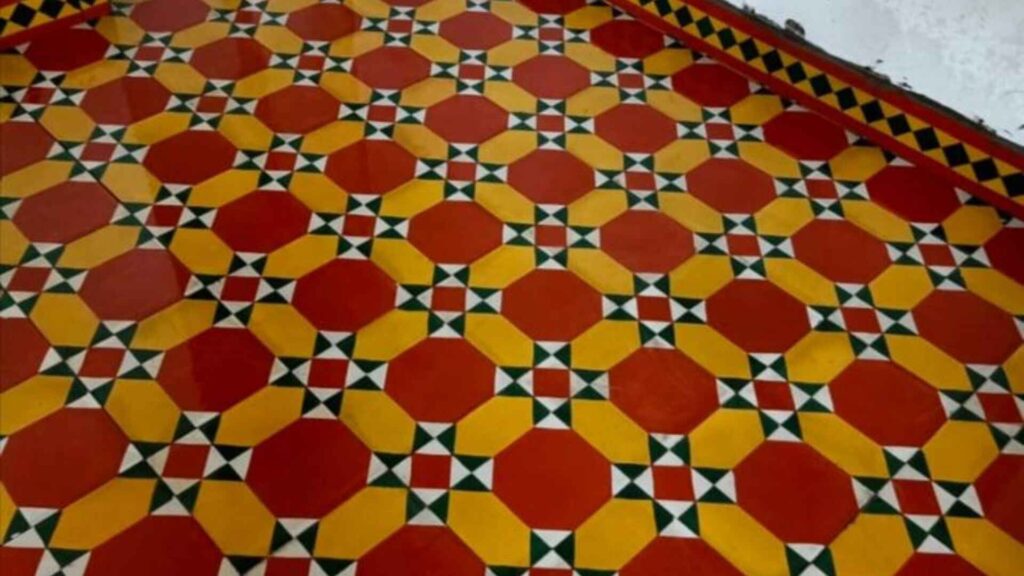
A major reason people are drawn to Athangudi tiles is the dizzying number of designs available. These tiles are known for their bright and varied designs, ranging from simple geometric shapes to complex and intricate traditional designs.
Some of the most common designs of Athangudi tiles include:
Geometric Shapes
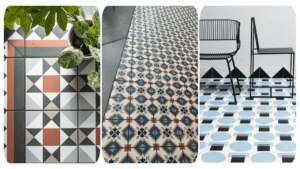
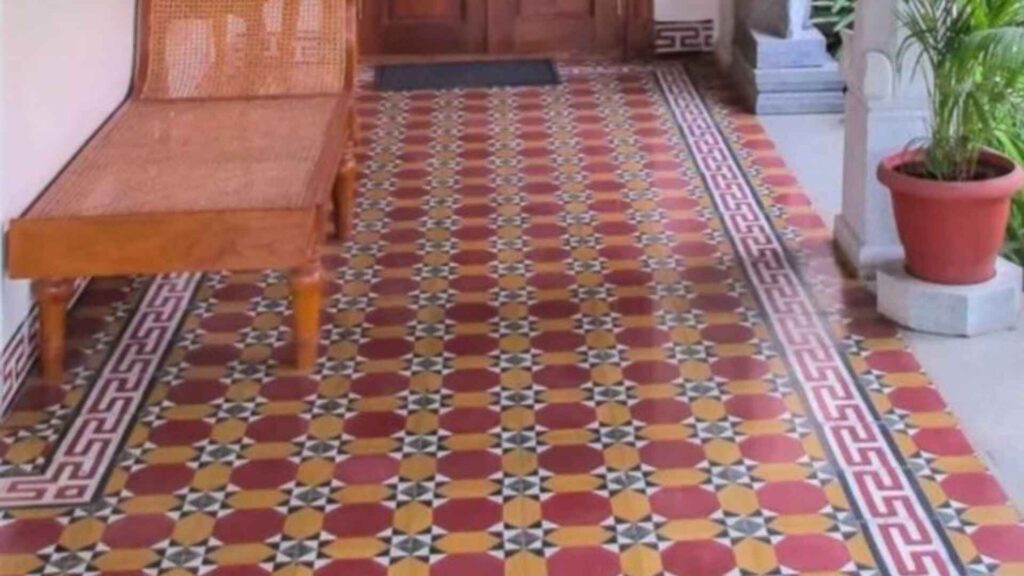
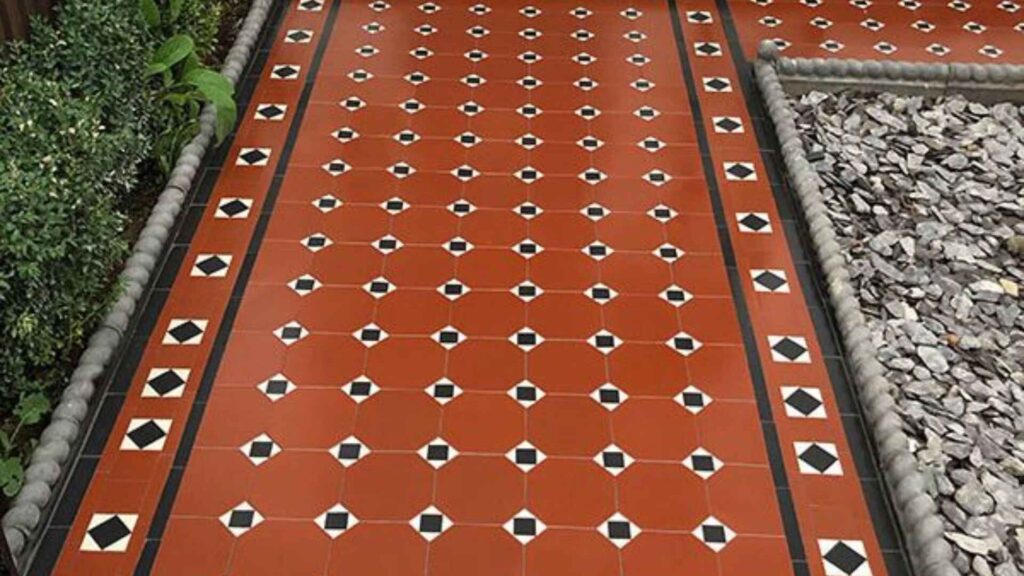
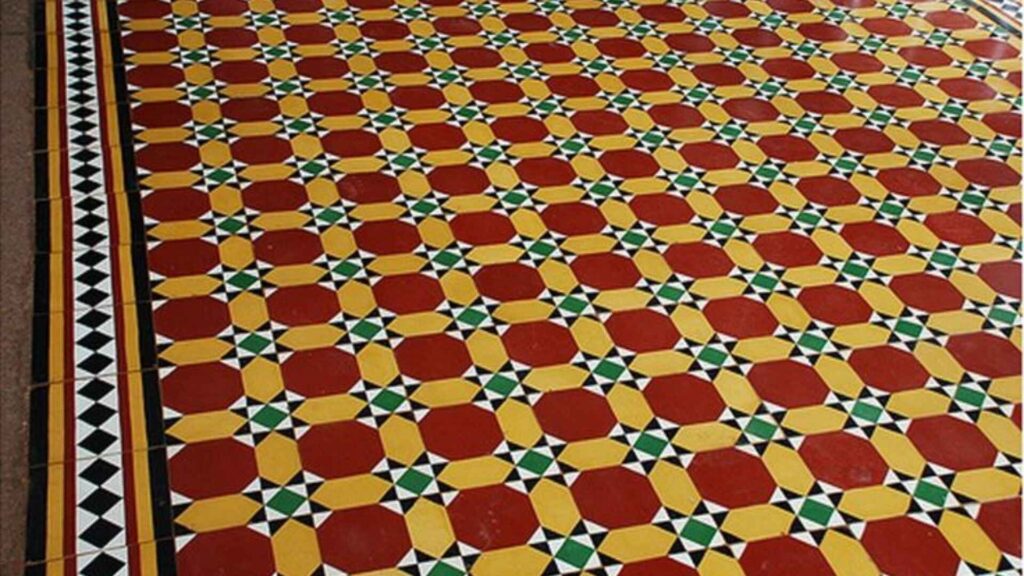
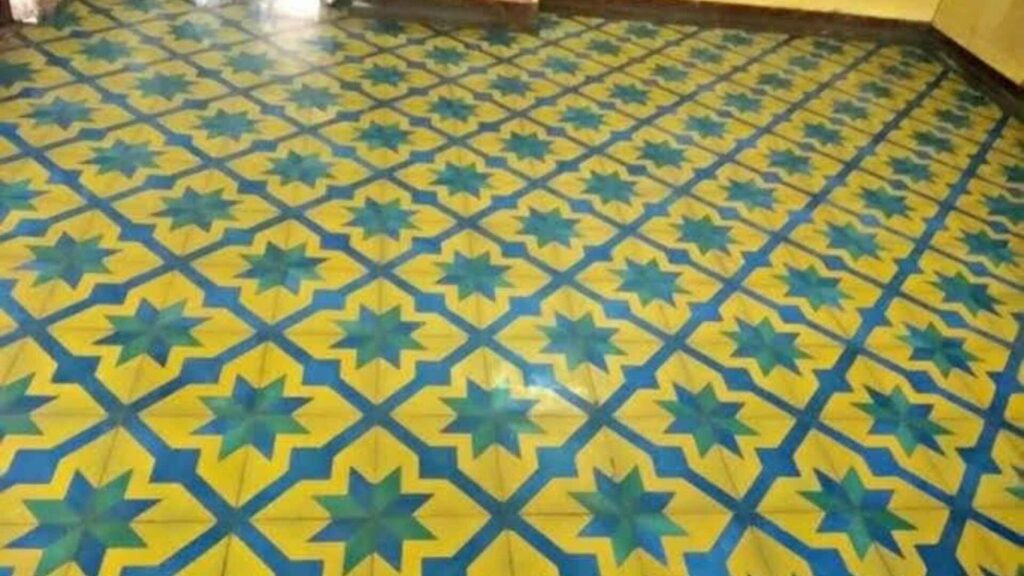
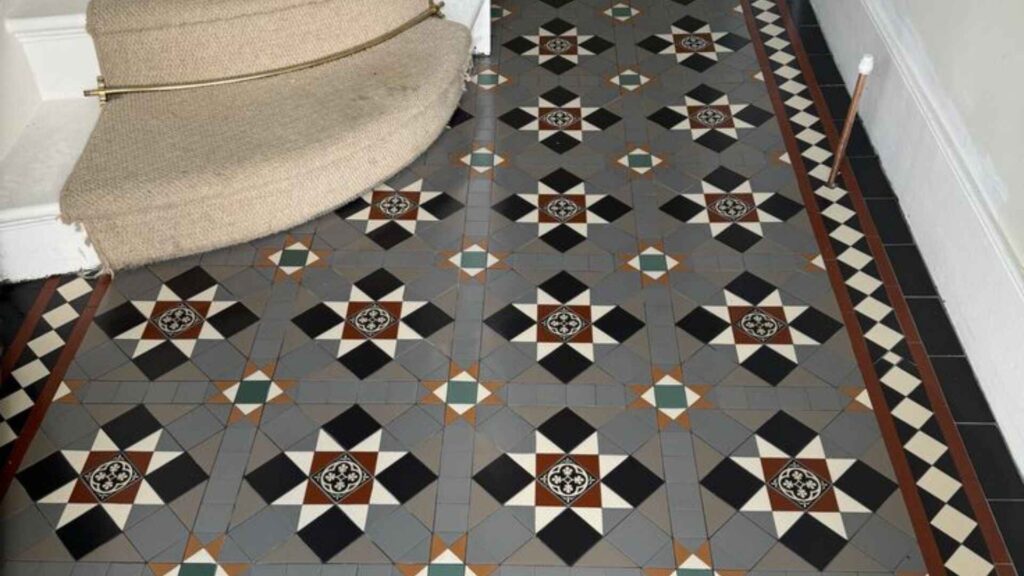
Of all the possible designs available, geometric shapes are the most used. You may commonly find geometrical designs such as squares, diamonds, and stars, arranged in an intricate and symmetrical fashion.
Floral Patterns
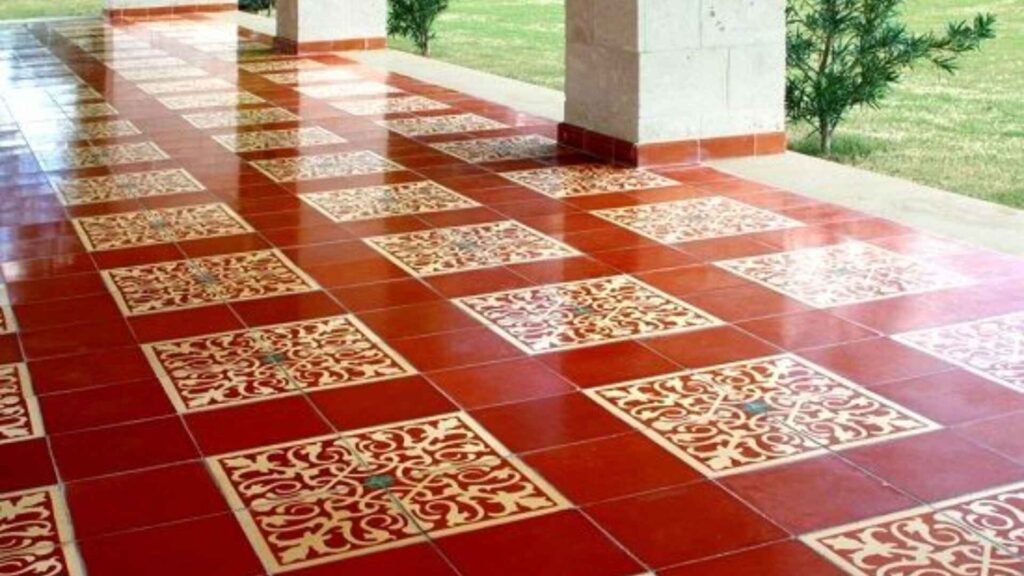
From nature, and particularly the world of botany, the floral pattern is perhaps the most used in Athangudi tiles. You can find floral designs of decorated borders as well as leaves.
Chettinad Traditional Patterns
The region of Chettinad is known for bold patterns and symmetrical arrangements. Athangudi tiles feature many such designs, and generally pay homage to the heritage of that particular region.
Border Designs
Athangudi tiles are often used with decorative borders to frame flooring areas.
Personalised Arrangements
Artisans can also create arrangements based on how customers would like their tiles to be.
Some of the most common color patterns include:
Red and Black
Yellow and Green
Blue and White
Grey and Cream
These combinations are bright and create beautiful, enhanced spaces.
Modern Athangudi Tiles
Though it’s true Athangudi tiles started as a product of tradition, they have now evolved to fit the mold of modern construction.
These tiles have made their way into the arsenal of tools available to interior designers, and have allowed them to craft distinct and sophisticated interiors.
Uses of Athangudi Tiles in Interior Design
Today, Athangudi tiles can be seen in various modern interiors. Some of these are:
Living rooms
Kitchens
Courtyards
Restaurants and cafes
Boutique hotels
Luxury villas
When combined with other materials, like wood, marble, and concrete, they allow for a more contemporary feel to the space.
Current Trends in Athangudi tiles
Modern homes with simple, clean lines.
Palettes of soft, pastel colors.
Flooring that features large, eye-catching patterns.
Floors that have a combination of Athangudi tiles and marble or stones.
More emphasis on certain areas of the floor.
By fusing modern design with traditional artistry, Athangudi tiles have secured their place in the hearts of designers.
Athangudi Tiles Price
Athangudi tiles are more affordable in comparison to other premium flooring options. Their pricing is based on design intricacies, size, and the level of customization.
In India, Athangudi tiles are priced as follows:
Tile Type Estimated Pricing
Basic Athangudi Tiles ₹70 – ₹120 per sq ft
Standard Pattern Tiles ₹100 – ₹180 per sq ft
Premium Handmade Designs ₹150 – ₹250 per sq ft
Custom Design Athangudi Tiles ₹200 – ₹350 per sq ft
The prices will differ based on the manufacturer, design, and cost of transportation.
Despite being handmade, Athangudi tiles are considered a cost-effective flooring option compared to marble or imported tiles.
Advantages of Athangudi Tiles
The following advantages make Athangudi Tiles stand out from other types of tiles.
They Are Environmentally Friendly
The materials used for these tiles are sourced from nature. Vertical sun-drying also saves energy!
Tiles Are Made By Hand
Having each tile made by hand gives these tiles their own unique look, so no two are alike.
They Have A Long Life Span
The longer Athangudi Tiles are used, the stronger and shinier they become.
Minimal Cleaning Is Needed
The tiles are easy to maintain. Regular cleaning with plain water would suffice.
Tradition And Culture
The tiles exhibit ancient Indian artisanry and culture.
Where to use Athangudi Tiles Site uses of the tiles include:
Living Area
Bedsitter
Courtyards
Verandas
Heritage Homes
Hotels
Cafes and Restaurants
Heritage restoration works and luxury villas that take inspiration from traditional designs are their most common uses.
Athangudi Tiles vs Modern Tiles
Feature
Athangudi Tiles
Modern Tiles
Manufacturing
Handmade
Machine made
Material
Cement and sand
Ceramic, porcelain
Design
Traditional patterns
Modern prints
Production
Sun-dried
Kiln-fired
Uniqueness
Each tile unique
Mass produced
While modern tiles offer uniformity, Athangudi tiles provide authenticity and heritage charm.
Future of Athangudi Tiles
The revival of interest in sustainable materials and traditional crafts has been a boon to Athangudi Tiles.
Athangudi Tiles are now being touted by many designers and architects as a sustainable, artistic alternative to mass-produced tiles.
Authenticity and reputation of Athangudi Tiles are to be protected through efforts aimed to get Geographical Indication (GI) status.
With increasing awareness about traditional craftsmanship, the future of Athangudi tiles looks promising.
Conclusion
More than a mere flooring option, Athangudi tiles offer a glimpse into India’s rich history and artisanal expertise. Athangudi tiles come from the Chettinad region of Tamil Nadu, where, for hundreds of years, these tiles have been made using age-old techniques of tile manufacturing.
The use of a wide array of colors, combinations, and designs, along with an eco-friendly manufacturing process, show that Athangudi tiles marry culture and utility seamlessly. Nowadays, heritage homes aren’t the only place where these tiles are found — they also adorn the spaces of contemporary architecture.
Athangudi tiles infuse beauty and elegance into a space. Whether the project is a traditional Indian home, a modern European space with vintage aesthetics, or a high-end American design, Athangudi tiles offer rich design and flooring options.